Quick answer
Treat dark chocolate balsamic as a thick dessert drizzle and lemon white balsamic as a bright, thin dressing base. Start with a small amount, taste, and adjust—each bottle has a distinct texture and intensity that changes how you use it.
Why texture changes how you use each bottle
The dark chocolate balsamic pours out in a thick drizzle, so it clings to ice cream, fruit, and salads instead of soaking in. That makes it a finishing vinegar, not a base for vinaigrette. The lemon white balsamic is thinner and tart-sweet, so it disperses easily in dressings and marinades. If you swap one for the other in a recipe, expect the consistency and balance to change.
When to reach for each bottle
Use dark chocolate balsamic when you want a dessert or a bold finish: drizzle it over ripe strawberries, vanilla ice cream, or a caprese salad for a sweet-tart twist. Use lemon white balsamic when you need brightness without darkening the dish: salads, chicken marinades, sauces, and cole slaw. Neither is a neutral substitute for the other, so keep both on hand if you cook across sweet and savory dishes.
Step-by-step: using both balsamics
- Taste before you build: Pour a few drops of each vinegar onto a spoon and taste. Note how sweet or tart each one is on its own. Common mistake: assuming they are interchangeable because both are balsamic. Keep a written note of your taste impression so you can adjust future batches consistently.
- Make a lemon white balsamic dressing: Whisk 2 parts lemon white balsamic with 3 parts olive oil, a pinch of salt, and a grind of pepper. Taste and add more vinegar if you want sharper acidity. Common mistake: adding all the oil at once, which can make the dressing break or taste flat. Dress greens just before serving so they don't wilt.
- Use lemon white balsamic as a marinade: Combine lemon white balsamic with olive oil, garlic, and herbs, then coat chicken or vegetables and refrigerate for 30 minutes to 2 hours. Common mistake: marinating too long, which can make the surface mushy. Pat the food dry before cooking so it browns instead of steams.
- Drizzle dark chocolate balsamic over dessert: Spoon a thin ribbon of dark chocolate balsamic over vanilla ice cream, fresh strawberries, or a chocolate martini. Start with a small amount because the flavor is intense. Common mistake: pouring heavily and overwhelming the dessert. Drizzle at the table so the vinegar stays thick and doesn't melt into the dessert.
- Finish a savory dish with dark chocolate balsamic: Add a small drizzle to a caprese salad or grilled fruit just before serving. Taste after a few drops and add more only if needed. Common mistake: adding it during cooking, which can mute the chocolate notes. Keep the bottle at room temperature for the easiest drizzle.
Product facts
-
Dark Chocolate Balsamic Vinegar: Pours out in a thick drizzle that suits salads, ice cream, and fruit. Its thickness means a little goes a long way as a finishing drizzle rather than a dressing base.
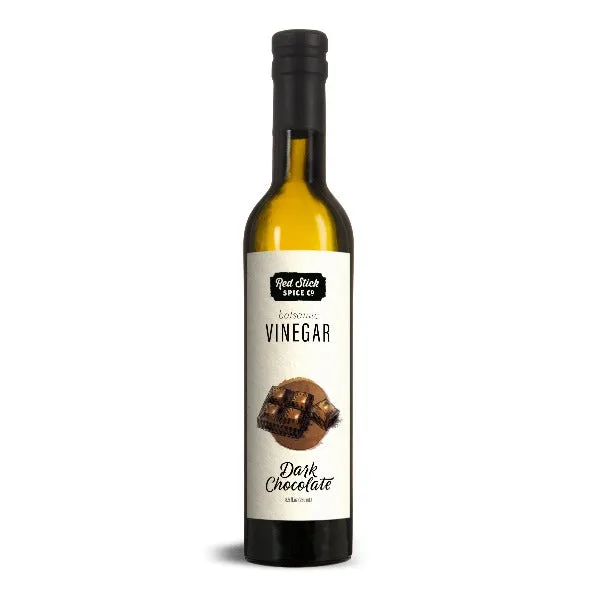
Dark Chocolate Balsamic Vinegar
-
Lemon White Balsamic Vinegar: Made with real lemon and tart-sweet white balsamic. The lemon-forward flavor makes it a natural fit for bright vinaigrettes and marinades where you want acidity without dark color.
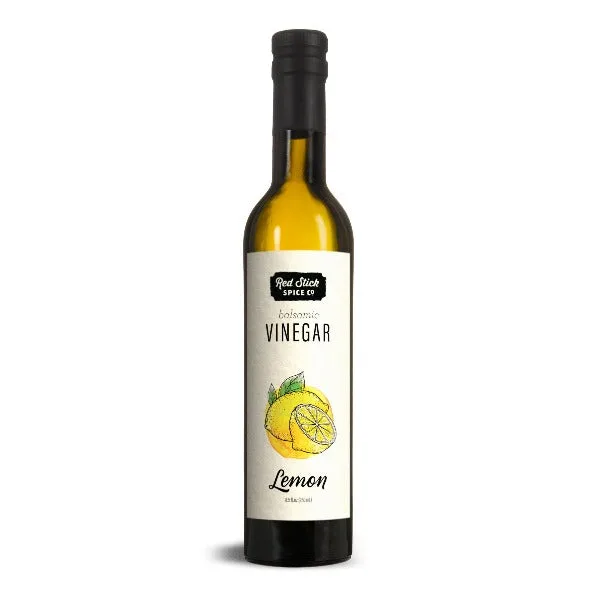
Lemon White Balsamic Vinegar