Quick Answer
To use a dog backpack for hiking, start by ensuring a proper fit, then gradually introduce the pack with short, positive training sessions. Always balance the load, monitor your dog's comfort, and follow safety guidelines to prevent injury and ensure an enjoyable hike.
Hiking with your dog is a fantastic way to bond and exercise together. Adding a dog backpack can turn a simple walk into a functional adventure, allowing your furry friend to carry their own water, snacks, and even waste bags. But using a backpack correctly is crucial for your dog's comfort and safety.
In this guide, we'll walk you through the essential steps of using a dog backpack for hiking, from fitting and training to safety tips that keep your canine companion happy and healthy on the trail.
Why Use a Dog Backpack?
A well-fitted dog backpack can be a game-changer on the trail. It allows your dog to carry their own gear, reducing the weight you have to haul and giving them a job that can help channel their energy. Many dogs enjoy the sense of purpose that comes with carrying a pack.
However, it's important to remember that not all dogs are suited for backpacking. Puppies, senior dogs, and dogs with certain health conditions should not wear a pack. Always consult with your veterinarian before starting a backpacking routine with your dog.
- Distributes weight evenly across your dog's back.
- Keeps your hands free for trekking poles or navigating tricky terrain.
- Provides mental stimulation and a sense of purpose for high-energy dogs.
Choosing the Right Backpack and Fit
The first step to successful backpacking is selecting a backpack that fits your dog properly. A poor fit can cause chafing, discomfort, and even injury. Look for a backpack with adjustable straps and a design that sits comfortably on your dog's back without restricting movement.
When fitting the backpack, ensure it's snug but not too tight. You should be able to slide two fingers between the pack and your dog's body. The weight should be distributed evenly, and the pack should not bounce excessively when your dog walks.
- Measure your dog's girth and length to choose the right size.
- Adjust the straps so the pack sits securely without shifting.
- Check for any signs of rubbing or pressure points after a short trial.
Gradual Training: Introducing the Backpack
Never just strap a backpack on your dog and hit the trail. Introduce it gradually to help your dog get comfortable. Start by letting your dog sniff and investigate the pack. Then, place the empty pack on your dog for a few minutes at a time, rewarding them with treats and praise.
Once your dog is comfortable wearing the empty pack, start adding a little weight. Begin with lightweight items and gradually increase the load over several days or weeks. Always monitor your dog's behavior for signs of stress or discomfort.
- Use positive reinforcement: treats, praise, and play.
- Keep initial sessions short (5-10 minutes) and in a familiar environment.
- Watch for signs of discomfort like excessive panting, whining, or trying to remove the pack.
Packing the Backpack: Weight and Balance
When packing your dog's backpack, balance is key. Distribute weight evenly on both sides to prevent your dog from leaning to one side. Heavy items should be placed low and close to your dog's body to maintain stability.
The total weight should not exceed 10-15% of your dog's body weight, depending on your dog's fitness and conditioning. Start with a lighter load and increase gradually as your dog builds strength.
- Use lightweight, compact items like a collapsible water bowl or a small first-aid kit.
- Avoid sharp or bulky items that could dig into your dog's back.
- Recheck the fit and balance after adding weight.
Safety Tips for Hiking with a Backpack
Safety should always be your top priority. Ensure your dog is up-to-date on vaccinations and flea/tick prevention, as hiking exposes them to wildlife and insects. Keep your dog on a leash unless you're in a designated off-leash area, and always carry water for both of you.
Be mindful of the weather. On hot days, take breaks in the shade and avoid hiking during peak heat. On cold days, check your dog's paws for ice build-up. Also, be aware of the terrain: sharp rocks, hot pavement, or icy patches can injure your dog's paws.
- Carry a dog first-aid kit and know basic dog first-aid.
- Take frequent water breaks and offer water to your dog.
- Check your dog's paws regularly for cuts or abrasions.
Step-by-Step Training Guide
- Step 1: Introduce the Backpack: Let your dog sniff and inspect the backpack. Place it on their back for a few minutes while giving treats and praise. Repeat this several times until your dog is comfortable. Checkpoint: Your dog should not show signs of stress or try to remove the pack.
- Step 2: Start with an Empty Pack: Once your dog is comfortable, take them on short walks with the empty pack. Keep the sessions positive and end on a good note. Checkpoint: Your dog should walk normally without the pack shifting.
- Step 3: Add Light Weight: Begin adding a small amount of weight (e.g., a lightweight water bottle). Increase the weight gradually over several days, never exceeding 10-15% of your dog's body weight. Checkpoint: Watch for any signs of fatigue or discomfort; if present, reduce the weight.
- Step 4: Practice on Trails: Gradually introduce your dog to short, easy trails. Monitor their energy and comfort, and take breaks as needed. Checkpoint: Your dog should be excited and not lagging behind.
- Step 5: Regular Check-ups: After each hike, check your dog for any signs of chafing, soreness, or behavioral changes. Adjust the pack fit if necessary. Checkpoint: Your dog should be happy and ready for the next adventure.
Essential Gear for Your Hiking Adventure
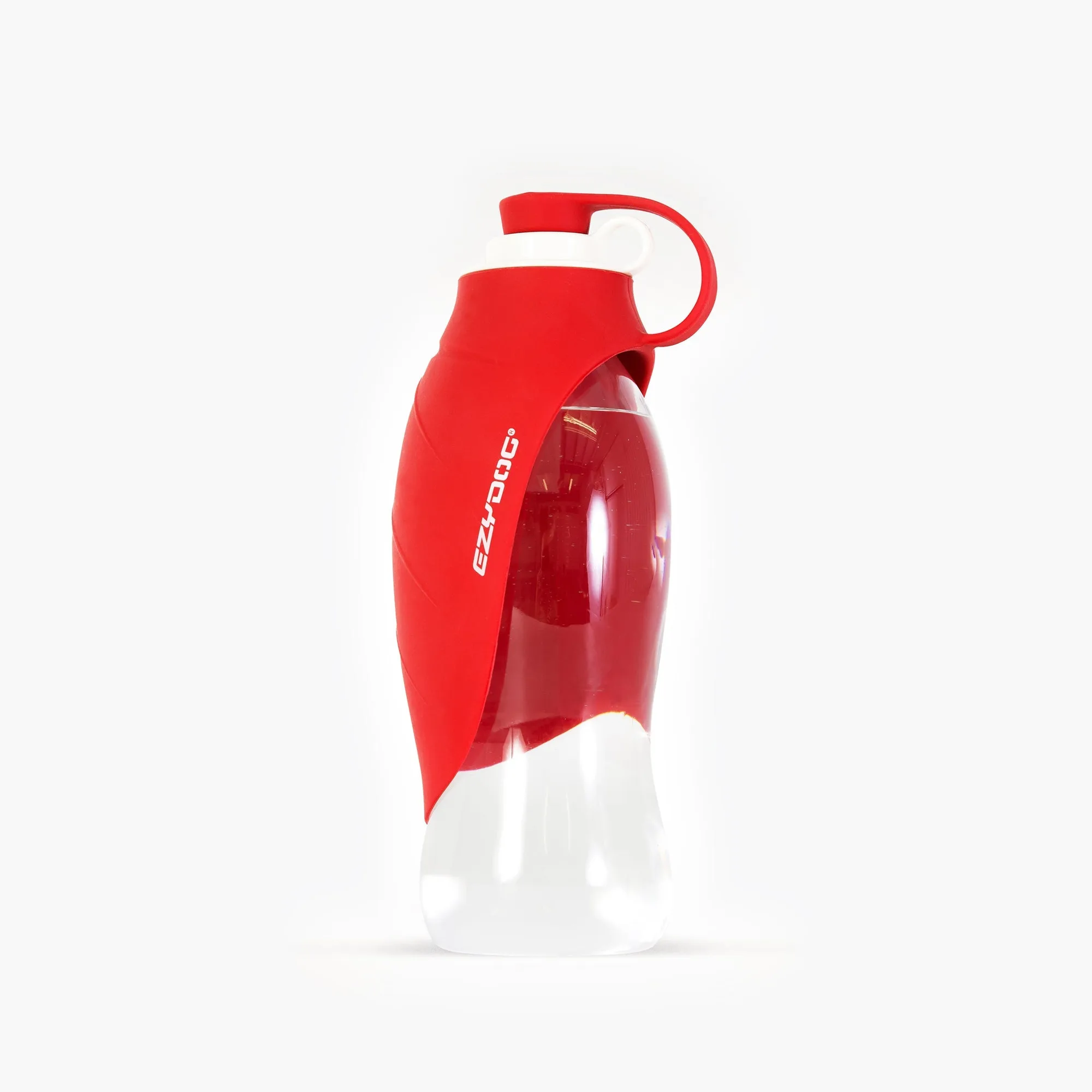
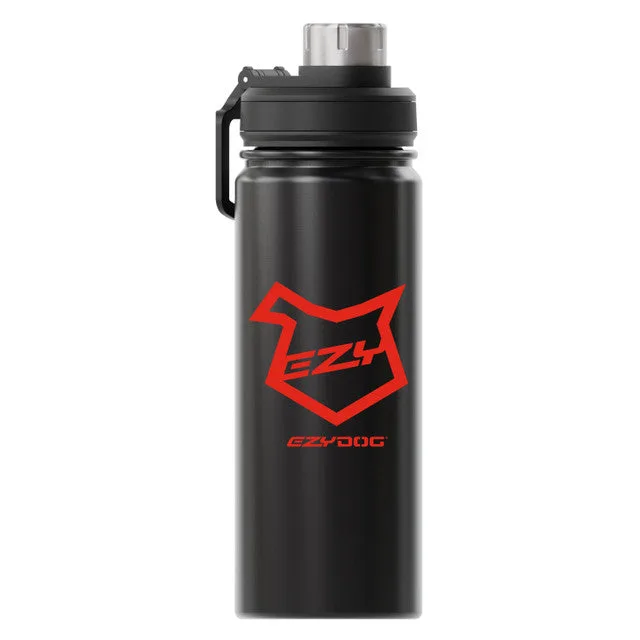
- Insulated Water Bottle: The EzyDog Insulated Water Bottle keeps your hot drinks hot and cold drinks cold, thanks to its double-walled vacuum body made from 304-grade stainless steel - known for its durability and longevity. Staying hydrated is crucial on the trail, and this bottle ensures you have refreshing water at the right temperature, making it a perfect companion for your dog's backpack.
- Essential Poop Bag Holder: The EzyDog Essential Poop Bag Holder is a lightweight, weather-resistant dog poop bag dispenser designed for convenient, hands-free walks. It attaches securely to a leash, belt loop, backpack, or walking bag. Leave no trace on the trail by carrying waste bags in this handy holder, which can be clipped to your dog's backpack or your own gear for easy access.
Using a dog backpack can greatly enhance your hiking experience, providing both physical exercise and mental stimulation for your dog. By following these training tips and safety advice, you'll ensure a comfortable and enjoyable adventure for both of you. Ready to hit the trail? Check out the Insulated Water Bottle to keep you hydrated on your next hike.