Quick Answer
To use a dog memory book, gather photos and mementos, choose a journal with guided prompts, and set aside time to write about your pet's personality, favorite moments, and the bond you shared. Fill it gradually—there's no rush—and let the prompts guide you through both happy memories and the grieving process.
Losing a dog is one of the hardest things a pet parent can go through. A dog memory book gives you a dedicated space to honor your pet's life, from the first day you brought them home to the final moments you shared. It's not about perfection—it's about capturing the small details that made your dog unique.
Whether you're processing grief or simply want to celebrate a beloved companion, a pet memory book can become a treasured keepsake. With guided prompts, you can document your dog's quirks, favorite toys, funny habits, and the unconditional love they gave you. Here's how to fill one meaningfully.
Why a Dog Memory Book Helps
Grief can feel overwhelming, and it's easy to forget the little things that made your dog so special. A dog memory book provides structure, prompting you to recall specific moments—like the way they greeted you at the door or their favorite napping spot. Writing these down helps you preserve the memories and process your emotions.
Unlike a photo album, a memory book combines photos with written reflections. You can include stories, milestones, and even funny anecdotes. The act of writing has been shown to help people work through grief, and a guided journal makes it easier to start.
- Start with a blank lined journal or a guided memory book—both work, depending on how much structure you prefer.
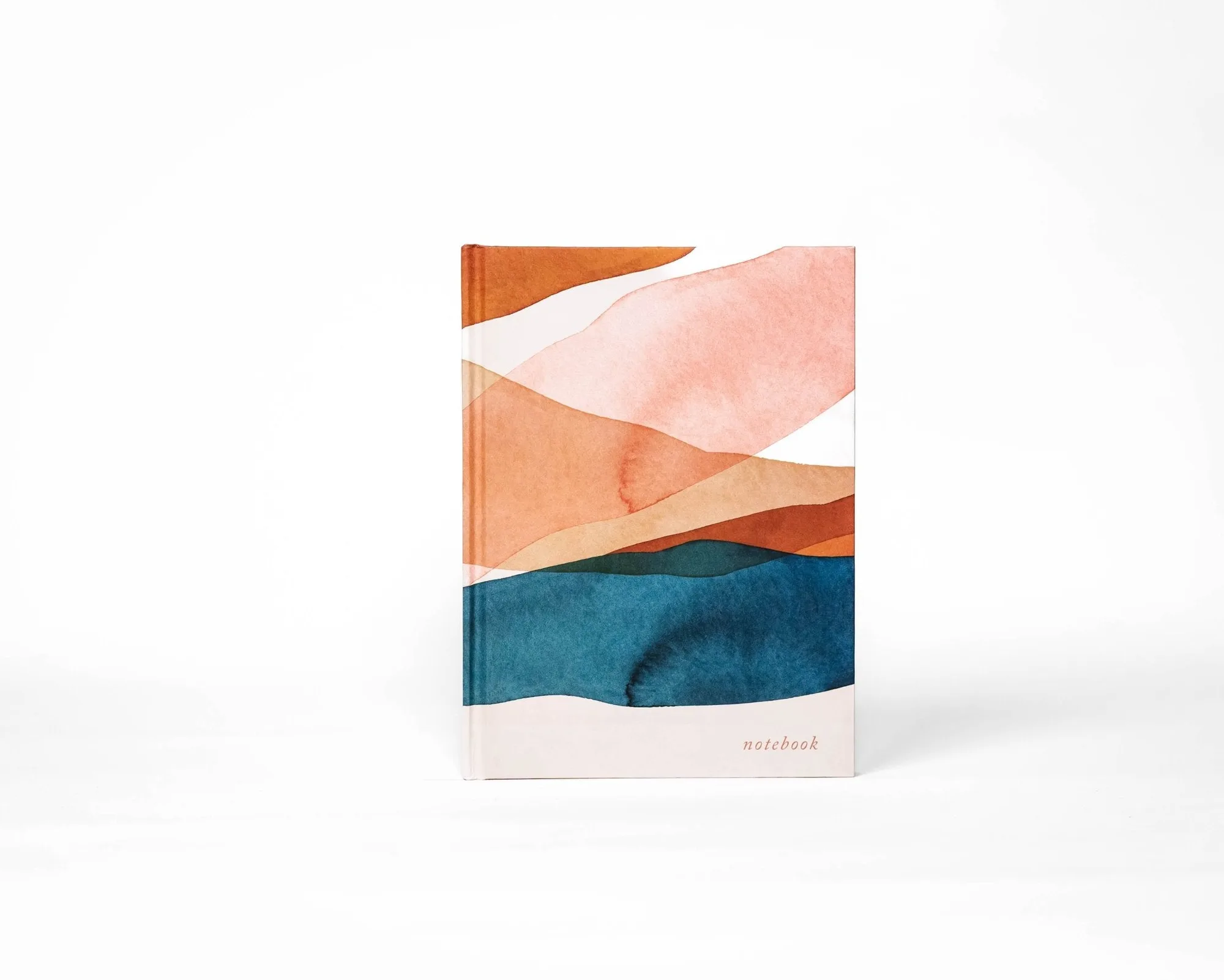
blank lined journal
What to Write in a Dog Memory Book
If you're not sure where to start, think about your dog's life in chapters: adoption day, puppy years, adventures, and quiet moments. Write about their personality—were they goofy, stubborn, cuddly, or brave? Include specific stories, like the time they escaped the yard or how they comforted you on a bad day.
Don't shy away from the hard parts. Writing about their final days or your grief is okay and can be part of the healing process. The book is for you, so there's no wrong way to fill it. If a prompt feels too painful, skip it and return later.
- Include sensory details: the sound of their bark, the feel of their fur, the smell of their paws.
How to Add Photos and Keepsakes
Photos bring your dog's story to life. Choose a mix of action shots, silly moments, and quiet cuddles. Print duplicates so you can cut and paste without worrying about ruining originals. You can also tuck in a lock of fur, a collar tag, or a favorite toy's ribbon—just make sure they fit within the pages.
If your memory book has guided prompts, leave space for these keepsakes. Some journals have designated spots for photos, while others are more flexible. A blank journal gives you complete freedom to design each page as you like.
- Use acid-free adhesive or photo corners to protect your photos.
Choosing the Right Journal
A guided memory book is helpful if you want structure and prompts. Look for one that covers the full arc of your dog's life, from adoption to the end. A blank journal offers more creative freedom but requires you to come up with your own prompts and layout.
Consider the size and durability. A hardback journal with a lay-flat spine is easier to write in and will hold up to years of handling. If you plan to include many photos, choose a book with thicker pages.
- If you're grieving, a guided journal may feel less overwhelming than a blank one.
Step-by-Step: Filling Your Dog Memory Book
- Gather your materials: Collect photos, mementos, and any notes you've written about your dog. Choose a journal—guided or blank—that feels right for you. Checkpoint: You have everything you need before you start writing.
- Start with the basics: Write your dog's name, breed, adoption date, and a short summary of their personality. This sets the tone for the rest of the book. Checkpoint: Don't overthink the first page—just get started.
- Work through prompts or create your own: If using a guided book, answer one prompt at a time. If using a blank journal, write about your favorite memory, their quirks, and what made them unique. Checkpoint: It's okay to skip painful topics and return later.
- Add photos and keepsakes: Place photos near related stories. Tuck in small mementos like a collar tag or a lock of fur. Use photo corners to keep everything secure. Checkpoint: Make sure keepsakes lie flat and don't damage pages.
- Review and add final touches: Read through your entries, fill any gaps, and add small drawings or decorative elements. This is your personal tribute, so make it feel like you. Checkpoint: Your dog memory book is complete—and it's a beautiful keepsake to revisit.
Memory Books and Journals to Consider
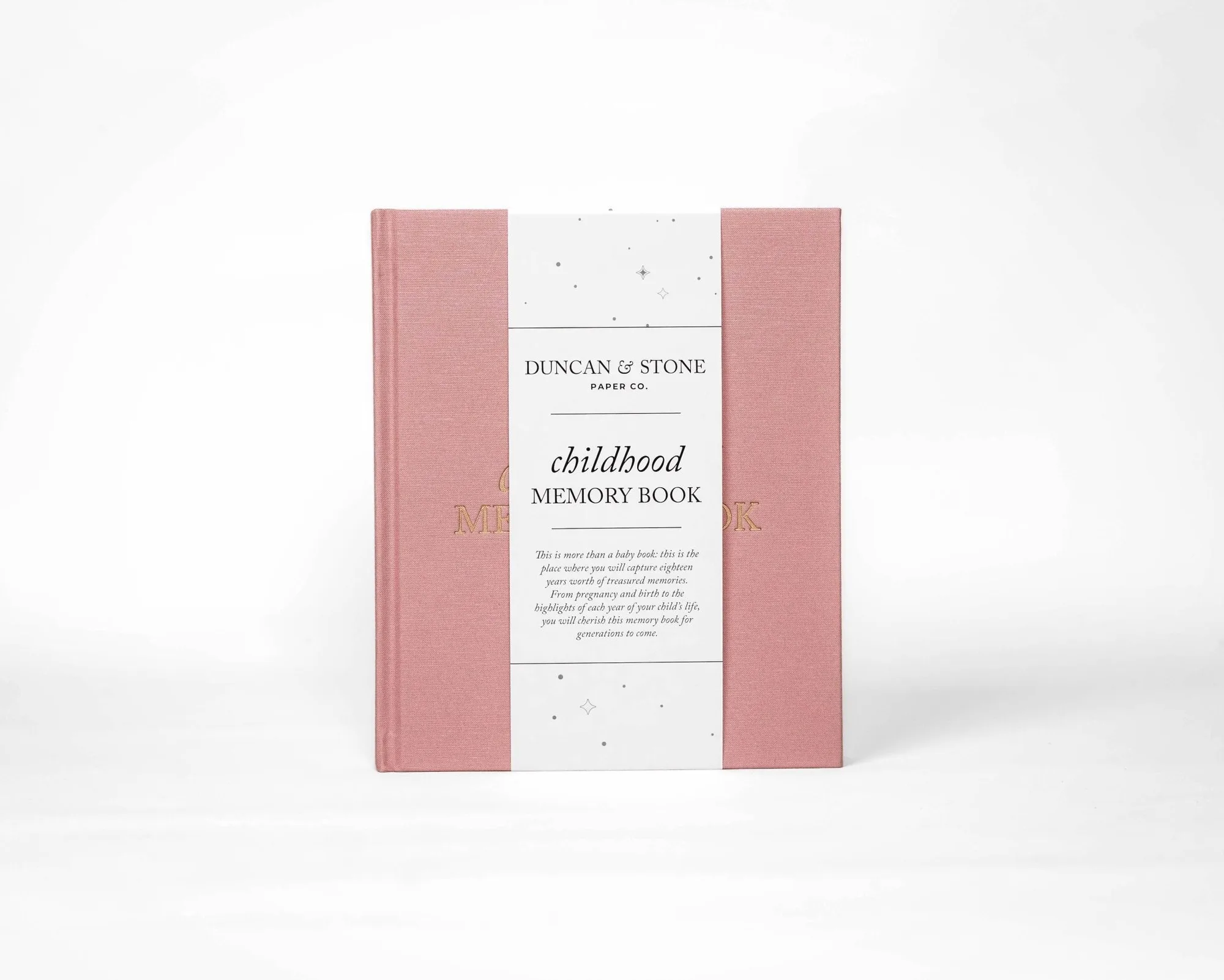
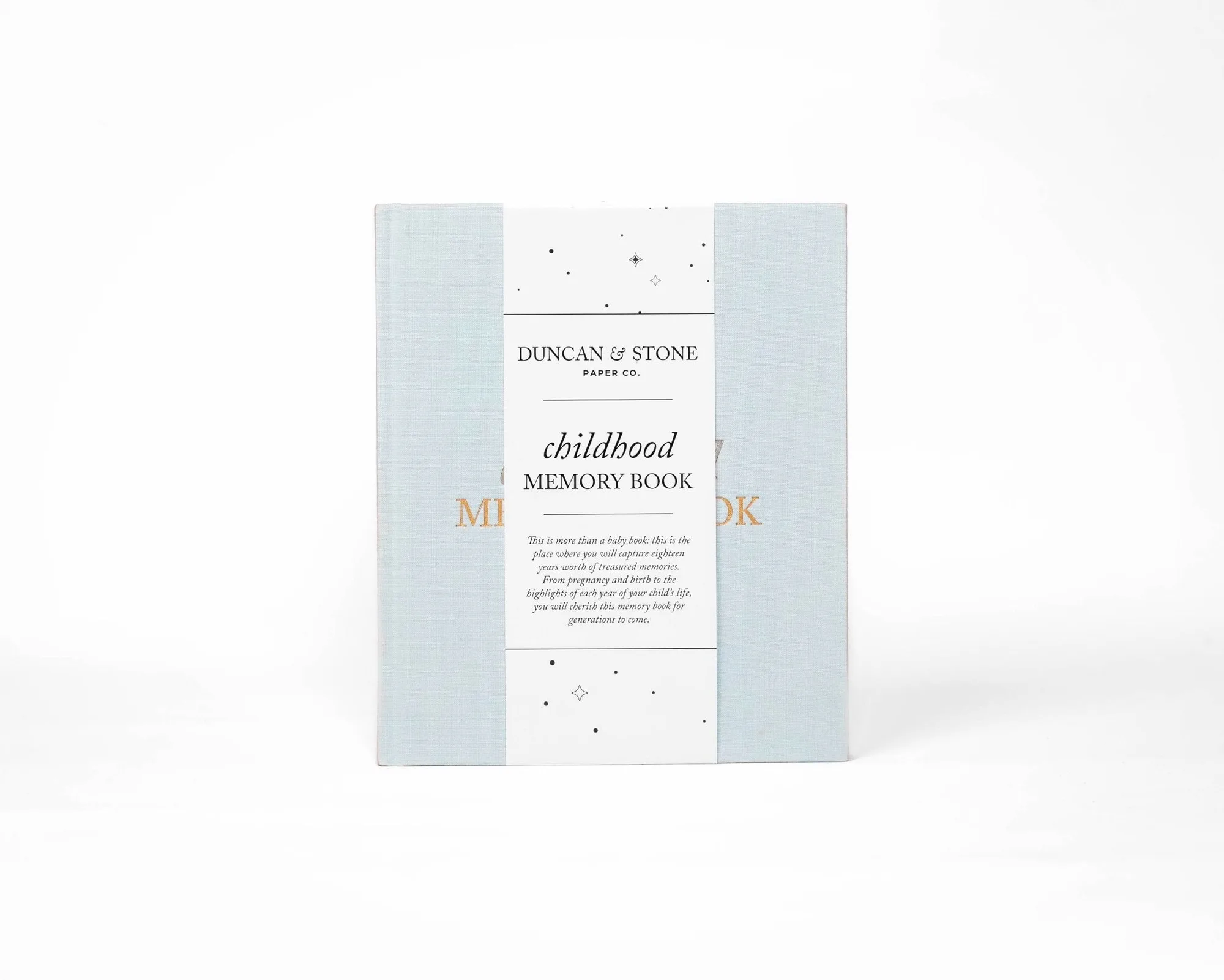
- https://duncanandstones.com/products/childhood-memory-book-261227https://duncanandstones.com/products/childhood-memory-book-261228Childhood Memory Book: This thoughtful childhood keepsake book will help you capture your favorite memories from birth to age 18. With simple guided prompts, all it takes is an hour a year to document the moments you never want to forget! While designed for children, its guided prompts and annual structure can be adapted to document your dog's life year by year, from puppyhood to senior years.
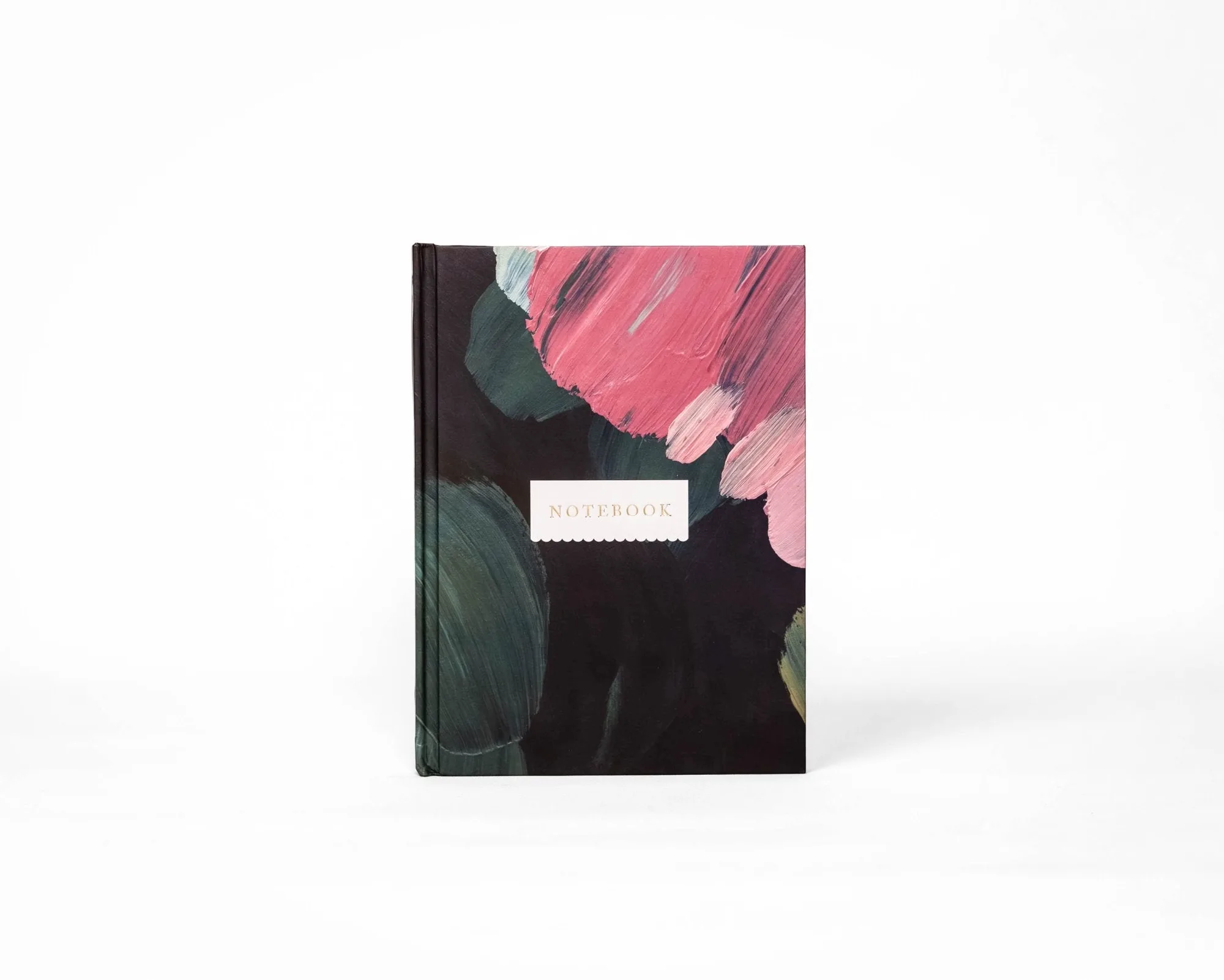
- Blank Lined Journal: June Watercolors: The perfect lined journal for collecting your thoughts! Our flat lay spine allows it to stay open and flat for easy journaling, while our high-quality hardback case makes it durable to take anywhere. If you prefer a blank journal to create your own dog memory book layout, this one's lay-flat spine makes writing and adding photos easy, and the hardback cover protects your keepsakes.
A dog memory book is a heartfelt way to celebrate your pet's life and keep their memory alive. Whether you choose a guided journal or a blank one, the most important thing is to write from your heart. Your dog's story deserves to be told—and this book will let you revisit those precious memories for years to come.