Quick answer
Put the strap on before you get into position, center the pad low on the front of your hips, and tighten the side straps only until the belt stays put without digging in. Check the fit standing and kneeling, then adjust once you are in place rather than yanking the straps mid-scene.
Why the pad position matters more than strap tightness
A padded position strap works by giving the person on top a stable handle and a soft barrier at the hips. If the pad sits too high, near the waist, it rides up and the side straps pull unevenly. If it sits too low, it can press into the pelvic bone. Aim for the pad to cover the front of the hip crease, with the lower edge just above the pubic area.
Tightness is a trade-off: a loose belt slides and defeats the purpose, but an over-tightened belt restricts movement and leaves marks. Tighten until the strap stays in place when you shift your weight, then stop.
When a plus size setup needs a different approach
If you are using a plus size position aid, the longer and wider pad gives more coverage, but it also means the side straps have more distance to travel. Start with the straps looser than you think you need, then shorten them gradually on both sides so the pad stays centered. A common mistake is tightening one side first and then discovering the pad has twisted.
Also check that the strap sits under clothing or against skin as you prefer; a soft padded belt can be worn directly against skin, but if you use lube, wipe your hands before adjusting the straps so they do not become slippery.
Step-by-step: fit and position your doggie style strap
- Put the strap on standing up: Hold the pad against the front of your hips, with the lower edge just above the pubic area, and bring the side straps around your back. Fasten them loosely at first. Checkpoint: the pad should be centered, not twisted to one side. If the pad twists, loosen both side straps completely and start again rather than pulling one side tighter.
- Tighten the side straps evenly: Shorten each side strap a little at a time, alternating left and right, until the belt stays in place when you shift your weight. You should be able to slide a finger under each strap. Checkpoint: no red marks or pinching at the hip bones. If one strap feels tighter than the other, the pad will rotate during use; adjust both to equal tension.
- Test the fit kneeling and on all fours: Kneel on the floor and lean forward onto your hands, then shift your weight side to side. The pad should stay over the hip crease and the side straps should not ride up toward your waist. Checkpoint: you can move without the belt sliding down. If the belt slides down when you kneel, tighten both side straps by the same small amount and retest.
- Get into position and make final adjustments: Once you are in place, reach back and check that the pad is still centered and the side straps are flat against your skin. Make only small, even adjustments. Checkpoint: your partner should be able to see that the pad is straight, not bunched. Avoid yanking the straps mid-scene; pause and adjust both sides evenly to prevent the pad from twisting.
- Check in and remove the strap after use: After play, loosen the side straps before taking the belt off, then inspect the pad and straps for any marks or discomfort. Wash according to the care label. Checkpoint: if you notice numbness, tingling, or deep marks, the fit was too tight. If you had to overtighten to keep the strap in place, try a different pad size or style next time.
Product facts that affect fit
-
Sportsheets Plus Size Doggie Style Strap | versatile soft padded belt: The pad is 7 inches longer and 1.5 inches wider than the "I Like It Doggie Style Strap". More coverage means the pad stays centered over a wider range of body sizes and positions, so you can adjust the side straps without the pad shifting off the hip crease.
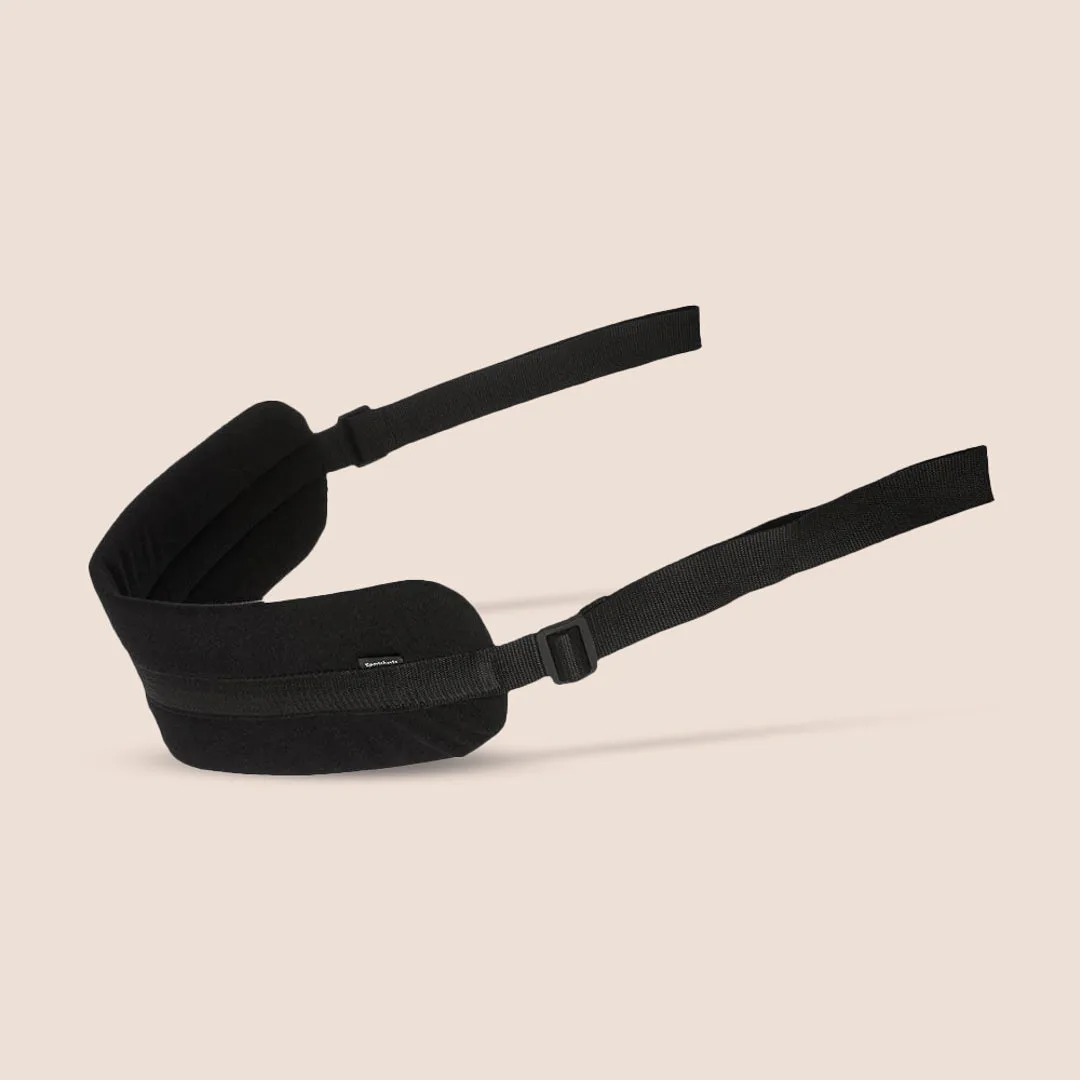
Sportsheets Plus Size Doggie Style Strap | versatile soft padded belt