Quick answer
Set up the Vego Dome Cloche Kit by anchoring the frame over your seedlings, choosing the low or tall layout, and adjusting the vents to keep airflow moving. Water through the top without lifting the cover, and close the vents only when frost or harsh weather is expected.
Why a cloche beats a greenhouse for young plants
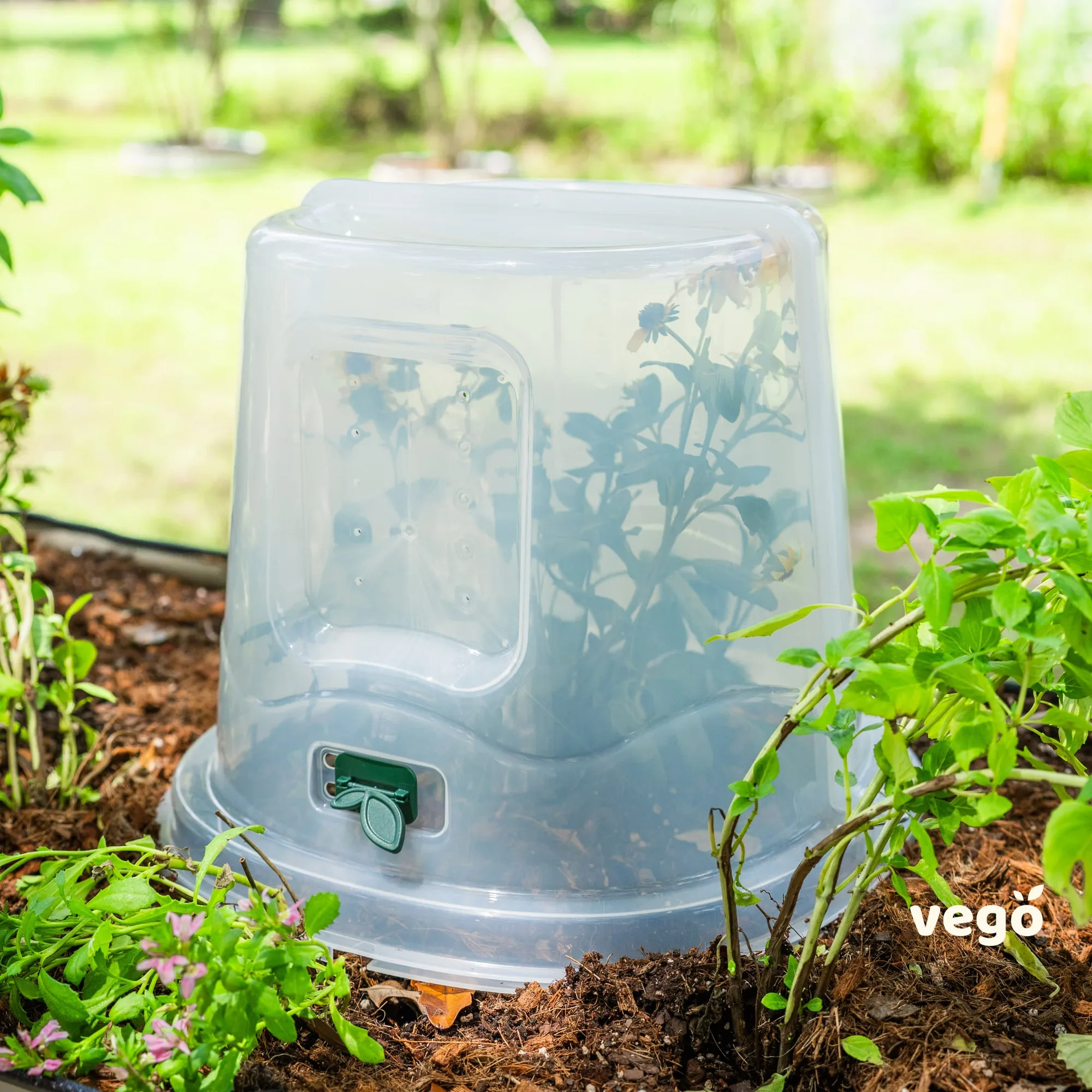
A cloche gives you greenhouse-style protection exactly where your plants are, without a permanent structure. That matters for seedlings because they need consistent warmth and moisture, but they also need airflow to avoid damping off. The Vego Dome Cloche Kit is a 2-in-1 design: you can set it up in two layout options and it stores compactly when the season ends. The cover defends against frost, harsh weather, and pests, and you can water gently through the top without lifting it.
Pick the right layout for your plant size
The two layout options are the main decision you will make. Use the lower, wider layout for newly germinated seedlings and low-growing greens; it holds warmth close to the soil. Switch to the taller configuration once stems stretch or you are hardening off transplants. If your plants already touch the cover in the low layout, move to the tall layout before leaves press against the plastic, which can cause scorch on sunny days.
Watering and ventilation without guesswork
The adjustable vents are your thermostat. On mild days, open them partway so excess heat and humidity escape; on frost nights, close them fully. Because you can water through the cover, you avoid the shock of lifting the cloche on a cold morning. Check soil moisture by feel before watering, since a cloche slows evaporation and it is easy to overwater. If condensation coats the inside all day, open the vents wider.
Step-by-step: Dome Cloche Kit setup and use
- 1. Site the cloche before you plant: Choose a level spot that gets morning sun and drains well. Place the frame where it will sit, then plant or thin seedlings inside it. Common mistake: setting the cloche on uneven ground, which leaves gaps where cold air and pests slip in. Checkpoint: press the frame into the soil so the base sits flush all the way around.
- 2. Choose the low or tall layout: Start in the low layout for germination and young seedlings. Move to the tall layout when leaves approach the cover or when you are hardening off transplants. Common mistake: waiting until foliage is already pressed against the cover, which can scorch leaves on bright days. Checkpoint: leave at least 2 inches of clearance above the tallest leaf.
- 3. Set the vents for the day's weather: Open the adjustable vents partway on mild, sunny days to release excess heat and humidity. Close them fully when frost or harsh weather is forecast. Common mistake: leaving vents closed on a warm afternoon, which traps heat and can cook seedlings. Checkpoint: if condensation coats the inside all day, open the vents wider.
- 4. Water through the top cover: Water gently through the cover instead of lifting it, especially on cold mornings. Feel the soil first, because a cloche slows evaporation. Common mistake: watering on a schedule rather than checking moisture, which leads to soggy soil and damping off. Checkpoint: water when the top inch of soil feels dry, not when the calendar says so.
- 5. Harden off before removing the cloche: Once frost risk passes, open the vents fully for a few days, then lift the cover for increasing periods each day. Common mistake: pulling the cloche off all at once, which shocks tender growth. Store the cloche compactly when the season ends. Next step: keep the kit handy for fall frosts or a second round of seedlings.
Product facts
- Dome Cloche Kit: 2-in-1 cloche with two layout options that adapt to your plants and store compactly. You can start with a low profile for seedlings and raise it as plants grow, so one kit covers more of the season.
- Dome Cloche Kit: Adjustable ventilation to control airflow and reduce excess heat and humidity. Vents let you prevent overheating on sunny days and close the cloche when frost is forecast.
- Dome Cloche Kit: Convenient watering lets you gently water plants without lifting the cover. You avoid disturbing tender seedlings and can water on cold mornings without exposing them.