Quick Answer
To use doTERRA Forgive oil for emotional release, diffuse it during meditation, apply it topically to your wrists or chest, or inhale it directly from the bottle. For a deeper practice, combine it with journaling or breathwork to support letting go of past hurts.
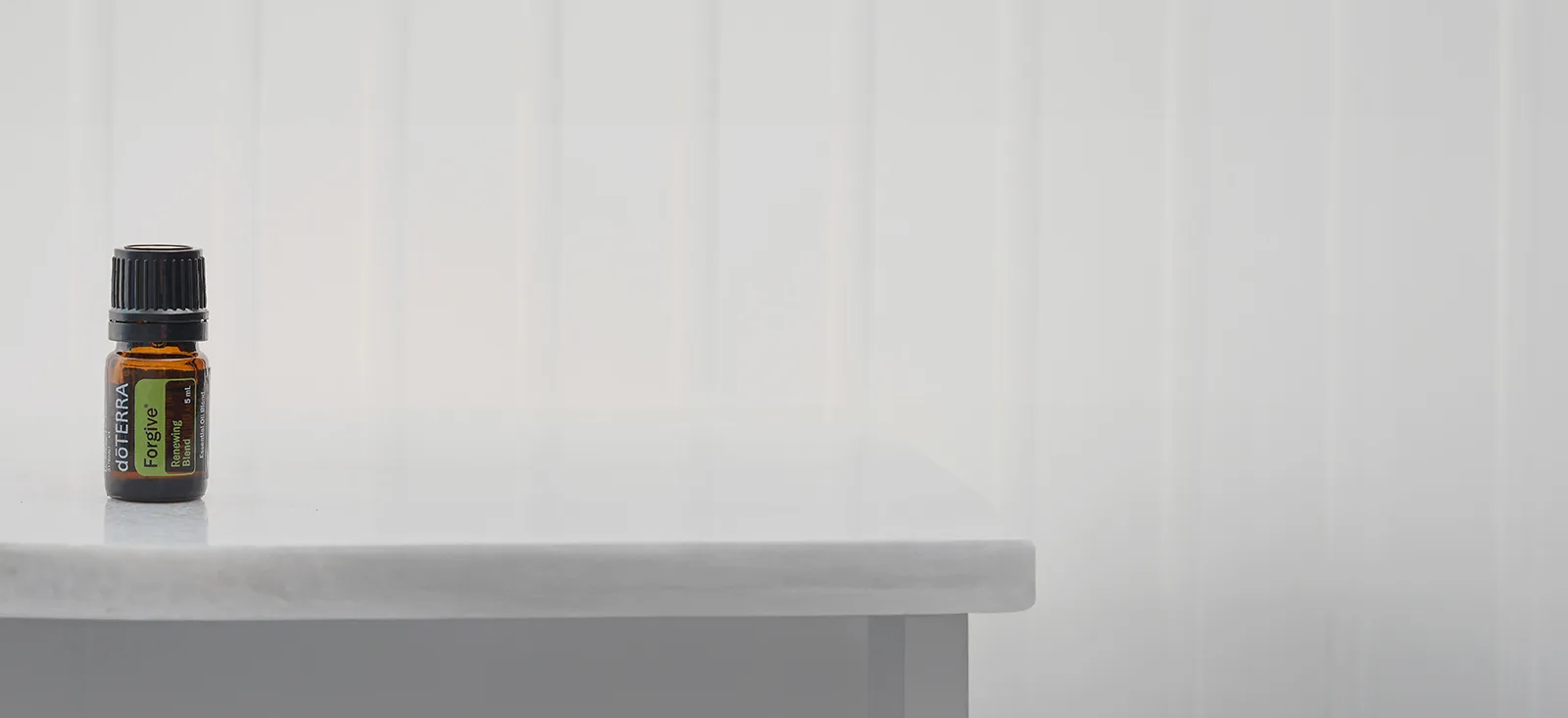
doTERRA Forgive oil
Emotional baggage can weigh us down, affecting our mental clarity and overall well-being. Essential oils have been used for centuries to support emotional balance, and doTERRA Forgive blend is specifically crafted to help you release negative emotions and embrace forgiveness. In this guide, we'll explore practical ways to incorporate this powerful blend into your daily routine.
Whether you're new to essential oils or a seasoned enthusiast, understanding how to use Forgive oil effectively can transform your emotional health. From simple diffusion to mindful application, these techniques will help you let go of resentment and move forward with a lighter heart.
Understanding doTERRA Forgive Blend
doTERRA Forgive is a proprietary blend of essential oils designed to promote feelings of forgiveness, release, and emotional healing. While we don't have the exact ingredient list, the blend typically includes oils known for their calming and uplifting properties, such as spruce, bergamot, and ylang-ylang. These oils work synergistically to create a soothing aroma that encourages emotional release.
Using Forgive oil is not just about smelling good; it's about creating a ritual that allows you to process and let go of negative emotions. Whether you're dealing with a past relationship, a work conflict, or self-forgiveness, this blend can be a valuable tool in your emotional wellness toolkit.
- Use Forgive oil as part of a daily mindfulness practice to maintain emotional balance.
- Keep a bottle in your workspace to quickly shift your mood when stress arises.
How to Use Forgive Oil for Emotional Release
There are several effective ways to use doTERRA Forgive oil, depending on your preference and situation. The most common methods include aromatic diffusion, topical application, and direct inhalation. Each method offers unique benefits and can be easily incorporated into your routine.
For emotional release, consistency is key. Make it a habit to use the oil at the same time each day, such as during your morning meditation or before bed. This creates a powerful association between the scent and a state of calm and release.
- Start with a small amount of oil to see how your body reacts.
- Pair the oil with deep breathing exercises for enhanced effects.
Diffusion for Aromatherapy
Diffusing Forgive oil is one of the simplest ways to enjoy its emotional benefits. Add 3-5 drops to your essential oil diffuser and let the aroma fill your space. This is perfect for creating a calming environment during meditation, yoga, or while journaling.
The aromatic molecules from the oil interact with your limbic system, the part of the brain that processes emotions. This can help shift your mood and promote a sense of peace and release. For best results, diffuse for 15-30 minutes at a time.
- Combine Forgive with a carrier oil in a diffuser necklace for on-the-go aromatherapy.
Topical Application for Targeted Relief
Applying Forgive oil topically allows the beneficial compounds to absorb into your skin and enter your bloodstream. Mix 1-2 drops with a carrier oil like fractionated coconut oil and apply to your wrists, chest, or the back of your neck. This is especially helpful during times of high stress or emotional turmoil.
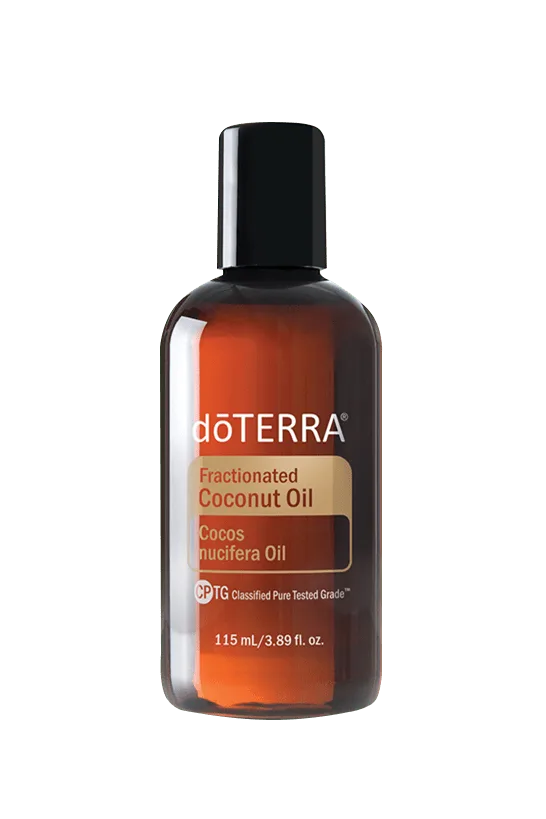
fractionated coconut oil
You can also apply the oil to your solar plexus, the area just below your rib cage, which is considered the center of emotions in many holistic traditions. Gently massage the area in a clockwise motion while taking deep breaths to enhance the release.
- Always dilute with a carrier oil to avoid skin sensitivity.
- Perform a patch test before applying to a large area.
Creating a Forgiveness Ritual
To truly harness the power of Forgive oil, consider creating a forgiveness ritual. Find a quiet space, diffuse the oil, and sit comfortably. Close your eyes and take several deep breaths, allowing the aroma to calm your mind. Visualize the person or situation you need to forgive and imagine releasing the negative emotions with each exhale.
You can also incorporate journaling into your ritual. Write down what you're holding onto and then tear up the paper as a symbolic act of release. This combination of aromatherapy and mindfulness can be profoundly healing.
- Set an intention before you begin your ritual, such as 'I release all resentment and embrace peace.'
Step-by-Step Guide to Using Forgive Oil for Emotional Release
- Step 1: Choose Your Method: Decide whether you'll diffuse, apply topically, or inhale directly. For a quick emotional reset, direct inhalation works well; for a deeper practice, choose diffusion or topical application. Checkpoint: Select a method that fits your current environment and time available.
- Step 2: Prepare Your Space: Find a quiet, comfortable spot where you won't be disturbed. If diffusing, set up your diffuser with water and 3-5 drops of Forgive oil. If applying topically, have a carrier oil ready. Checkpoint: Ensure your space is clean and clutter-free to minimize distractions.
- Step 3: Engage Your Senses: Take a few deep breaths, inhaling the aroma deeply. Notice any emotions that arise without judgment. Allow yourself to feel whatever comes up, knowing that this is part of the release process. Checkpoint: If you feel overwhelmed, pause and take a break. It's okay to go slowly.
- Step 4: Practice Forgiveness: Visualize the person or situation you want to forgive. Silently or aloud, say 'I forgive you' or 'I release this.' Repeat as many times as needed, letting the oil's aroma support your intention. Checkpoint: Notice any shift in your emotional state. Even a small change is progress.
- Step 5: Close with Gratitude: End your practice by expressing gratitude for yourself and your willingness to heal. Take one final deep breath, and gently bring your awareness back to the room. Checkpoint: Consider journaling about your experience to track your emotional journey.
Complementary Essential Oils for Emotional Wellness
- Vetiver Essential Oil: Vetiver Essential Oil offers a grounding, calming aroma that is ideal for massages and bedtime routines. Pairing Forgive with Vetiver can deepen your emotional release practice, especially before sleep, to promote a restful night and a clearer mind.
- Clove Essential Oil: Clove Essential Oil offers a warm, woody, spicy, and sweet aroma that is intensely aromatic when diffused or used in cooking. Clove's comforting scent can complement Forgive's emotional release benefits, creating a cozy atmosphere that encourages letting go.
Incorporating doTERRA Forgive oil into your emotional wellness routine can be a transformative practice. By following these steps, you can create a safe space for release and healing. Remember, forgiveness is a journey, not a destination. For a complementary grounding experience, explore Vetiver Essential Oil and let its calming aroma support your bedtime ritual.