Quick answer
To use a double loop handle and rope set safely, attach the rope to your reformer's riser hooks, adjust both sides to equal length, and check for wear before every session. Always test the setup with a light pull before starting exercises, and replace frayed ropes or stretched handles immediately.
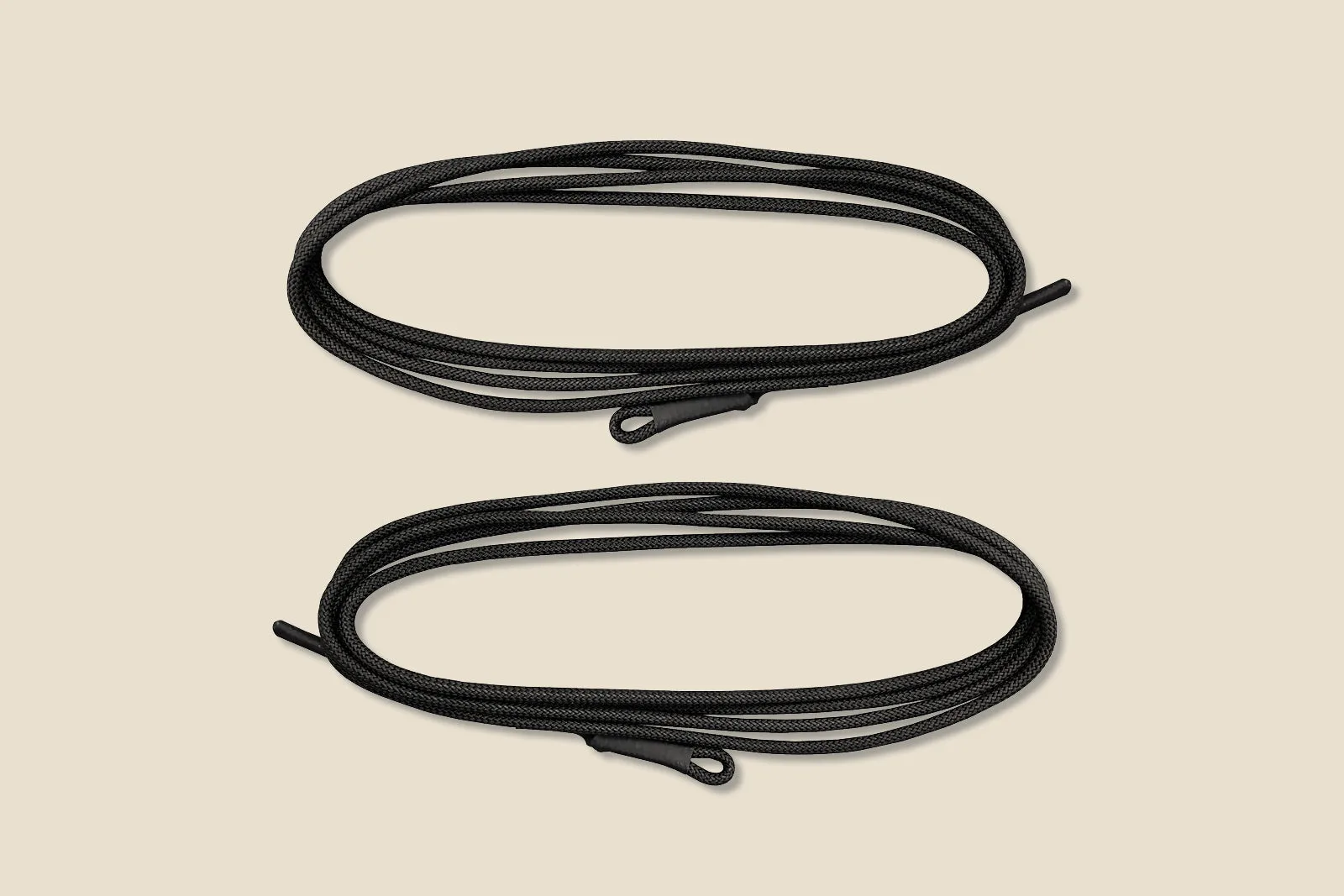
rope set
Why rope length and handle condition matter
Uneven rope lengths force you to compensate with your stronger side, which can strain your neck, shoulders, or lower back. Frayed ropes can snap mid-exercise, and worn loops may slip from your hands or feet. A safe setup starts with matching lengths and intact hardware. If your reformer uses a double loop handle and rope set, check the attachment points and rope path before every workout. Even a small difference of a few centimeters can change the feel of an exercise and your alignment.
Step-by-step safe setup and adjustment
Follow this sequence each time you change ropes or share the reformer with someone else. Work slowly and check each connection twice.
- Step 1: Inspect the rope and handles. Look for fraying, stiffness, or cracks in the loops. If you see damage, stop and replace the set. Checkpoint: run your hand along the rope—any rough spots mean it is time to replace.
- Step 2: Attach the rope to the riser hooks. Thread the rope through the pulley or hook according to your reformer's manual. Common mistake: skipping the pulley and pulling directly on the hook, which increases wear and changes resistance.
- Step 3: Adjust both sides to equal length. Use the adjustment cleats or knots to set the same length on left and right. Measure from the handle loop to the riser hook. Checkpoint: a quick test is to hold both handles at once—they should meet at the same point in front of you.
- Step 4: Test with a light pull. Sit or stand on the reformer and pull gently with one hand, then the other. The rope should move smoothly without catching. Common mistake: not testing before a full exercise—small snags can become sudden jerks.
- Step 5: Re-check after your first set. Ropes can settle or slip slightly during use. Pause after your first exercise and confirm both sides are still even. Checkpoint: if one side feels shorter, readjust before continuing.
Common mistakes to avoid during exercises
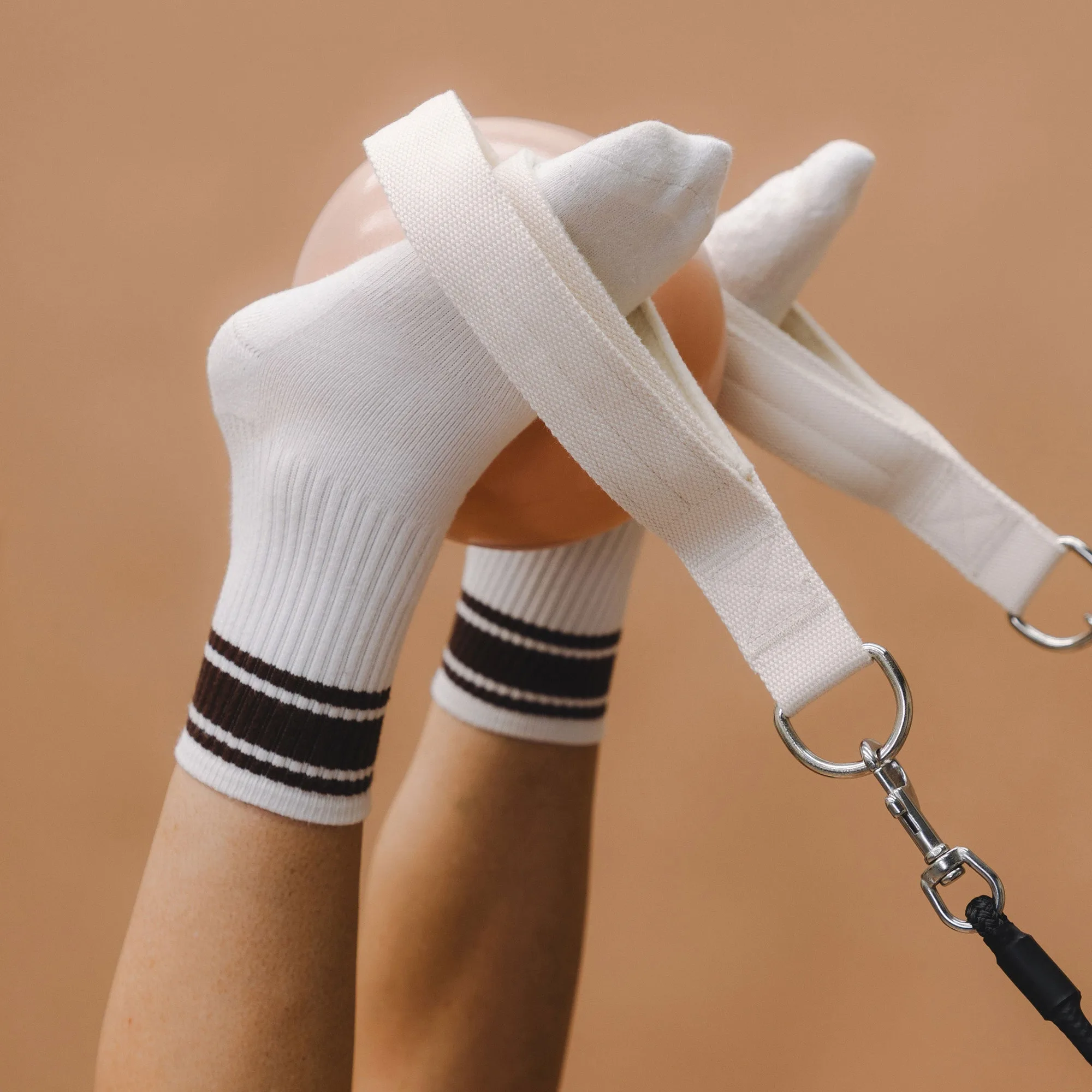
Even with a correct setup, how you use the handles matters. Avoid gripping the loops with a death grip—this tires your hands and can cause the rope to twist. Instead, let the loop rest in your palm or hook your foot securely without over-tightening. Never wrap the rope around your wrist or ankle; it can tighten suddenly and cut off circulation. When doing pilates loop handle exercises like rows or leg presses, keep the rope aligned with the pulley. If the rope rubs against the frame or your body, stop and reposition. For footwork, place the ball of your foot in the loop and keep your ankle neutral. For arm work, hold the loop with a relaxed grip and straight wrist. If you feel any slipping, check the loop size and your foot or hand placement before adding resistance.
Care and replacement schedule
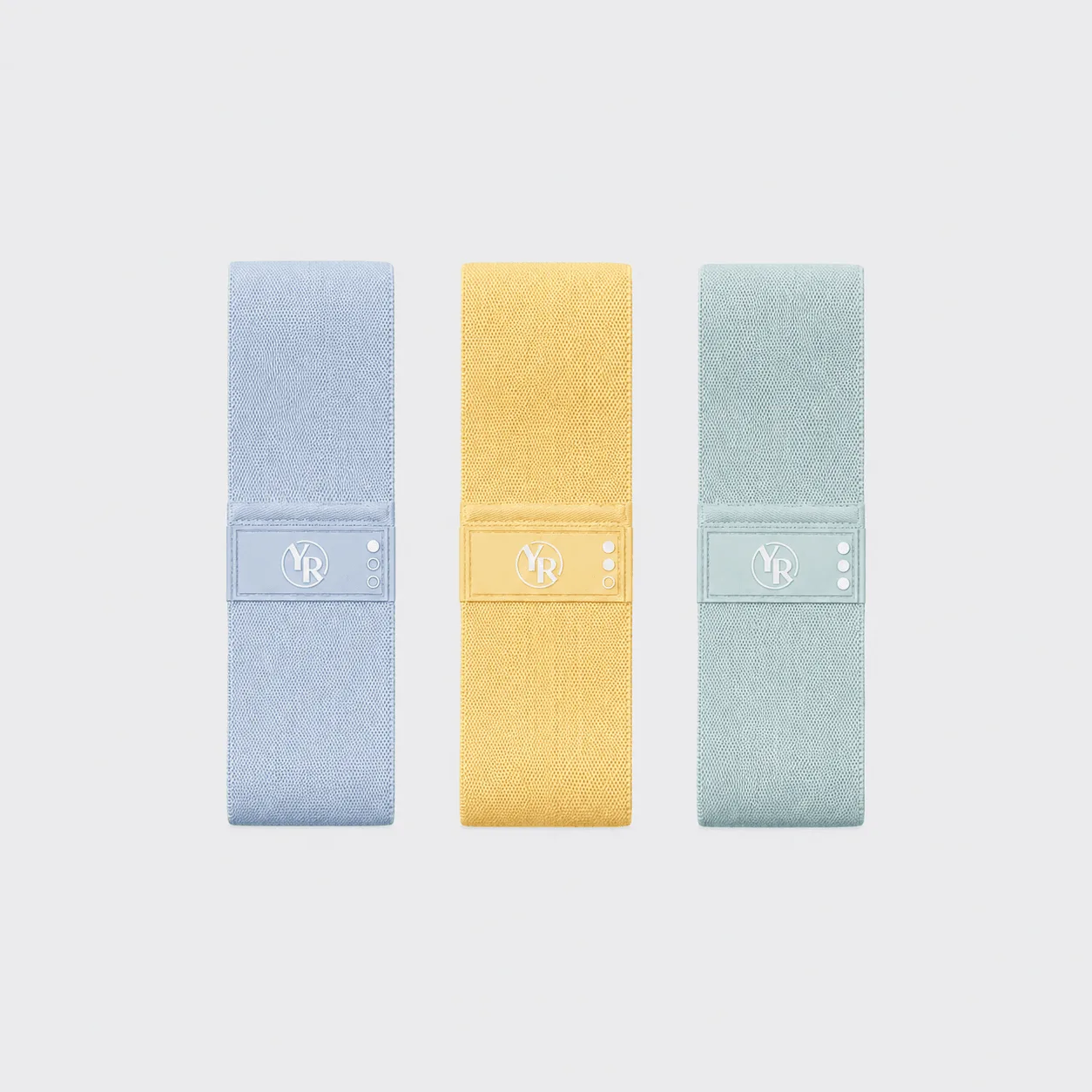
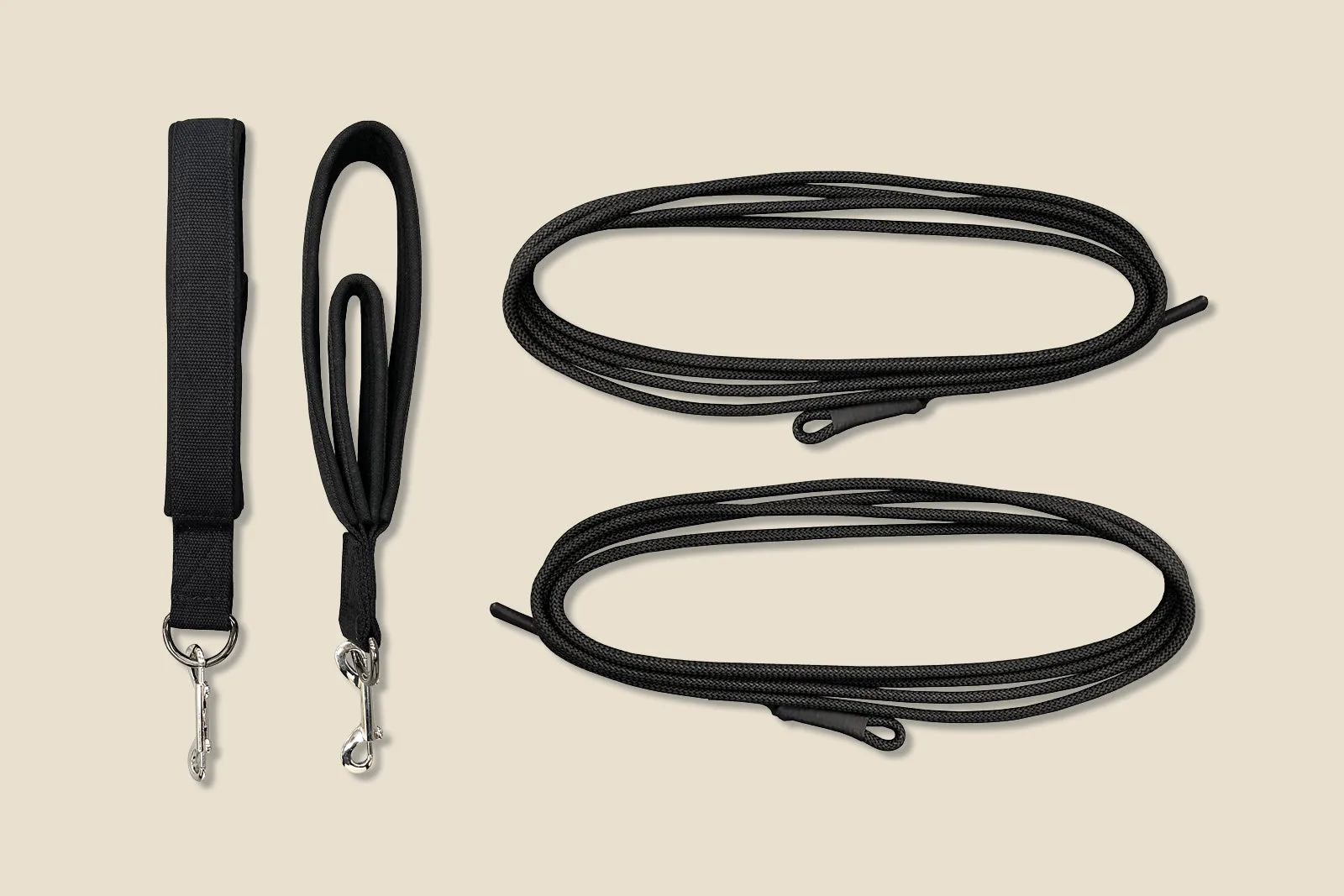
Your double loop handle and rope set will last longer with simple care. Wipe ropes with a damp cloth after sweaty sessions and let them air dry—never soak them. Store handles hanging or loosely coiled to prevent kinks. Inspect the set monthly for fraying, stiffness, or color fading. Replace the rope or handles when you see any of these signs, or at least every 6–12 months for frequent use. If you use your reformer daily in a studio, check weekly. A spare set on hand avoids downtime. For a practical replacement, consider the Double Loop Handle & Rope Set from Your Reformer USA, which includes one double loop handle with an attached rope for easy setup. If you only need new handles, the Double Loop Handle Set comes in Black, Mocha, and Ivory. For glute activation between reformer sessions, the Booty Bands Set offers versatile resistance and comes in six color options.
Safe setup steps at a glance
- Inspect before every use: Check ropes for fraying and handles for cracks. If damaged, replace immediately. Damaged gear is the most common cause of sudden breaks.
- Attach and equalize: Thread ropes through pulleys and adjust both sides to the same length using cleats or knots. Measure from handle to riser to confirm evenness.
- Test with a light pull: Pull each side gently to check for smooth movement and secure attachment. If you feel a catch, readjust before exercising.
- Re-check after first set: Ropes can settle during use. Pause and confirm both sides are still even. A quick mid-session check prevents strain.
- Store and maintain: Wipe ropes after use, air dry, and store loosely coiled. Replace every 6–12 months with frequent use. Proper care extends the life of your set.
Products that support a safe setup
- Double Loop Handle & Rope Set: Includes one double loop handle with an attached rope for easy setup. A complete replacement set means you can restore your reformer's rope system without ordering separate parts.
- Double Loop Handle Set: Available in three color options: Black, Mocha, and Ivory. You can match your existing reformer or studio aesthetic while replacing worn handles.
- Booty Bands Set: Set includes bands available in six color options: Beige, Mocha, Blush, Sage, Black & Grey, and Coastal. Use these bands for glute-focused warm-ups or rehabilitation routines when you are not using the reformer.