Metal splinters in the eye are a common hazard in workshops, construction sites, and even home DIY projects. When a tiny piece of metal lodges in the cornea or conjunctiva, it can cause pain, redness, and blurred vision. While seeking professional medical help is always recommended, an eye magnet can be a crucial first-aid tool to safely remove superficial metal fragments before they cause further damage.
In this step-by-step tutorial, we'll guide you through the proper use of an eye magnet, from preparation to aftercare. Whether you're a professional or a DIY enthusiast, understanding this technique can make a critical difference in an emergency.
Understanding the Eye Magnet
An eye magnet is a specialized medical device designed to remove ferrous metal particles from the surface of the eye. It typically consists of a magnetic tip attached to a handle, allowing precise control. The magnet's strength is calibrated to attract small metal fragments without causing damage to the delicate ocular tissues.
It's important to note that eye magnets are not for removing metal from inside the eye or for non-metallic foreign bodies. They are intended for superficial particles that are visible on the eye's surface. Always inspect the eye carefully before attempting removal.
- Ensure the magnet is clean and sterile before use.
- Check that the metal fragment is ferrous (magnetic) before attempting removal.
- Have a good light source and possibly magnification to see the particle clearly.
Step 1: Preparation and Safety
Before using the eye magnet, wash your hands thoroughly and put on sterile gloves if available. Sit or have the patient sit in a well-lit area. Tilt the head back slightly and gently pull down the lower eyelid to expose the eye's surface. If the particle is on the upper eyelid, you may need to evert the eyelid with a cotton swab.
Never attempt to remove a particle that is embedded in the eye or if there is any sign of penetration. In such cases, cover the eye with a sterile dressing and seek emergency medical attention immediately.
- Use a penlight or flashlight to illuminate the eye.
- Have a mirror available if you are performing the procedure on yourself.
- If the particle is not easily visible, do not proceed; seek medical help.
Step 2: Positioning the Magnet
Hold the eye magnet like a pen, with your dominant hand. Bring the magnet tip close to the eye, but do not touch the cornea directly. The magnetic field will attract the metal fragment. Move the magnet slowly toward the particle, allowing the magnetic force to pull it away from the eye's surface.
If the particle is on the white of the eye (sclera), you can gently touch the magnet to the particle. However, if it is on the cornea, keep the magnet slightly above to avoid scratching the cornea.
- Keep your hand steady to avoid accidental contact with the eye.
- Use a magnifying glass if needed to see the particle clearly.
- If the particle does not move with the magnet, do not force it.
Step 3: Removing the Particle
Once the magnet makes contact with the particle, lift it straight away from the eye. Do not drag the magnet across the eye's surface, as this can cause scratches. After removal, inspect the eye to ensure no residual metal remains.
If the particle is not removed on the first attempt, you can try again, but do not make more than two or three attempts. Repeated attempts may cause irritation. If you are unsuccessful, cover the eye and seek professional help.
- Check the magnet tip to confirm the particle is attached.
- Rinse the eye with sterile saline solution after removal.
- If the eye becomes red or painful, consult a doctor.
Step 4: Aftercare and When to Seek Help
After successful removal, rinse the eye with sterile saline or artificial tears to soothe any irritation. Apply a cold compress if there is swelling. Monitor the eye for signs of infection, such as increased pain, redness, or discharge.
Even if the particle is removed, it's advisable to see an eye care professional to ensure no damage has occurred. If you experience vision changes, persistent pain, or if the particle was embedded, seek immediate medical attention.
- Do not rub the eye after removal.
- Use antibiotic eye drops if prescribed by a doctor.
- If symptoms persist, visit an eye specialist.
Using an eye magnet correctly can be a lifesaver in emergency situations. Remember to stay calm, follow these steps, and never hesitate to seek professional medical help when needed. For reliable first-aid supplies, consider adding an eye magnet to your kit, such as the Eye Magnet - Pack of 10, which is perfect for industrial and medical applications.
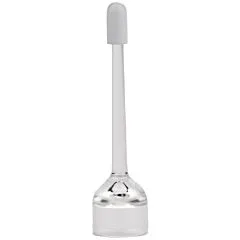
Eye Magnet - Pack of 10