A good face primer is the secret behind flawless, long-lasting makeup. It creates a smooth canvas, minimizes pores, and helps your foundation stay put from morning to night. But applying primer isn't just about slathering it on—there's a technique to it. In this guide, we'll walk you through everything you need to know about using face primer effectively, including tips for different skin types and common mistakes to avoid.
Whether you're a makeup novice or a seasoned pro, mastering primer application can elevate your makeup game. Let's dive into the essentials and ensure your makeup looks fresh and flawless all day.
What Does a Face Primer Do?
Face primer is a base product applied after moisturizer and before foundation. Its primary role is to smooth the skin's surface, fill in fine lines and pores, and provide a grippy base for makeup to adhere to. This results in a more even application and helps your foundation last longer without creasing or fading.
Primers also come in various formulations to address specific concerns: some mattify oily skin, others hydrate dry skin, and some add a luminous glow. By choosing the right primer for your skin type, you can enhance your makeup's performance and achieve a professional finish.
- Creates a smooth base for foundation
- Minimizes the appearance of pores and fine lines
- Helps makeup last longer
- Can address skin concerns like oiliness or dryness
How to Apply Face Primer: Step-by-Step
Start with a clean, moisturized face. Primer works best on hydrated skin, so ensure your moisturizer has fully absorbed before moving on. If you use skincare serums or oils, wait a few minutes for them to sink in.
Squeeze a pea-sized amount of primer onto your fingertips. A little goes a long way—using too much can make your makeup slide off. Warm the product between your fingers for a few seconds to help it spread evenly.
Apply the primer to the center of your face and blend outward. Focus on areas where you need the most help, such as the T-zone (forehead, nose, and chin) if you're oily, or the cheeks if you're dry. Use gentle pressing or sweeping motions to work the primer into the skin.
Allow the primer to set for one to two minutes before applying foundation. This gives it time to form an even, tacky layer that will grip your makeup.
- Use a pea-sized amount to avoid excess
- Warm the primer between fingers for easier application
- Focus on areas with large pores or fine lines
- Wait for the primer to set before applying foundation
Choosing the Right Primer for Your Skin Type
Oily skin benefits from a mattifying primer that controls shine and blurs pores. Look for ingredients like salicylic acid or clay. Dry skin needs a hydrating primer with hyaluronic acid or glycerin to plump the skin and prevent flakiness. Combination skin can use a balancing primer or apply different primers to different zones—a mattifying one on the T-zone and a hydrating one on the cheeks.
For sensitive skin, opt for a fragrance-free, gentle primer with soothing ingredients like aloe vera. If you're unsure where to start, a versatile option like the 2 in 1 Vegan Clay Mask can double as a primer for oily and acne-prone skin, offering a smooth matte finish while purifying pores.
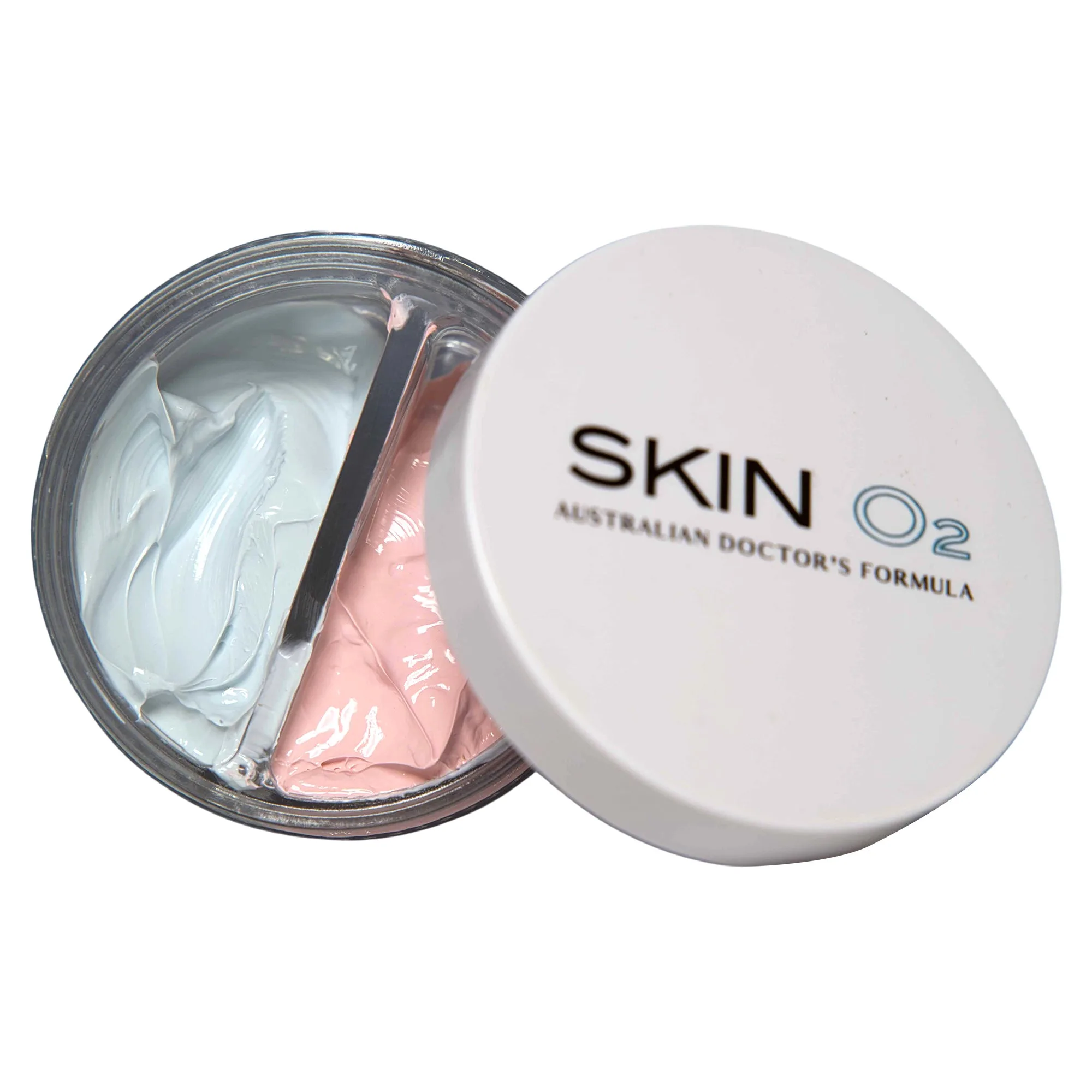
2 in 1 Vegan Clay Mask
- Oily skin: mattifying primers with clay or salicylic acid
- Dry skin: hydrating primers with hyaluronic acid
- Sensitive skin: fragrance-free, soothing formulas
- Combination skin: use different primers on different areas
Common Primer Mistakes to Avoid
One of the biggest mistakes is applying primer on top of makeup or using too much product. This can cause your foundation to pill or slide. Another error is skipping sunscreen—primer is not a substitute for SPF. Always apply sunscreen before primer if you're heading outdoors.
Also, don't forget to clean your brushes and hands before applying primer. Dirty tools can transfer bacteria and cause breakouts. If you're using a facial cleansing brush, ensure it's clean for your skincare routine to maintain healthy skin.
- Don't use too much primer
- Always apply sunscreen before primer
- Clean your hands and tools before application
- Don't skip moisturizer—primer is not a moisturizer
Primer and Makeup: Perfect Pairing
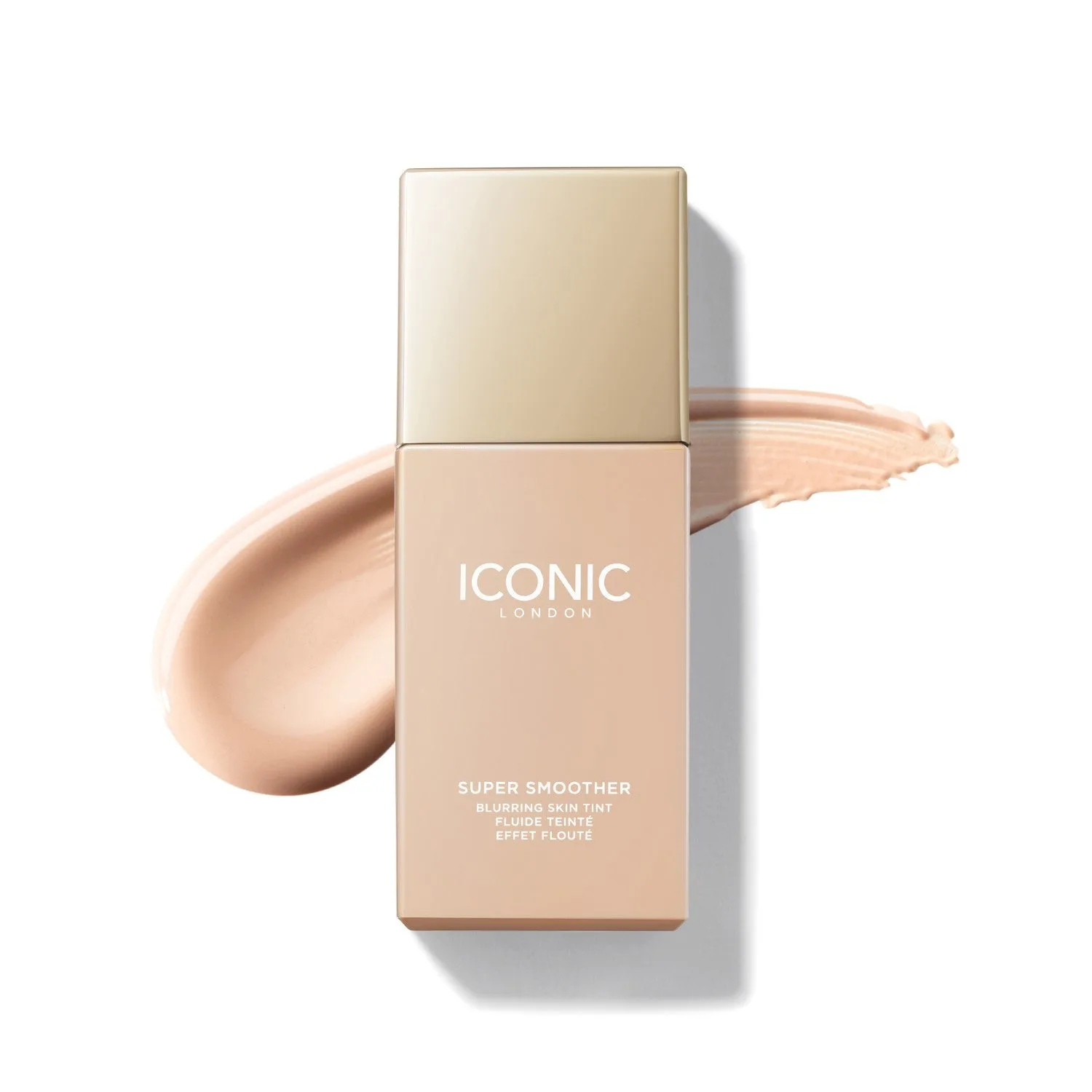
Primer works synergistically with your other makeup products. For a flawless base, pair your primer with a foundation that matches your skin type. If you're using a BB cream or tinted moisturizer, a lighter primer may be sufficient.
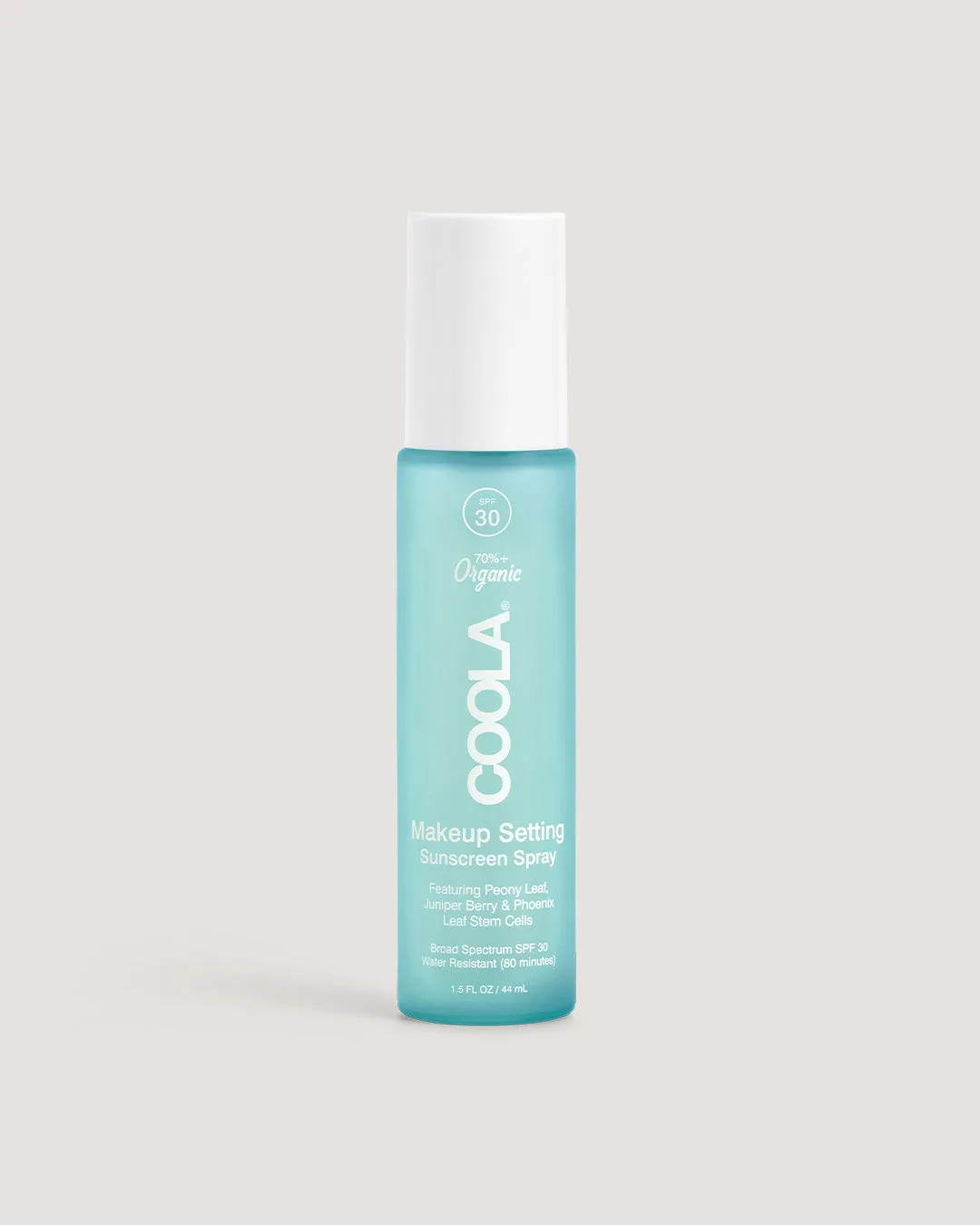
To complete your look, consider using a setting spray or powder to lock everything in place. For a soft-focus effect, a primer with a luminous finish can give your skin a healthy glow. And if you're looking for a quick touch-up during the day, a hydrating mist can revive your makeup without disturbing it.
- Match your primer to your foundation type
- Use a setting spray for extra longevity
- Luminous primers add a glow to dull skin
- Touch up with a mist to refresh makeup
Mastering the art of applying face primer is a game-changer for your makeup routine. By following these steps and choosing the right product for your skin type, you'll enjoy a smooth, long-lasting finish that looks professional. Explore our range of primers and skincare essentials to find your perfect match, and remember—a great makeup day starts with a great base.