Facial brushes have become a staple in modern skincare routines, promising a deeper clean than hands alone. But using them incorrectly can lead to irritation, redness, or even micro-tears in the skin. Whether you're new to cleansing brushes or looking to refine your technique, this guide will walk you through the proper steps for both facial cleanser brushes and mask brushes.
From selecting the right brush head to mastering the perfect pressure, we'll cover everything you need to know. Plus, we'll share tips on how to incorporate these tools into your routine without over-exfoliating. By the end, you'll feel confident using a facial brush to achieve a glowing, healthy complexion.
Why Use a Facial Cleanser Brush?
A facial cleanser brush offers several benefits over manual cleansing. The bristles help to dislodge dirt, oil, and makeup from pores more effectively than fingertips alone. They also provide gentle exfoliation, which can improve skin texture and promote cell turnover. For those with acne-prone skin, a brush can help keep breakouts at bay by ensuring a thorough cleanse.
However, not all brushes are created equal. Some feature soft synthetic bristles, while others use silicone nubs. The key is to choose one that suits your skin type. If you have sensitive skin, opt for a brush with ultra-soft bristles or a silicone head. For normal to oily skin, a medium-soft brush works well. Remember, the goal is to cleanse, not scrub your skin raw.
- Look for a brush with adjustable speed settings to control intensity.
- Always start with a clean brush head to avoid spreading bacteria.
- If you have active acne, consult a dermatologist before using a brush.
Step-by-Step: How to Use a Facial Cleanser Brush
Start by wetting your face with lukewarm water. Apply your favorite cleanser to your face or directly onto the brush head. Gently move the brush in circular motions, starting from your forehead and moving down to your nose and cheeks. Avoid the delicate eye area. Spend about 30 seconds on your entire face, then rinse thoroughly with water.
After cleansing, pat your skin dry with a clean towel. Follow up with a toner, serum, and moisturizer to lock in hydration. It's best to use a cleansing brush once a day, preferably in the evening, to remove the day's buildup. Overuse can strip your skin of natural oils, leading to dryness and irritation.
- Use a gentle, non-abrasive cleanser to avoid irritation.
- Don't press the brush too hard against your skin; let the bristles do the work.
- Clean your brush head after every use to prevent bacterial growth.
How to Use a Mask Brush for Even Application
Mask brushes are designed to apply face masks evenly and hygienically. They prevent the mess of using your hands and ensure that the product is spread uniformly across your skin. To use, scoop a small amount of mask onto the brush and apply in upward, sweeping motions. Start from the center of your face and work outward, avoiding the eye and lip areas.
Using a mask brush also helps to minimize product waste and keeps your hands clean. After applying the mask, leave it on for the recommended time, then rinse off with warm water. Clean your mask brush immediately after use with soap and water to keep it in good condition.
- Choose a brush with dense, soft bristles for smooth application.
- For clay masks, use a brush with firmer bristles to spread the product easily.
- Rinse the brush thoroughly to prevent mask residue from hardening on the bristles.
Cleaning and Caring for Your Brushes
Proper brush hygiene is essential to prevent breakouts and skin irritation. Clean your facial cleanser brush head after each use with a gentle soap or a dedicated brush cleanser. Rinse well and let it air dry. For mask brushes, wash them immediately after use to prevent the mask from drying and clogging the bristles.
Deep clean your brushes once a week using a mixture of mild shampoo and warm water. Swirl the bristles in the solution, rinse, and lay flat to dry. Avoid soaking the brush handle in water, as this can damage the adhesive. Replace brush heads every three to four months or as recommended by the manufacturer.
- Store brushes in a clean, dry place to prevent mold growth.
- Never share your brushes with others to avoid cross-contamination.
- If you have sensitive skin, consider using a silicone brush head that's easier to clean.
Incorporating Brushes into Your Skincare Routine
If you're new to facial brushes, start by using them a few times a week to allow your skin to adjust. Gradually increase frequency as your skin becomes accustomed. Always listen to your skin – if it feels tight or looks red, reduce usage and focus on hydration.
For a complete deep-clean experience, pair your cleansing brush with a gentle exfoliating cleanser like the Micro Scrub Exfoliator 8%. This product combines physical and chemical exfoliation for a smoother complexion. After cleansing, apply a hydrating serum and moisturizer to replenish your skin's barrier.
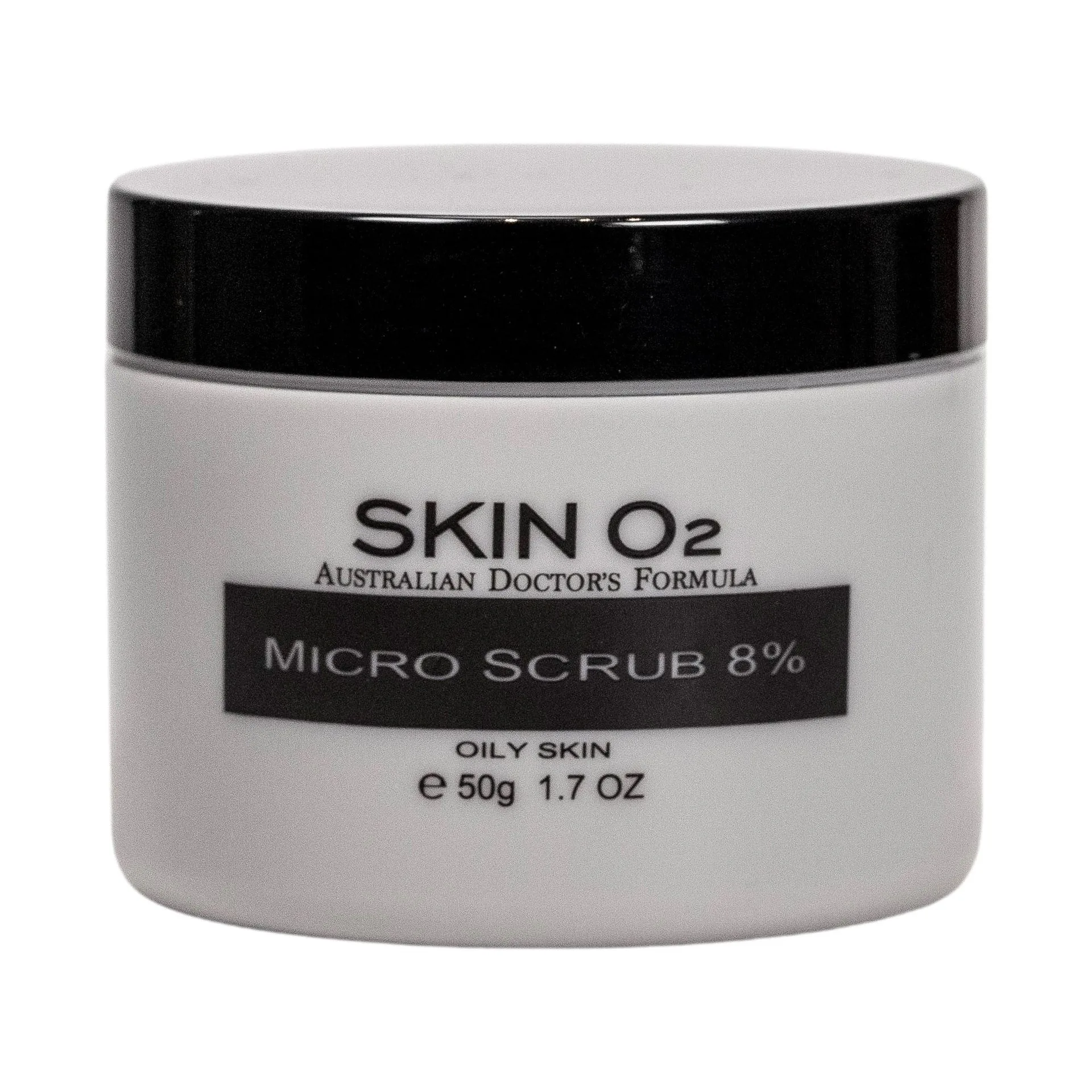
Micro Scrub Exfoliator 8%
- Use a brush in the evening to remove sunscreen and makeup thoroughly.
- Avoid using a brush on sunburned or broken skin.
- If you have a device like the LED + RF Wrinkle Eraser Pen, use it after cleansing for enhanced results.
Mastering the use of a facial cleanser and mask brush can transform your skincare routine, providing a deeper clean and more effective treatments. Remember to choose the right brush for your skin type, use gentle pressure, and keep your tools clean. With consistent use, you'll enjoy clearer, smoother, and more radiant skin. Explore our collection of skincare tools and accessories, including the Derma Roller Cleaning Spray to keep your tools in top condition, and find the perfect addition to your routine.
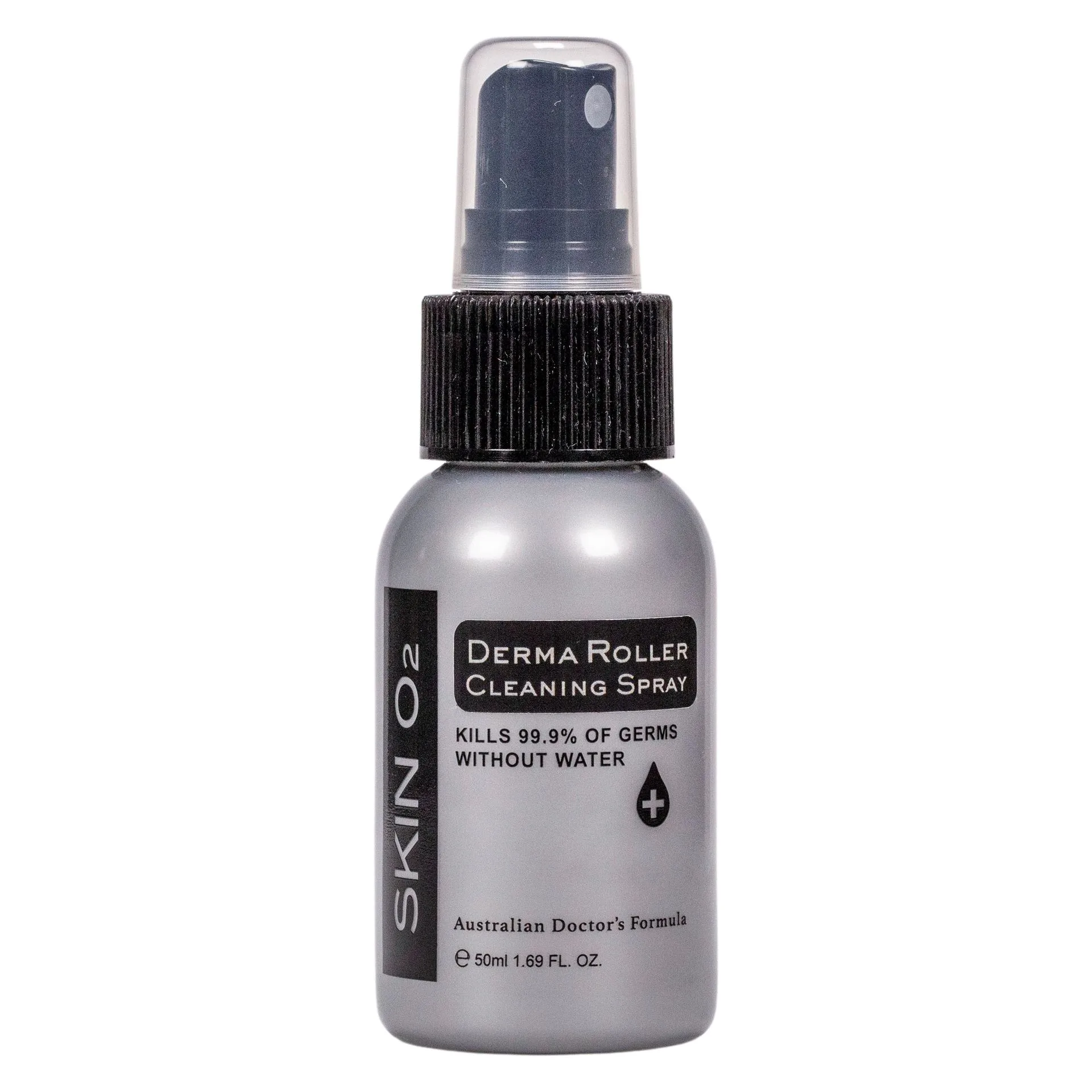
Derma Roller Cleaning Spray