Why GAIL's Cookbook Works for Weekly Planning
GAIL's Cookbook is structured around the day—from breakfast to supper—making it a natural fit for weekly meal planning. Instead of flipping through scattered recipes, you can pick one or two dishes from each section to build a balanced menu. The recipes focus on honest ingredients, which often means fewer specialty items and more flexibility to use what you already have.
How to Pick Recipes for the Week
Start by scanning the breakfast, lunch, and supper sections. Choose one recipe from each for the first few days, then repeat or swap as the week goes on. If you are planning to bake, look for baking recipes that keep well—like loaf cakes or buns—so you can prepare them early in the week and enjoy them later. The cookbook's abundance of recipes means you can vary flavors without needing a new cookbook for every meal.
What the Cookbook Confirms
-
GAIL's Cookbook: Our cookbook takes you through the day—from breakfast to supper—with an abundance of recipes made from honest ingredients. This structure directly supports weekly planning: you can build a day's menu from one book and repeat the process across the week. The honest ingredients hint that most recipes rely on pantry staples, reducing last-minute shopping trips.
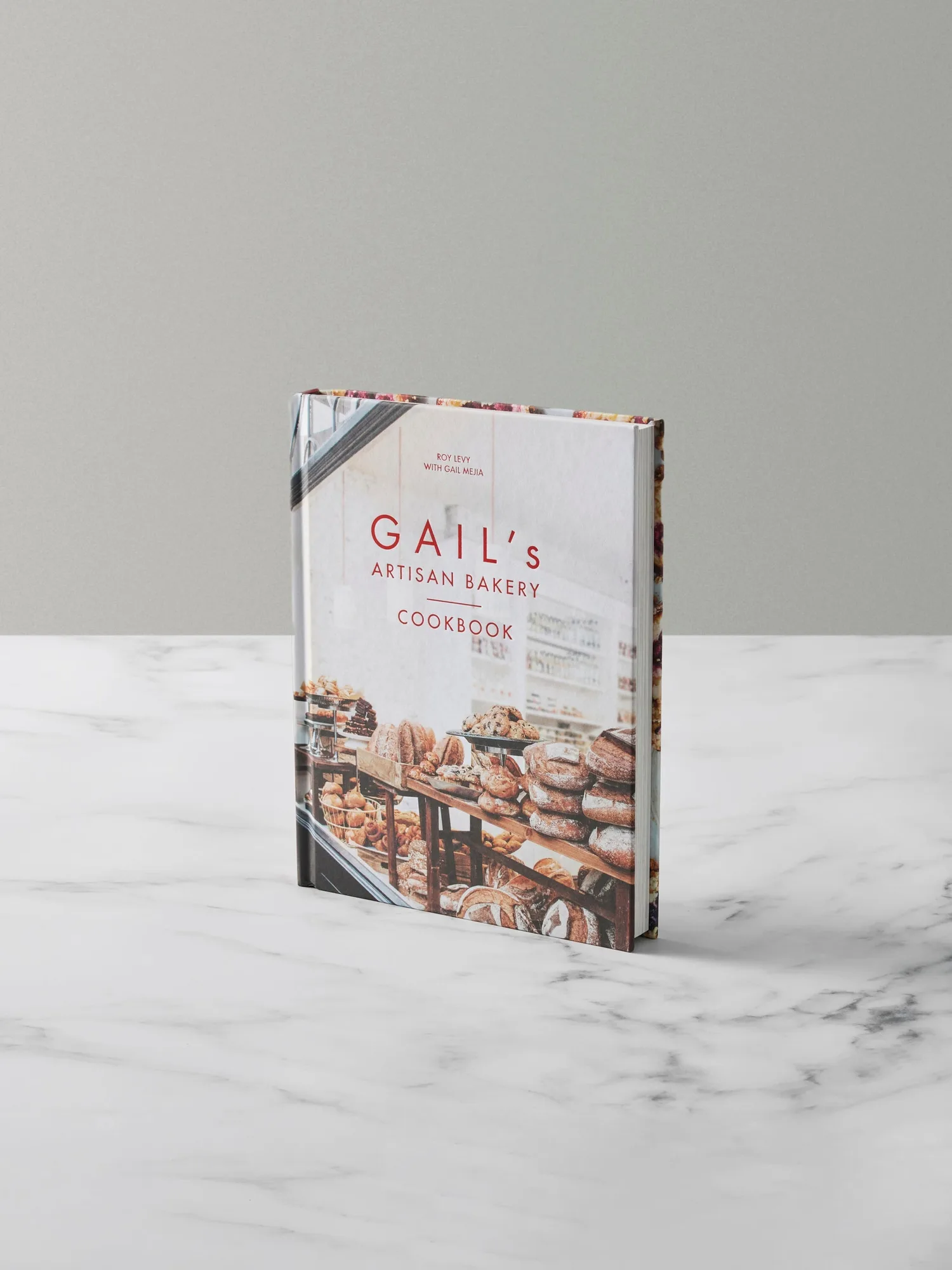
GAIL's Cookbook
A Simple Weekly Planning Routine
- 1. Browse the sections: Flip through the breakfast, lunch, and supper parts of GAIL's Cookbook. Note three to five recipes that catch your eye, especially ones that share ingredients (like eggs or flour) to reduce waste.
- 2. Map them to your week: Assign each recipe to a specific day or meal slot. For example, a frittata from the breakfast section for Monday morning, a salad from lunch for Tuesday, and a braise from supper for Wednesday. Adjust based on your schedule—save quicker recipes for busy nights.
- 3. Check your pantry: Review the ingredient list for each chosen recipe. Honest ingredients often mean basic items like onions, carrots, or canned tomatoes. Note what you need to buy and what you already have.
- 4. Prep in batches: If a recipe calls for chopping vegetables or measuring dry ingredients, do it all at once after shopping. For baking recipes, consider mixing dry ingredients ahead and storing them in a jar.
- 5. Cook and enjoy: Follow the recipe as written. Because the cookbook is organized by time of day, you can easily find the page again when you need it. Repeat the process weekly, swapping in new recipes from the same book.
Making Baking Recipes Part of Your Plan
Baking recipes from GAIL's Cookbook can serve as breakfast treats, snacks, or desserts throughout the week. If you are new to baking, start with a simple loaf or bun recipe that doesn't require special equipment. The cookbook's honest ingredients approach means you likely have the flour, sugar, and butter on hand. Bake a batch on Sunday and portion it out for the days ahead.
What the Records Don't Settle
The cookbook's catalog entry does not specify exact prep times, serving sizes, or dietary labels (like vegetarian or gluten-free). When planning your week, you may need to estimate how long each recipe takes based on your own pace. If you have specific dietary needs, check the ingredient list yourself rather than assuming from the book's description.