Quick answer
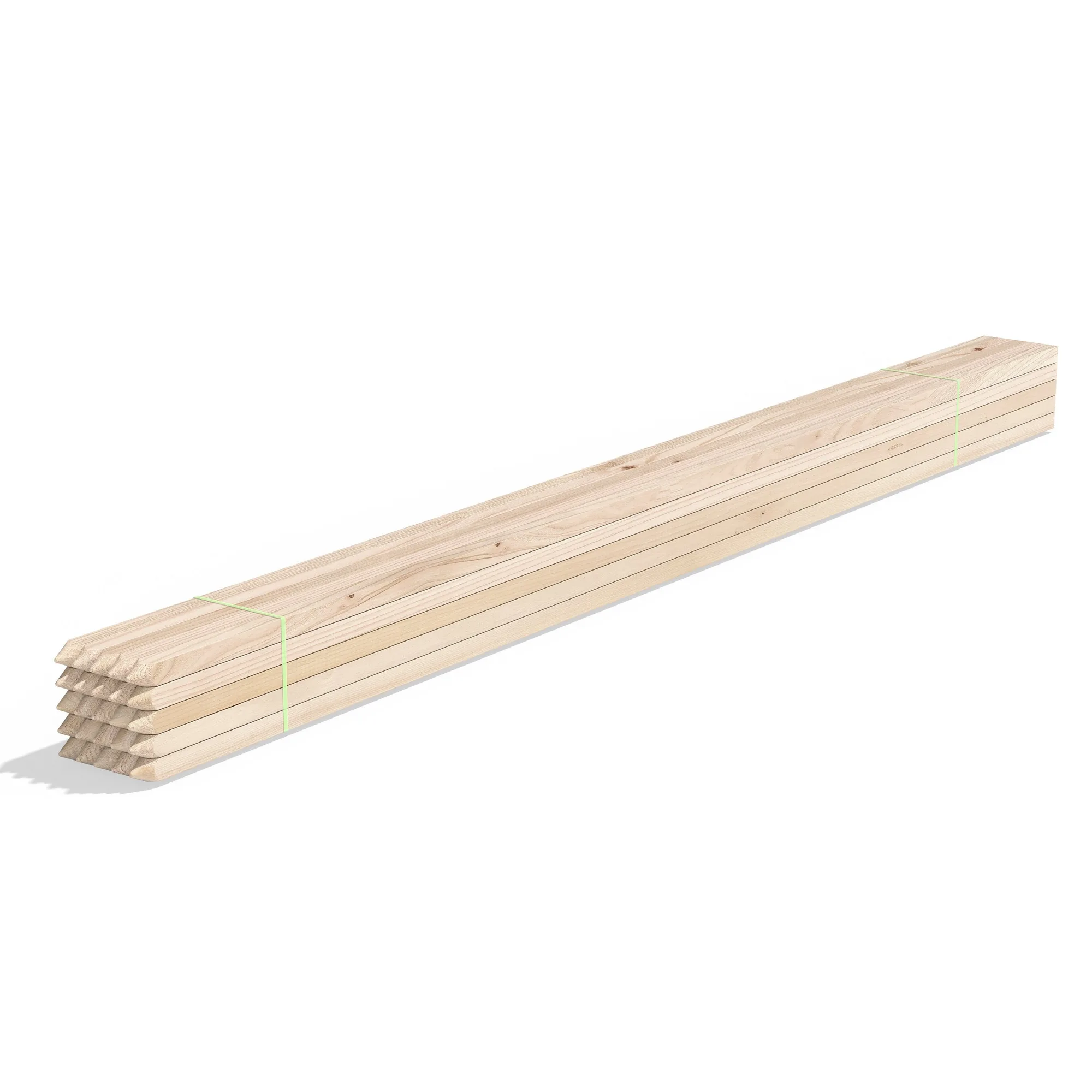
Use untreated wooden garden stakes with a pointed end for easy installation. Drive the stake 6–8 inches into the soil near the plant base, then loosely tie the stem to the stake as it grows.
Why untreated wood matters for vegetable support
Untreated wooden stakes are safe for edible gardens because they do not leach chemicals into the soil. Greenes Fence wooden garden stakes are made from untreated wood, so they are a natural choice for supporting vegetables like tomatoes, peppers, and beans.
The pointed end on each stake makes installation easier and reduces root disturbance when you push it into the ground.
Choosing the right stake height
Stake height depends on the mature size of your plant. For determinate tomatoes and peppers, a 3 ft stake is usually enough. Indeterminate tomatoes and tall flowering vines benefit from a 4 ft or 5 ft stake.
Greenes Fence offers wooden garden stakes in 3 ft, 4 ft, and 5 ft lengths, all 3/4 inch square. The 3 ft stake is a good starting point for most vegetables, while the 5 ft stake suits taller plants that need extra support.
Step-by-step guide to staking vegetables
- 1. Position the stake before planting or early in the season: Place the stake 2–3 inches from the plant stem on the side opposite the prevailing wind. Push the pointed end into the soil until the stake feels firm. For most vegetables, 6–8 inches of the stake should be underground. Avoid driving the stake directly through the root ball; offset it slightly to prevent root damage.
- 2. Tie the stem loosely to the stake: Use soft garden twine or plant tape to form a figure-eight loop around the stem and the stake. The figure-eight prevents the stem from rubbing against the wood and allows room for growth. Tie the knot on the stake, not on the plant. Do not use wire or tight zip ties — they can cut into the stem as the plant grows.
- 3. Add ties every 8–12 inches as the plant grows: Check your plants weekly during rapid growth. Add a new tie below each new branching point. For tomatoes, also prune suckers to keep the main stem supported by the stake. If a tie feels tight against the stem, loosen it or replace it with a larger loop to avoid girdling.
- 4. Remove stakes at the end of the season: Pull the stakes from the soil after the plants have been removed. Brush off excess dirt and store them in a dry place. Untreated wooden stakes can last several seasons if kept dry between uses. Do not leave wooden stakes in the ground over winter — moisture can cause them to rot or split.
Product facts
-
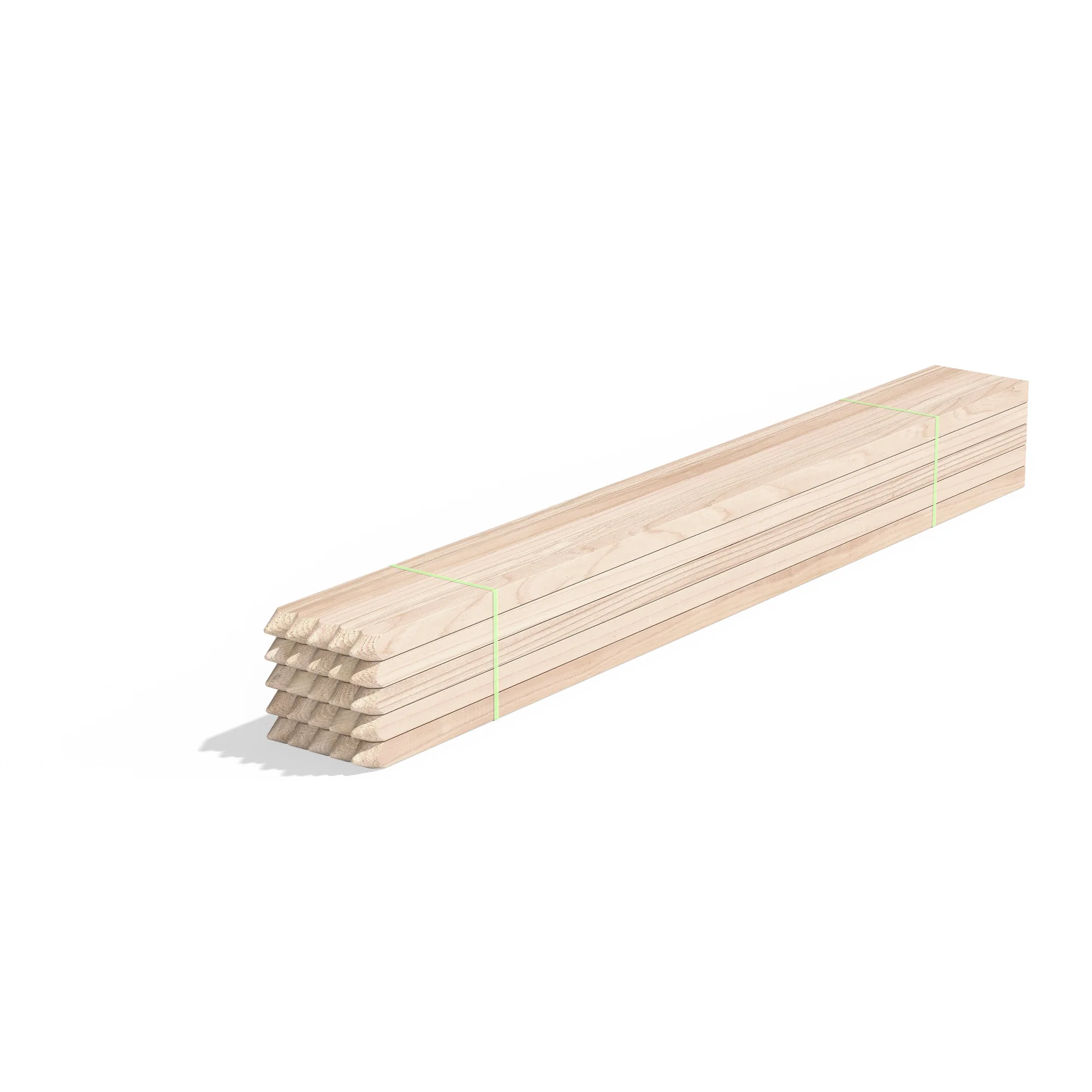
Wooden Garden Stake 3 ft RC83N: Greenes 3 ft wooden garden stake is made from untreated wood and has a pointed end for easy installation. It is safe for edible gardens and installs quickly without tools, making it ideal for supporting vegetables and flowering vines.
Wooden Garden Stake 3 ft RC83N
-
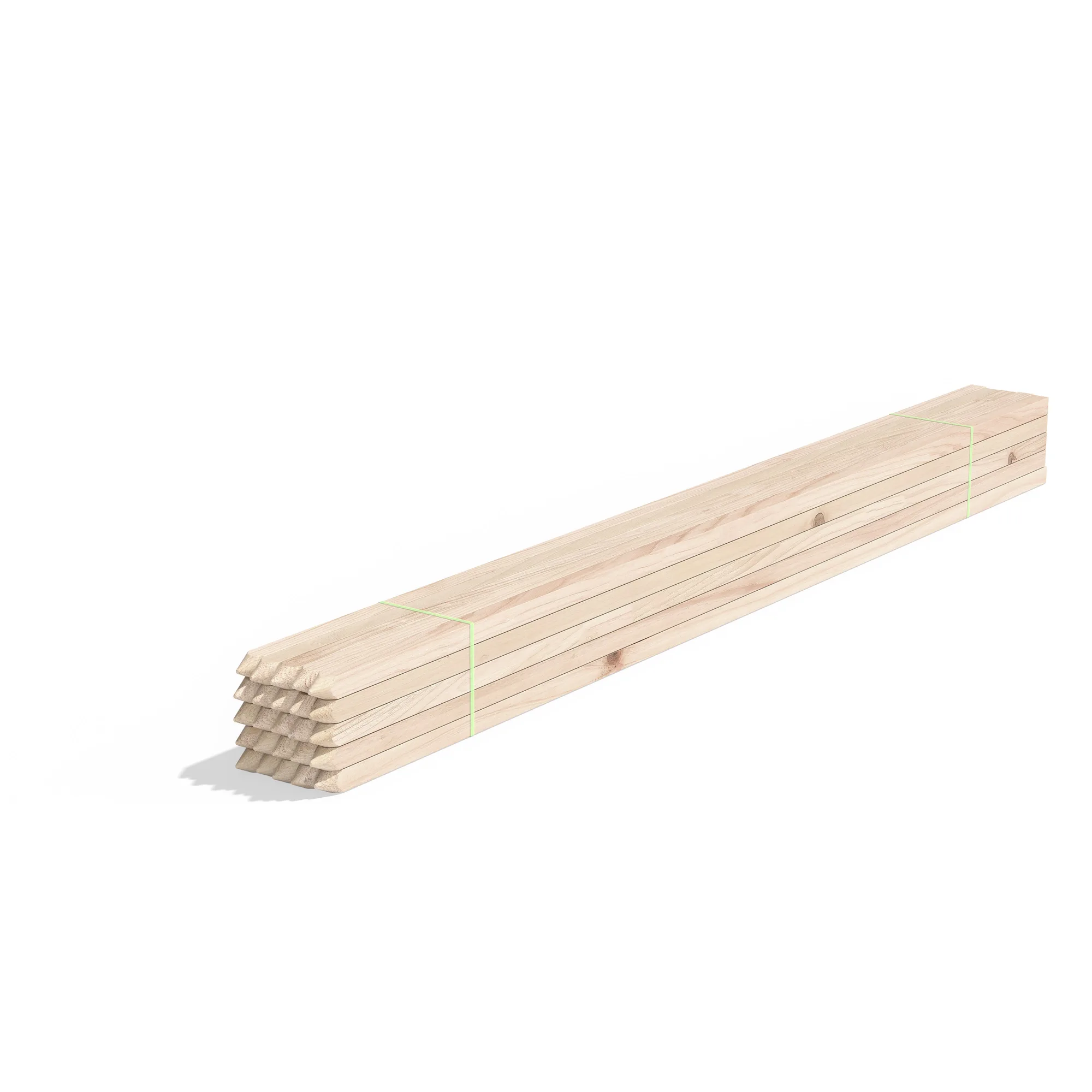
Wooden Garden Stake 4 ft RC84N: Greenes 4 ft wooden garden stake is untreated, with a pointed end that pushes into the ground with ease. The extra height provides stable support for medium-tall plants like indeterminate tomatoes or climbing beans.
Wooden Garden Stake 4 ft RC84N
-
Wooden Garden Stake 5 ft RC85N: Greenes 5 ft wooden garden stake is designed for tall plants and has a pointed end for simple ground insertion. It gives tall vegetables and flowering vines the vertical support they need without chemical treatments.