Quick Answer
To use a gentle buffing cream, start with a clean face, apply a small amount to damp skin, massage in circular motions for 30 seconds, then rinse thoroughly. Use it 2-3 times a week to reveal smoother, more radiant skin without over-exfoliating.
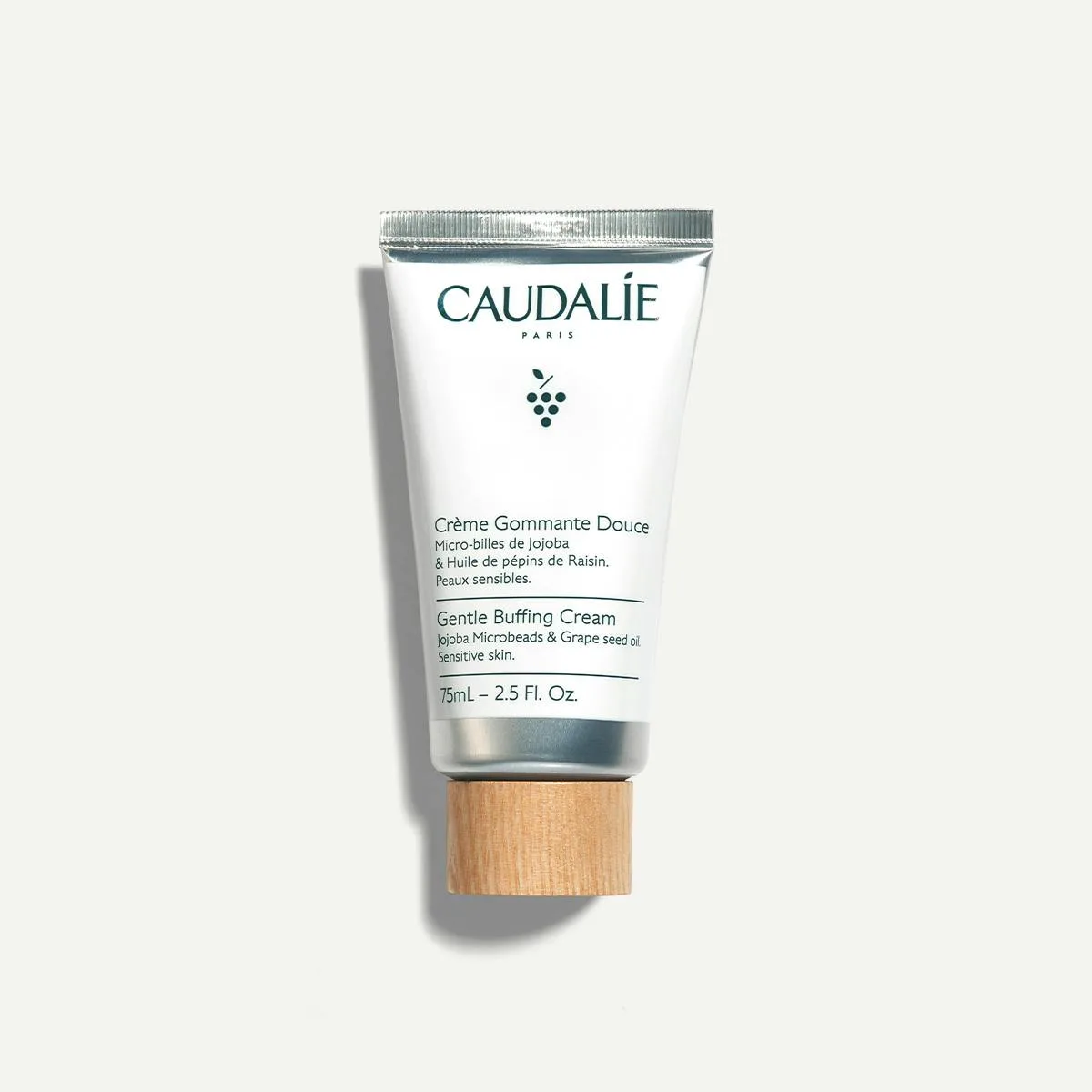
gentle buffing cream
Exfoliating is a key step in any skincare routine, but it's easy to get wrong. A gentle buffing cream offers a physical way to slough off dead skin cells, revealing a smoother, brighter complexion. Unlike harsh scrubs, a well-formulated buffing cream uses fine particles that polish without causing micro-tears.
In this guide, we'll walk you through the correct steps to use a gentle buffing cream, highlight common pitfalls, and explain how to incorporate it into your routine for the best results.
Why Choose a Gentle Buffing Cream?
A gentle buffing cream is a type of physical exfoliant that manually removes dead skin cells from the surface. It's a good option for those who prefer a tactile approach to exfoliation or have skin that doesn't tolerate chemical exfoliants like AHAs or BHAs. The key is in the word 'gentle'—the particles should be fine and smooth, not rough or jagged.
Using a buffing cream can help improve skin texture, boost circulation, and allow your other skincare products to penetrate more deeply. However, it's not suitable for everyone. If you have active acne, rosacea, or very sensitive skin, you may want to avoid physical exfoliants altogether. Always patch test a new product before applying it to your entire face.
- Look for a buffing cream with fine, uniform particles like jojoba beads or rice powder.
- Avoid products with crushed nutshells or large irregular particles that can cause micro-tears.
- If you're also using retinoids or acids, reduce the frequency of buffing to avoid over-exfoliation.
How to Buff Your Skin: Step-by-Step
The right technique makes all the difference. Start with a clean face—remove makeup and cleanse as usual. Dampen your skin with lukewarm water; this helps the buffing cream glide smoothly and reduces friction. Squeeze a pea-sized amount of cream onto your fingertips.
Apply the cream to your face, avoiding the eye area. Using gentle circular motions, massage the product into your skin for about 30 seconds. Do not press hard; let the particles do the work. Rinse thoroughly with lukewarm water and pat dry. Follow with a hydrating moisturizer to lock in moisture.
- Always use gentle pressure—if it feels abrasive, you're pressing too hard.
- Never buff for more than 30 seconds to avoid over-exfoliating.
- Rinse with lukewarm water; hot water can strip your skin's natural oils.
Common Mistakes to Avoid
One of the most common mistakes is using a buffing cream too often. Over-exfoliating can damage your skin barrier, leading to redness, irritation, and increased sensitivity. Start with once a week and gradually increase to 2-3 times a week if your skin tolerates it.
Another mistake is buffing on dry skin. This creates too much friction and can cause micro-tears. Always apply to damp skin. Also, avoid combining buffing with other strong exfoliants on the same day—your skin needs time to recover. Listen to your skin: if it feels tight or looks irritated, cut back.
- Don't use a buffing cream on broken or sunburned skin.
- If you have active breakouts, skip the buffing cream on those areas.
- Always apply sunscreen during the day, as exfoliating can make your skin more sensitive to the sun.
Your Step-by-Step Buffing Routine
- Step 1: Cleanse Your Face: Start with a clean canvas. Use a gentle cleanser to remove dirt, oil, and makeup. Pat your skin dry with a soft towel. Cleansing ensures the buffing cream can work effectively without spreading impurities.
- Step 2: Dampen Your Skin: Splash your face with lukewarm water or use a damp cloth. Your skin should be damp, not soaking wet. Damp skin reduces friction and allows the cream to glide smoothly.
- Step 3: Apply a Small Amount: Squeeze a pea-sized amount of buffing cream onto your fingertips. You can always add more if needed. Using too much product can make it hard to control pressure and may waste product.
- Step 4: Massage Gently in Circles: Using light pressure, massage the cream onto your face in circular motions for about 30 seconds. Avoid the eye area. Remember: gentle pressure is key. If it feels abrasive, you're pressing too hard.
- Step 5: Rinse Thoroughly: Rinse with lukewarm water until all particles are removed. Pat your skin dry with a clean towel. Ensure no residue remains to prevent irritation.
- Step 6: Moisturize and Protect: Follow with a hydrating moisturizer to replenish your skin. In the morning, apply sunscreen. Exfoliating makes your skin more sensitive to the sun, so SPF is non-negotiable.
Products That Complement Your Buffing Routine
- Hand & Nail Cream: The VinotherapistTM Hand & Nail Repairing Cream soothes dry, cracked hands and strengthens brittle nails with shea butter and grape-seed oil. After buffing your face, your hands also deserve care. This cream keeps your hands smooth and nails strong, ensuring they're in good condition to apply your skincare gently.
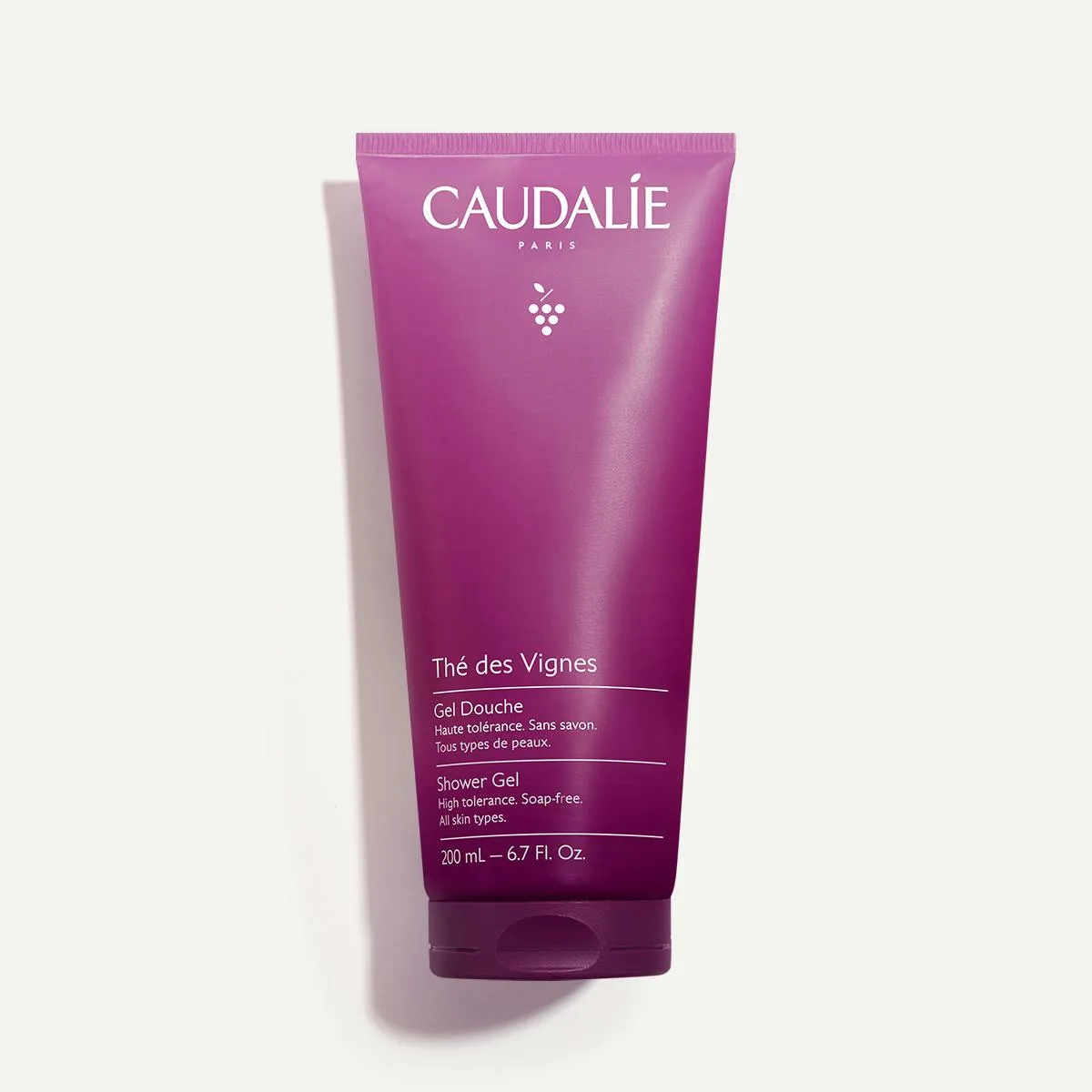
- Fleur de Vigne Shower Gel: The soap-free, high tolerance Fleur de Vigne Shower Gel gently cleanses and leaves the skin with a light fragrance. Using a gentle cleanser before buffing ensures your skin is clean and prepped without stripping it, making the buffing step more effective and less irritating.
- Oil-Control Moisturizer for Acne Prone Skin: This Oil-Control Moisturizer is part of the Vinopure collection, formulated to help manage shine and support a clearer complexion for oily or blemish-prone skin. After exfoliating, a lightweight, non-comedogenic moisturizer like this helps hydrate without clogging pores, maintaining a balanced, matte finish.
A gentle buffing cream can be a wonderful addition to your skincare routine when used correctly. By following these steps and listening to your skin, you'll enjoy a smoother, more radiant complexion without the risk of irritation. Remember to choose a product with fine particles, start slowly, and always moisturize afterward.