If you've ever noticed tiny black flies hovering around your houseplants, you're likely dealing with fungus gnats. These pests thrive in moist soil and can quickly become a nuisance, especially during cooler months when indoor air circulation slows down. While they don't usually harm mature plants, their larvae can damage young roots and stunt growth. That's where a gnat sticky trap comes in—a simple, chemical-free tool that helps break the gnat life cycle.
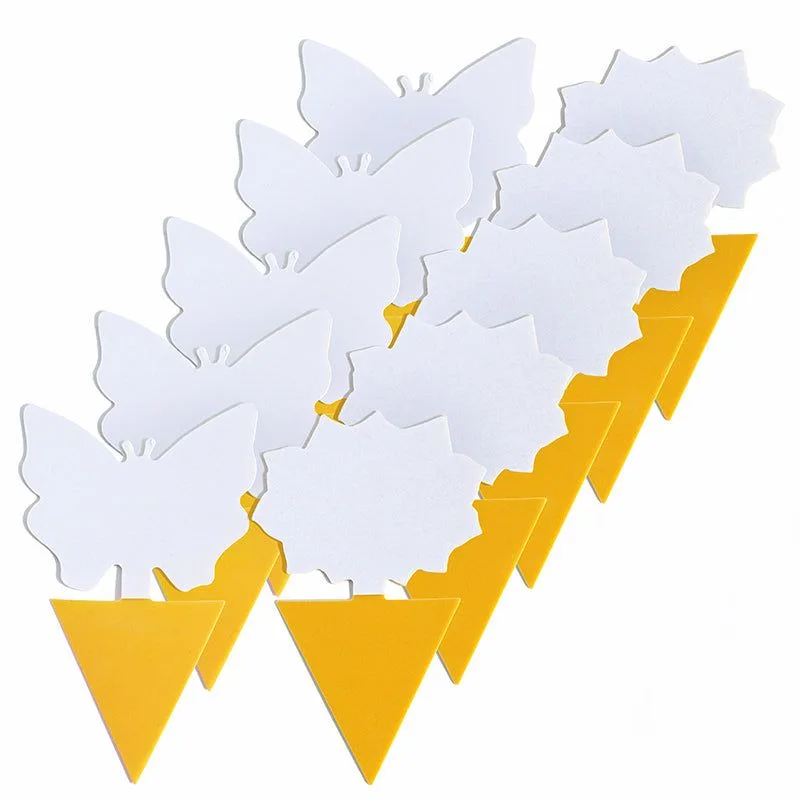
gnat sticky trap
But simply sticking a yellow card into the soil isn't always enough. To get the best results from sticky traps, you need to know where to place them, how many to use, and how to combine them with other natural gnat control methods. This guide walks you through everything from fungus gnat prevention to maximizing trap effectiveness, so you can keep your indoor garden healthy and pest-free.
Why Fungus Gnats Appear and How Sticky Traps Help
Fungus gnats are attracted to moist potting soil and organic matter. Overwatering is the most common cause, but poor drainage, old soil, and decaying leaves can also invite them. Adults lay eggs in the top inch of soil, and the larvae feed on fungi and plant roots. A gnat sticky trap works by luring adult gnats with bright yellow color and a sticky adhesive, preventing them from laying more eggs.
While sticky traps won't eliminate larvae in the soil, they are a key part of indoor plant pest control because they reduce the adult population. Fewer adults mean fewer eggs, which gives the soil a chance to dry out and disrupt the gnat life cycle. For best results, use traps alongside proper watering habits and soil treatments.
- Place traps near the base of affected plants, close to the soil surface where gnats fly.
- Replace traps every 2–4 weeks or when they become covered with insects.
Optimal Sticky Trap Placement for Maximum Effectiveness
Placement is the most critical factor in gnat trap effectiveness. Insert the trap stake into the pot so that the sticky surface is just above the soil line. Gnats tend to hover and crawl on the soil surface, so a trap positioned an inch or two above the soil catches them before they can lay eggs. Avoid placing traps near open windows or fans, as strong air currents can blow gnats away from the adhesive.
For larger plants or multiple pots, use one trap per plant or every other pot. If you have a plant shelf, you can also attach a trap to a wooden skewer and place it in a nearby pot. The goal is to create a barrier that intercepts gnats as they move between plants. Remember that sticky traps are a monitoring tool too—check them weekly to see if the gnat population is growing or declining.
- For tall plants, place the trap at mid-height to catch gnats flying up from the soil.
- If you have a Begonia Swaddle or other moisture-loving plant, check traps more often since those plants retain humidity.
Begonia Swaddle
Combining Sticky Traps with Natural Gnat Control Methods
Sticky traps work best as part of a broader houseplant pest management plan. Start by letting the top inch of soil dry out between waterings—this kills larvae that need moisture to survive. You can also add a layer of sand or fine gravel on top of the soil to prevent adults from reaching the surface to lay eggs. Another effective natural gnat control method is using a diluted hydrogen peroxide solution (1 part 3% hydrogen peroxide to 4 parts water) to drench the soil and kill larvae.
For persistent infestations, consider using beneficial nematodes or Bacillus thuringiensis israelensis (Bti) as a soil drench. These biological controls target larvae without harming your plants. Pairing these treatments with sticky traps gives you a two-pronged approach: traps stop adults, while soil treatments eliminate larvae. This combination is especially useful for collections with many plants, such as those displayed on a shelf styled with books like Wild at Home by Hilton Carter or Living With Plants by Sophie Lee.
- Avoid over-fertilizing—excess nitrogen in the soil attracts gnats.
- Quarantine new plants for two weeks and place a sticky trap in their pot to catch any hidden gnats.
Common Mistakes That Reduce Gnat Trap Effectiveness
One common mistake is placing traps too high above the soil, where gnats rarely fly. Another is using only one trap for a large collection—gnats can travel several feet, so multiple traps create a better perimeter. Also, don't leave traps in place after they're covered with gnats, as the adhesive loses its stickiness and the visual cue becomes less attractive.
Some people assume sticky traps alone will solve the problem, but without addressing the moisture source, gnats will keep coming back. Finally, avoid using traps that are too small for your pot size. A standard 4-inch trap works well for 6-inch pots, but for larger containers, you may need two traps or a larger format. If you're using a Pocket 5 Chocolate Wall Planter, for example, place a trap near the drainage holes or on the wall beside it.
- Replace traps after heavy watering or if they get dusty—dust reduces stickiness.
- If you notice traps catching mostly non-gnat insects, move them to a different location.
Gnat sticky traps are a simple, affordable, and non-toxic way to manage fungus gnats in your indoor garden. By placing them correctly, replacing them regularly, and combining them with proper watering and natural treatments, you can significantly reduce gnat populations and protect your plants. Remember that consistency is key—monitor your traps weekly, adjust placement as needed, and your houseplants will thank you with healthier roots and happier leaves.