Guan Yin, the Bodhisattva of Compassion, is one of the most beloved figures in Buddhist and East Asian spirituality. Her serene presence is said to bring peace, protection, and loving-kindness to any space. Placing a Guan Yin statue in your home altar is a beautiful way to invite these qualities into your daily life, but many people wonder how to use the statue meaningfully beyond simply displaying it.
In this guide, we'll explore the deep meaning of Guan Yin, how to choose the right spot for your statue, and simple daily practices that can transform your altar into a living center of mindfulness and compassion. Whether you're new to altar setup or looking to deepen your practice, these tips will help you create a sacred space that resonates with peace.
Understanding the Meaning of a Guan Yin Statue
Guan Yin (also spelled Kuan Yin or Guanyin) is the embodiment of compassion in Mahayana Buddhism. Her name translates to 'One Who Perceives the Sounds of the World,' meaning she hears the cries of all beings and responds with unconditional love. In many homes, a Guan Yin statue serves as a reminder to cultivate patience, kindness, and empathy in our interactions.
The posture and attributes of the statue carry symbolic meaning. A standing Guan Yin often represents active compassion, ready to help those in need, while a seated Guan Yin in meditation signifies inner peace and contemplation. Many statues hold a vase of pure water, symbolizing the cleansing of suffering, or a lotus flower, representing purity and spiritual growth. Understanding these symbols can deepen your connection to the statue and inform how you use it in your altar.
When you place a Guan Yin statue in your home, you're not just decorating a shelf—you're creating a focal point for your intentions. The statue acts as a visual anchor, reminding you to embody compassion in your thoughts, words, and actions. This is why the placement and daily use of the statue are so important.
- Guan Yin is the Bodhisattva of Compassion, representing unconditional love and mercy.
- The statue's posture (standing, seated, or meditating) carries different symbolic meanings.
- Common attributes include a vase, lotus flower, or prayer beads, each with spiritual significance.
Choosing the Right Location for Your Guan Yin Statue
The placement of your Guan Yin statue is crucial in feng shui and altar practices. Ideally, the statue should be placed in a clean, quiet area where you can easily see it during meditation or reflection. A dedicated altar table, shelf, or even a corner of a room can work, as long as it feels sacred and undisturbed.
In feng shui, the statue should face the main entrance of the room, but not directly align with the front door, as this is considered disrespectful. It's also best to place the statue at eye level or slightly higher, symbolizing respect and reverence. Avoid placing it in the bedroom or bathroom, as these are considered less pure spaces. A living room, meditation room, or home office are excellent choices.
If you have multiple spiritual items, arrange them harmoniously. The Guan Yin statue should be the central figure, with other items like incense holders, candles, or crystals placed around it in a balanced way. For example, you can place a small incense holder in front of the statue, or a crystal tree nearby to enhance the energy of the space.
- Choose a clean, quiet spot where you can see the statue during meditation.
- Place the statue at eye level or higher, facing the room's entrance.
- Avoid bedrooms and bathrooms; living rooms and meditation spaces are ideal.
- Make the statue the centerpiece of your altar, with other items arranged around it.
Setting Up Your Altar with Guan Yin
Once you've chosen the location, it's time to set up your altar. Start by cleaning the area thoroughly—this is both a physical and symbolic act of purification. You can then place a cloth or mat under the statue to define the sacred space. Many people choose a simple, natural fabric that complements the statue's material.
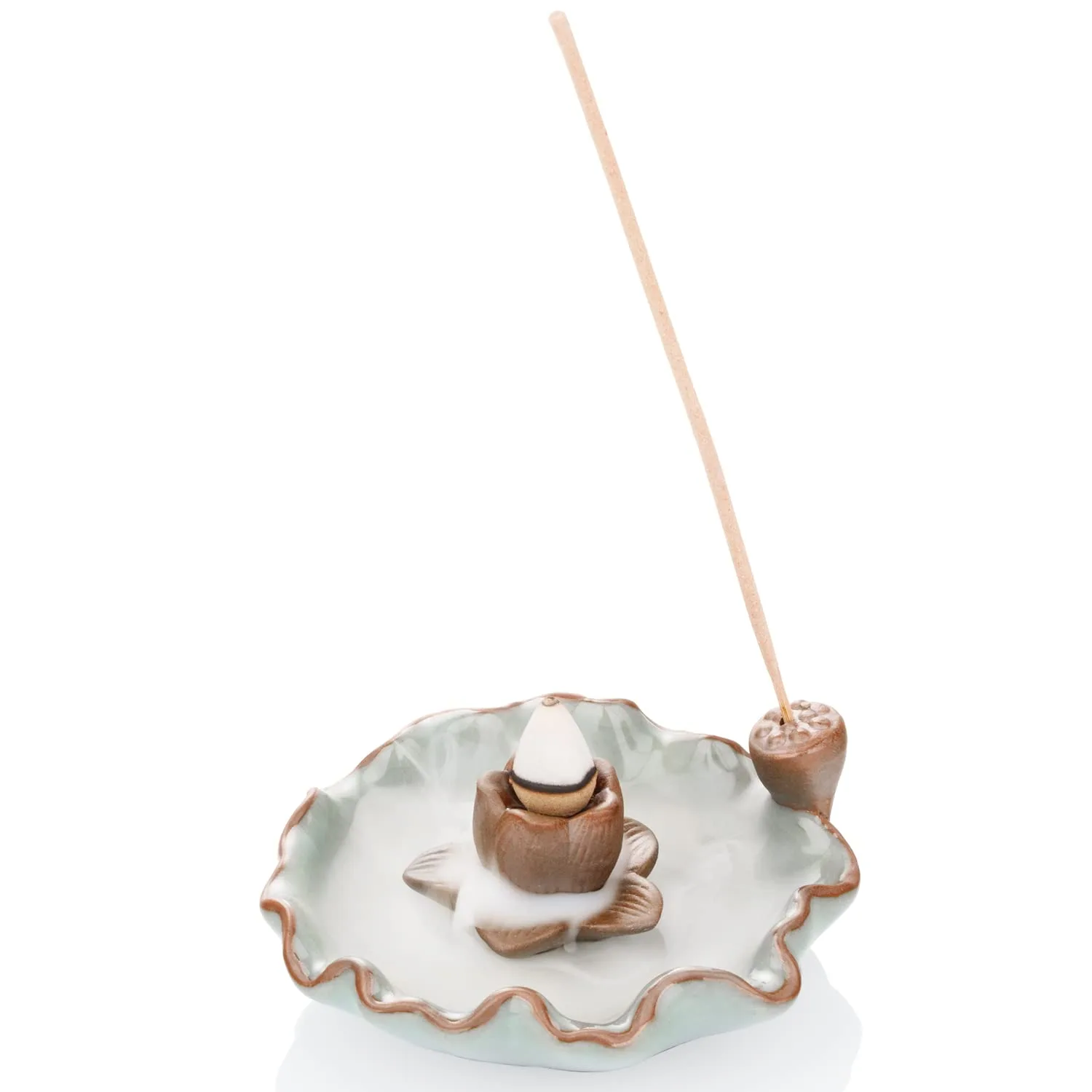
Next, add elements that support your practice. Incense is a traditional offering to Guan Yin, as its rising smoke symbolizes prayers ascending to the heavens. A backflow incense burner can create a calming waterfall effect, which is especially soothing during meditation. For a traditional touch, you might use a ceramic lotus backflow incense holder, which not only looks beautiful but also helps focus your mind.
You can also add fresh flowers, a small bowl of water, or a candle to represent the elements. If you enjoy crystals, placing a crystal tree near the statue can amplify positive energy and add a touch of natural beauty. Remember, the altar should reflect your personal style and spiritual needs, so don't be afraid to experiment.
- Clean the altar area before setting up.
- Use a cloth or mat to define the sacred space.
- Incorporate incense, flowers, water, or candles as offerings.
- Add decorative items like crystal trees to enhance the energy.
Daily Practices with Your Guan Yin Statue
Having a Guan Yin statue is only the beginning—using it daily can transform your home into a sanctuary of peace. One simple practice is to light incense each morning as a way to start the day with mindfulness. As you light the incense, you can say a silent prayer or set an intention for the day, such as 'May I be kind to all beings.'
Another practice is to spend a few minutes in front of the statue, focusing on your breath and visualizing compassion flowing from Guan Yin into your heart. You can also chant the mantra 'Om Mani Padme Hum' or simply sit in silence, allowing the statue's serene presence to calm your mind. For those who enjoy sound healing, a crystal singing bowl can be used to create a resonant tone that purifies the space and deepens meditation.
Even if you don't have a formal meditation practice, you can pause briefly each day to acknowledge the statue and reflect on your actions. This simple act of mindfulness can help you carry compassion into your interactions with others, making the statue a true catalyst for positive change.
- Light incense daily as a mindful offering and intention-setting ritual.
- Meditate in front of the statue, focusing on compassion and breath.
- Chant the mantra 'Om Mani Padme Hum' or use a singing bowl for sound healing.
- Take a moment each day to reflect and renew your commitment to compassion.
Caring for Your Guan Yin Statue
To keep your altar sacred, it's important to care for your Guan Yin statue properly. Dust the statue regularly with a soft, dry cloth to maintain its beauty and luster. Avoid using harsh chemicals, as they can damage the finish. Depending on the material—whether resin, ceramic, or stone—you may need specialized care, so always check the manufacturer's instructions.
If you notice any cracks or chips, consider repairing them promptly, as they can be seen as symbolic of broken energy. Some people choose to re-consecrate the statue periodically by cleansing it with smoke from incense or sprinkling it with pure water. This can be a meaningful ritual in itself, renewing your connection to the statue's spiritual purpose.
Remember, the statue is not just an object; it's a representation of your spiritual aspirations. Treating it with care and respect is a reflection of your inner practice. By maintaining a clean and beautiful altar, you create a space that invites peace and positivity into your home.
- Dust regularly with a soft cloth; avoid harsh chemicals.
- Repair any damage promptly to maintain symbolic integrity.
- Cleanse the statue periodically with incense smoke or pure water.
- Treat the statue with the same respect you would show to a teacher.
Incorporating a Guan Yin statue into your home altar is a powerful way to cultivate compassion and mindfulness in your daily life. By understanding the meaning, placing the statue thoughtfully, and engaging in simple daily practices, you can transform your space into a sanctuary of peace. To begin or enhance your practice, explore the beautiful Guan Yin statues and altar accessories available at Zenbless, such as the Ceramic Lotus Backflow Cone Incense Waterfall Holder or the 6inch Rose Quartz Chakra Crystal Tree Of Life, and create a sacred corner that nurtures your spirit.
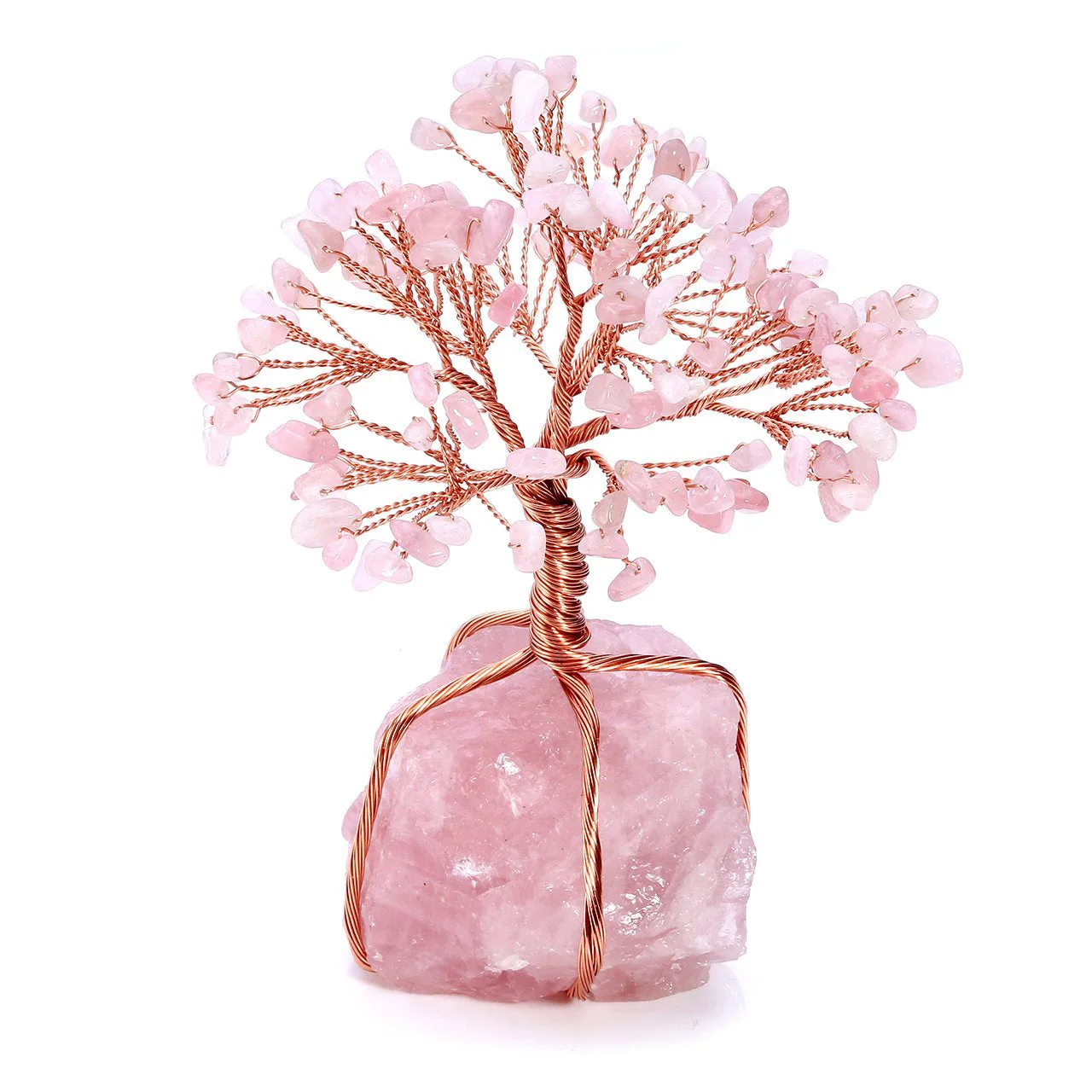
6inch Rose Quartz Chakra Crystal Tree Of Life