Quick Answer
To use a heating pad safely, start with the lowest heat setting, limit sessions to 15-20 minutes at a time, and always place a cloth barrier between the pad and your skin. Never sleep on a heating pad, and check your skin regularly for redness or burns.
Heating pads are a go-to for easing muscle tension, menstrual cramps, and joint stiffness. But using one incorrectly—like falling asleep on high heat—can cause burns or skin damage. The good news: a few simple habits make heating pad use both effective and safe.
This guide walks you through the safest way to use a heating pad, whether you're using an electric model or a microwavable one. You'll learn the right temperature, timing, and positioning, plus the mistakes to avoid.
Why Heating Pad Safety Matters
Heating pads work by increasing blood flow to the area, which helps relax tight muscles and soothe pain. But heat can also damage tissue if applied too hot or for too long. Even at moderate temperatures, prolonged contact can cause a condition called erythema ab igne—a mottled skin rash from repeated heat exposure.
People with diabetes, poor circulation, or reduced skin sensitivity are at higher risk of burns. That's why it's essential to follow basic safety rules every time you use a heating pad, regardless of the brand or type.
Choosing the Right Heating Pad
Electric heating pads offer adjustable heat settings and auto-off timers, which are great for safety. Microwavable pads, like those filled with rice or clay, provide moist heat that some people find more soothing, but they cool down faster and need careful heating to avoid hot spots.
Look for a pad with multiple heat settings and an automatic shut-off feature. If you're using a microwavable pad, follow the manufacturer's heating instructions exactly—overheating can cause burns or even start a fire.
Preparing Your Skin and Pad
Always place a thin cloth—like a towel or t-shirt—between the heating pad and your skin. This barrier helps distribute heat evenly and prevents direct contact burns. Never apply a heating pad to broken, bruised, or swollen skin.
Check the pad for any frayed cords, cracks, or damaged fabric before each use. If you spot any damage, stop using it immediately and replace it. For electric pads, make sure the cord is not twisted or pinched.
Setting the Right Temperature and Time
Start with the lowest or medium setting. You should feel comfortable warmth, not intense heat. If it feels too hot, turn it down—even if you think you can tolerate it. Your skin can burn without you noticing, especially if you're relaxed or drowsy.
Limit each session to 15-20 minutes. After that, take a break for at least an hour before reapplying. This gives your skin time to cool and reduces the risk of overheating. Never fall asleep with a heating pad on, even if your pad has an auto-off timer.
Positioning the Pad Correctly
Place the heating pad directly over the painful area, but make sure it lies flat and doesn't fold or bunch. Folds can create hotspots that increase burn risk. If you're using the pad on your back or shoulder, sit or lie in a comfortable position where the pad stays in place.
Avoid using a heating pad on areas with poor blood flow, such as legs with varicose veins, or on areas that are numb or have reduced sensation. If you're unsure, ask your doctor first.
Monitoring Your Skin and Knowing When to Stop
Check your skin every few minutes while using the pad. Look for redness, blotchiness, or blistering. If you notice any of these, remove the pad immediately and let your skin cool down. Mild redness that fades within a few minutes is normal, but persistent redness or pain is a sign of a burn.
Stop using the heating pad if you feel dizzy, lightheaded, or nauseous. Heat can lower blood pressure, especially if applied to a large area. Also, never use a heating pad on the abdomen during pregnancy without your doctor's approval.
Caring for Your Heating Pad
After each use, unplug the pad and let it cool completely before storing. Wipe the surface with a damp cloth if needed, but never immerse an electric pad in water. For microwavable pads, follow the cleaning instructions—many have removable covers that are machine washable.
Store your heating pad flat or rolled loosely, not folded tightly, to avoid damaging internal wires. Replace your pad every few years or sooner if you notice any wear and tear.
Step-by-Step: Safe Heating Pad Use
- Check the pad and your skin: Inspect the pad for damage, and make sure your skin is clean, dry, and free of cuts or irritation. Never use a damaged pad or apply to broken skin.
- Place a cloth barrier: Wrap the pad in a thin towel or place a cloth between the pad and your skin. This prevents direct heat contact and reduces burn risk.
- Set the heat to low or medium: Turn the pad on the lowest comfortable setting. If it feels too hot, turn it down. You should feel warmth, not burning.
- Limit to 15-20 minutes: Set a timer for 15-20 minutes. Do not exceed this, and never fall asleep with the pad on. Take a break of at least an hour before reapplying.
- Monitor your skin: Check the area every few minutes for redness or discomfort. If you see any, remove the pad. Persistent redness or pain means stop and cool down.
- Cool down and store properly: Unplug the pad, let it cool completely, and store it flat or loosely rolled. Proper storage extends the life of your pad and prevents damage.
Products to Support Safe Heat Therapy
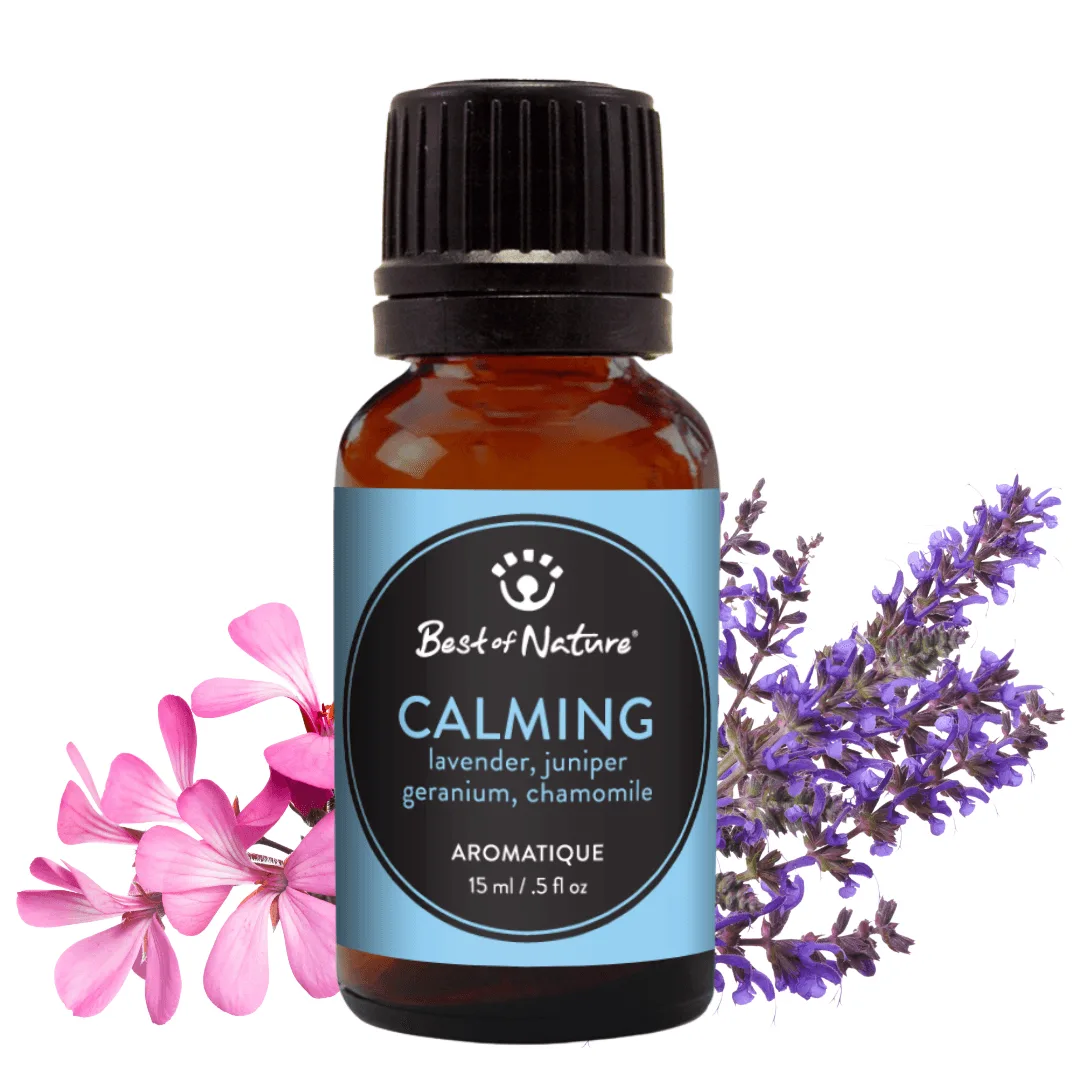
- Best of Nature Calming Aromatique: An aromatic blend of Lavender, Juniper, Geranium and Chamomile essential oils. Adding a few drops to a warm compress or using it in a diffuser can enhance relaxation during heat therapy, making your session more soothing without increasing burn risk.
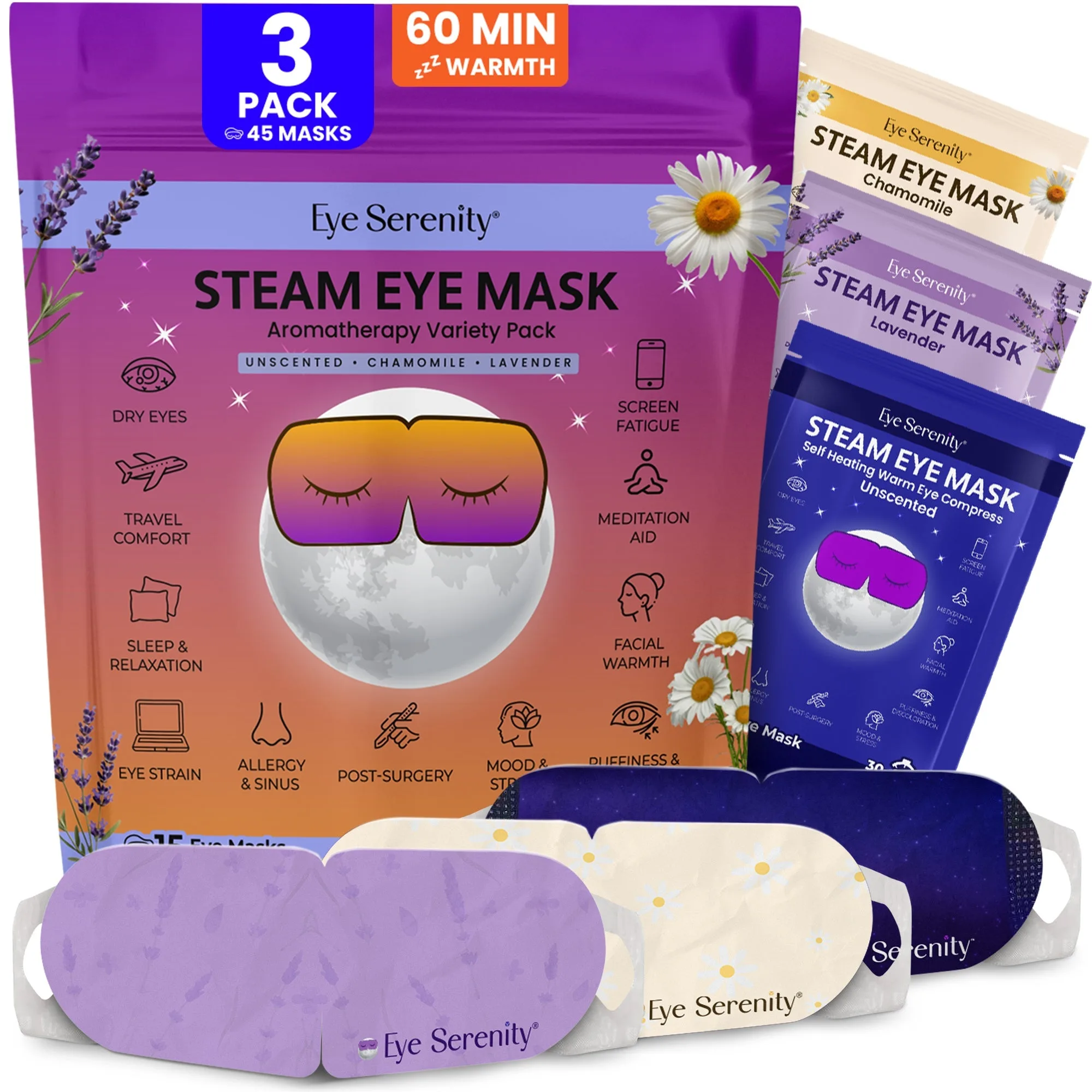
- Eye Serenity Steam Eye Mask - VARIETY PACK: Best Steam Eye Mask for Dry Eyes & Stye Relief. Eye Serenity Self Heating Steam Eye Mask Trio: Unscented, Lavender & Chamomile for Customized Eye Comfort. For targeted eye-area relief, a self-heating steam mask offers a safer alternative to a full-size heating pad, delivering gentle warmth for a set period without the risk of overheating.
Using a heating pad safely is simple when you follow these steps: start low, limit time, and always protect your skin. By respecting the heat, you can enjoy the pain-relieving benefits without the risk of burns. If you have any underlying health conditions, check with your healthcare provider before using a heating pad.