Quick answer
Load your most-used items—snacks, phone, map—into the hipbelt pockets so you can grab them without taking off your pack. Adjust the fit first to keep the pockets stable and accessible.
Why hipbelt pockets beat backpack side pockets
Hipbelt pockets put your gear right at your hips, where your hands naturally rest while hiking. You don't need to swing your pack around or ask a partner to dig into your main compartment. This saves time and keeps your rhythm steady on long climbs or fast-paced sections.
How to set up and use a hipbelt with pockets
- 1. Fit the hipbelt first: Put on your pack and cinch the hipbelt so it sits snugly on your hip bones, not your waist. The pockets should be centered over your hips. If the belt shifts, your pockets will be hard to reach. Common mistake: wearing the hipbelt too low or loose. The pockets won't stay in place.
- 2. Load pockets by frequency of use: Put items you grab most often—trail snacks, phone, lip balm—in the front of the pocket. Reserve the back for less urgent items like a headlamp or small first-aid kit. Overstuffing makes pockets bulge and harder to open. Checkpoint: you should be able to open and close the pocket with one hand while walking.
- 3. Distribute weight evenly: Balance heavy items like a phone and a snack bar between left and right pockets. Uneven weight can cause the hipbelt to twist, reducing comfort and making pockets harder to access. Common mistake: putting all heavy items on one side, causing the pack to lean.
- 4. Secure small loose items: Use the pocket's internal key clip or a small stuff sack for tiny items like earbuds or a multi-tool. Loose items can get lost or jam the zipper. Checkpoint: close the pocket fully after each use to prevent items from falling out.
- 5. Practice reaching while moving: On a flat trail, practice unzipping and retrieving an item without looking down or stopping. If you can't do it smoothly, adjust the pocket position or reduce the load. Common mistake: overloading the pocket so it's too tight to open easily.
- 6. Adjust for different activities: For trail running, keep only lightweight items (snacks, map) in the pockets. For backpacking, you can add a small camera or GPS. Heavier loads may require a stiffer hipbelt for stability. Checkpoint: if the hipbelt sags or shifts, remove some weight from the pockets.
Product details
-
PVT Hipbelt with Pockets: Designed for use with the PVT Frame+Belt system; available in multiple sizes and straight or curved fits. Getting the right size and fit prevents the hipbelt from sliding down, which keeps the pockets where you can actually reach them.
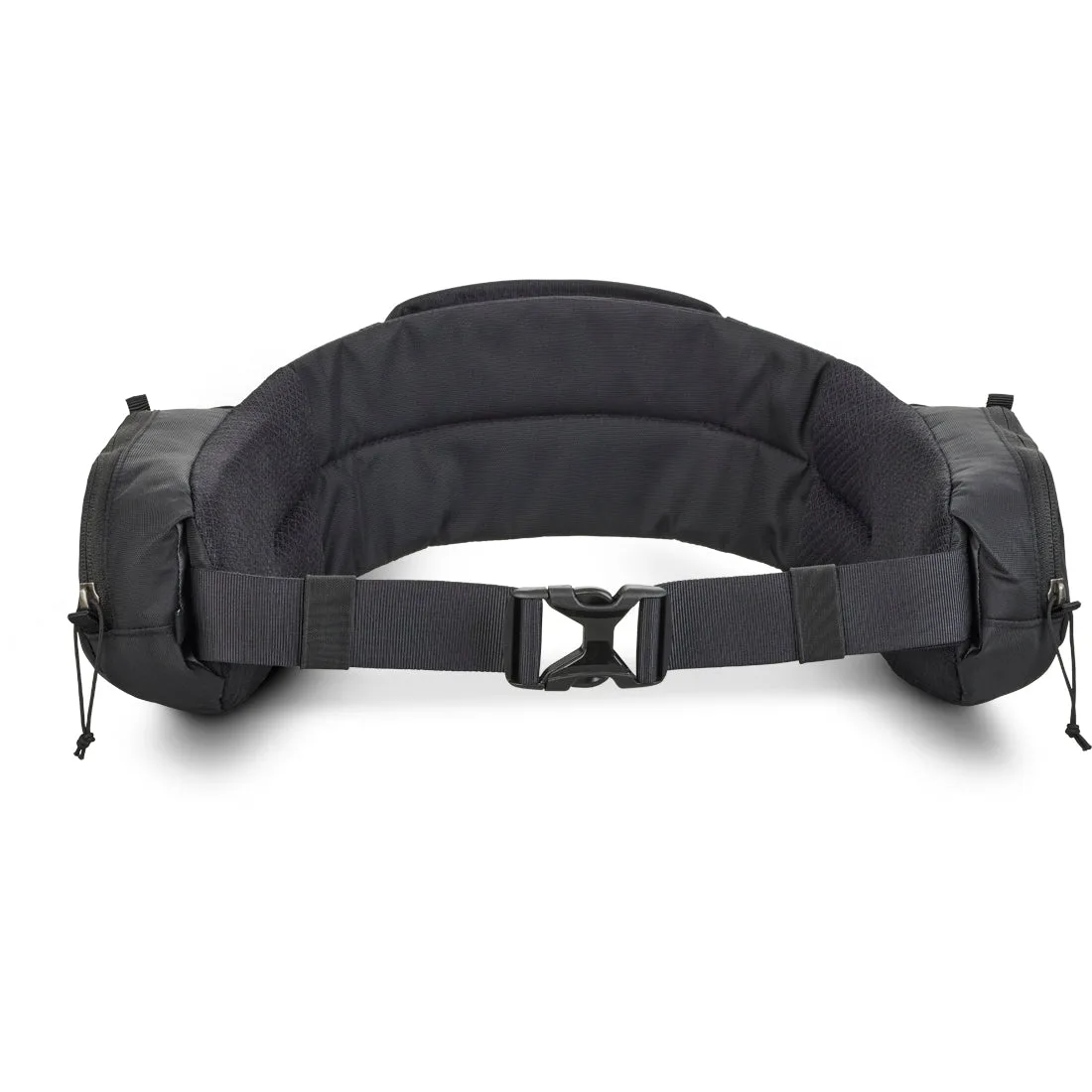
PVT Hipbelt with Pockets