Quick Answer
To use honey in savory dishes, balance its sweetness with acidity, salt, and heat. Start with small amounts, add it late in cooking to preserve flavor, and pair it with flake sea salt for a bright, briny finish.
Honey is often reserved for tea and desserts, but its complex sweetness can transform savory cooking. From sticky glazes to tangy dressings, honey adds depth and caramelization that balances salty, spicy, and acidic flavors. The key is knowing how to pair it with the right ingredients—especially salt.
In this guide, you'll learn practical tips for cooking with honey in savory dishes, including glazes, marinades, salad dressings, and roasted vegetables. We'll also explore how a quality sea salt like Jacobsen's Pure Flake Sea Salt can elevate your honey-based creations.
Why Honey Works in Savory Cooking
Honey is more than just a sweetener. Its flavor profile varies from floral to earthy, and it contains natural sugars that caramelize beautifully when heated. This makes it ideal for creating glazes on meats, adding a golden crust to roasted vegetables, and balancing the heat in spicy marinades.
Unlike granulated sugar, honey also brings moisture and a subtle complexity that can enhance umami-rich ingredients like soy sauce, garlic, and ginger. When used correctly, it doesn't make a dish taste sweet—it makes it taste more rounded and satisfying.
- Use honey in moderation: a little goes a long way.
- Combine honey with an acid (like vinegar or citrus) to balance sweetness.
- Add honey late in cooking to preserve its delicate flavor.
How to Make a Perfect Honey Glaze
A honey glaze is a simple way to add shine and flavor to roasted meats, tofu, or vegetables. The basic formula is honey + acid + a savory element (like soy sauce or mustard). For example, mix 2 tablespoons of honey with 1 tablespoon of soy sauce and a splash of rice vinegar for an Asian-inspired glaze.
When applying a honey glaze, brush it on during the last few minutes of cooking to prevent burning. Honey's sugars can caramelize quickly, so keep an eye on it. For a thicker glaze, simmer the mixture on the stove until it reduces slightly.
- Brush glaze on during the last 5-10 minutes of cooking.
- If using a grill, oil the grates to prevent sticking.
- Add a pinch of flake salt at the end for a crunchy contrast.
Creating a Balanced Honey Marinade
Honey marinades are perfect for chicken, pork, or salmon. The sweetness helps create a caramelized crust, while the acid in the marinade tenderizes the meat. A classic combination is honey, olive oil, lemon juice, and minced garlic.
Marinate for at least 30 minutes, but no more than 8 hours, as honey can break down proteins and make the meat mushy. Pat the meat dry before cooking to ensure a good sear.
- Do not over-marinate: 30 minutes to 8 hours is ideal.
- Reserve some marinade separately for basting.
- Season with salt just before cooking to avoid drawing out moisture.
Honey Salad Dressings: Sweet and Tangy
Honey is a natural emulsifier, making it a great base for salad dressings. Whisk together honey, Dijon mustard, apple cider vinegar, and olive oil for a classic vinaigrette. The honey balances the sharpness of the vinegar and adds a silky texture.
For a creamy version, blend honey with Greek yogurt or buttermilk. Drizzle over bitter greens like arugula or radicchio to soften their bite.
- Use a 1:3 ratio of honey to vinegar for a balanced dressing.
- Emulsify by whisking slowly while adding oil.
- Add a pinch of sea salt to enhance the flavors.
Honey Roasted Vegetables: Sweet and Caramelized
Roasting vegetables with honey brings out their natural sweetness and creates a beautiful glaze. Toss carrots, parsnips, or Brussels sprouts with a little honey, olive oil, and salt, then roast at high heat until caramelized.
The key is to not use too much honey—just a teaspoon or two per pound of vegetables. The natural sugars in the vegetables will also caramelize, so you don't need to overdo it.
- Roast at 400°F (200°C) for even caramelization.
- Spread vegetables in a single layer to avoid steaming.
- Finish with a sprinkle of flake salt for texture.
Step-by-Step: Using Honey in Savory Dishes
- Start with a small amount: Begin with 1-2 teaspoons of honey per serving. You can always add more, but you can't take it out. Checkpoint: Taste as you go to avoid over-sweetening.
- Balance with acid: Add vinegar, citrus juice, or wine to your honey mixture. This prevents the dish from tasting cloyingly sweet. Common mistake: skipping the acid, which makes the dish one-dimensional.
- Add honey late in cooking: For glazes and marinades, add honey in the last 10 minutes of cooking to preserve its flavor and prevent burning. Checkpoint: Watch for caramelization; adjust heat if needed.
- Season with salt: Salt enhances the sweetness and balances the overall flavor. Use a flaky sea salt for a final touch. Verdict: A pinch of flake salt elevates any honey-based dish.
Pairing Honey with the Right Sea Salt
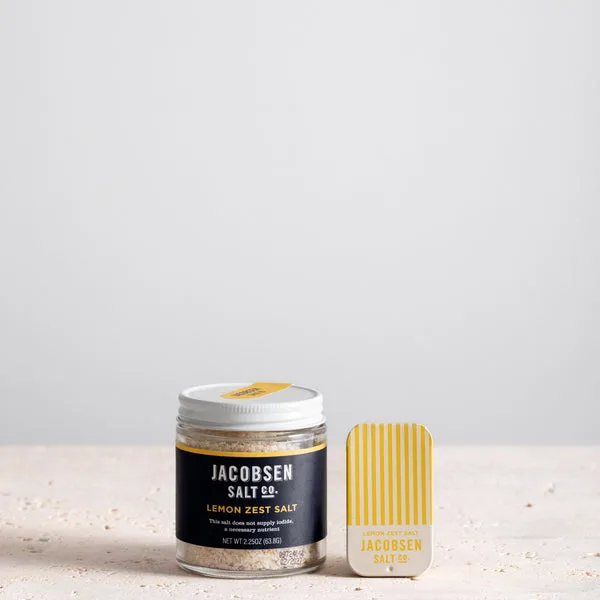
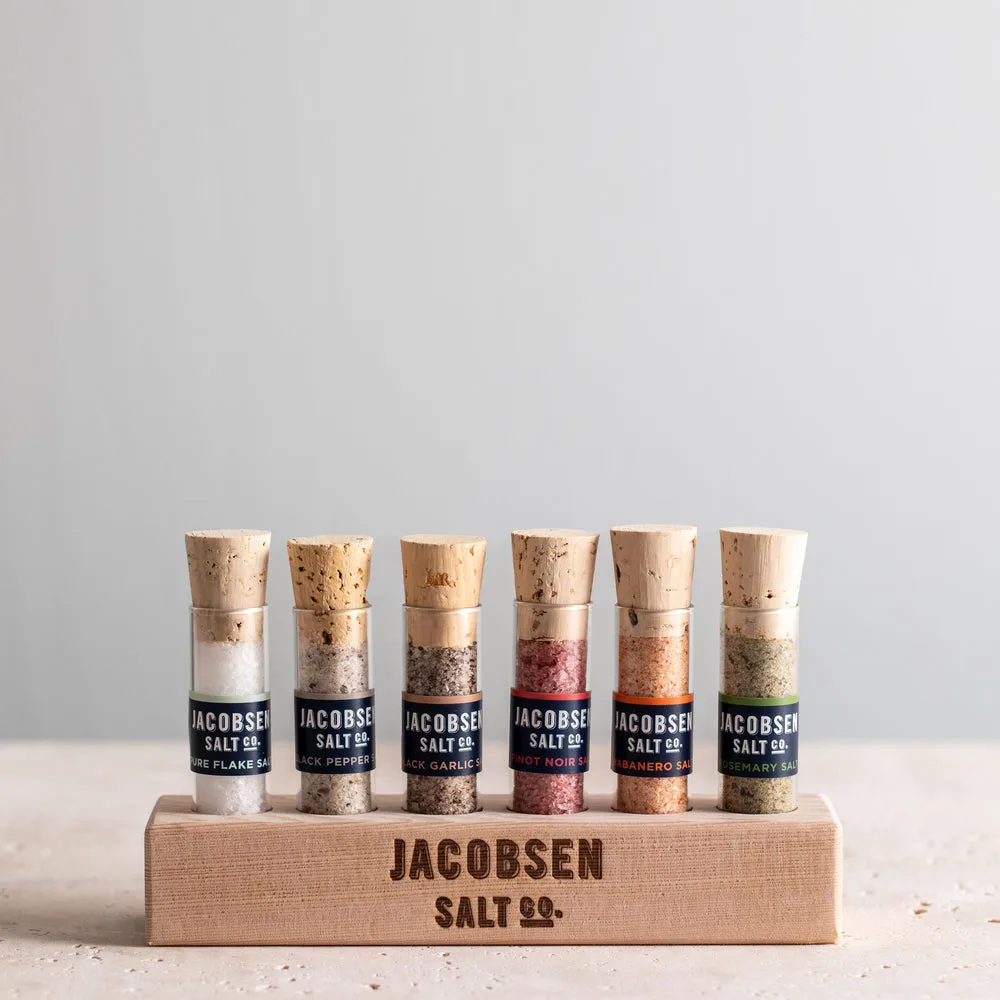
- Pure Flake Sea Salt Slide Tin – Jacobsen Salt Co.: Harvested from Netarts Bay on the Oregon Coast, our Pure Flake Sea Salt is bright and briny with a delicate crunch. We’ve packed our flagship product into a convenient slide tin, so it’s ready when you are to finish any dish — savory or sweet. A delicate crunch and briny flavor make it perfect for sprinkling over honey-glazed dishes to cut through the sweetness.
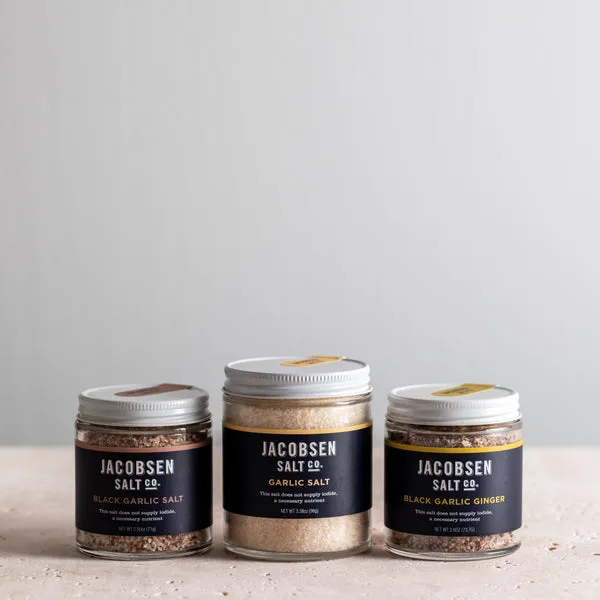
- Infused Black Garlic Ginger Salt – Jacobsen Salt Co.: Our Pure Kosher Sea Salt infused with house-fermented garlic and Burlap & Barrel's Buffalo Ginger, an heirloom variety grown in Northern Vietnam. Featuring a slightly sweet umami flavor with a punchy hit of ginger. This infused salt adds a savory, umami kick to honey marinades and glazes, complementing the sweetness with garlic and ginger notes.
Incorporating honey into savory dishes is all about balance. By pairing it with acidity, salt, and heat, you can create memorable meals that are both sweet and savory. Experiment with different honeys and salts to find your favorite combinations. For a perfect finishing touch, try the Pure Flake Sea Salt Slide Tin to add a delicate crunch to your honey-glazed creations.