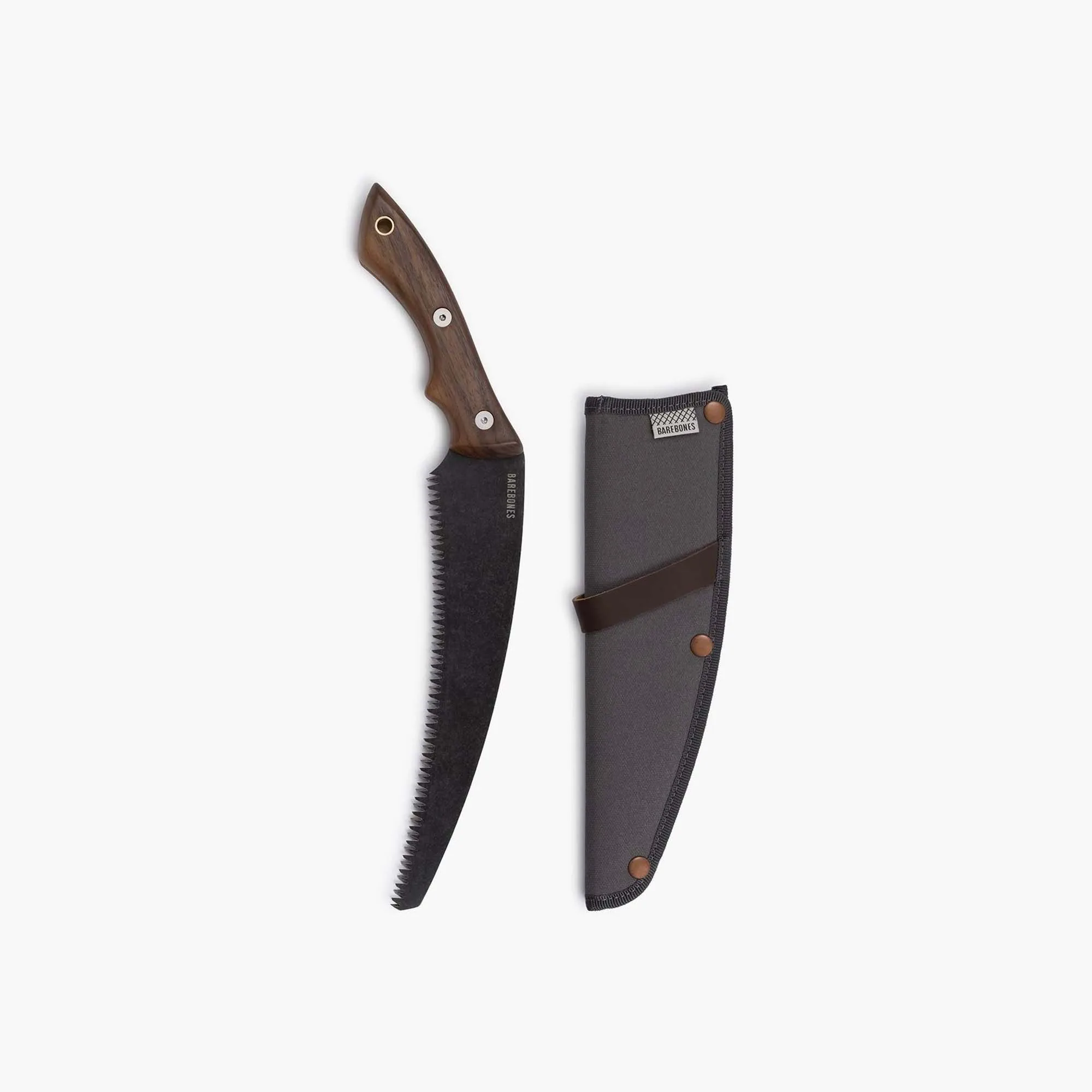
A Japanese nata tool is a versatile blade that sits somewhere between a hatchet and a machete. Its thick, straight spine and single-bevel edge make it excellent for splitting kindling and clearing brush with control. If you're tired of wrestling with a dull camp axe or fighting through overgrown trails, the nata offers a smarter, more precise alternative.
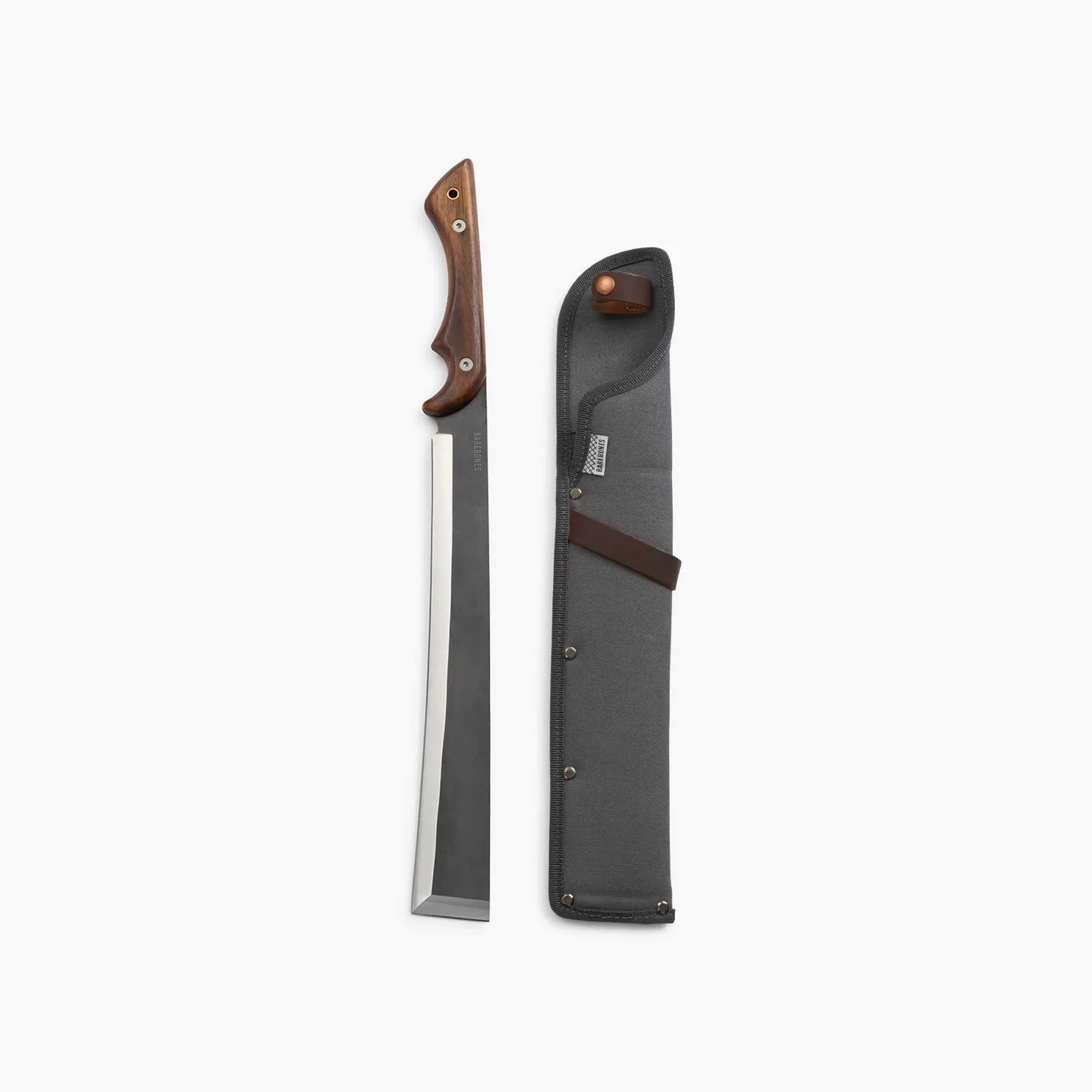
Japanese nata tool
Unlike a Western brush hook or a heavy splitting maul, the nata's design lets you choke up on the handle for detailed work or swing freely for heavier cuts. In this guide, you'll learn the core techniques for using a nata tool safely and effectively, whether you're prepping for a campfire or opening up a path through dense undergrowth.
Choosing the Right Nata for the Job
Nata tools come in several blade profiles. A standard nata has a straight edge and a thick spine, ideal for splitting small logs and batoning through kindling. A curved nata, sometimes called a Japanese brush knife, has a slight belly that helps with slicing vines and lighter brush. For most outdoor tasks, a straight-blade nata around 180-240mm in blade length balances portability with cutting power.
Handle length matters too. A shorter handle (around 300mm) gives you more control for splitting kindling on a stump, while a longer handle provides leverage for clearing thicker brush. Avoid oversized natas if you plan to carry one in a day bag alongside gear like a Mōdeer Work Tote - 23L, as weight and length can become cumbersome on the trail.
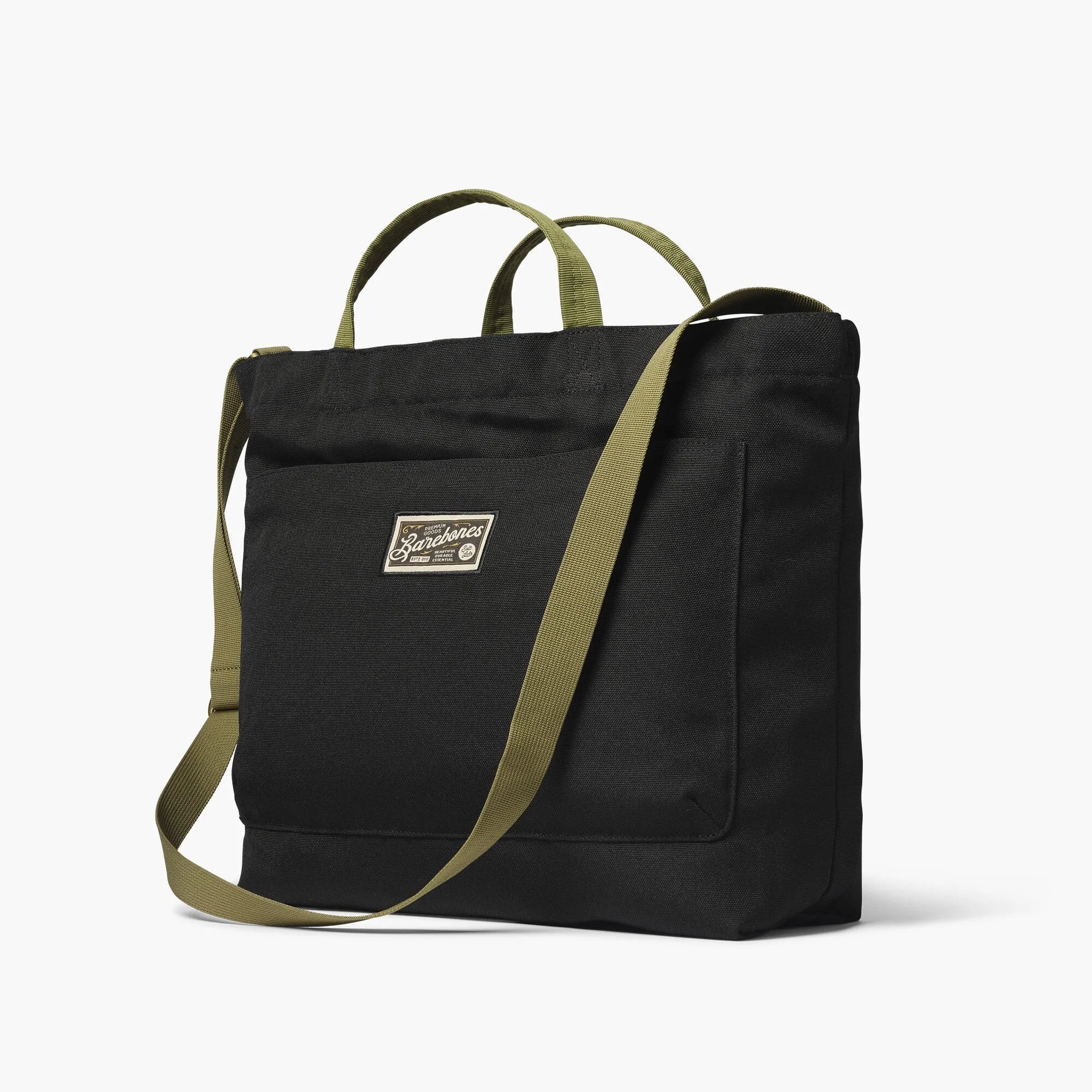
Mōdeer Work Tote - 23L
- Straight edge: best for splitting and batoning kindling
- Curved edge: better for slicing brush and vines
- Short handle: precise control for campfire prep
- Long handle: extra leverage for heavy brush clearing
How to Split Kindling with a Nata
Splitting kindling with a nata is all about placement and controlled force. Start by setting a small log upright on a stable chopping block. Hold the nata with your dominant hand near the base of the handle and your other hand guiding the blade's spine for accuracy. Bring the blade down in a straight, vertical motion, letting the weight of the tool do most of the work. The thick spine drives through the wood fibers cleanly.
For larger pieces, you can baton the nata through the log using a hardwood mallet or another piece of firewood. Place the blade's edge on the log's end grain, then strike the spine with your baton. This technique is safer than swinging overhead and gives you precise splits for campfire prep. Always wear eye protection, as wood chips and small splinters can fly unexpectedly.
- Use a stable chopping block to protect the blade edge
- Guide the blade with your non-dominant hand on the spine for accuracy
- Baton through large logs instead of swinging wildly
- Wear safety glasses when splitting dry or knotty wood
Clearing Brush and Vines Safely
When clearing brush, the nata excels at cutting through green vines, saplings, and thick undergrowth. Use a horizontal or angled swing, keeping the blade parallel to the ground for low brush. For upright saplings, a diagonal cut at a 45-degree angle removes the stem cleanly and reduces the chance of the blade binding. Always clear your swing path of obstacles and keep bystanders at a safe distance.
For dense patches, work methodically from the edges inward. Use the nata's spine to push aside thorny branches before cutting. If you're tackling a large area, take breaks to avoid fatigue, which leads to sloppy swings. Pair your nata with a sturdy work bag like the Mōdeer Work Tote - 23L to carry water, gloves, and spare tools without weighing down your hands.
- Swing diagonally for saplings to prevent blade binding
- Clear your swing path of rocks and logs
- Push aside thorns with the spine, not the edge
- Stay hydrated and take breaks to maintain focus
Maintaining Your Nata for Long Life
A nata's single-bevel edge requires regular honing to stay sharp. Use a medium-grit water stone (around 1000 grit) to sharpen the bevel side only, then remove the burr with a few light passes on the flat side. Oil the blade after each use to prevent rust, especially if you've been cutting green wood or working in humid conditions. A light coat of camellia oil works well.
Store the nata in a protective sheath or roll when not in use. If you carry it in a bag, consider wrapping the blade in a cloth or using a blade guard to protect both the edge and your other gear. A well-maintained nata can last for decades, making it a reliable companion for campfire prep and trail maintenance alike.
- Sharpen only the bevel side on a 1000-grit water stone
- Wipe and oil the blade after every use
- Store in a sheath or blade guard to protect the edge
- Inspect the handle regularly for cracks or looseness
The Japanese nata tool is one of the most efficient outdoor tools for splitting kindling and clearing brush when you understand its strengths. With the right technique and a bit of practice, you'll find it outperforms a hatchet for fine work and a machete for heavier cuts. Keep the blade sharp, respect the edge, and you'll have a tool that serves reliably for years.