Start with what the label actually confirms
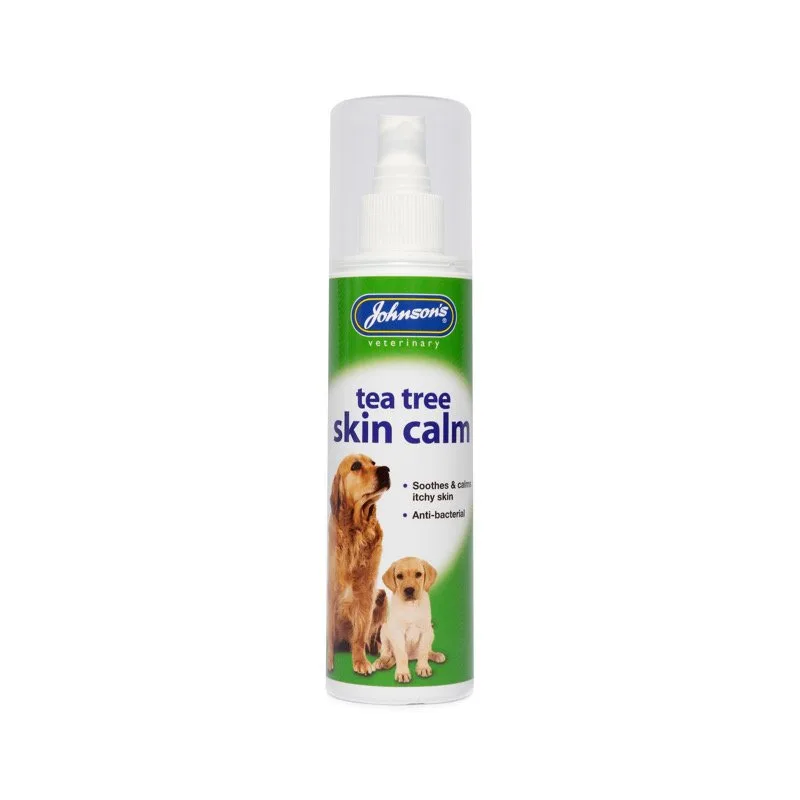
Johnsons Tea Tree Spray is a 150ml herbal spray for dogs that contains lavender oil and aloe vera. The label describes it as a soothing spray that calms itchy skin and scrapes, is anti-bacterial, and promotes natural healing.
That is the full set of claims in the supplied product information. It does not include a dilution ratio, a spraying distance, a frequency of use, or a list of species it is licensed for. Those gaps matter when you are deciding whether to use it on a rabbit or guinea pig, so treat any routine you build around it as a cautious, observation-led habit rather than a manufacturer schedule.
Johnsons Tea Tree Spray at a glance
-
Johnsons Tea Tree Spray: 150ml herbal spray for dogs, containing lavender oil and aloe vera. The size and ingredients tell you what you are handling; the dog-only wording is the first thing to check before using it on a small pet.
Johnsons Tea Tree Spray
-
Johnsons Tea Tree Spray: Described as soothing, anti-bacterial, and supportive of natural healing for itchy skin and scrapes. These are the label's intended uses, so they frame when the spray might be worth reaching for and when it is not the right product.
Is it suitable for rabbits and guinea pigs?
The supplied product record lists Johnsons Tea Tree Spray as for dogs. It does not name rabbits, guinea pigs, or any other small pet as a target species, and it gives no small-pet-specific instructions. That is a genuine decision limitation, not a hidden warning.
If you are considering the spray for a rabbit or guinea pig, ask your vet first. Small pets have different grooming needs and can react differently to topical products, and the label wording alone does not confirm suitability. The same applies to any other small pet not named on the pack.
A careful application routine for a dog
Because the label does not give a step-by-step method, the routine below is a general handling approach built around the product's stated uses. Keep it simple, keep the pet calm, and stop if anything seems wrong.
- Read the pack before you spray: Check the label on your own bottle for any directions, warnings, or species guidance that may differ from the summary here. The supplied information does not replace the pack in your hand.
- Brush the coat first: Grooming removes loose hair and lets you see the skin you are treating. It also helps you spot scratches or irritated patches before you apply anything.
- Spray lightly from a comfortable distance: The label does not specify a distance or number of pumps, so use a light, even mist rather than soaking the coat. A little at a time is easier to judge than a heavy application.
- Keep it away from eyes, nose, and mouth: This is standard topical-product caution, not a label instruction. If the spray drifts near the face, wipe it away with a clean cloth and let the pet settle.
- Let the coat dry naturally: The supplied information does not describe drying time or whether the area should be covered. Avoid letting the pet lick the sprayed area immediately, and keep them warm while the coat dries.
- Watch for reactions: Check the area after application. If the skin looks more irritated, the pet seems uncomfortable, or the scratch worsens, stop using the spray and speak to your vet.
Where the spray fits in a small-pet coat routine
For rabbits and guinea pigs, the safer default is grooming and husbandry rather than topical sprays. Regular brushing, clean bedding, and a check of the skin under the fur will catch most coat problems early. If you spot a scrape or persistent itch, a vet visit is more useful than guessing at a product that is labelled for dogs.
For dogs, Johnsons Tea Tree Spray can sit alongside normal grooming as a soothing option for minor itchy patches and scrapes. It is not a substitute for diagnosing the cause of itching, and the label does not claim to treat infections or skin disease.
Storage and handling habits
The supplied record does not include storage instructions, so follow the pack. As a sensible habit, keep the bottle closed, out of reach of pets and children, and away from direct sunlight. Wash your hands after handling the spray, and avoid sharing a bottle between animals without checking with your vet first.