Start with what Kaya Mineral Rock Salt is
Kaya Mineral Rock Salt 300g is an unrefined rock salt extracted from the Kaya mines. According to the product record, it formed over 200 million years ago as a remnant of the ancient Tethys seabed, and it is harvested without added iodine or anti-caking agents. That matters in the kitchen because you are working with a pure, mineral-rich salt rather than a treated table salt.
The record also notes very high purity (99.8%) and low moisture (0.09%), with no microbial contamination reported. In practice, that means the salt dissolves predictably and brings a clean saline taste without the metallic edge some cooks associate with highly refined salts. The mineral content — potassium, magnesium, calcium, iron, zinc, selenium, and manganese — is naturally present, though the record does not quantify how much of each mineral reaches your food.
Product facts that affect cooking
-
Kaya Mineral Rock Salt 300g: Unrefined rock salt with no added iodine or anti-caking agents. You can taste the salt itself without interference from additives, which is useful when you are seasoning a dish gradually.
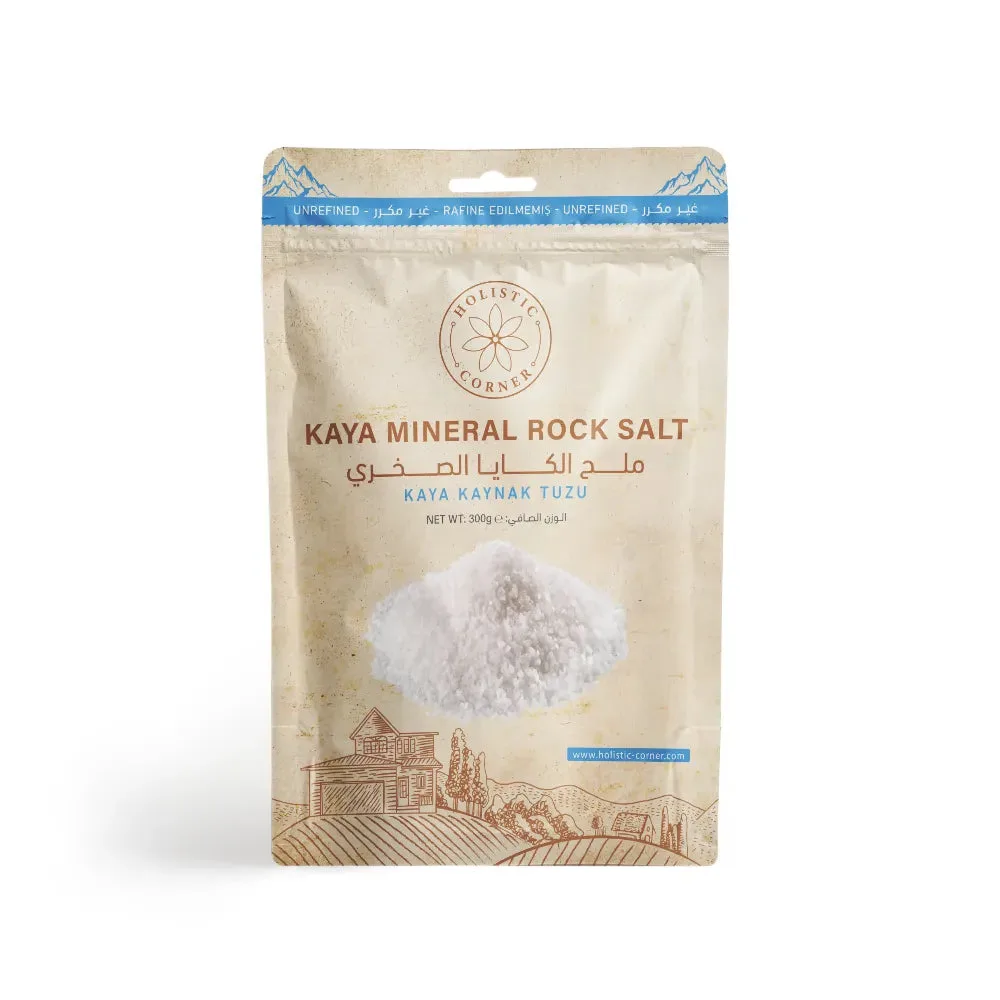
Kaya Mineral Rock Salt 300g
-
Kaya Mineral Rock Salt 300g: Very high purity: 99.8%; low moisture content: 0.09%. Low moisture means the salt is less likely to clump in the pack, so it sprinkles and measures more consistently.
-
Kaya Mineral Rock Salt 300g: Naturally contains potassium, magnesium, calcium, iron, zinc, selenium, and manganese. These minerals are part of the salt's natural composition, though the record does not state amounts per serving.
How to cook with rock salt: a practical approach
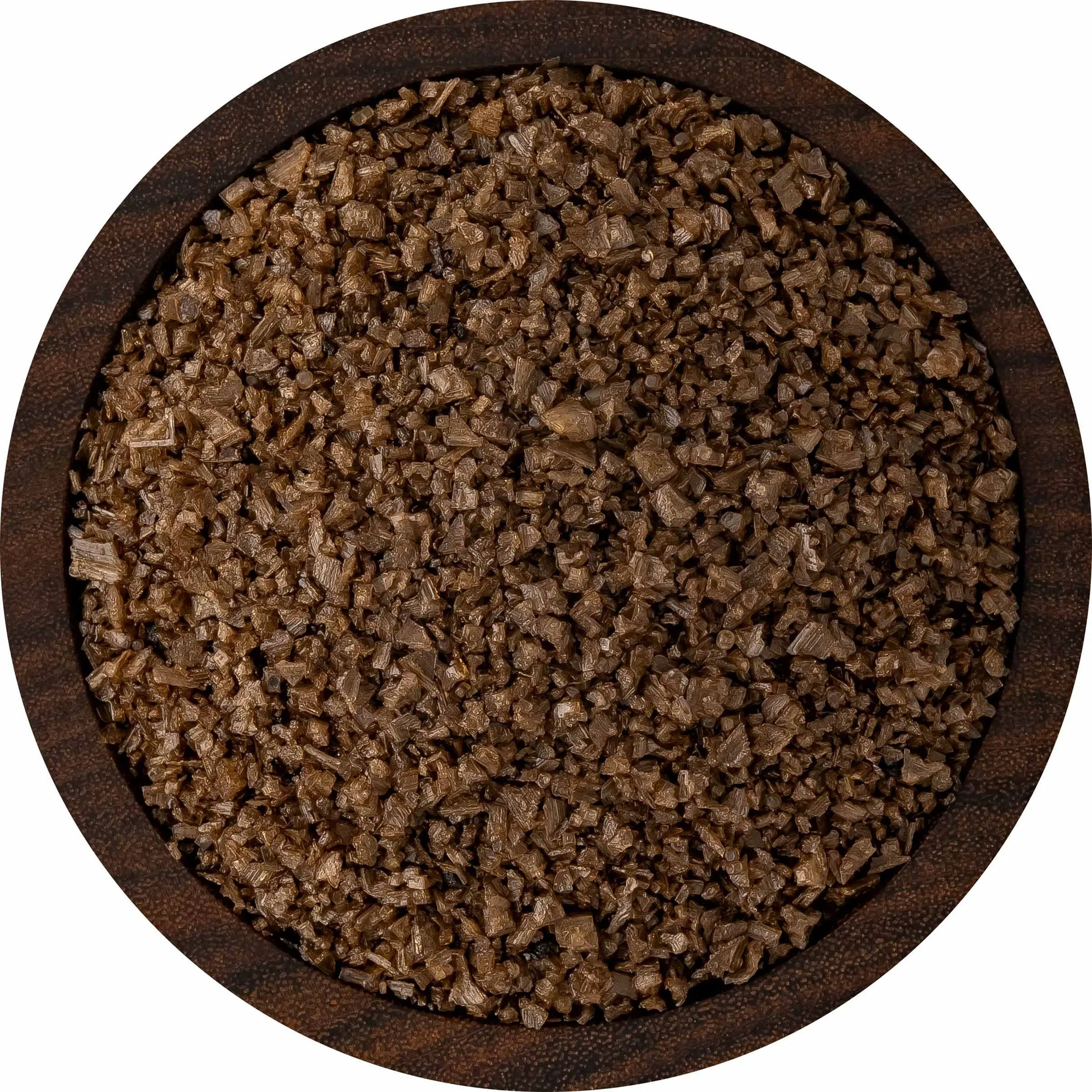
Because Kaya rock salt is coarse and unrefined, it behaves differently from fine table salt. Use it where you want control: sprinkle it over finished dishes, rub it into meats before roasting, or add it early to long-simmering pots so it has time to dissolve. For quick sautés or sauces, crush a few crystals between your fingers or use a salt mill to avoid gritty bites.
The product record does not supply specific quantities or timings, so treat the salt as you would any coarse salt: start with a small pinch, taste, and adjust. The 300g pack is a convenient size for a household that cooks regularly, and the low moisture content helps it stay free-flowing between uses.
When to add rock salt to soups and stews
- Add early for background seasoning: Stir a small amount into the pot at the start of cooking so the salt dissolves fully and seasons the liquid evenly. Because the crystals are coarse, give them time to break down.
- Taste before adjusting: As the dish reduces, the salt concentration increases. Taste before adding more, especially if you are reducing a stock or sauce.
- Finish with a light sprinkle: A pinch of coarse rock salt just before serving adds a pleasant crunch and a bright saline note without over-salting the whole pot.
Mineral rock salt vs sea salt: what changes in the kitchen
Both are salts, but they are not interchangeable in every situation. The table below summarizes the practical differences based on the supplied product record and general knowledge of sea salt.
- Kaya Mineral Rock Salt: Unrefined, coarse crystals, no added iodine or anti-caking agents, very high purity (99.8%), low moisture (0.09%). Best for slow-cooked dishes, rubs, and finishing.
- Sea salt: Produced by evaporating seawater; mineral content varies by source. Often available fine or coarse. Dissolves at a similar rate but may contain trace impurities depending on refinement.
- Table salt: Highly refined, usually iodized and treated with anti-caking agents. Fine grains dissolve quickly but can taste sharper. Not a direct substitute for coarse rock salt in recipes that rely on texture.
Coarse rock salt cooking tips
- Use a salt mill for everyday seasoning: Grinding the coarse crystals gives you finer salt for quick dishes while keeping the mineral character intact.
- Keep a small dish by the stove: Transfer a spoonful to a pinch bowl so you can season without opening the 300g pack repeatedly, which helps protect the salt from steam and moisture.
- Store it dry: The low moisture content (0.09%) is a advantage, but rock salt can still absorb humidity. Keep the pack sealed or transfer to an airtight container away from the stove.
- Do not expect it to behave like fine salt: Coarse crystals take longer to dissolve. For baking, where precise measurement matters, grind or crush the salt first unless the recipe specifies coarse salt.
What the product record does not settle
The supplied information does not include specific recipe quantities, recommended daily intake, or a full mineral analysis per serving. It also does not state whether the salt is suitable for special diets beyond the absence of added iodine and anti-caking agents. If you are following a medically restricted diet, check with a healthcare professional before making changes. For general cooking, the record supports using Kaya Mineral Rock Salt as a pure, unrefined coarse salt that works well in soups, stews, rubs, and finishing.