Quick answer
Apply a quarter-sized amount of kids hair conditioner to the ends of wet hair after washing, work it through gently with your fingers or a wide-tooth comb, and rinse thoroughly. Keep conditioner away from the scalp for fine hair, and use a leave-in or detangler spray for very tangled or curly hair between washes. The goal is soft, manageable hair without tears.
Choose the right conditioner for your child's hair type
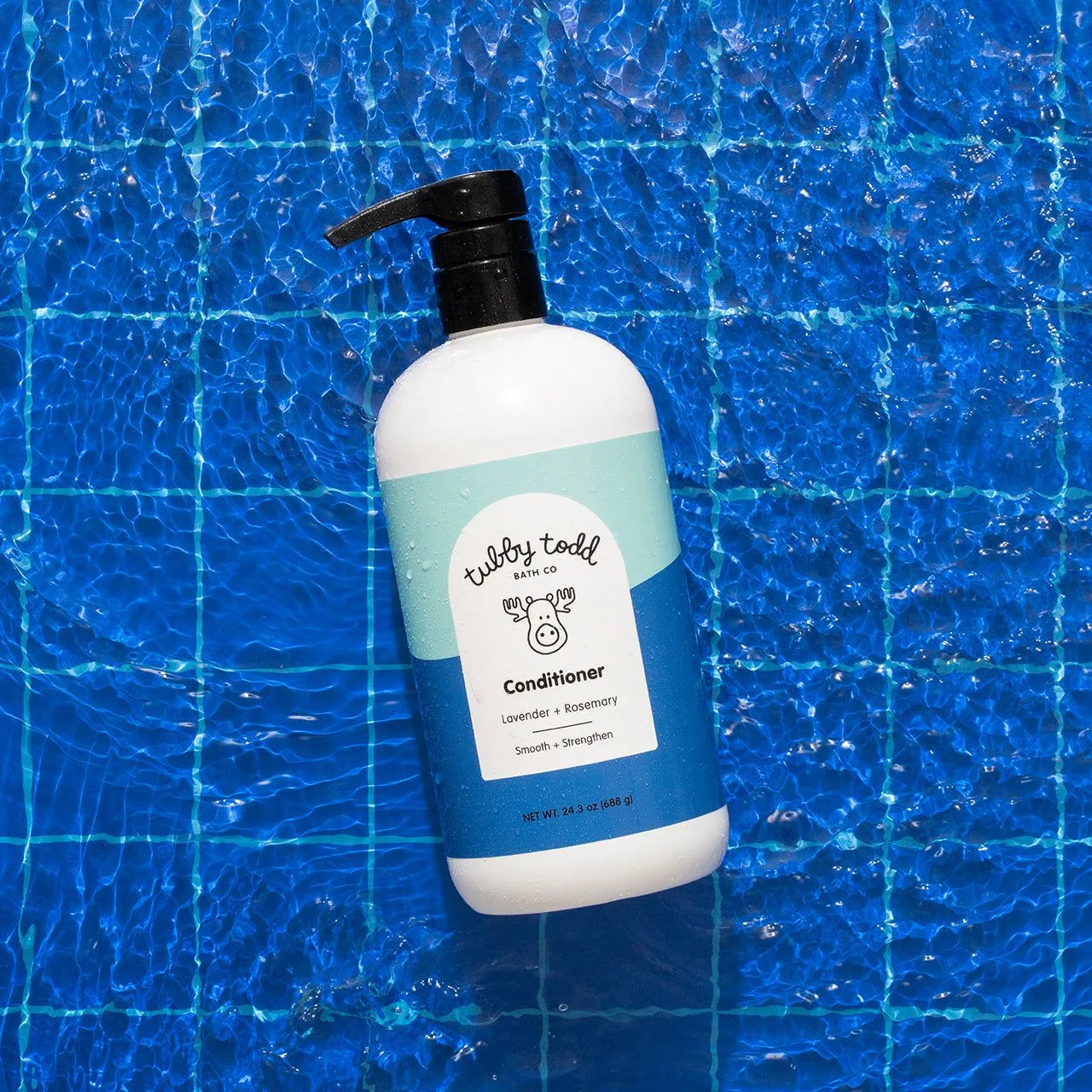
Not all kids need the same conditioner. Fine hair tends to get weighed down easily, so a lightweight formula that rinses clean is best. Curly hair needs more moisture to define curls and prevent frizz, so a richer conditioner or a leave-in product can help. For toddlers with delicate scalps, look for gentle, tear-free formulas. Tubby Todd's Hair Conditioner is designed to nourish without heavy residue, making it a good option for most hair types. If your child has very fine hair, use a smaller amount and focus only on the ends.
Prep hair for less tugging
Before you even open the conditioner, detangle dry hair gently with a wide-tooth comb or your fingers. Start at the ends and work upward to avoid pulling. This step removes loose knots and makes washing easier. If hair is very tangled, apply a small amount of conditioner or detangler to dry hair before washing, but be prepared to wash it out thoroughly. Never yank through knots; use your fingers to separate them first.
Wash first, then condition
Use a gentle shampoo or a hair and body wash to clean the scalp and hair. Rinse well with warm water. For most kids, shampooing two to three times a week is enough; daily washing can strip natural oils. If your child has oily hair or plays sports, adjust as needed. After rinsing, gently squeeze excess water from the hair so the conditioner can adhere better.
Apply conditioner correctly
Squeeze a quarter-sized amount of conditioner into your palm. Rub your hands together, then apply to the ends of the hair, avoiding the scalp unless the hair is very dry. Work the conditioner through with your fingers or a wide-tooth comb, starting at the ends and moving up. Let it sit for 2–3 minutes while you sing a song or count to 30. This gives the conditioner time to nourish and detangle. Rinse thoroughly with warm water until the water runs clear; any residue can make hair look greasy and attract dirt.
Detangle after conditioning
While the hair is still wet and coated with conditioner, use a wide-tooth comb to gently detangle from ends to roots. This is the easiest time to remove knots without pain. If you encounter a stubborn tangle, apply a little more conditioner directly to it and work it through with your fingers. Never pull; hold the hair above the tangle to prevent pulling at the scalp. Once detangled, rinse the conditioner out if you used extra, or leave it in if it's a leave-in product.
Dry and style gently
After rinsing, gently squeeze excess water from the hair with a soft towel or an old t-shirt. Avoid rubbing vigorously, which causes frizz and breakage. For curly hair, scrunch the hair upward to encourage curl formation. Let hair air-dry when possible, or use a blow dryer on low heat and low speed. If you need to detangle dry hair later, use a detangler spray or a small amount of leave-in conditioner. Avoid brushing dry curly hair, as it causes frizz; use your fingers or a wide-tooth comb instead.
Common mistakes to avoid
Using too much conditioner is a common mistake that leaves hair greasy and limp. Start with a small amount and add more if needed. Applying conditioner to the scalp can weigh down fine hair and cause buildup; focus on the ends. Not rinsing thoroughly can leave residue that irritates the scalp. Skipping detangling before washing leads to more tears. And using adult products with harsh fragrances or ingredients can irritate a child's sensitive skin. Always choose gentle, kid-friendly formulas.
Step-by-step conditioner routine
- Detangle dry hair first: Use a wide-tooth comb or your fingers to gently remove knots from dry hair before washing. Start at the ends and work up. Checkpoint: hair should be tangle-free before water is added.
- Wash and rinse: Cleanse with a gentle shampoo or hair and body wash, then rinse thoroughly with warm water. Mistake to avoid: using water that's too hot, which can dry out the scalp.
- Apply conditioner to ends: Squeeze a quarter-sized amount of conditioner into your hand and apply to the ends of wet hair, avoiding the scalp for fine hair. Checkpoint: use less for fine hair, more for thick or curly hair.
- Let it sit: Leave the conditioner on for 2–3 minutes to let it nourish and detangle. Mistake to avoid: rushing this step; give it time to work.
- Detangle with a comb: While conditioner is still in, use a wide-tooth comb to gently detangle from ends to roots. Checkpoint: if you hit a knot, apply more conditioner and use your fingers to loosen it.
- Rinse thoroughly: Rinse with warm water until the water runs clear and no slippery residue remains. Mistake to avoid: leaving conditioner in, which can cause buildup and greasiness.
- Dry gently: Pat or squeeze hair dry with a soft towel or t-shirt. Avoid rubbing. Air-dry or use low heat. Checkpoint: hair should feel soft and look clean, not greasy.
Product facts
- Hair Conditioner: Tubby Todd Hair Conditioner nourishes and conditions every strand without leaving a heavy feeling or residue, and it has a fresh scent for soft, clean hair. This makes it a good choice for kids who need detangling but dislike greasy or heavily perfumed products.
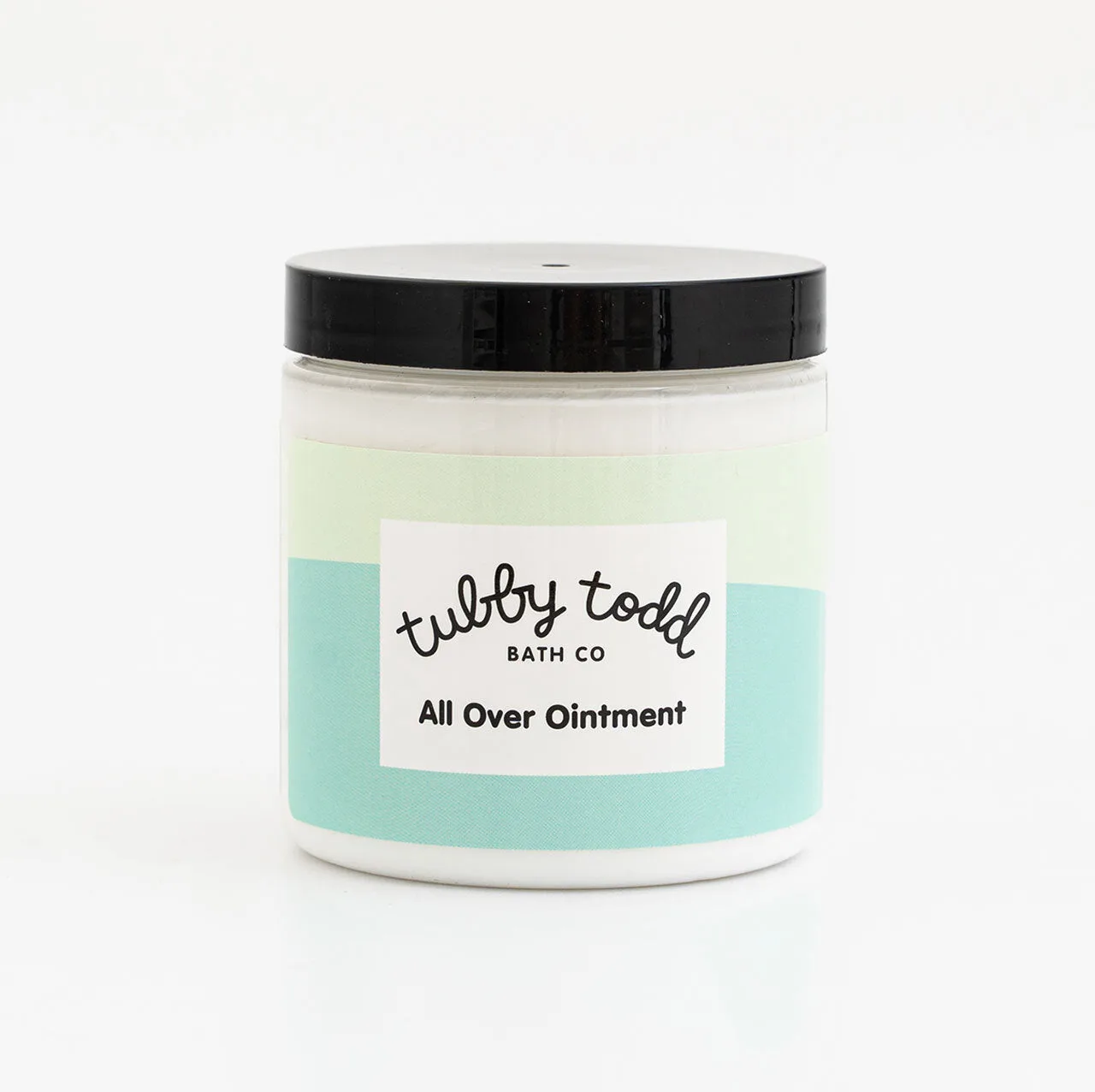
- All Over Ointment Original Formula: All Over Ointment Original Formula is a rich, creamy ointment made from plant-based ingredients like Jojoba Esters and Camellia Leaf Extract, and it is fragrance-free and gentle enough for newborns. It can be used to moisturize dry skin on the scalp or body, which is helpful if your child has sensitive skin or eczema alongside hair care needs.
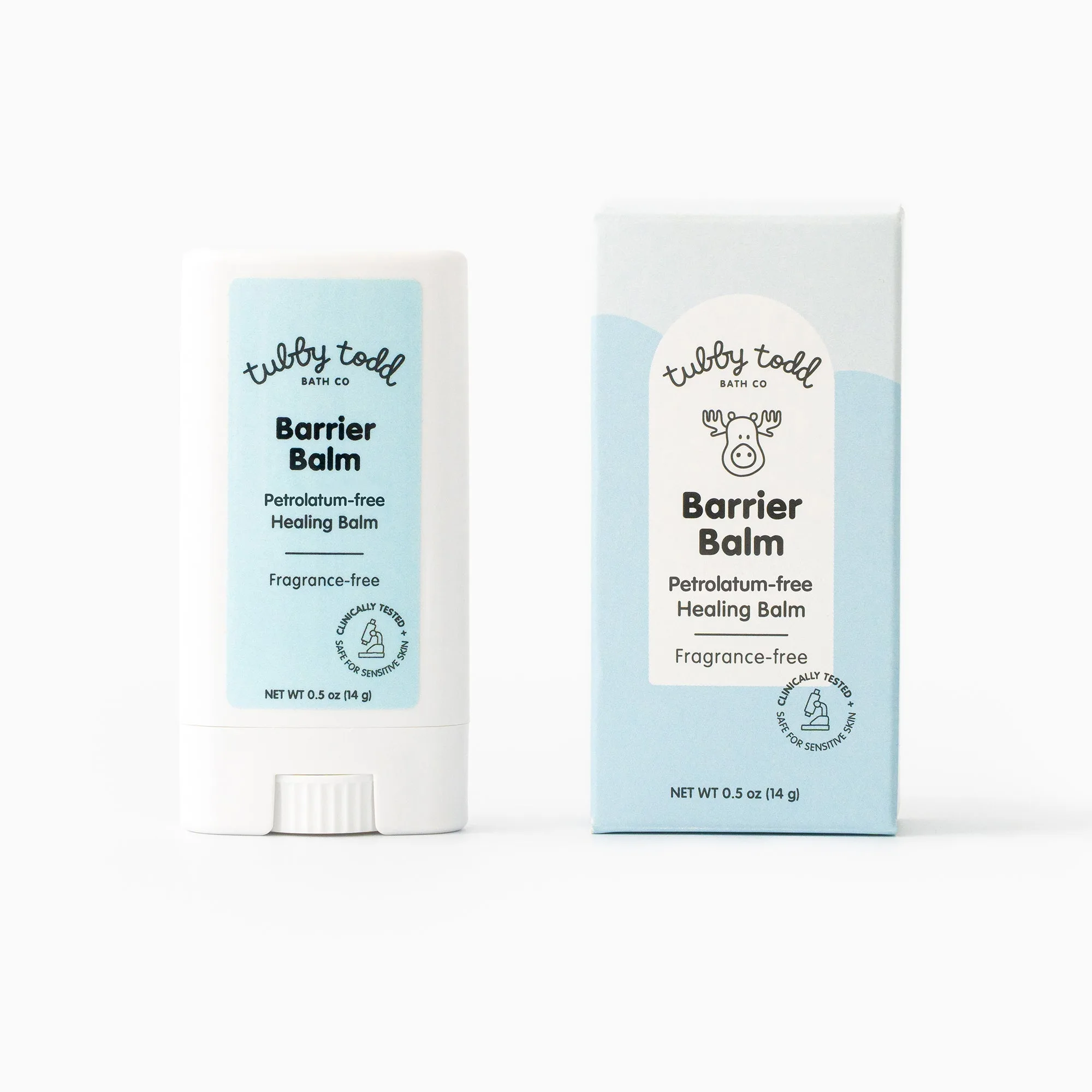
- Barrier Balm: Barrier Balm is a petrolatum-free skin protectant with 1% Colloidal Oatmeal that delivers soothing, targeted relief for itchy, dry skin in a mess-free stick. This is useful for spot-treating dry patches on the scalp or hairline that can be aggravated by frequent washing or harsh weather.