Why Cook with Kombucha?
Kombucha is a fermented tea known for its tangy, slightly effervescent flavor. In plant-based cooking, it can act as a natural tenderizer, a brightening agent, and a probiotic-rich liquid. When heated, the live cultures are reduced, but the complex flavor remains, making it a versatile pantry ingredient.
Using Ginger Lime Kombucha in Marinades
The ginger and lime notes in Ginger and Lime Kombucha make it a natural base for marinades. Combine it with tamari, garlic, and a touch of maple syrup to create a tangy marinade for tofu, tempeh, or mushrooms. Let the ingredients soak according to the product instructions before cooking. The acidity helps soften plant proteins without needing vinegar or citrus juice.
Product Facts for Your Cooking Decision
-
Ginger and Lime Kombucha: This locally made small batch Kombucha is infused with Organic Lime and Ginger. It contains gut loving probiotics aiding in digestion. Kombucha contains antioxidants from the fermented tea which help reduce inflammation. The ginger and lime provide a ready-to-use flavor base, while the probiotics and antioxidants add a nutritional bonus to your cooking.
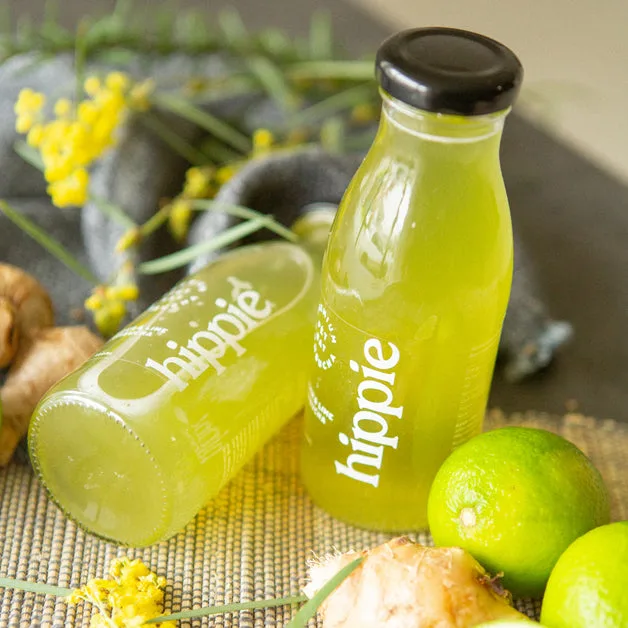
Ginger and Lime Kombucha
-
Ginger and Lime Kombucha: Ingredients: Filtered Water, Kombucha Culture, hippe organic tea blend (green sencha tea, ginger, lime, herbal infusion, floral infusion) and raw cane sugar. The simple, organic ingredient list means you're adding a clean, fermented flavor to your dishes without artificial additives.
-
Ginger and Lime Kombucha: Per 100ml: Energy 165.7kj, Protein <0.36g, Fat 0.0g, Carbohydrates 10.2g, Sugars 9.2g, Sodium <40mg/kg. Kombucha adds a small amount of natural sugar to recipes, which can help balance savory or acidic flavors.
Kombucha in Salad Dressings
Replace vinegar or lemon juice with an equal amount of kombucha in vinaigrettes. For a simple ginger lime dressing, whisk together 3 tablespoons of Ginger and Lime Kombucha, 1 tablespoon of olive oil, 1 teaspoon of Dijon mustard, and salt and pepper to taste. This dressing works well on leafy greens, grain bowls, or roasted vegetables.
Using Kombucha as a Braising Liquid
For braising hearty vegetables like cabbage, fennel, or carrots, use kombucha as part of the cooking liquid. The acidity helps break down fibers, and the ginger and lime flavors infuse the vegetables. Simmer the vegetables in a mixture of kombucha and water (about 1:1) until tender. The liquid can be reduced to a glaze for extra flavor.
Kombucha in Sauces and Glazes
Reduce kombucha over low heat to create a tangy syrup. Simmer Ginger and Lime Kombucha until it reduces to about one-quarter of its original volume, following the supplied product instructions for timing. Use this syrup to glaze roasted vegetables, tofu, or tempeh. The reduction concentrates the ginger and lime flavors, adding a sweet-sour finish to savory dishes.
Tips for Cooking with Kombucha
When cooking with kombucha, keep in mind that high heat will kill the live probiotics. If you want to retain the gut-friendly benefits, add kombucha to dishes after they have been removed from heat, such as in cold dressings or as a finishing splash. For recipes that require cooking, the flavor remains, but the probiotic content will be reduced.