Quick Answer
Use lemon curd and lime curd as a spread, filling, or topping: pair them with scones, toast, pancakes, tarts, and parfaits, and balance their tartness with cream or sweetness.
Why Lemon and Lime Curd Work So Well
Fruit curds are thick, spoonable spreads made by cooking fruit juice with sugar, eggs, and butter. Lemon curd is tart and buttery, while lime curd adds a bright, tangy twist. Their smooth texture and bold flavor make them versatile for both breakfast and dessert.
The key is balance: curds are intensely tart, so pair them with rich or sweet components like clotted cream, whipped cream, or buttery baked goods. This contrast keeps the flavor lively without being overwhelming.
Know Your Curd: Lemon vs. Lime
Lemon curd is the classic choice for scones, toast, and traditional desserts like lemon meringue pie. Lime curd offers a more exotic, zesty flavor that works well in tropical desserts, with coconut, or as a filling for key lime-inspired treats.
When substituting one for the other, consider the sweetness level. Lime curd can be slightly more tart, so you may want to adjust the sugar in your recipe or add a touch of honey.
How to Use Lemon Curd and Lime Curd: Step-by-Step
- Spread on Scones or Toast: For a classic breakfast or tea-time treat, spread a generous layer of lemon curd on warm scones or toast. For lime curd, try it on buttered toast with a sprinkle of zest to enhance the citrus aroma. Common mistake: spreading curd on cold bread – it won't melt into the surface, so warm the bread or scones slightly first. Warm the base for better absorption.
- Fill Tarts or Pastries: Use curd as a filling for mini tart shells, puff pastry cases, or crepes. Pipe or spoon the curd into baked shells, then top with fresh fruit or a dollop of cream. For lime curd, pair with coconut or white chocolate for a tropical twist. Common mistake: overfilling the shells – curd can become messy and soggy if too much is added. Fill shells just to the rim to avoid sogginess.
- Layer in Parfaits or Trifles: Alternate layers of curd with whipped cream, yogurt, and crumbled cake or granola in a glass. This works for both lemon and lime curd – lime pairs well with coconut yogurt, while lemon suits vanilla or berry layers. Common mistake: using runny curd – ensure it's thick enough to hold its shape; if too thin, chill it before layering. Chill the curd to keep layers distinct.
- Swirl into Oatmeal or Pancakes: Stir a spoonful of curd into warm oatmeal, or drizzle over pancakes and waffles instead of syrup. For a breakfast upgrade, mix curd with a little Greek yogurt for a spreadable topping. Common mistake: adding curd to boiling oatmeal – it can curdle; stir in after cooking and off the heat. Add curd after cooking to prevent curdling.
- Make a Quick Sauce or Glaze: Warm curd gently in a saucepan with a splash of water or juice to thin it into a sauce for drizzling over cheesecake, ice cream, or pound cake. For a glaze, mix curd with powdered sugar until smooth. Common mistake: overheating – curd can separate if boiled, so use low heat and stir constantly. Use low heat to avoid separation.
Curds to Try
-
Welsh Lady's Lemon Curd - 11oz (311g): Welsh Lady's Lemon Curd is imported and handmade from Wales, made with all butter, and described as tart and buttery. Its all-butter recipe gives a rich, creamy texture that pairs beautifully with scones and freshly baked bread.
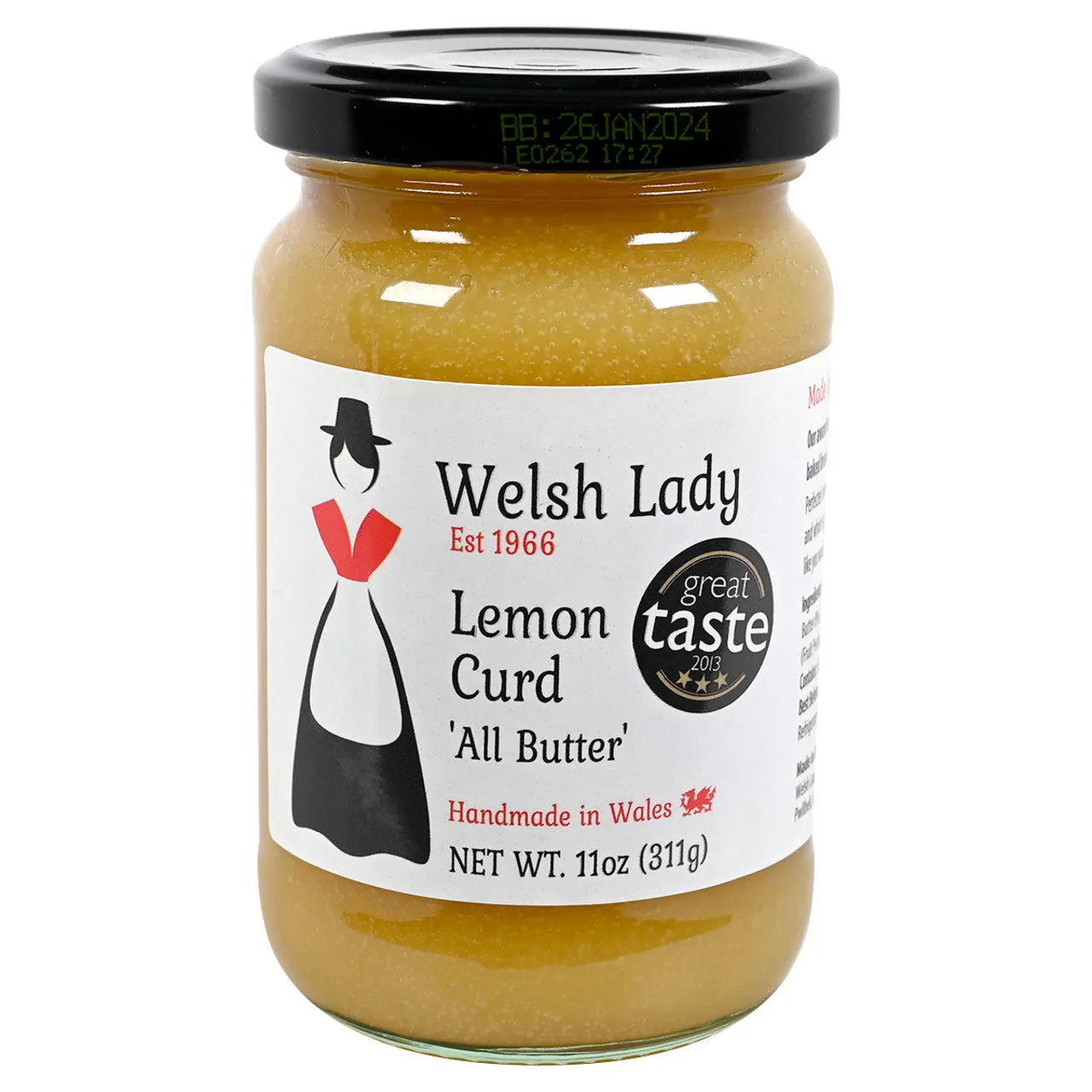
Welsh Lady's Lemon Curd - 11oz (311g)
-
Tiptree Lime Curd - 11oz (312g): Tiptree Lime Curd is a British classic made from sugar, eggs, butter, and fresh limes, offering a vibrant tangy taste. The bright lime flavor adds a refreshing twist to desserts and breakfasts, making it a great choice for those who want something less common than lemon.
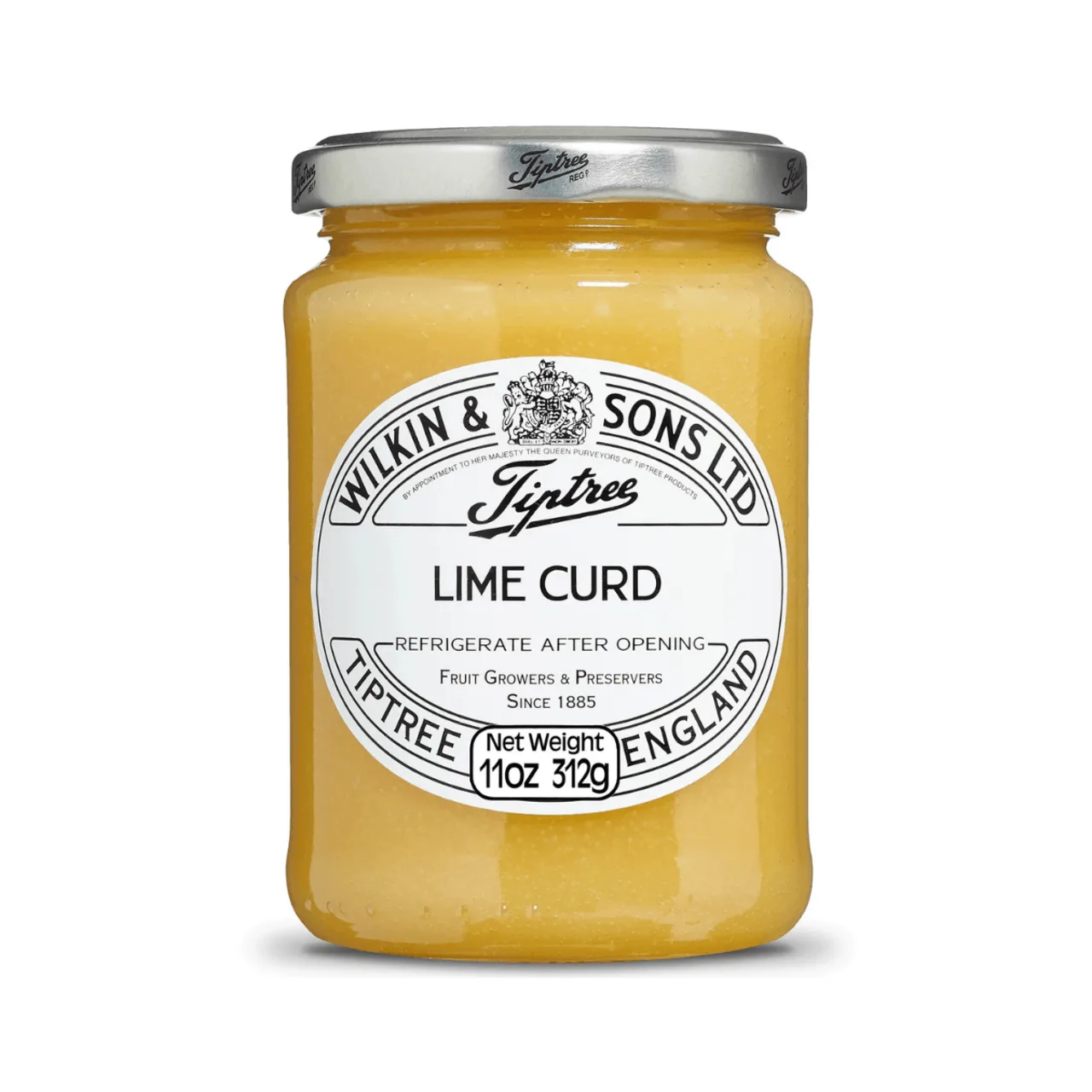
Tiptree Lime Curd - 11oz (312g)