Quick Answer
To use lifting straps, loop the strap around the barbell, pass the bar through the loop, wrap the strap around your wrist, and grip the bar. Adjust tension so the strap is snug but not cutting off circulation. This technique helps you lift heavier by reducing grip fatigue, especially for deadlifts and rows.
lifting straps
Lifting straps are a simple yet powerful tool for anyone looking to lift heavier and train harder. Whether you're pulling a new deadlift personal record or cranking out heavy barbell rows, your grip often gives out before your muscles do. Learning how to use lifting straps correctly can help you push past that limitation and focus on the muscles you're actually trying to work.
In this guide, you'll learn the proper technique for wrapping lifting straps, common mistakes to avoid, and how to integrate them into your training. We'll also touch on the benefits of lifting straps and when to use them—and when to skip them. By the end, you'll be ready to strap in and lift with confidence.
What Are Lifting Straps and Why Use Them?
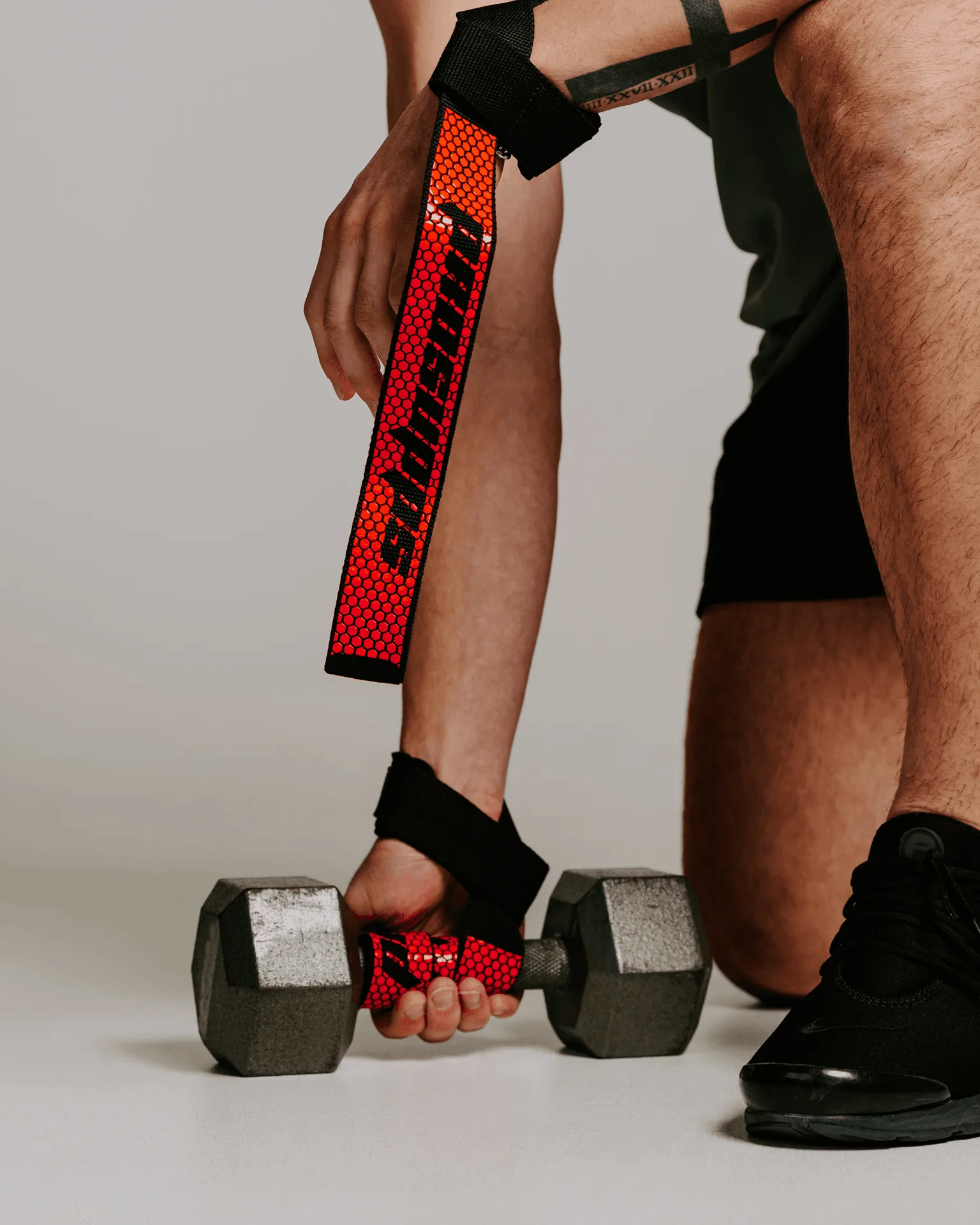
Lifting straps are long strips of fabric, typically made of cotton or nylon, that loop around a barbell and your wrist. They work by transferring the load from your grip to your wrist and forearm, allowing you to hold onto the bar without relying solely on hand strength. This is especially useful for exercises like deadlifts, rows, shrugs, and pull-ups, where grip fatigue can limit your performance.
The primary benefit of lifting straps is that they let you train your target muscles to failure without your grip being the weak link. For example, if you're doing heavy deadlifts, your back and legs might be capable of handling more weight than your hands can hold. Straps bridge that gap, helping you maintain proper form and get more productive training volume.
- Use straps for heavy sets of deadlifts, rows, shrugs, and pull-ups.
- Don't use straps for every set—train your grip strength with lighter sets or hook grip.
- Check your gym's rules; some powerlifting federations ban straps in competition.
Step-by-Step: How to Wrap Lifting Straps
There are several ways to wrap lifting straps, but the most common and secure method is the loop-and-wrap technique. Here's how to do it correctly:
Start by placing the strap over the bar so that the loose end hangs down. Then, loop the strap around the bar and pull the loose end through the loop to create a secure attachment. Next, pass your hand through the loop so the strap rests across your palm, then wrap the loose end around the bar and over your hand. Finally, wrap the remaining strap around your wrist one or two times and grip the bar firmly. The strap should feel snug but not painful.
- Ensure the strap is centered on the bar to prevent uneven loading.
- Wrap the strap in the same direction you grip the bar to avoid loosening during the lift.
- Practice with light weight first to get the feel before going heavy.
Common Mistakes to Avoid
One of the most common mistakes is wrapping the strap too loosely, which causes the bar to slip and the strap to bunch up. Another mistake is wrapping it too tightly, which can cut off circulation and cause discomfort. Also, many lifters wrap the strap around the bar in the wrong direction, leading to the strap loosening as they lift.
To avoid these issues, always double-check your wrap before lifting. Make sure the strap is tight against the bar and your wrist, but not so tight that it's uncomfortable. Also, keep the strap flat against your palm to prevent it from digging into your hand. If you're unsure, ask a trainer or experienced lifter to check your setup.
- Avoid using straps on every exercise—save them for heavy compound lifts.
- Don't use straps for exercises where grip strength is the primary goal, like farmer's walks.
- If the strap is too long, trim it or choose a shorter strap.
Lifting Straps vs. Hooks: Which Is Right for You?
Lifting straps and lifting hooks both serve the same purpose but have distinct differences. Straps allow for a more natural grip and are easier to adjust, while hooks lock your hands in place, providing a more secure hold but limiting wrist mobility. Hooks are often preferred by bodybuilders for machine exercises, while straps are more versatile for free weights.
For most lifters, straps are the better choice because they allow you to release the bar quickly if needed, reducing the risk of injury. Hooks can be dangerous if you need to drop the bar suddenly. If you're a beginner, start with straps and master the technique before considering hooks.
- Straps are better for exercises where you need to release the bar quickly.
- Hooks are useful for high-rep machine work where grip fatigue is a factor.
- Try both to see which feels more comfortable for your training style.
Step-by-Step: Using Lifting Straps
- Step 1: Loop the Strap Around the Bar: Place the strap over the barbell and pull the loose end through the loop to create a secure attachment. Ensure the loop is centered on the bar. Check that the loop is snug against the bar to prevent slipping.
- Step 2: Insert Your Hand Through the Loop: Slide your hand through the loop so the strap rests across your palm, just below the fingers. The strap should be flat against your palm. Make sure the strap is not twisted and lies flat.
- Step 3: Wrap the Strap Around the Bar and Hand: Wrap the loose end around the bar and over your hand, then continue wrapping around your wrist. Aim for one or two wraps around the wrist. The tension should be firm but not cutting off circulation.
- Step 4: Grip the Bar and Lift: Grip the bar firmly with the strap in your palm. Engage your lats and core, then lift. The strap should stay tight throughout the movement. If the strap loosens, re-wrap it more tightly.
- Step 5: Release the Bar Safely: After your set, lower the bar and loosen the strap by pulling the loose end. Never drop the bar while strapped in, as this can cause injury. Practice releasing the strap quickly to ensure safety.
Supplement Your Lifting with ProSupps
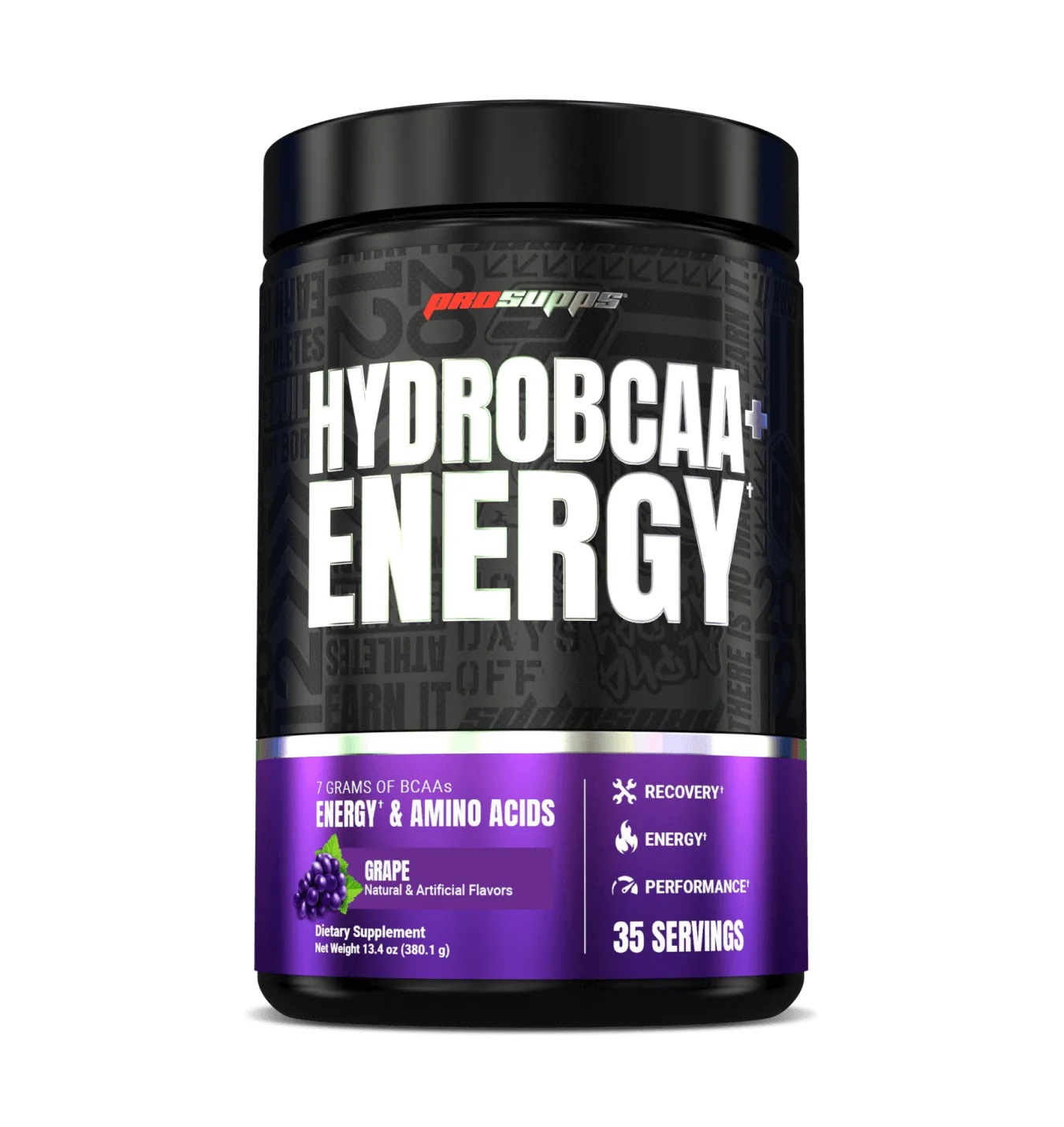
- HydroBCAA +Energy: HydroBCAA + Energy is an amino acid + electrolyte supplement designed to support performance during training, recovery after, and hydration throughout the day. Each serving delivers 7 g of BCAAs in a proven 2:1:1 ratio to help stimulate protein synthesis, reduce muscle breakdown, and maintain critical glycogen stores. Finished with 125 mg of natural caffeine for smooth, sustained energy. When you're lifting heavier with straps, your muscles need extra support. BCAAs and electrolytes can help you stay hydrated and recover faster, so you're ready for your next heavy session.
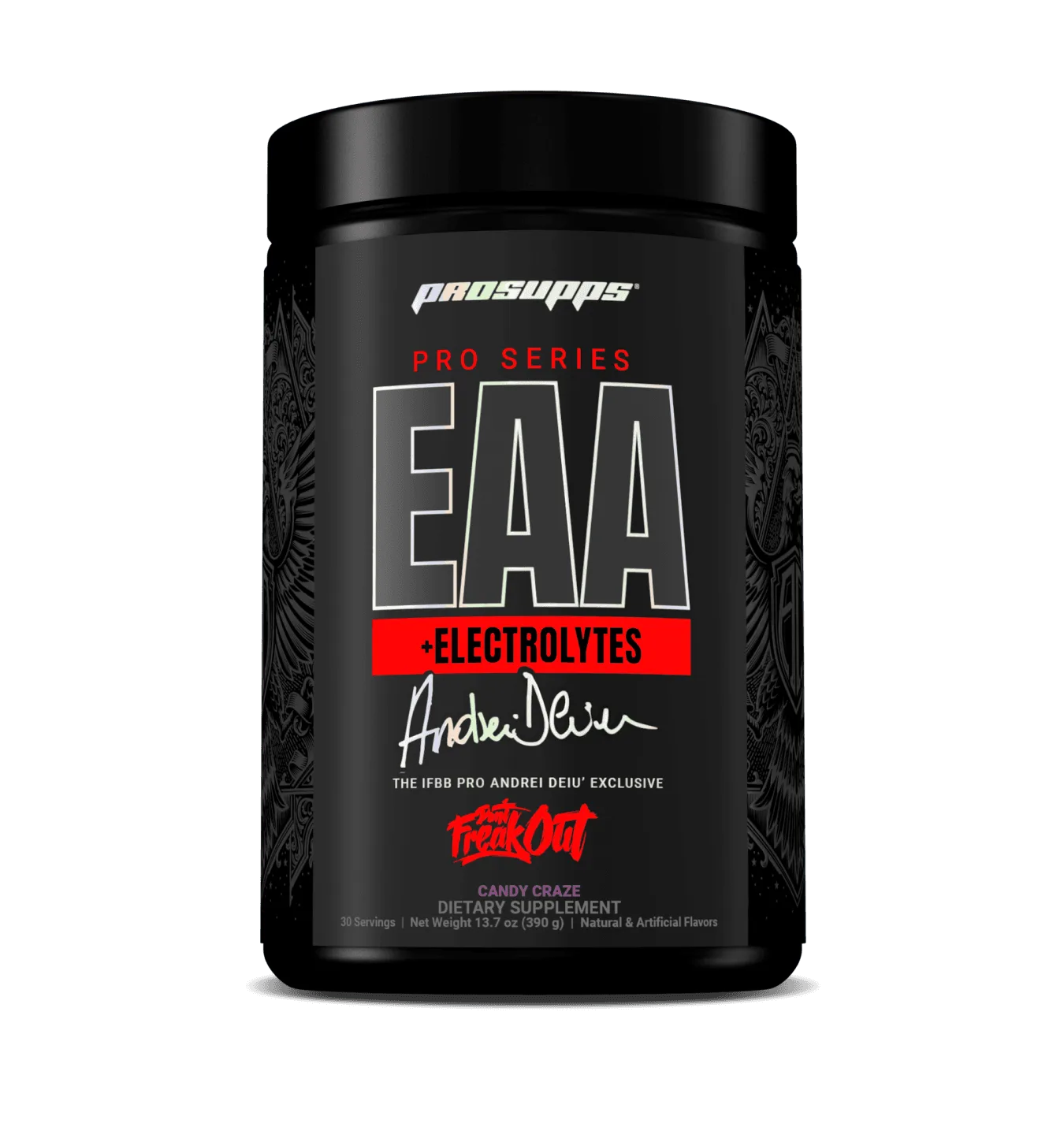
- Pro Series EAA + Electrolytes: Pro Series EAA + Electrolytes is a premium blend of BCAAs, EAAs, and electrolytes that ensures optimal hydration, muscle strength, and growth. For long training sessions where you're pushing heavy weight, this formula can help maintain strength and hydration, complementing your lifting routine.
Lifting straps are an invaluable tool for anyone looking to lift heavier and train more effectively. By following the steps outlined in this guide, you'll be able to use them safely and efficiently. Remember to pair your training with proper nutrition and supplementation, such as HydroBCAA +Energy or Pro Series EAA + Electrolytes, to support your performance and recovery. Now, go strap in and lift heavy!