When you're lost, injured, or waiting for rescue, visibility is your most powerful tool. A lightstick is a compact, reliable, and waterproof light source that can be used for signaling in emergency situations. Unlike flashlights, they require no batteries, produce no heat, and work even when soaked. Knowing how to use a lightstick effectively can make the difference between a quick rescue and a prolonged ordeal.
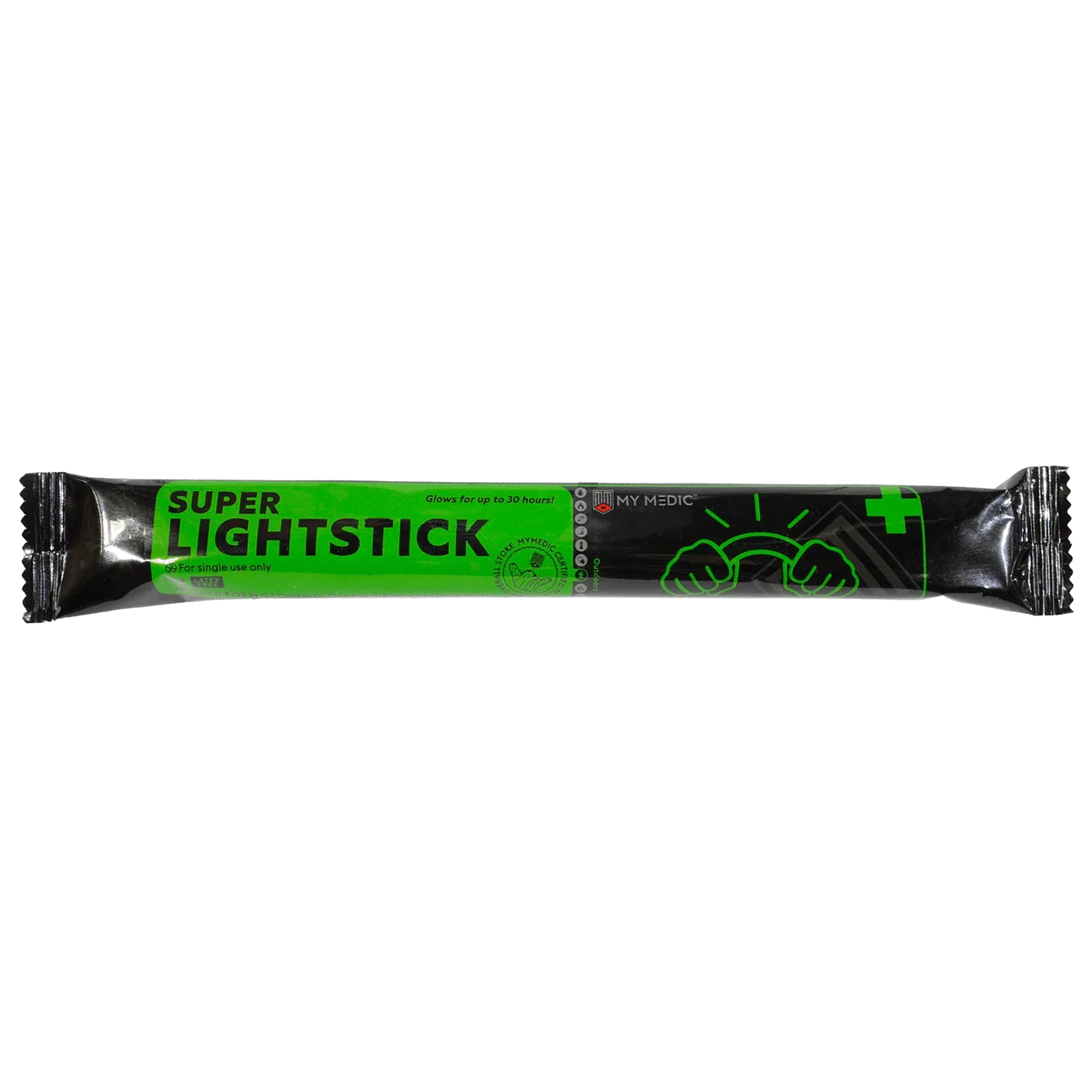
lightstick
In this guide, we'll cover the basics of activating and using a lightstick, explain the meaning behind different lightstick colors, and share practical signaling techniques for land, air, and water. Whether you're a hiker, camper, or prepper, mastering lightstick signaling is a vital survival skill.
Understanding Lightstick Mechanics
Lightsticks, also known as glow sticks, work through a chemical reaction called chemiluminescence. Inside the plastic tube is a glass vial containing hydrogen peroxide; surrounding it is a solution of phenyl oxalate ester and a fluorescent dye. When you bend the stick, the glass breaks, allowing the chemicals to mix and produce light. This reaction is exothermic, but the light output is cold light—safe to touch and use in any environment.
Activation is simple: bend the stick until you hear a snap, then shake it to distribute the chemicals evenly. The light will be brightest in the first few minutes, then gradually dim over several hours. For signaling, you want maximum brightness, so activate the stick right before you need to signal. Some lightsticks come with a lanyard or clip, which makes them easy to attach to your gear or clothing.
- Always carry at least two lightsticks in your emergency kit—one for immediate use and one as a backup.
- Store lightsticks in a cool, dry place to extend their shelf life and maintain brightness.
Choosing the Right Lightstick Color for Signaling
Not all lightsticks are created equal when it comes to signaling. Color matters because it affects visibility against different backgrounds and can convey specific meanings in rescue scenarios. Here's a quick guide to common lightstick colors and their best uses:
Green and yellow are the most visible colors to the human eye in low-light conditions, making them excellent for general signaling. Red is less likely to spook wildlife and is often used to preserve night vision, but it can be harder to see from a distance. Blue is useful at night over snow or water because it contrasts well, but it may be less visible in vegetated areas. White is the brightest but drains the chemical reaction faster, so it's best for short-term, high-visibility signals.
- For aerial rescue, use a bright color like green or yellow—these stand out against most terrain.
- If you need to signal at night without ruining your night vision, use red—it's less glaring.
How to Use a Lightstick for Signaling on Land
On land, your goal is to attract attention from search parties or passing aircraft. One effective technique is to create a visual marker by attaching a lightstick to a high point, such as a tree branch, hiking pole, or your tent. If you're in an open area, you can swing a lightstick in a circular motion overhead—this mimics a signal flare and is more likely to catch a rescuer's eye.
Another method is to place multiple lightsticks in a pattern, such as an arrow pointing toward your location or an 'X' to indicate you need medical assistance. If you're near a trail, hang a lightstick at eye level so searchers can spot it from a distance. Remember to conserve your lightsticks; use one at a time and keep the others unactivated until needed.
- To signal a helicopter, lie on your back and wave a lightstick in a figure-eight pattern—this is a recognized 'come here' signal.
- Use lightsticks to mark your trail if you need to leave your camp to find water or firewood.
Using Lightsticks for Water and Night Signaling
Lightsticks are invaluable for water emergencies because they are waterproof and float. If you're in a raft or clinging to debris, attach a lightstick to your life jacket or a buoyant object to make yourself visible to rescue boats or aircraft. In calm water, you can drop a lightstick into the water to create a glowing marker that shows your position.
At night, lightsticks can be used to create a landing zone for rescue aircraft. Place them in a straight line to indicate the wind direction or form a triangle to mark a safe landing area. If you're signaling from a distance, use a lightstick to draw attention to a reflective surface, like a mirror or a piece of metal, to create a flashing effect.
- Always carry a lightstick in your personal flotation device (PFD) pocket—it's a lifesaver if you end up in the water.
- In a group, have each person carry a different color lightstick to help identify each other in the dark.
Creative Signaling Techniques with Lightsticks
Beyond simple waving, there are several creative ways to use lightsticks for signaling. One popular method is to create a 'glow stick lantern' by placing a lightstick inside a clear water bottle filled with water. This amplifies the light and provides a steady, bright beacon that can be seen from far away.
You can also use lightsticks to mark your location for rescuers who are using night vision goggles—the chemical light is visible through them. If you have multiple lightsticks, you can break them and smear the liquid on rocks or trees to create glowing trail markers (though this is less efficient than using whole sticks). For a more advanced technique, attach a lightstick to a fishing line and swing it in a circle to create a strobe-like effect that is highly visible from the air.
- Practice using lightsticks at home so you're familiar with activation and brightness before you need them in an emergency.
- Combine lightsticks with a whistle or mirror to create a multi-sensory signal that increases your chances of being noticed.
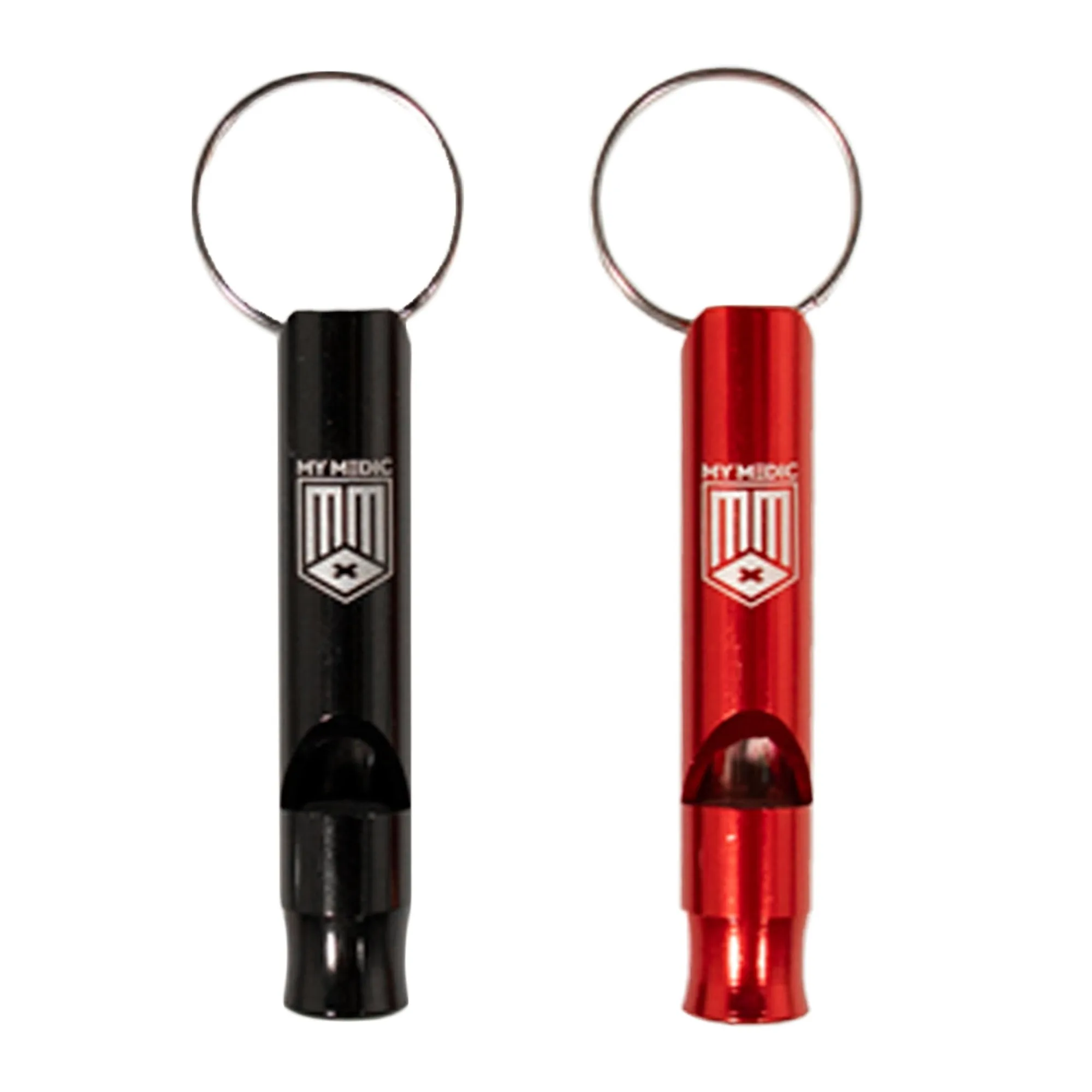
whistle
Lightstick Safety and Storage Tips
While lightsticks are generally safe, the chemicals inside are toxic if ingested or if they come into contact with your eyes. Always supervise children and pets around lightsticks, and dispose of used sticks properly. If a lightstick leaks, avoid skin contact and wash thoroughly with soap and water.
To ensure your lightsticks work when you need them, check their expiration dates regularly and replace them as needed. Store them in a dry, cool place away from direct sunlight. Many preppers include lightsticks in their emergency kits as a backup to flashlights, and they pair well with other signaling tools like whistles and mirrors.
- Rotate your lightstick supply every two years to ensure maximum brightness.
- Keep a few lightsticks in your car, backpack, and boat—you never know when you'll need them.
Mastering lightstick signaling is a simple yet essential skill for anyone who spends time outdoors or prepares for emergencies. By understanding how to activate, color-code, and creatively deploy lightsticks, you can significantly improve your visibility and chances of rescue. Don't wait until an emergency to learn these techniques—practice today and always keep a reliable lightstick in your gear. For a dependable option, consider adding a quality lightstick to your emergency kit and explore our range of survival tools to stay prepared.