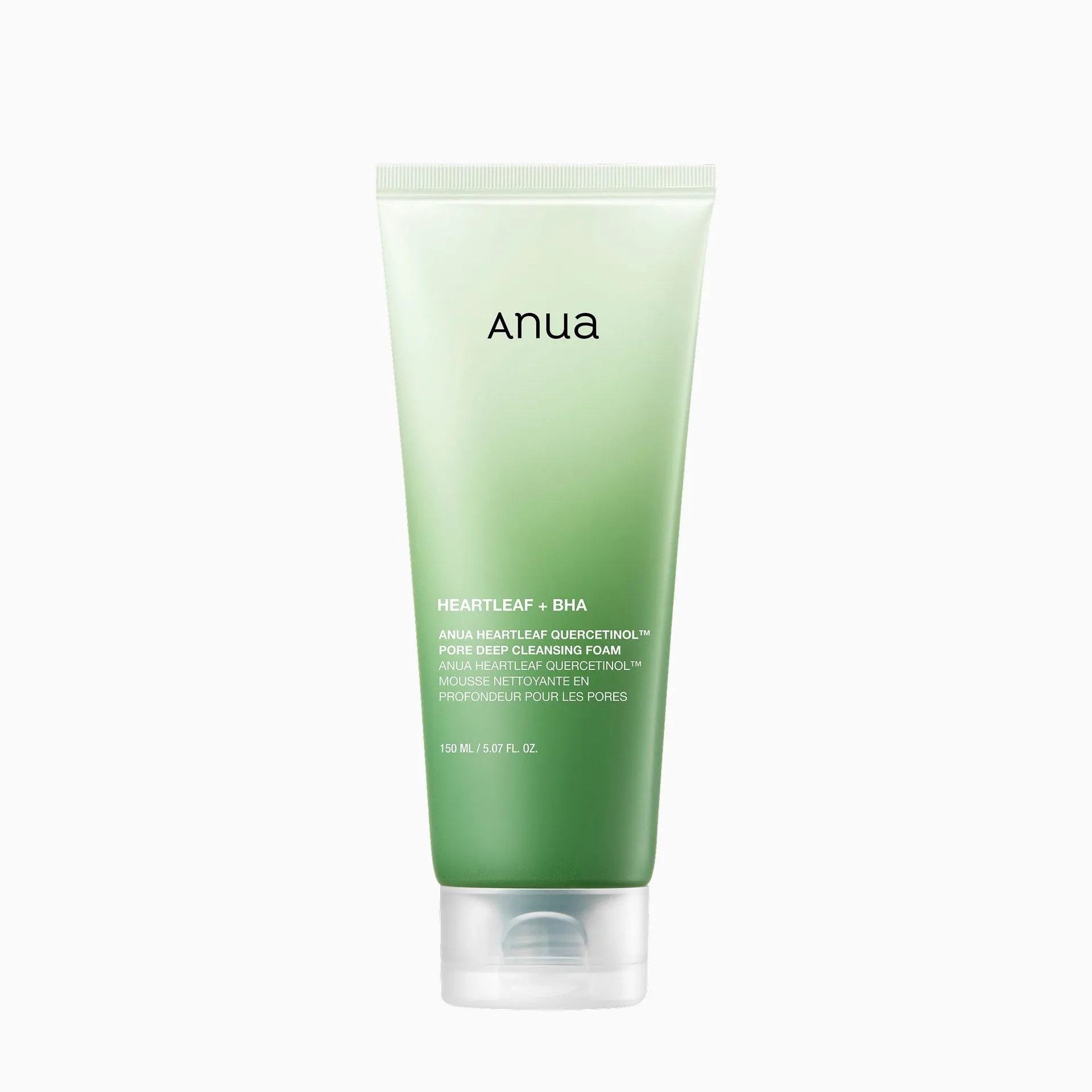
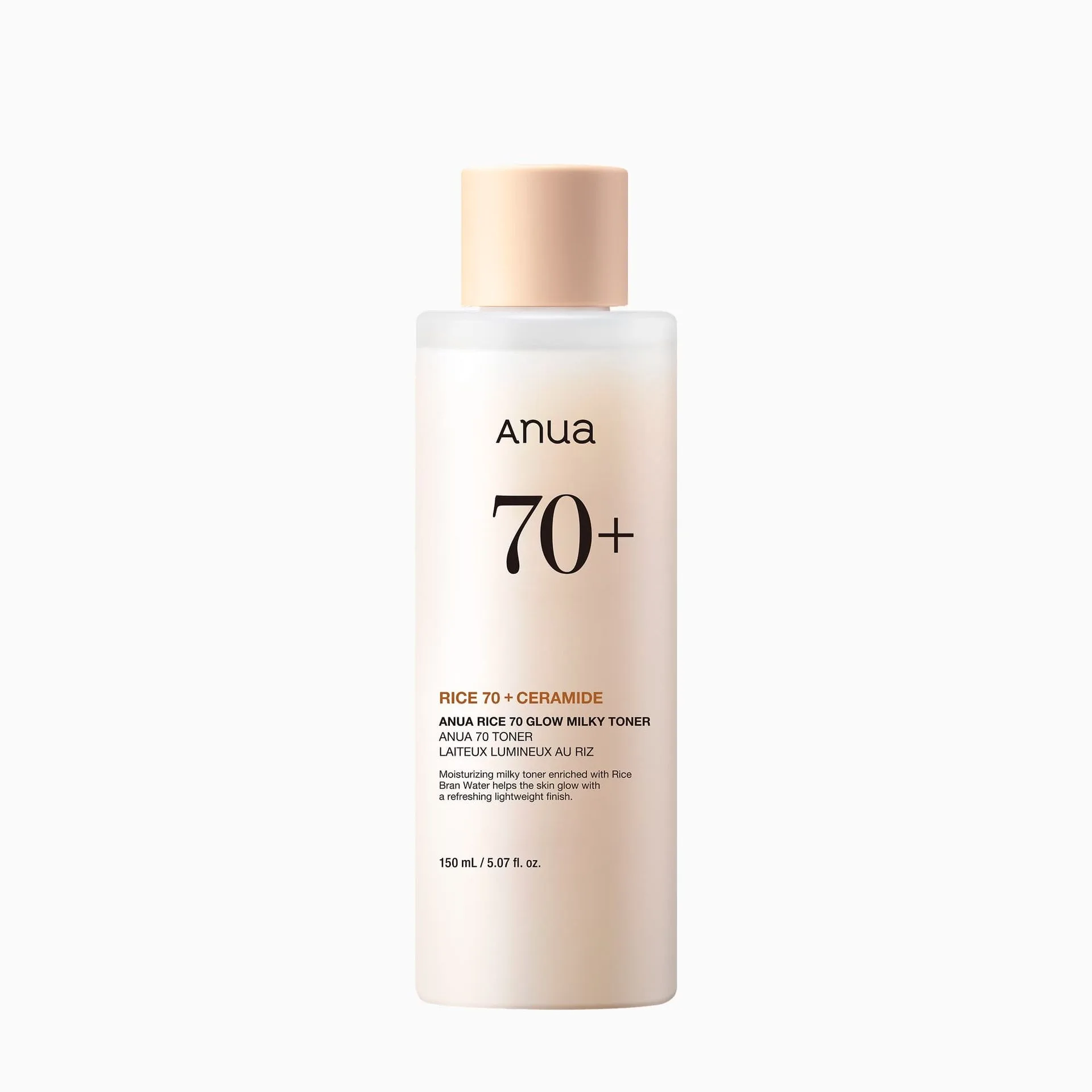
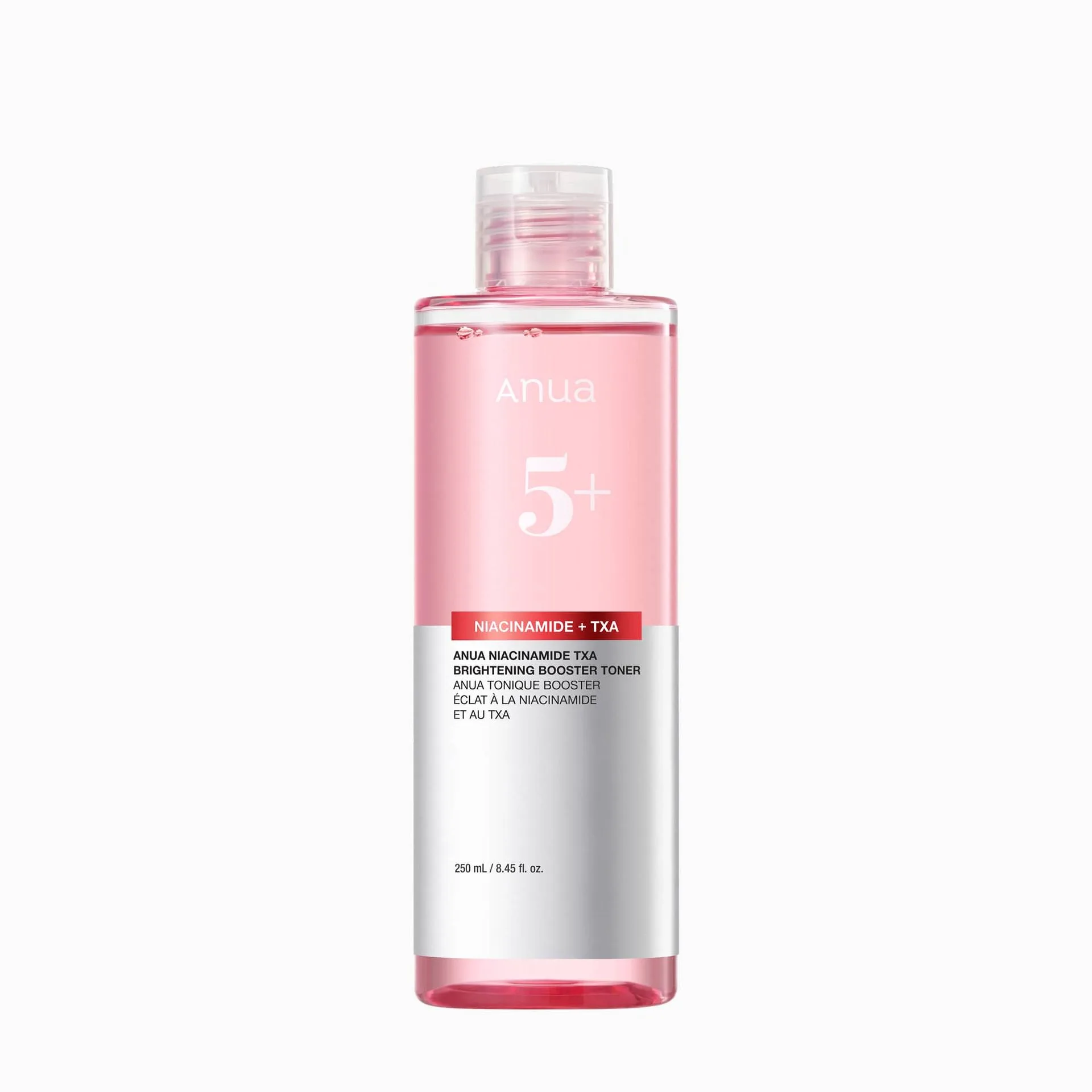
Your skincare routine begins with cleansing, but not all cleansers are created equal. If you have ever felt tight, dry, or irritated after washing your face, your cleanser may be stripping your skin’s protective barrier. Enter the low pH cleanser — a gentle yet effective formula designed to match your skin’s natural acidity. In this comprehensive guide, you will learn exactly how to use a low pH cleanser for balanced, healthy skin, including step-by-step techniques, common mistakes to avoid, and product recommendations from Anua.
What Is a Low pH Cleanser and Why Does It Matter?
A low pH cleanser is a facial wash formulated with a pH level between 4.5 and 5.5, which aligns closely with your skin’s natural pH of around 4.7 to 5.5. Traditional foaming cleansers often have a high pH of 8 or 9, which can disrupt the acid mantle — the thin, protective layer on your skin that guards against bacteria, pollution, and moisture loss. Using a low pH cleanser helps maintain this barrier, reducing the risk of dryness, sensitivity, and breakouts.
When you use a low pH cleanser consistently, you support a balanced microbiome and prevent the overproduction of sebum that often occurs when the skin is stripped. This is especially important for acne-prone and sensitive skin types. Anua’s formulations, such as the Heartleaf Centella Red Spot Cream, work in synergy with a low pH cleanse to calm redness and target blemishes without irritation.
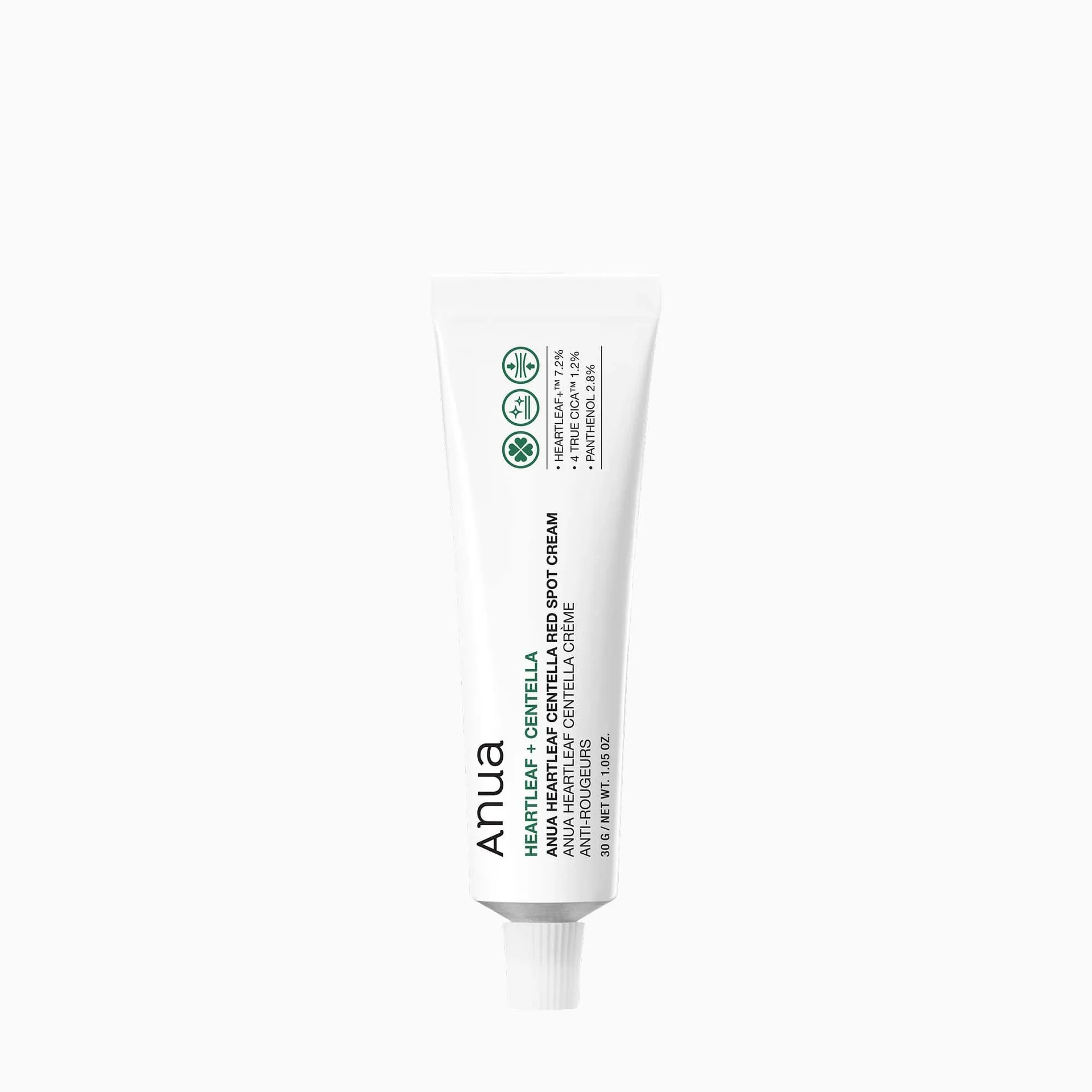
Heartleaf Centella Red Spot Cream
Step-by-Step Guide: How to Use a Low pH Cleanser
Follow these seven steps to get the most out of your low pH cleanser and achieve a glowing, balanced complexion.
Step 1: Start with Dry Hands and a Dry Face
Before applying any cleanser, ensure your hands are clean and dry. Water can dilute the product prematurely, so it’s best to apply the cleanser to dry skin for better control and even distribution.
Step 2: Dispense the Right Amount
Most low pH cleansers are concentrated. Use about a pea-sized amount for your entire face. If you are using a gel or cream formula, you may need slightly more. Avoid overusing, as that can lead to excessive foaming and potential over-cleansing.
Step 3: Lather Gently with Water
Add a few drops of lukewarm water to your hands and work the cleanser into a gentle lather. Do not whip it into a stiff foam — a soft, creamy lather is ideal. Over-foaming can indicate a high pH, so a low pH cleanser should produce a mild, airy foam.
Step 4: Massage in Circular Motions
Apply the lather to your face using upward, circular motions. Focus on areas with excess oil or makeup residue, such as the T-zone, jawline, and chin. Spend at least 30 to 60 seconds massaging to ensure the cleanser removes impurities without rubbing aggressively.
Step 5: Rinse with Lukewarm Water
Rinse thoroughly with lukewarm water — not hot, which can strip natural oils, and not cold, which can trap residue. Use your hands or a soft cloth to gently sweep away the cleanser. Ensure no product remains around your hairline or jaw.
Step 6: Pat Dry (Do Not Rub)
Use a clean, soft towel to pat your skin dry. Rubbing can cause micro-tears and irritation, especially if you have sensitive or acne-prone skin. Leave your skin slightly damp to prepare it for the next steps in your routine.
Step 7: Immediately Follow with Hydrating Products
After cleansing, your skin is most receptive to active ingredients. Apply a toner, serum, or moisturizer within 60 seconds to lock in hydration. For example, after using a low pH cleanser, you can apply a soothing product like the Azelaic Acid CICA Skin Soothing Moisturizer to calm any residual redness and strengthen your barrier.
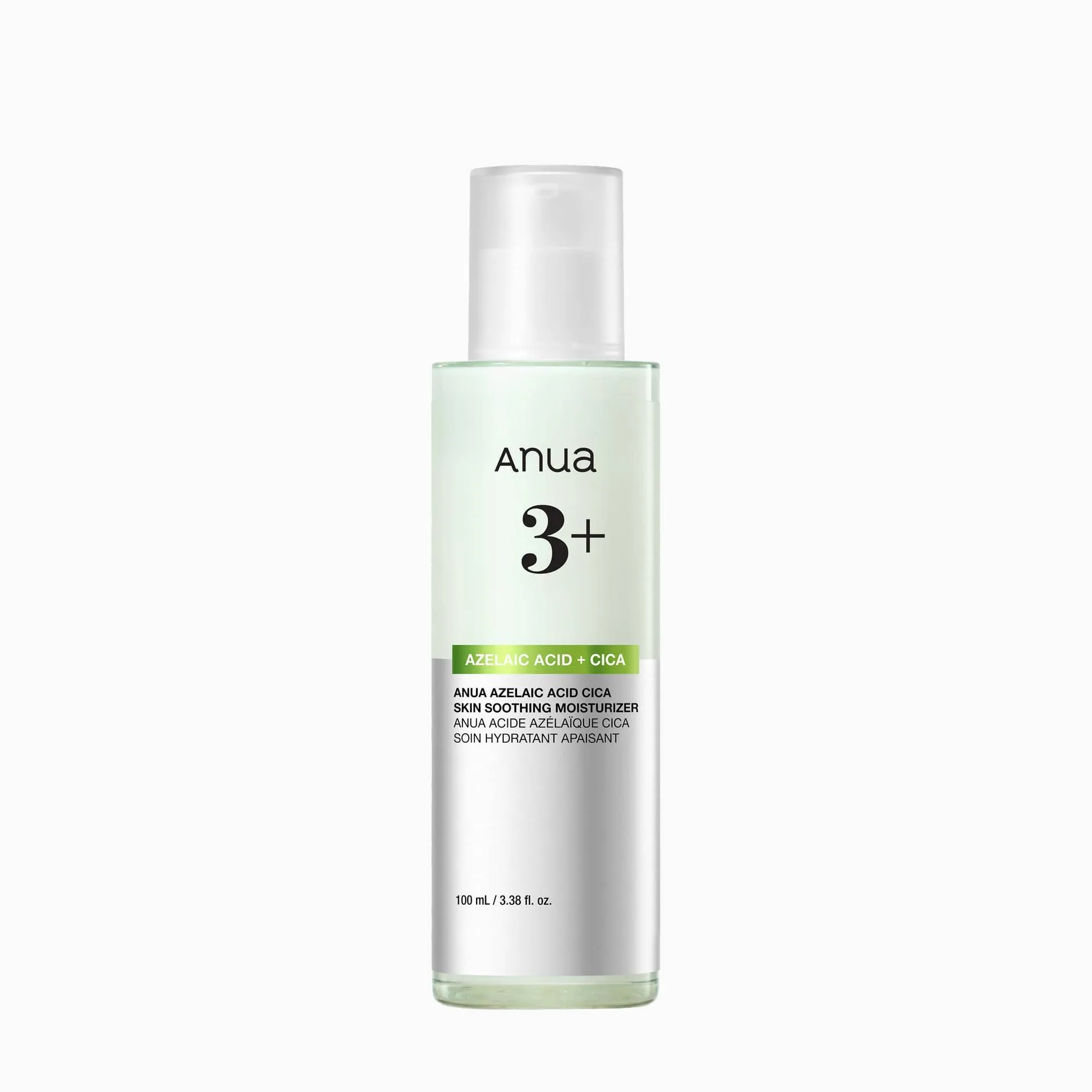
Azelaic Acid CICA Skin Soothing Moisturizer
Common Mistakes When Using a Low pH Cleanser
Even the best product can fail if used incorrectly. Here are the most frequent errors people make and how to avoid them.
- Using too much product: A little goes a long way. Overusing a low pH cleanser can create too much foam and strip the barrier.
- Washing too long: Massaging for more than 1–2 minutes can over-exfoliate. Stick to 30–60 seconds.
- Skipping the pre-cleanse: If you wear makeup or sunscreen, always double cleanse with an oil-based cleanser first. Low pH cleansers are meant for the second cleanse.
- Using hot water: Hot water increases the pH of your skin temporarily and removes essential lipids. Always use lukewarm water.
- Not rinsing thoroughly: Leftover residue can clog pores and cause irritation. Rinse until your skin feels clean, not squeaky.
How a Low pH Cleanser Supports Your Skin Barrier
Your skin barrier is a complex structure of lipids, ceramides, and fatty acids that keeps moisture in and irritants out. When you use a high-pH cleanser, you disrupt this barrier, leading to transepidermal water loss (TEWL), inflammation, and increased sensitivity. A low pH cleanser preserves the acid mantle, allowing your skin to maintain its natural defenses.
Scientific studies show that cleansing with a pH 5.5 product significantly reduces TEWL compared to alkaline cleansers (pH 8+). Over time, this leads to a more resilient, hydrated complexion. To further enhance barrier function, pair your low pH cleanse with a barrier-supporting product like the Rice Ceramide 7 Hydrating Barrier Serum, which delivers ceramides and rice extract to reinforce the skin’s structure.
Who Should Use a Low pH Cleanser?
Almost everyone can benefit from a low pH cleanser, but it is especially essential for:
- Acne-prone skin: High pH cleansers can trigger inflammation and worsen breakouts. A low pH cleanser helps maintain a balanced microbiome.
- Sensitive or reactive skin: Reduces stinging and redness during cleansing.
- Dry or dehydrated skin: Prevents further moisture loss and tightness.
- Mature skin: Supports the barrier, which naturally thins with age.
- Those using active ingredients: Retinoids, AHAs, and BHAs make the skin more vulnerable; a low pH cleanser minimizes additional stress.
When to Use a Low pH Cleanser in Your Routine
Low pH cleansers are ideal for both morning and evening use. In the morning, they gently remove overnight sebum and product residue without stripping. In the evening, use them as the second step of double cleansing. If you use exfoliating acids or retinol, a low pH cleanser is especially important to avoid over-sensitizing your skin.
Signs Your Cleanser pH Is Too High
If you experience any of the following after cleansing, your cleanser may have a high pH:
- Immediate tightness or pulling sensation
- Redness or stinging
- Excessive foaming (like shaving cream)
- Dry patches or flaking within minutes
- Breakouts appearing after cleansing
Switching to a low pH cleanser can resolve these issues within a few days.
Expert Tips for Maximizing Results
- Use a pH test strip: Check your current cleanser’s pH at home. It should be between 4.5 and 5.5.
- Don’t over-wash: Wash twice a day maximum. Over-cleansing can disrupt the barrier even with a low pH product.
- Store your cleanser properly: Keep it in a cool, dry place to maintain its pH stability.
- Combine with a toner: Follow with a pH-balancing toner to further stabilize the skin.
- Hydrate immediately: Apply a moisturizer within 60 seconds to seal in hydration.
Frequently Asked Questions
Can a low pH cleanser help with acne?
Yes, because it maintains the skin’s acid mantle, which is crucial for controlling acne-causing bacteria. Many acne sufferers see fewer breakouts after switching to a low pH cleanser.
Is a low pH cleanser suitable for oily skin?
Absolutely. Oily skin often overproduces sebum when stripped. A low pH cleanser normalizes oil production and prevents the rebound oiliness that follows harsh cleansing.
Do I need to use a low pH cleanser if I have dry skin?
Yes, especially if your current cleanser leaves your skin feeling tight. A low pH cleanser will gently remove impurities without compromising moisture, making it ideal for dry skin.
Can I use a low pH cleanser with retinol?
Yes. Retinol can make the skin more sensitive, so a low pH cleanser is recommended to avoid additional irritation. Pairing it with a soothing product like the Retinol Anti-Aging Duo can help balance efficacy and comfort.
Conclusion: Start Your Balanced Skin Journey Today
Mastering the art of using a low pH cleanser is one of the simplest yet most impactful changes you can make to your skincare routine. By preserving your skin barrier, reducing inflammation, and preventing moisture loss, this gentle cleansing method creates the perfect foundation for the rest of your products. Whether you are targeting acne, redness, or simply want a healthy glow, a low pH cleanser is the first step. Explore Anua’s curated collection of barrier-friendly products to complement your new routine — start with the Heartleaf Centella Red Spot Cream to calm and protect your skin after every cleanse.