When you need to secure gear to your pack, belt, or vehicle, the right strap makes all the difference. Low Profile Super Straps are designed to hold loads firmly without adding bulk or snag hazards. In this guide, we'll show you how to use them effectively for various securing tasks.
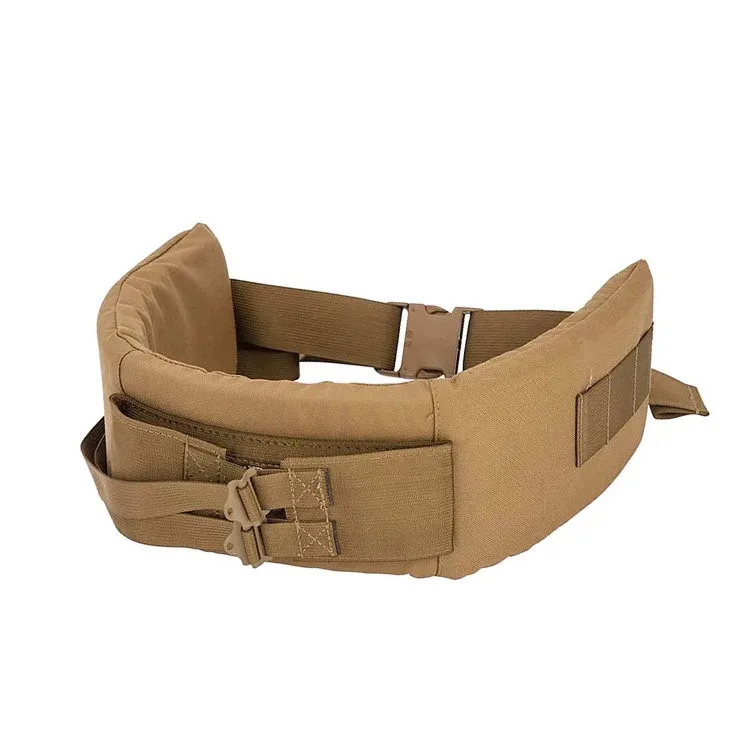
Super Straps
Whether you're lashing down a bedroll, compressing a sleeping bag, or attaching a pouch to MOLLE, these straps offer versatility and reliability. Let's dive into the techniques and tips that will help you get the most out of your Low Profile Super Straps.
Understanding Low Profile Super Straps
Low Profile Super Straps are heavy-duty straps made from high-strength nylon webbing, featuring a low-profile design that reduces bulk and prevents snagging on brush or gear. They typically have a cam buckle or a friction buckle that allows for quick and secure tightening, and they can be used in a variety of configurations.
These straps are ideal for securing loads because they distribute pressure evenly and can be cinched down tightly. Their low-profile nature means they won't interfere with other equipment or create uncomfortable bulges when used on packs or belts. They are also resistant to abrasion and weather, making them suitable for outdoor and tactical use.
- Check the strap's length and adjustability before use to ensure it fits your load.
- Inspect the buckle and webbing for any signs of wear or damage before each use.
Basic Tie-Down Techniques
The most common use for Low Profile Super Straps is tying down gear to a pack or platform. Start by threading the strap through a secure anchor point, such as a compression strap or a MOLLE loop. Pull the strap tight to remove slack, then engage the buckle to lock it in place. For heavier loads, use multiple straps in a crisscross pattern to distribute the weight.
When securing irregularly shaped items, use a 'trucker's hitch' or a simple loop-and-cinch method. Loop the strap around the load, pass the free end through the buckle, and pull to tighten. This creates a secure hold that won't loosen during movement. Always position the buckle away from your body to avoid discomfort.
- For a quick release, use a half-hitch knot instead of a full buckle engagement.
- Use a strap keeper or fold the excess webbing to prevent flapping.
Compressing Loads for Better Pack Stability
Compression is key to keeping your pack stable and comfortable. Low Profile Super Straps can be used to compress bulky items like sleeping bags, clothing, or tents. Attach one end of the strap to a compression loop on your pack, wrap it around the load, and cinch it down. This reduces volume and shifts the weight closer to your back.
For optimal compression, use two straps in parallel, one near the top and one near the bottom of the load. This prevents the load from shifting and maintains a low center of gravity. When compressing, ensure that the straps are not over-tightened, which could damage gear or cause discomfort.
- Place a soft item between the strap and hard gear to prevent abrasion.
- Re-tighten straps after a few minutes of wear as materials settle.
Attaching Accessories to MOLLE and Other Platforms
Low Profile Super Straps are excellent for attaching accessories to MOLLE webbing, belt loops, or other attachment points. Unlike traditional MOLLE clips, straps offer more flexibility in positioning and can accommodate non-standard gear. Thread the strap through the webbing or loops of both the platform and the accessory, then cinch it down securely.
This method is particularly useful for attaching items like pouches, tools, or water bottles that lack standard MOLLE backing. The straps can be routed to distribute weight evenly and keep the accessory close to the body. For heavier items, use two straps in an X-pattern for added stability.
- Use a strap with a buckle that allows for quick release for easy access to frequently used gear.
- Practice attaching accessories before heading out to ensure a secure and comfortable fit.
Using Super Straps for Vehicle or Equipment Securing
Beyond packs, Low Profile Super Straps are great for securing gear in vehicles, on trailers, or to other equipment. Use them to tie down coolers, toolboxes, or fuel cans. The low-profile design prevents snagging and reduces noise during transit. When securing to a vehicle, choose anchor points that are sturdy and won't damage the strap.
For long-term securing, consider using a strap with a cam buckle for easy adjustment. Always double-check the security of your load before driving, and use enough straps to prevent any movement. Remember to protect the strap from sharp edges with padding or by routing it around smooth surfaces.
- Use a strap with a breaking strength that exceeds the weight of your load.
- Avoid over-tightening on soft materials that could be damaged.
Maintenance and Care for Longevity
To ensure your Low Profile Super Straps last for years, proper maintenance is essential. After use in muddy or sandy conditions, rinse them with fresh water and allow them to dry completely before storing. This prevents dirt from grinding into the webbing and reduces wear on the buckles.
Inspect the straps regularly for fraying, cuts, or damaged buckles. If you find any issues, replace the strap immediately to avoid failure during use. Store straps in a cool, dry place away from direct sunlight, which can degrade the nylon over time.
- Clean straps with mild soap and water if they become heavily soiled.
- Lubricate the buckles occasionally with silicone spray to keep them operating smoothly.
Low Profile Super Straps are versatile tools that can greatly enhance your gear securing capabilities. By mastering these techniques, you'll be able to keep your loads stable, your pack comfortable, and your equipment accessible. For high-quality straps that meet your tactical needs, explore the Low Profile Super Straps at Tactical Tailor.