Quick answer
Use a bamboo matcha whisk (chasen) to break up clumps and incorporate air: pre-warm your bowl, sift the matcha, then whisk briskly in a W or M motion with the tines just touching the bottom. Rinse and dry the whisk upright after every use.
Why a bamboo chasen works better than a spoon or frother
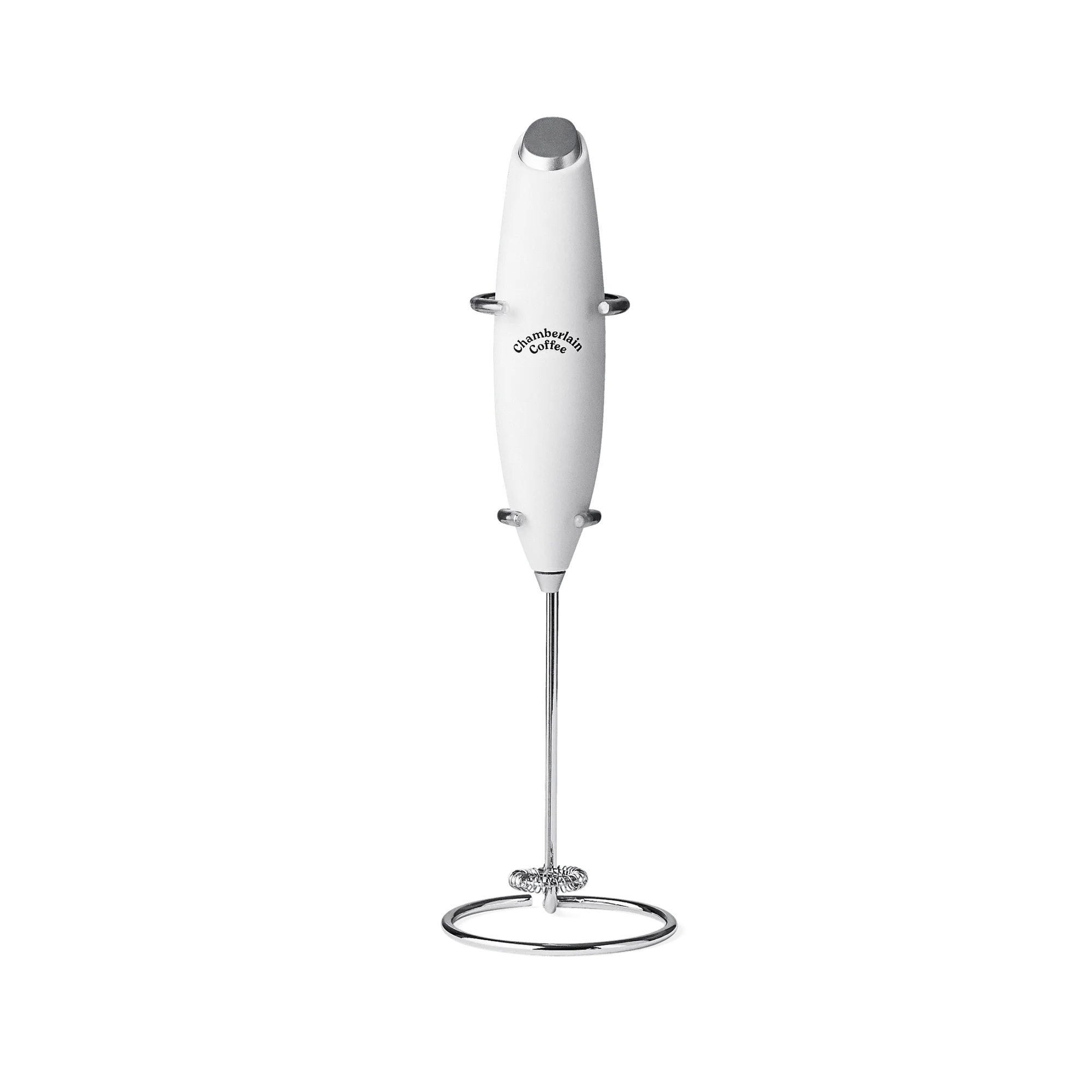
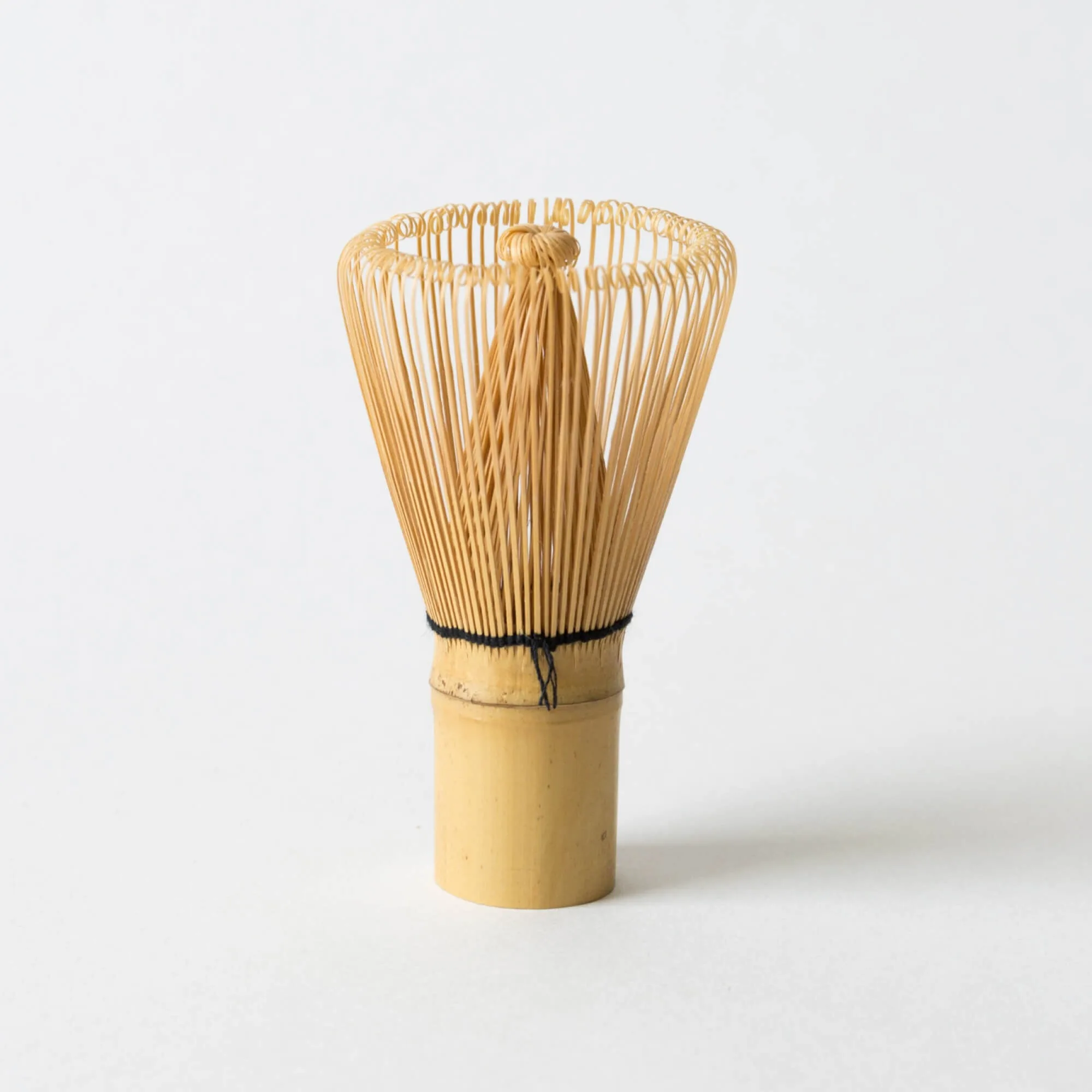
The fine, flexible tines of a bamboo matcha whisk do two jobs at once: they separate powder particles that would otherwise clump, and they whip air into the liquid to create the creamy froth that defines a well-prepared bowl. A spoon stirs but does not aerate, and a milk frother can leave larger bubbles and a thinner texture. No other tool replicates the chasen’s result.
That said, a chasen needs a little technique. Pressing too hard bends the tines; whisking in a circle instead of a zigzag leaves clumps at the edges. The steps below focus on the checkpoints that make the biggest difference.
Matcha whisk care: the habit that keeps tines straight
Bamboo tines are delicate. After each use, rinse the whisk under warm running water—no soap, which can soak into the bamboo—and shake off excess water. Stand it upright on its handle (or use a whisk holder) so it dries in shape. Never put a bamboo chasen in the dishwasher or leave it soaking; both soften the tines and shorten its life.
Store the whisk away from direct heat and moisture. If the tines start to splay or develop a musty smell, it is time to replace it. For a full teaware cleaning routine, see our separate guide on cleaning and caring for teaware.
Step-by-step: whisking matcha without clumps
- Pre-warm and dry your bowl: Rinse the matcha bowl with hot water, then pour it out and wipe the inside dry. A warm, dry bowl keeps the matcha from cooling too fast and gives the whisk a clean surface to work against. Skip this and the first pour can cool the water below your target temperature.
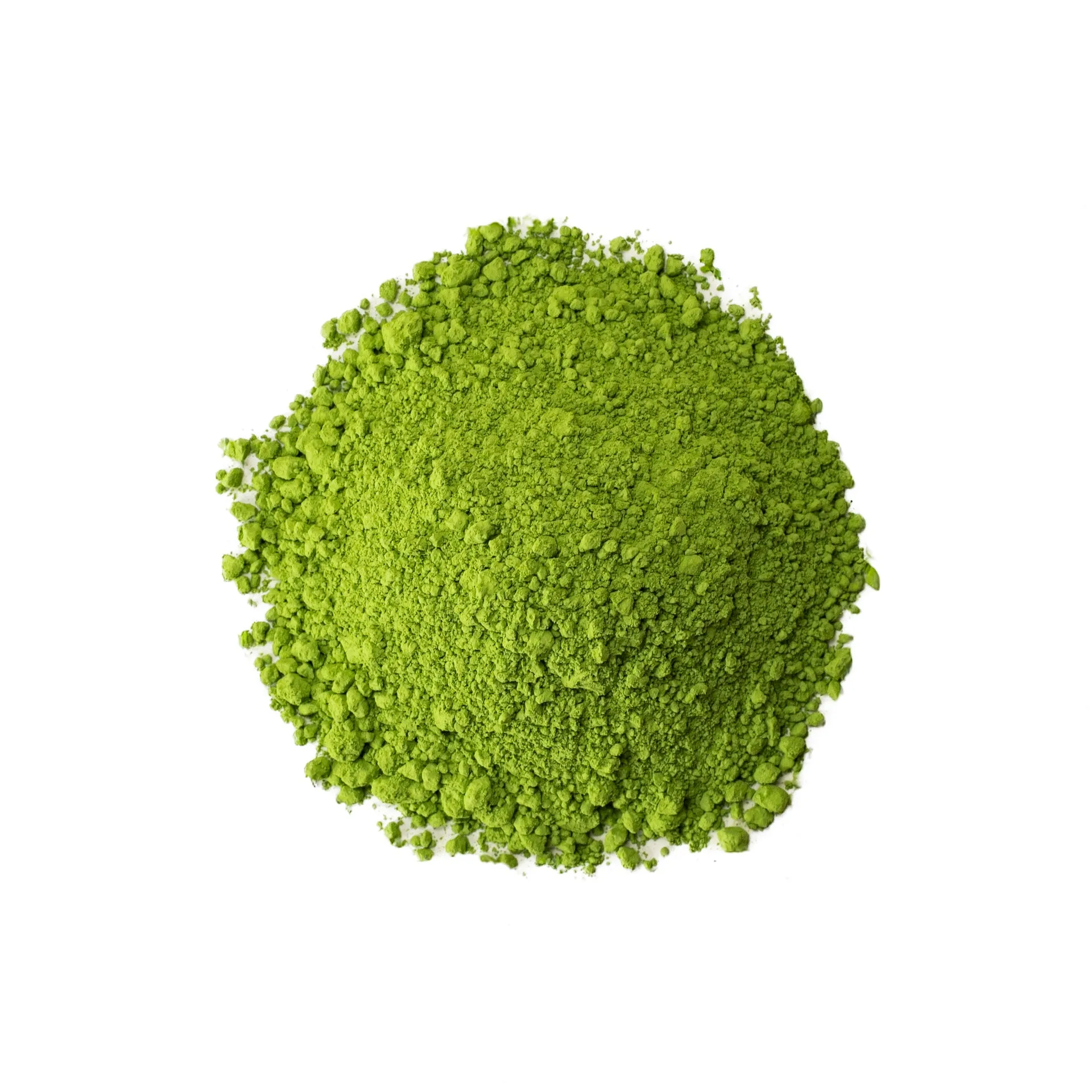
- Sift the matcha into the bowl: Sift about 2 g (roughly 1 teaspoon) of matcha through a fine sieve into the bowl. Sifting breaks up static-prone powder before liquid touches it, which is the single most reliable way to avoid clumps. If you have no sieve, whisk the dry powder briefly with the chasen before adding water.
- Add water at the right temperature: Pour a small amount of hot water—about 60–70 ml (2–2.5 oz)—that is hot but not boiling. Boiling water can make matcha taste harsh and is uncomfortable for the bamboo. Let boiled water rest for a minute or two before pouring.
- Whisk in a W or M motion: Hold the bowl steady with one hand. With the other, hold the chasen upright and whisk briskly in a W or M pattern, keeping the tines just in contact with the bottom of the bowl. Use your wrist, not your whole arm, and keep the motion light. A circular stir is the most common mistake—it leaves powder clinging to the sides and bottom.
- Finish with a slow lift: When a fine froth forms (usually 15–30 seconds), slow the whisk and lift it gently from the center so the foam settles into a soft peak. Tap off excess foam and serve immediately. Over-whisking after the froth forms can make the foam collapse; stop as soon as it looks creamy.
- Rinse and dry the whisk right away: Rinse the chasen under warm water immediately after use, shake off excess, and stand it upright to dry. Do not leave matcha residue in the tines or store the whisk damp. A quick rinse now prevents hardened powder and keeps the bamboo supple for the next bowl.
The tool that makes the difference
-
Matcha Whisk: A bamboo matcha whisk, traditionally called a chasen, has fine tines designed to break up clumps and incorporate air into matcha. That tine structure is what creates the creamy froth and smooth texture a spoon or fork cannot match.
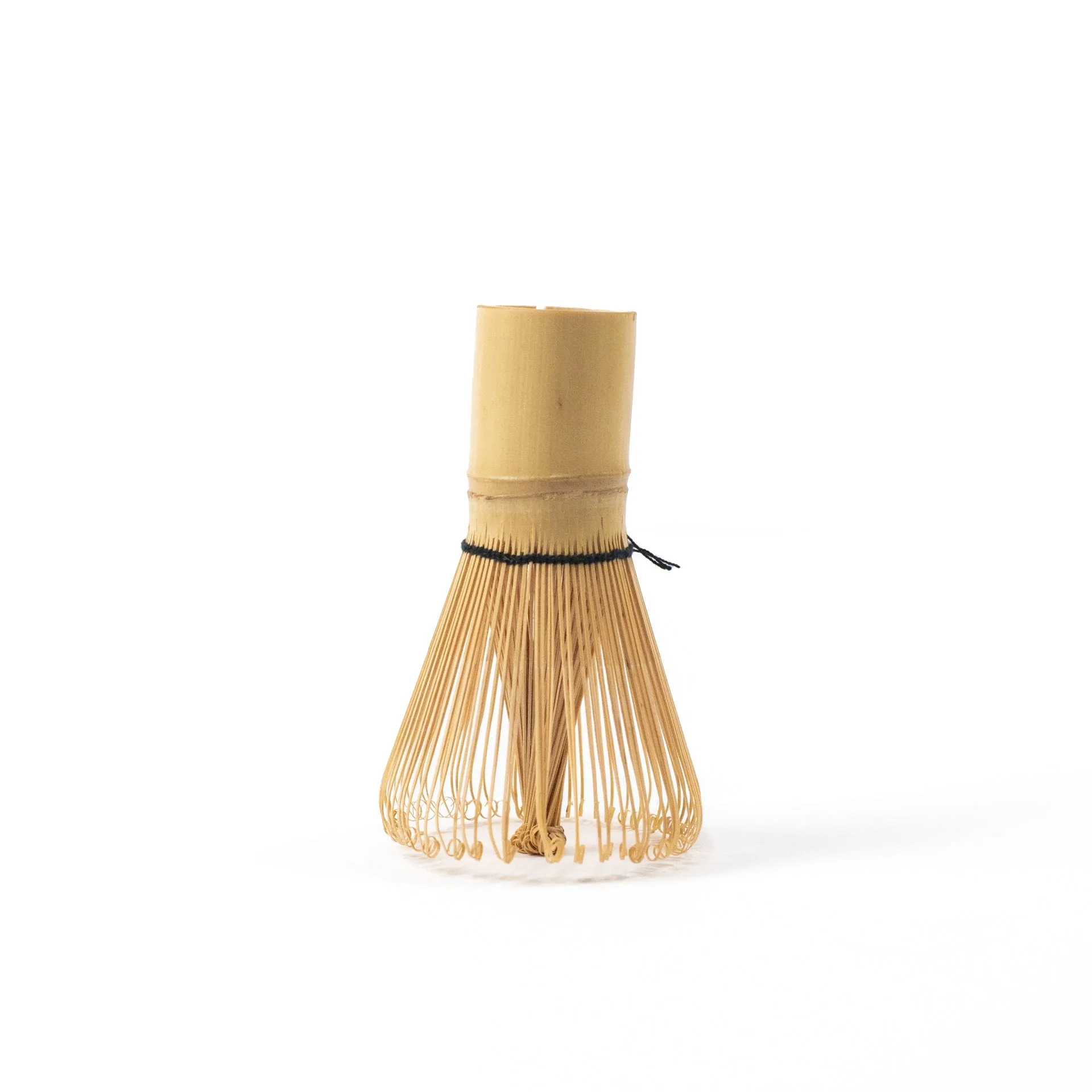
Matcha Whisk