Quick answer
Use MUNCHTIME elephant or dolphin utensils as a mealtime tool: let your child squeeze the hinged chopsticks to make the animal's mouth or trunk move, then guide them to pick up food. This turns eating into a playful activity, which can reduce resistance for picky eaters.
Why animal handle utensils can help picky eaters
Picky eating often stems from a desire for control or a fear of new textures. Playful cutlery gives children a sense of agency: they control the animal's movement, which distracts from anxiety about the food itself.
MUNCHTIME utensils are hinged chopsticks made of food-safe ABS. The elephant's trunk moves up and down with each squeeze, while the dolphin's mouth opens and closes. These interactive elements make the utensil a toy-like object, encouraging kids to engage with their meal.
When to introduce MUNCHTIME utensils
These utensils work best for children who have already mastered using a regular fork or spoon but are resistant to trying new foods. If your child is still developing fine motor skills, the hinged design may be challenging; in that case, start with the elephant, which has a simpler squeeze motion.
Avoid introducing the utensil during a highly stressful meal or when your child is overtired. The goal is fun, not pressure.
Step-by-step: using MUNCHTIME utensils with picky eaters
- Introduce the utensil outside of mealtime: Let your child play with the MUNCHTIME utensil (without food) to explore the squeezing motion. Show them how the elephant's trunk or dolphin's mouth moves. Common mistake: forcing them to use it immediately at the table, which can create resistance. Keep the first interaction pressure-free and playful.
- Pair with a familiar, preferred food: Start by using the utensil to pick up a food your child already loves, like cheese cubes or fruit. This builds confidence and associates the utensil with success. Common mistake: using it first with a new or disliked food, which can backfire. Success with familiar food makes trying new textures more likely later.
- Demonstrate and narrate the action: Show your child how the animal 'eats' by squeezing the chopsticks to grab a piece of food. Use playful language: 'The elephant is hungry! Can you help it pick up the carrot?' Common mistake: turning it into a test ('Now you try'), which adds pressure. Modeling keeps the focus on play, not performance.
- Let your child control the pace: Allow your child to decide when to squeeze and what to pick up. If they refuse, simply move on without comment. Common mistake: praising excessively or coaxing, which can make the utensil feel like a tool for adult approval rather than fun. Neutral encouragement preserves intrinsic motivation.
- Gradually introduce new foods: Once your child is comfortable using the utensil with preferred foods, offer a small piece of a new food alongside a familiar one. Let them choose which to pick up. Common mistake: filling the plate with new foods, which can overwhelm. One new food at a time, always paired with a safe option.
- Keep sessions short and end on a positive note: Limit utensil use to 10–15 minutes or until your child loses interest. End with a success, even if small. Common mistake: pushing through fussiness to 'finish the meal,' which creates negative associations. Short, positive exposures build long-term acceptance.
Product facts
-
MUNCHTIME - ELEPHANT: MUNCHTIME - ELEPHANT features a trunk that moves up and down with every squeeze. The interactive trunk provides immediate visual feedback, which can delight younger children and motivate them to keep using the utensil.
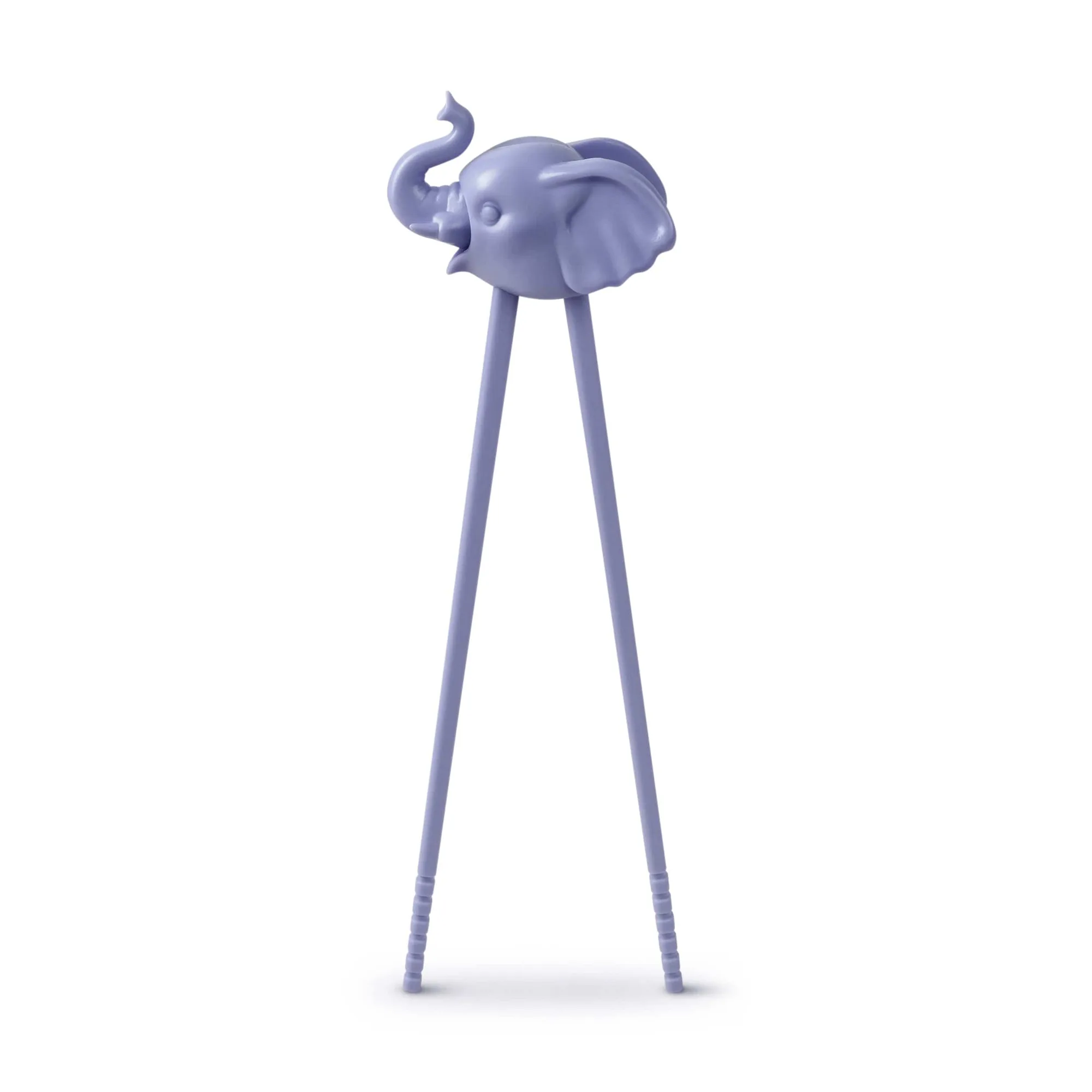
MUNCHTIME - ELEPHANT
-
MUNCHTIME - DOLPHIN: MUNCHTIME - DOLPHIN has a two-tone design and opens its mouth as you squeeze. The opening mouth mimics a feeding action, making it a natural prompt for taking bites and adding a storytelling element to meals.
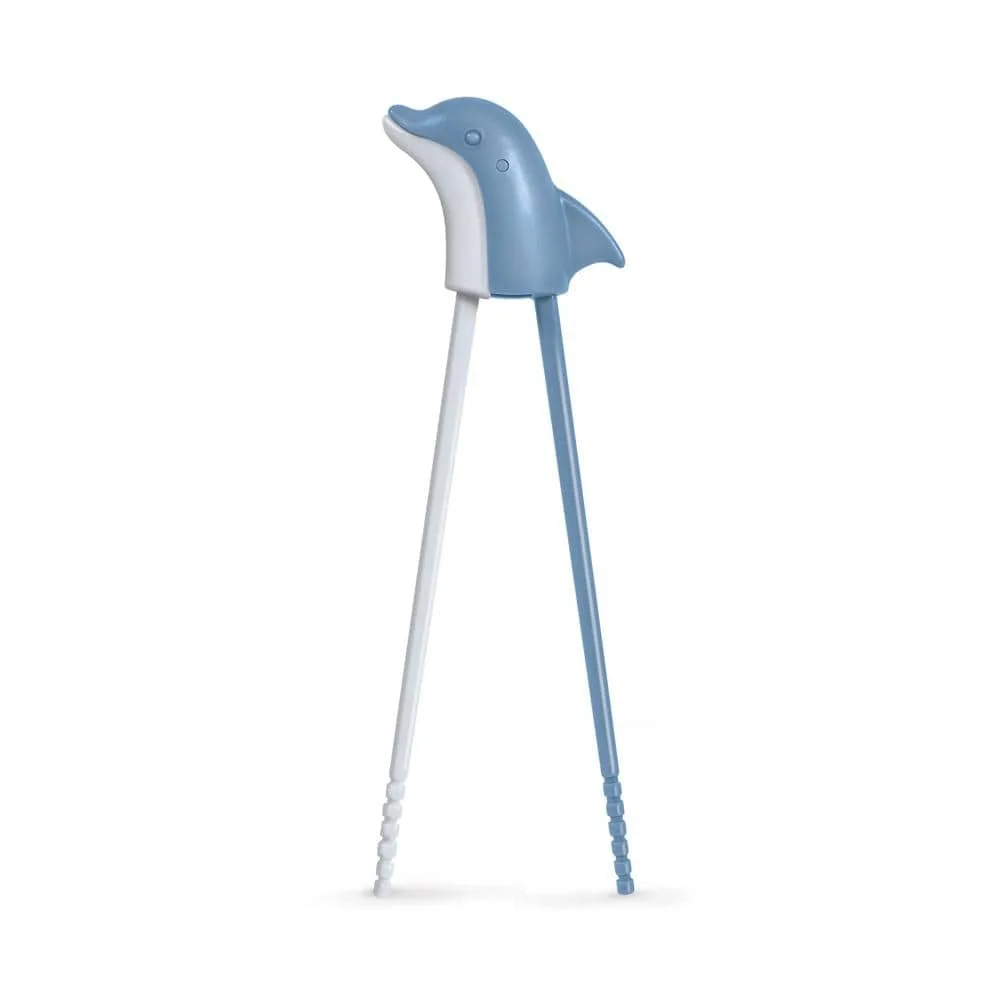
MUNCHTIME - DOLPHIN