Laser hair removal is one of the most effective long-term solutions for unwanted hair, but the sensation of the laser can be uncomfortable—especially on sensitive areas like the bikini line, underarms, or upper lip. Many people describe it as a rubber band snapping against the skin, and for some, the pain can be a barrier to completing their treatment plan. That's where a high-quality numbing cream comes in. When applied correctly, a topical anesthetic can significantly reduce discomfort, allowing you to relax during your session and achieve better results by not tensing up.
In this guide, we'll walk you through everything you need to know about using numbing cream for laser hair removal: how it works, when to apply it, which products to choose, and the best practices for safe and effective use. Whether you're a first-timer or a seasoned laser patient, these tips will help you make your next appointment as comfortable as possible.
Why Use Numbing Cream for Laser Hair Removal?
Laser hair removal targets the pigment in hair follicles with intense pulses of light. While the technology is designed to minimize damage to surrounding skin, the heat generated can cause a stinging or burning sensation. Numbing creams contain active ingredients like lidocaine, prilocaine, or benzocaine that temporarily block nerve signals in the skin, reducing the perception of pain. Using a numbing cream before your appointment allows you to tolerate higher energy settings, which can lead to more effective hair reduction over fewer sessions.
It's important to note that not all numbing creams are created equal. For laser hair removal, you want a product that provides deep, lasting numbness without interfering with the laser's effectiveness. Many dermatologists and laser technicians recommend creams with a lidocaine concentration between 4% and 5%, as these are strong enough to make a difference but still safe for over-the-counter use. Always check with your provider before using any product, as some clinics have specific guidelines.
- Reduces pain and anxiety during treatment
- Allows for higher laser energy settings for better results
- Helps you stay still, improving laser accuracy and safety
- Available over-the-counter for at-home pre-treatment use
When and How to Apply Numbing Cream for Laser Hair Removal
Timing is everything when it comes to numbing cream. Most topical anesthetics require 30 to 60 minutes to reach full effect, so plan to apply the cream about an hour before your appointment. Start by cleansing the treatment area with a gentle, oil-free cleanser to remove any dirt, oil, or skincare products. Pat the skin dry completely—moisture can dilute the cream and reduce its effectiveness.
Using clean fingers or a spatula, apply a thick, even layer of numbing cream to the entire area you plan to treat. Do not rub it in; leave a visible white coating. For larger areas like legs or back, you may need a generous amount. Cover the cream with plastic wrap (like cling film) to enhance absorption and prevent it from rubbing off on clothing. Leave it on for the recommended time, then remove the plastic and gently wipe off the excess cream with a damp cloth or paper towel just before your laser session.
- Apply 30-60 minutes before your appointment for best results
- Use a thick layer—don't skimp on coverage
- Wrap with plastic wrap to boost absorption (but not for face or sensitive areas unless directed)
Choosing the Right Numbing Cream: What to Look For
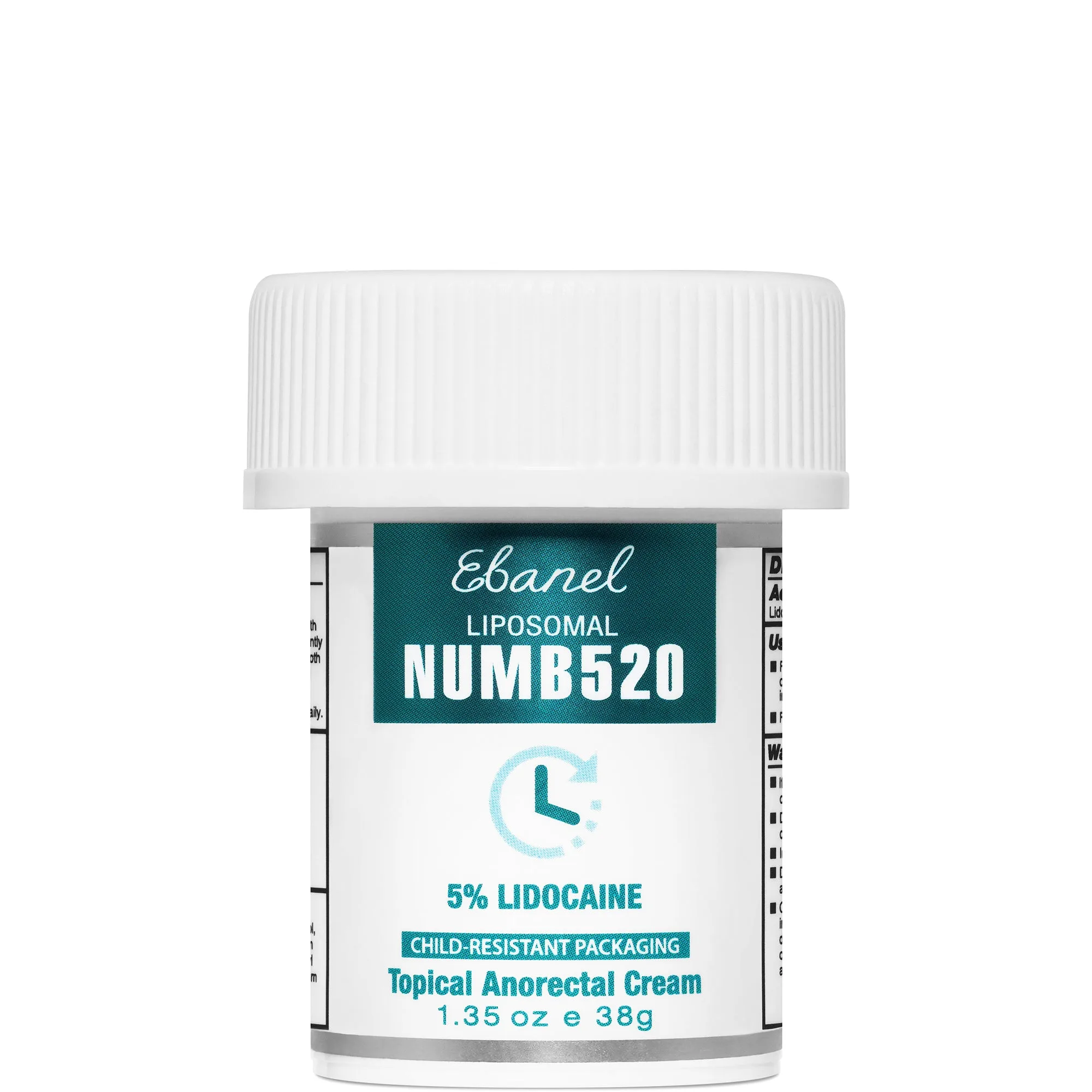
When selecting a numbing cream for laser hair removal, look for products that list lidocaine as the primary active ingredient, typically at 4% or 5%. Avoid creams with added fragrances, dyes, or alcohol, as these can irritate the skin before a laser treatment. A good numbing cream should also be non-greasy and easy to remove so it doesn't interfere with the laser's contact with your skin.
For those with very sensitive skin or undergoing treatment on delicate areas like the face or bikini line, consider a product that also contains soothing ingredients like aloe vera or vitamin E. These can help calm the skin and reduce redness after the laser. Always do a patch test on a small area of skin 24 hours before your appointment to ensure you don't have an allergic reaction.
- Lidocaine 4-5% is the standard for effective numbing
- Avoid products with alcohol or strong fragrances
- Patch test 24 hours prior to your appointment
Step-by-Step Application Guide for Best Results
To maximize the benefits of your numbing cream, follow this simple routine on the day of your laser hair removal appointment. First, shower and exfoliate the treatment area gently to remove dead skin cells. This allows the cream to penetrate more effectively. Pat dry and avoid applying any lotions, deodorants, or makeup on the area. Next, apply the numbing cream as described above—thick layer, optional plastic wrap, and wait the full recommended time.
When you arrive at the clinic, let your technician know you've used a numbing cream. They may ask you to wipe off any residue before starting. Some clinics prefer that you apply the cream at home and remove it right before the session, while others may have their own protocol. Communication is key. After your laser treatment, avoid applying any additional creams or products to the treated area for at least a few hours to prevent irritation.
- Exfoliate and cleanse the area before application
- Apply a thick, even layer and cover with plastic wrap if safe
- Remove excess cream just before the laser session
Safety Tips and Precautions When Using Numbing Cream
While numbing creams are generally safe for topical use, there are important precautions to keep in mind. Never apply numbing cream to broken, irritated, or sunburned skin, as this can lead to excessive absorption and side effects. Avoid using it on large areas of the body without consulting a doctor, as too much lidocaine can be absorbed into the bloodstream and cause dizziness, confusion, or even cardiac issues in rare cases.
Also, be aware that some numbing creams contain vasoconstrictors like epinephrine, which can reduce blood flow and affect laser hair removal results. Stick to plain lidocaine-based creams unless your provider recommends otherwise. If you experience any tingling, swelling, or rash after application, wash off the cream immediately and do not proceed with the laser treatment. Always store numbing creams out of reach of children and check expiration dates before use.
- Do not use on broken or irritated skin
- Avoid over-application on large body areas
- Consult your laser technician about the product you plan to use
Using a numbing cream for laser hair removal can transform an uncomfortable experience into a manageable one, helping you stay consistent with your treatments and achieve smoother skin faster. By choosing the right product, applying it correctly, and following safety guidelines, you can enjoy virtually pain-free sessions. For a reliable option, consider exploring Ebanel's selection of numbing creams and skincare solutions designed to support your laser hair removal journey.