Getting Started with Your Nursing Pillow
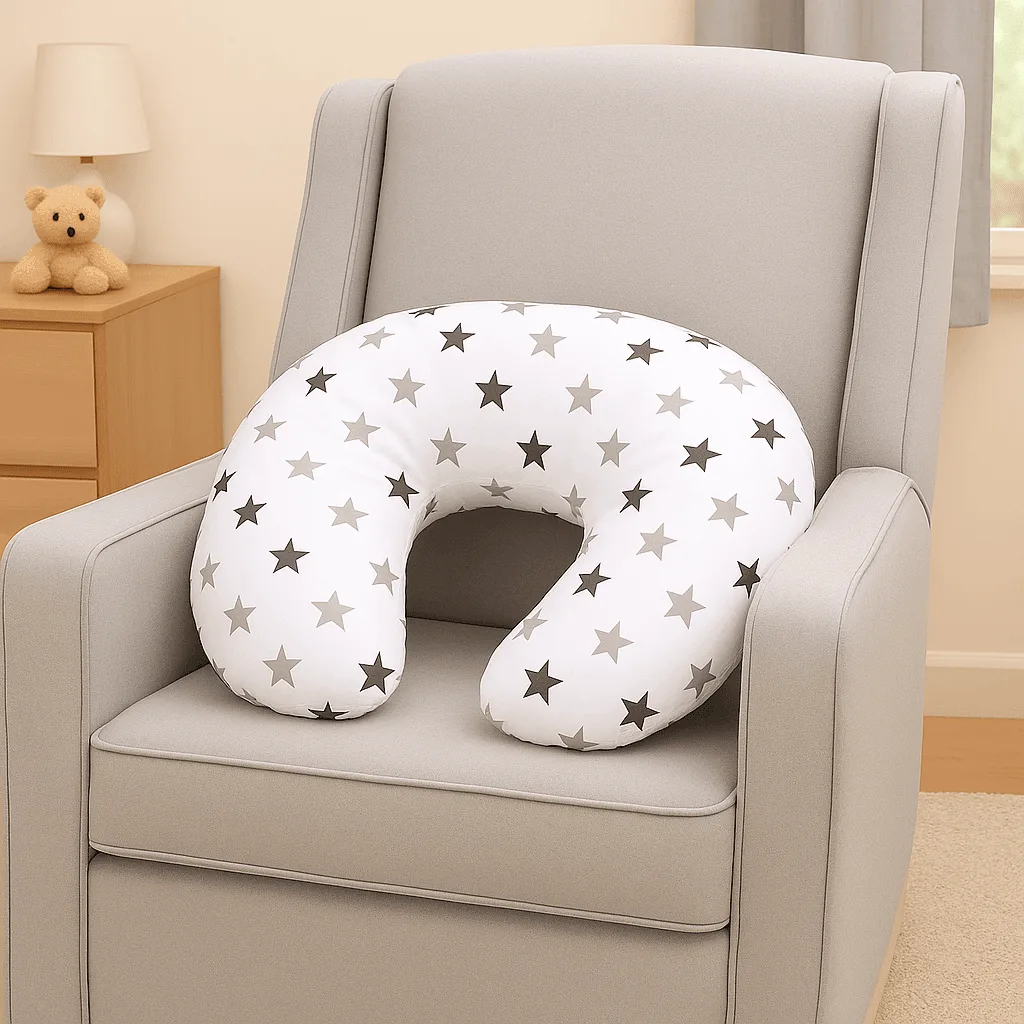
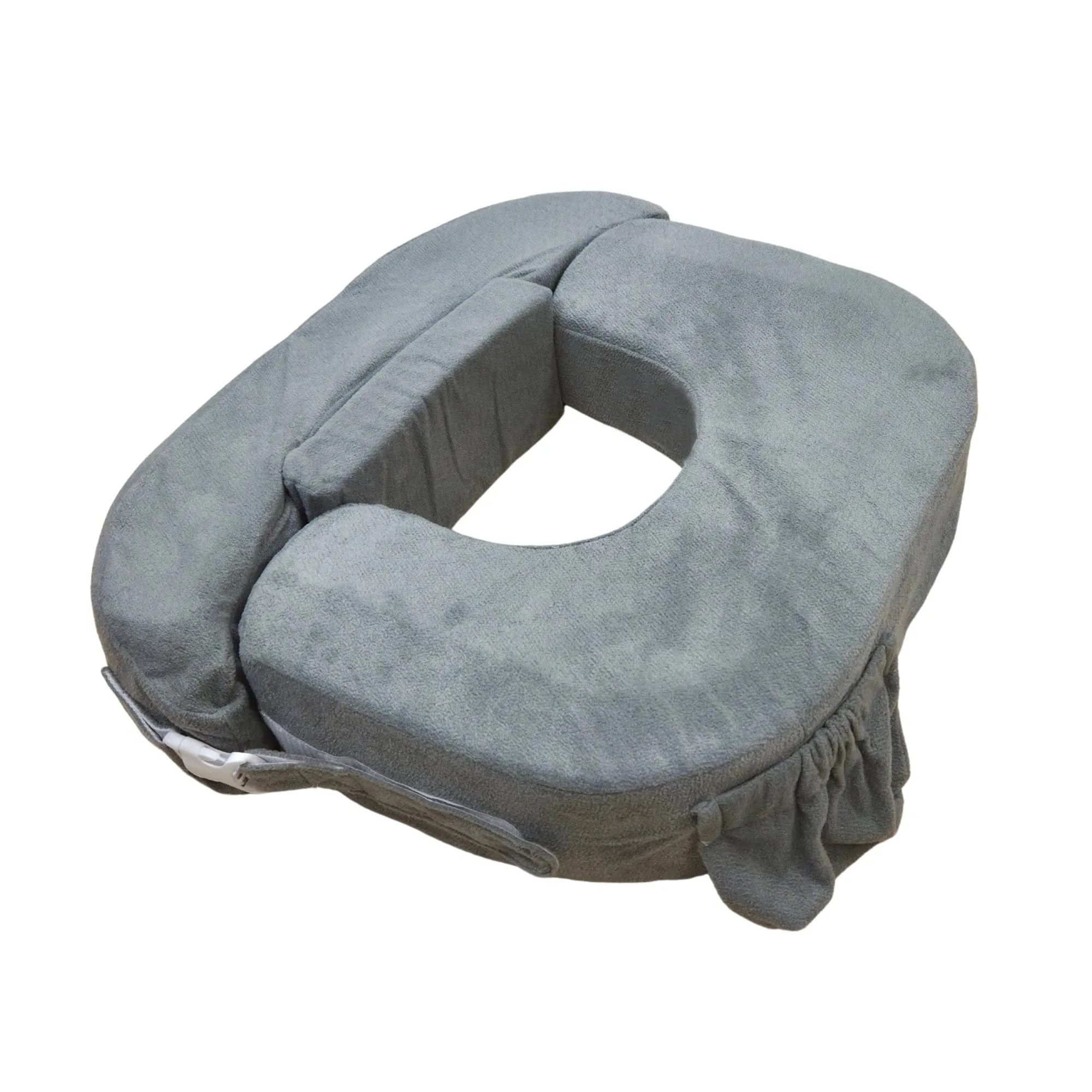
A nursing pillow can make breastfeeding more comfortable by raising your baby to breast height, reducing strain on your back, arms, and neck. The key is positioning the pillow so your baby's nose is level with your nipple, allowing a deep latch without you leaning forward.
Before you begin, place the nursing pillow around your waist, with the thicker side (if your pillow has one) at the front. Sit in a chair with good back support, or use extra cushions behind your lower back. The pillow should feel snug against your body without restricting your baby's movement.
Positioning Your Baby for Breastfeeding
Follow these steps to use a nursing pillow effectively for breastfeeding.
- 1. Position the pillow: Place the nursing pillow around your waist, centered with the front edge supporting your baby. If your pillow has a raised edge or contoured shape, orient it so the highest part supports your baby's head.
- 2. Place your baby on the pillow: Lay your baby on the pillow with their tummy facing yours. Their head should rest at the front of the pillow, slightly higher than their feet, and their nose should be level with your nipple.
- 3. Adjust for comfort: Bring your baby close to your body by sliding the pillow closer. Your baby's head should be directly in front of your breast, not tucked under your arm. Use your free hand to support your breast if needed.
- 4. Check the latch: Your baby's mouth should cover a large part of the areola, with their chin touching the breast and nose free. If you need to lean forward, the pillow is too low—add a folded towel under the pillow to raise it.
Key Features of the Sebra Nursing Pillow
-
Sebra Puslepude - Sebra Care - Birchbark rose: The Sebra nursing pillow is made of molded PUR foam (polyurethane), a durable and soft material suitable for long-term use. PUR foam keeps its shape over time, so the pillow maintains consistent height and support for breastfeeding sessions.
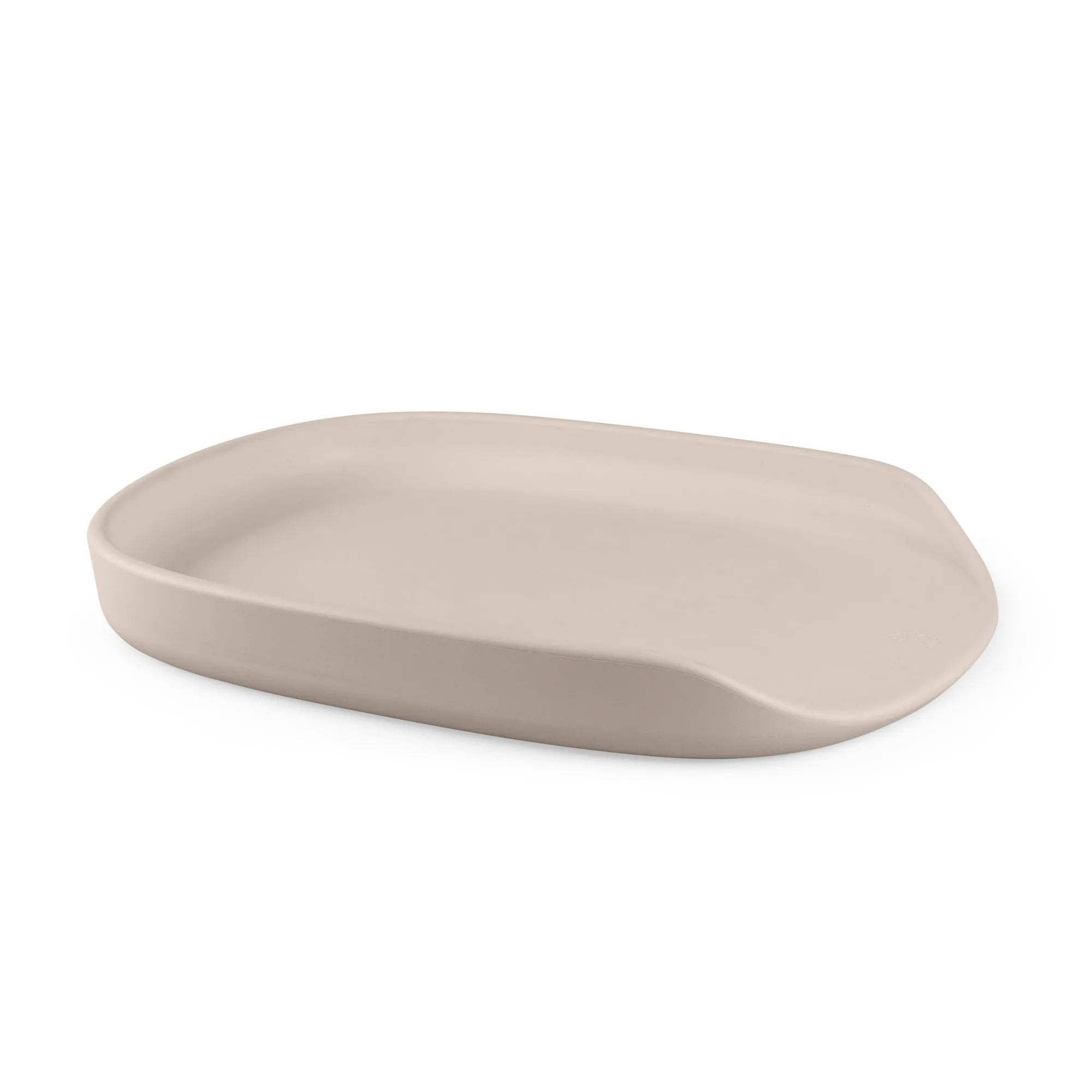
Sebra Puslepude - Sebra Care - Birchbark rose
-
Sebra Puslepude - Sebra Care - Birchbark rose: The pillow has a water-repellent surface that is easy to clean with water or soap, and can also be disinfected with up to 70% alcohol. Spit-up, milk leaks, and diaper changes are common around feeding time. A wipe-clean surface saves effort and keeps the pillow hygienic.
-
Sebra Puslepude - Sebra Care - Birchbark rose: The babynest-like design with a raised edge helps prevent your baby from rolling off the pillow. Active babies who move during feeds stay safely on the pillow, and the soft edge also protects their head if they bump against a changing table or hard surface.
Alternative Nursing Pillow Positions
Beyond the standard cradle hold, a nursing pillow can support other breastfeeding positions. For the football hold, place the pillow to your side so your baby's body tucks under your arm. In side-lying position, use the pillow behind your back for support or between your knees to align your hips.
The pillow also works well for bottle-feeding or for propping your baby in a semi-reclined position during burping. Experiment with the pillow's placement to find what feels natural for you and your baby.
Caring for Your Nursing Pillow
To keep the Sebra nursing pillow clean and safe, wipe the surface with water or mild soap after each use. For deeper cleaning, you can disinfect the pillow with up to 70% alcohol without damaging the material. The pillow is also suitable for a quick rinse under the shower if needed.
Avoid using abrasive cleaners or scrubbing pads, as these may damage the water-repellent coating. Air-dry the pillow completely before storing it. The molded PUR foam is durable, but small air bubbles and color variations in the surface are natural and do not affect performance.