Quick Answer
Use organic dried rosemary sparingly in roasts and breads—add it early to release flavor, but avoid overdoing it or it can turn bitter.
Why Dried Rosemary Behave Differently from Fresh
Dried rosemary has a more concentrated flavor than fresh, so a little goes a long way. It also needs time and moisture to rehydrate and release its oils, which is why it works best when added early in cooking or mixed into dough before baking.
One common mistake is treating dried rosemary like fresh and using the same volume. Since drying intensifies flavor, you typically need only about one-third the amount of fresh rosemary when substituting.
Step-by-Step Guide to Using Dried Rosemary in Roasts and Breads
- Start with the Right Amount: For roasts, use about 1 teaspoon of dried rosemary per pound of meat. For breads, add 1 to 2 teaspoons per 3 cups of flour. Remember, dried rosemary is more potent than fresh, so adjust to taste. Always err on the side of less—you can add more later, but you can't take it out.
- Crush or Chop It Before Use: Dried rosemary leaves are tough and can be unpleasant to bite into. Crush them with your fingers or chop them finely before adding to rubs, marinades, or dough. This releases more flavor and improves texture. Crushing also helps the herb distribute more evenly throughout the dish.
- Add Early in Roasting for Deep Flavor: In roasts, rub the dried rosemary onto the meat at least 30 minutes before cooking, or better, marinate overnight. This allows the herb to rehydrate and infuse the meat as it cooks. For breads, mix the dried rosemary into the dry ingredients before adding liquids. Adding early prevents the herb from burning on the surface and ensures the flavor permeates the dish.
- Mind the Oven Temperature: Rosemary can turn bitter if exposed to high heat for too long. For roasts, keep the oven at moderate temperatures (around 350°F/175°C) and avoid placing the herb directly on the surface where it might scorch. For breads, a standard 375°F (190°C) bake is fine, but avoid over-baking. If you notice the rosemary darkening too quickly, cover the dish with foil to prevent burning.
- Balance with Other Flavors: Dried rosemary pairs well with garlic, lemon, olive oil, and black pepper. In breads, try combining it with olive oil and sea salt for a savory loaf. Don't let rosemary overpower the dish—use it as a supporting note, not the main flavor. Taste as you go, especially in breads, since the flavor develops during baking.
Product Spotlight
-
Holistic Corner Organic Dried Rosemary leaves 30g: Holistic Corner Organic Dried Rosemary leaves, also known as Rosmarinus officinalis, are packed with essential oils, antioxidants, and nutrients. The essential oils are what give dried rosemary its aroma and flavor, so choosing a quality organic product ensures your roasts and breads get the full benefit.
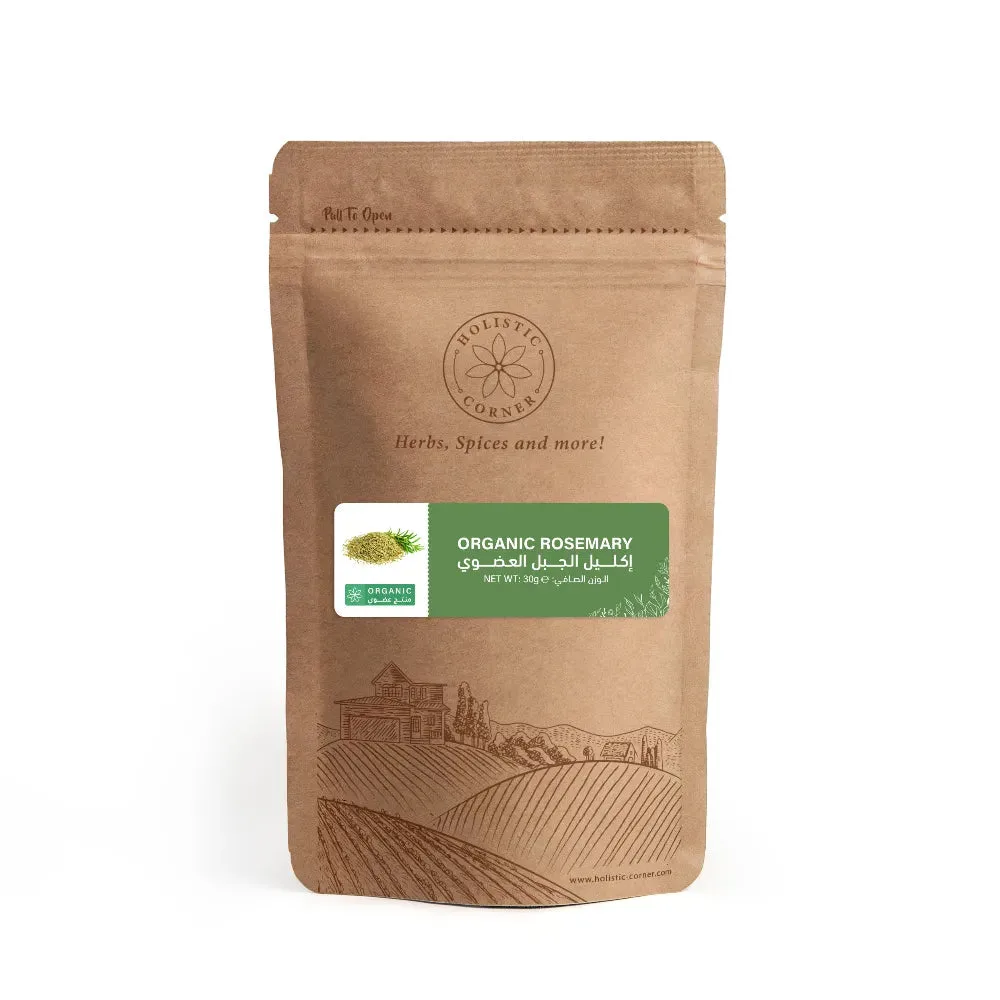
Holistic Corner Organic Dried Rosemary leaves 30g