Why Use Organic Premium Matcha in Baking?
Organic premium matcha green tea powder adds a vibrant green color and a distinctive earthy, slightly sweet flavor to baked goods. Unlike regular green tea, matcha is a finely milled powder made from shade-grown tea leaves, so it blends smoothly into batters and doughs without steeping or straining. Its antioxidant content and gentle caffeine also make it a popular choice for energy-boosting treats.
What the Catalog Says About This Matcha
-
Organic Premium Grade Matcha Green Tea Powder: Organic premium grade matcha green tea powder is finely milled and rich in antioxidants, with 137 times more antioxidants than brewed green tea. This high antioxidant content is why matcha retains its nutritional value even after baking, and the fine milling ensures it dissolves evenly into batters without graininess.
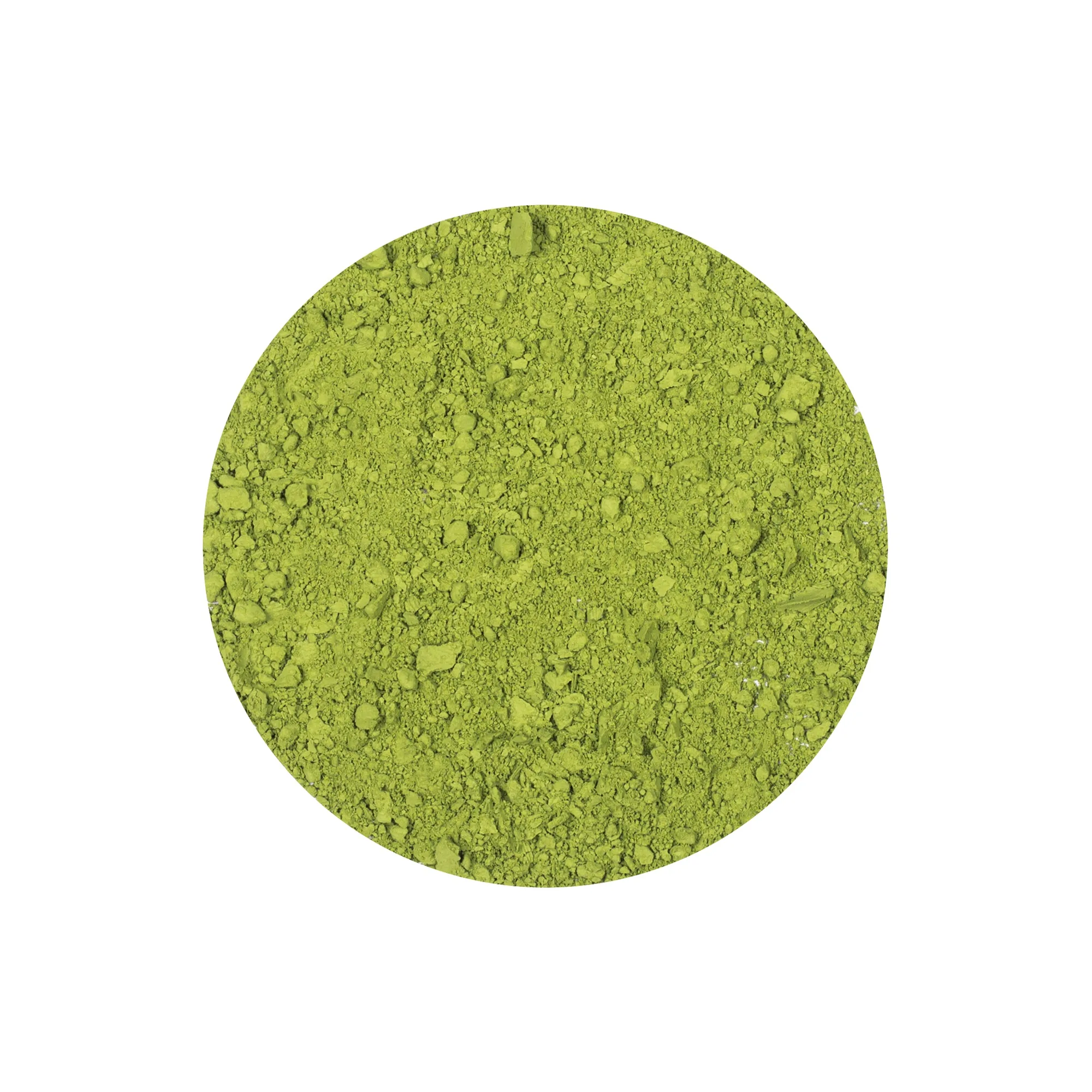
Organic Premium Grade Matcha Green Tea Powder
-
Organic Premium Grade Matcha Green Tea Powder: The matcha has tasting notes described as smooth, light, sour, and grassy. These flavor notes mean matcha pairs well with sweet, creamy, or fruity ingredients in baking, balancing its natural grassiness with sugar, butter, or milk.
How to Prepare Matcha for Baking
To use organic premium matcha in baking, start by sifting the powder through a fine-mesh strainer into a bowl. This breaks up any clumps and ensures an even distribution in your dry ingredients. Then whisk the sifted matcha with a small amount of warm water (about 2 tablespoons per 1–2 teaspoons of matcha) until it forms a smooth paste. This step, called 'making a slurry,' prevents the powder from forming lumps when mixed into the batter.
For most recipes, you can replace 1–2 tablespoons of the all-purpose flour with an equal amount of matcha powder. This works for cakes, cookies, muffins, and even breads. Because matcha is a dry ingredient, you do not need to adjust the liquid unless the recipe is very dry; in that case, add an extra tablespoon of milk or water to maintain the right consistency.
Flavor Pairing Tips for Matcha Desserts
Matcha's grassy, slightly sour notes pair well with sweet and creamy flavors. Classic combinations include white chocolate, vanilla, coconut, and citrus. For a more traditional Japanese-inspired dessert, try matcha with red bean, mochi, or sesame. The catalog notes that matcha can also be used in savory baking, such as in scones or quick breads with a hint of honey or maple syrup.
Step-by-Step: Baking with Organic Premium Matcha
- 1. Sift the matcha: Sift 1–2 tablespoons of organic premium matcha powder through a fine strainer into a bowl to remove clumps.
- 2. Make a paste: Whisk the sifted matcha with 2 tablespoons of warm water until smooth. This prevents lumps in the batter.
- 3. Mix with dry ingredients: Combine the matcha paste with the flour, sugar, and other dry ingredients as per your recipe. Matcha can replace 1–2 tablespoons of flour.
- 4. Bake as usual: Proceed with your recipe's baking time and temperature. Matcha may darken slightly when baked, so for a brighter green color, follow the product instructions for optimal baking temperature and check for doneness.
- 5. Cool and serve: Let the baked goods cool completely. The matcha flavor will mellow and the color will settle into a soft green.
What the Instructions Do Not Specify
The supplied product record does not include specific baking temperatures, times, or storage instructions for baked matcha goods. For best results, follow your base recipe's guidelines and adjust only the matcha quantity and preparation as described. If you are unsure about a recipe, start with a small test batch.