Overnight sheet masks are a game-changer in skincare, offering intense hydration while you sleep. Unlike traditional rinse-off masks, these leave-on formulas work with your skin's natural repair process, delivering active ingredients deep into the epidermis. Whether you have dry, dehydrated, or combination skin, mastering the art of using an overnight sheet mask can transform your morning complexion.
In this guide, we'll walk you through everything you need to know about overnight sheet masks—from the correct application technique to how often you should use them. Plus, we'll share tips on choosing the best overnight sheet mask for your skin type and how to layer it with other products like serums and moisturizers for maximum benefits.
What Is an Overnight Sheet Mask?
An overnight sheet mask is a leave-on mask that you apply before bed and keep on while you sleep. Unlike traditional sheet masks that you remove after 15-20 minutes, overnight masks are designed to stay on for hours, allowing the skin to absorb the ingredients gradually. They typically come in a gel or cream texture and are formulated with humectants like hyaluronic acid, glycerin, and ceramides to draw moisture into the skin and lock it in.
The key difference between an overnight mask and a regular moisturizer is the concentration of active ingredients. Overnight masks are more potent and often contain a higher percentage of hydrating and repairing components. They create a breathable barrier on the skin that prevents water loss, making them incredibly effective for restoring a dull, tired complexion.
For those with acne-prone skin, it's essential to choose an overnight mask that is non-comedogenic and won't clog pores. Some masks, like the Redness + Hydrating Clarifying Mist, can be used as a hydrating layer before your mask, ensuring your skin stays calm and balanced.
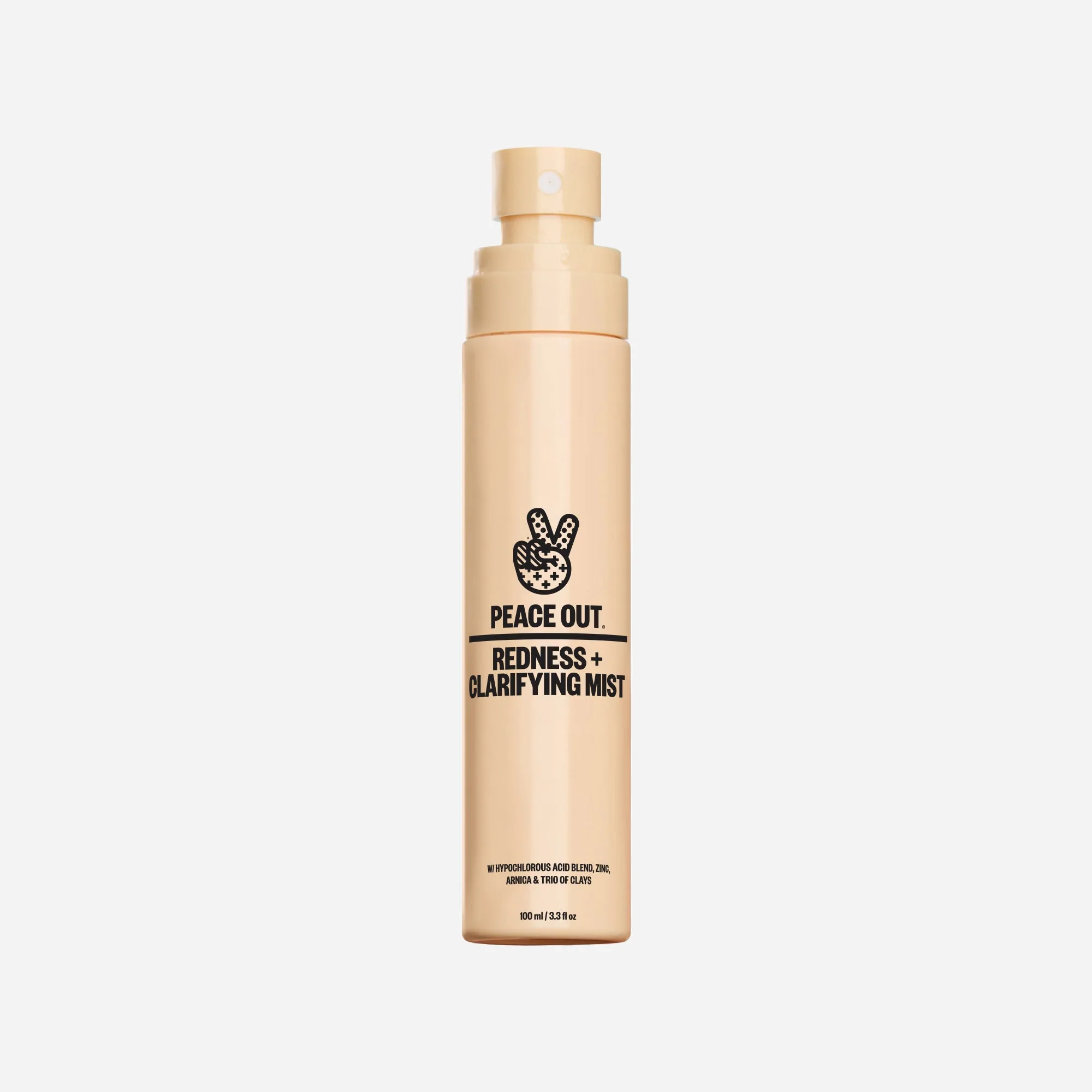
Redness + Hydrating Clarifying Mist
- Overnight masks are leave-on treatments that work while you sleep.
- They contain high concentrations of hydrating ingredients like hyaluronic acid.
- Choose non-comedogenic formulas for acne-prone skin.
Step-by-Step Guide to Using an Overnight Sheet Mask
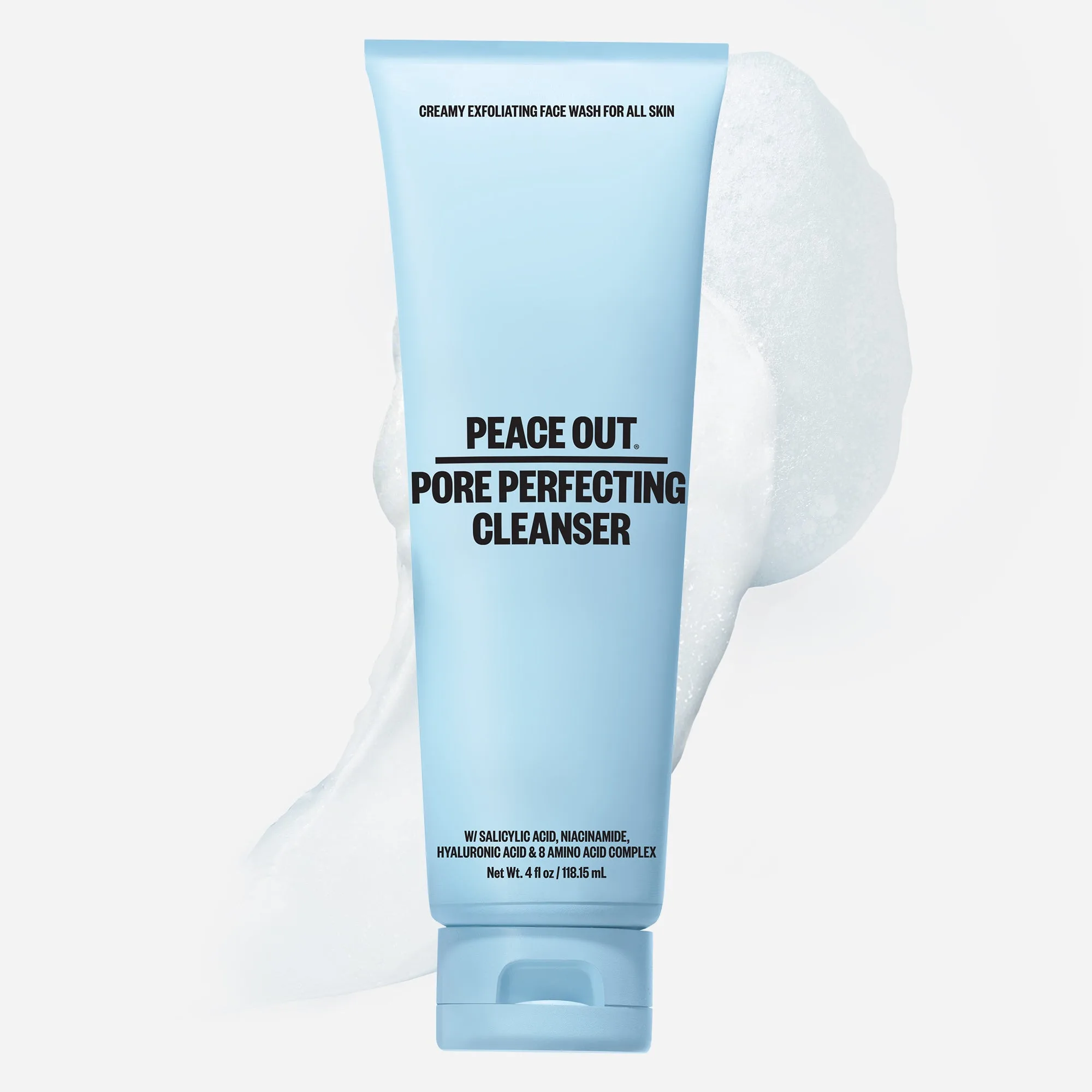
To get the most out of your overnight sheet mask, follow these simple steps. First, start with a clean face. Wash your face with a gentle cleanser to remove dirt, oil, and makeup. For acne-prone skin, consider using a cleanser that contains salicylic acid, like the Acne Gel Cleanser, to unclog pores and prep your skin for better absorption.
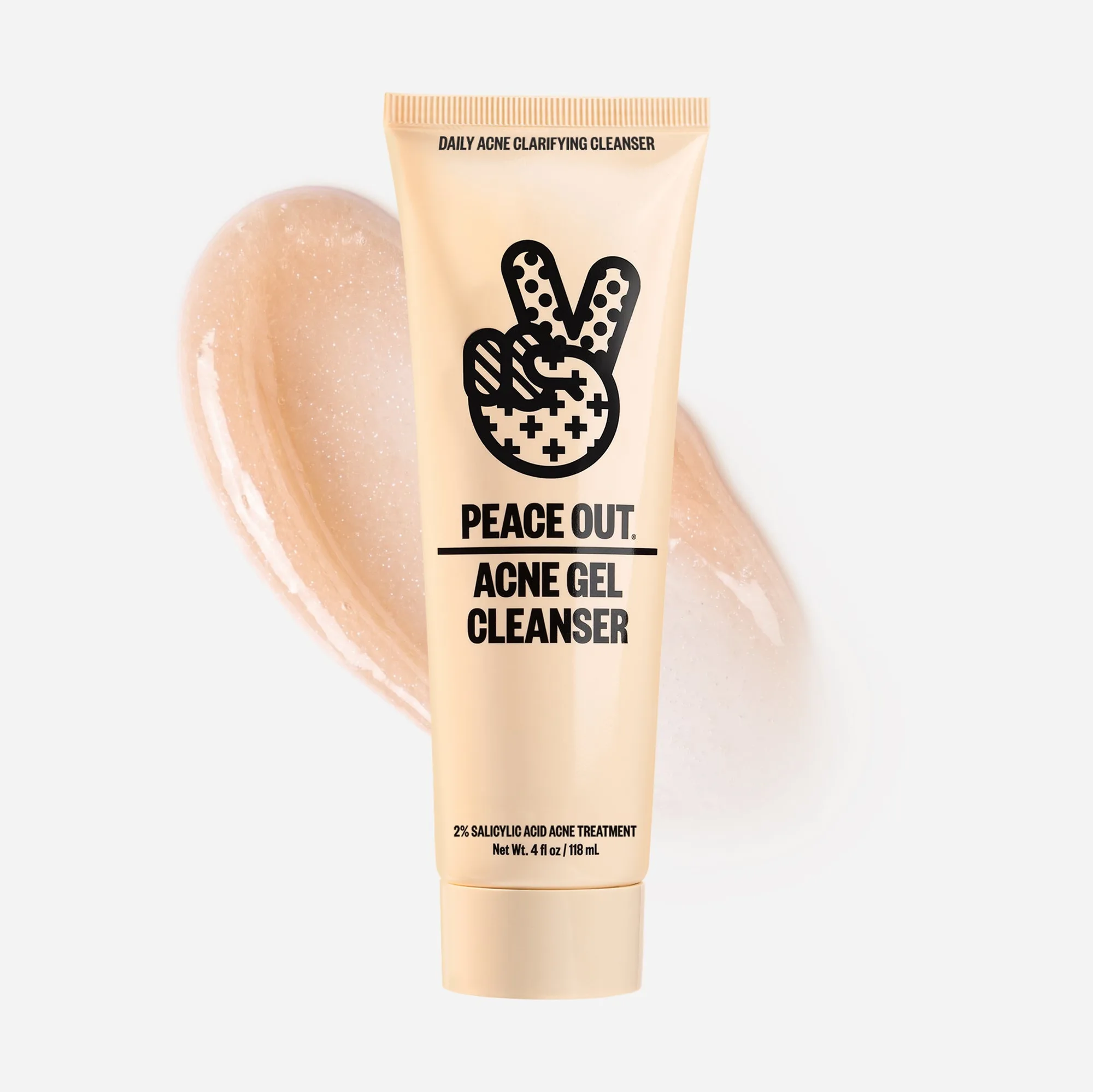
Acne Gel Cleanser
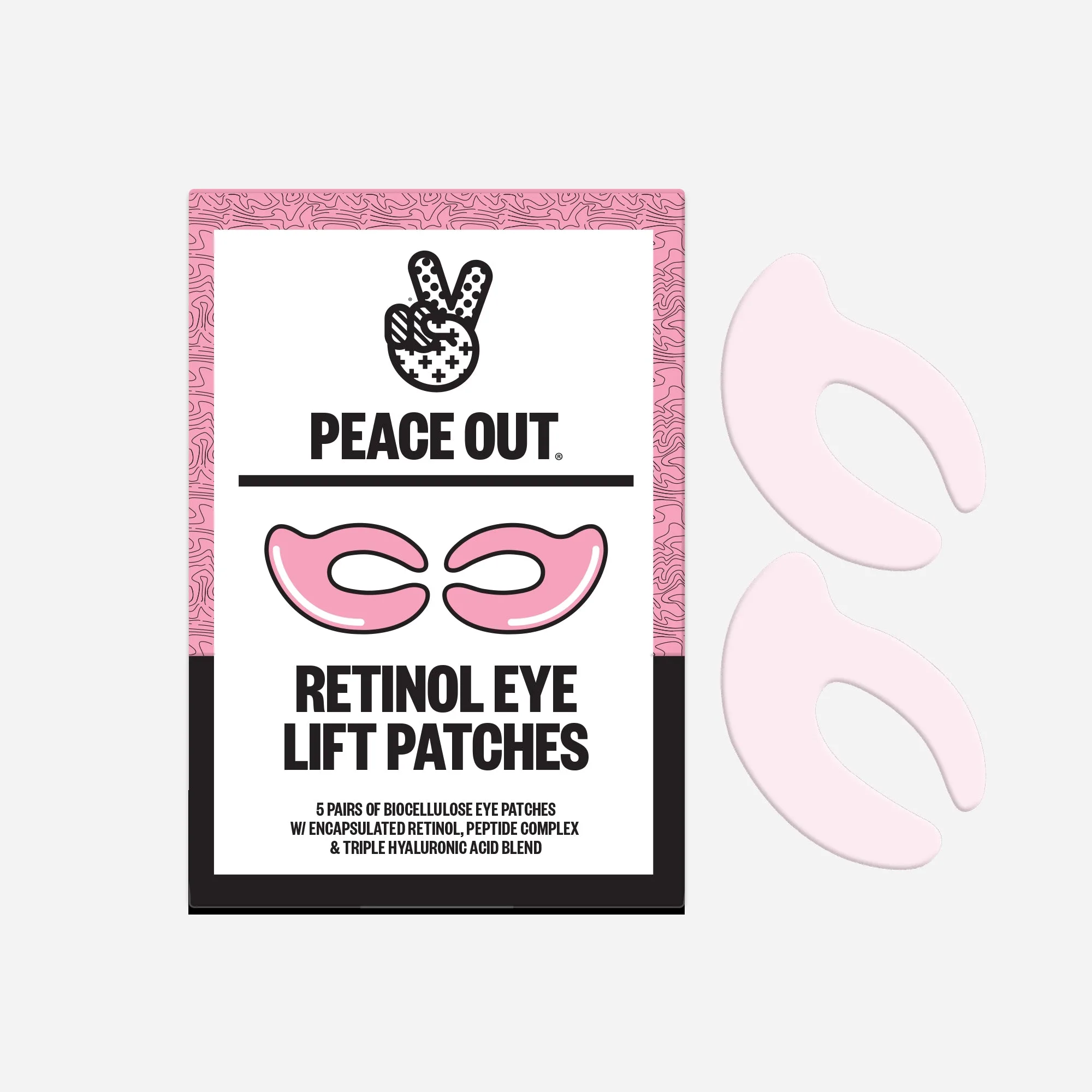
Next, apply any serums or treatments you normally use. If you use a hydrating serum, apply it before the mask to boost moisture levels. For targeted concerns like fine lines, you might apply a treatment like the Retinol Eye Lift Patches around the eyes before putting on the mask. This ensures that the eye area gets extra attention while the mask hydrates the rest of your face.
Now, apply a generous layer of the overnight mask evenly over your face. Avoid the eye area unless the mask is specifically formulated for that region. Massage it gently into the skin using upward motions. The mask should be thick enough to feel like a protective layer but not so thick that it feels heavy.
Finally, go to bed and let the mask work its magic. In the morning, rinse your face with lukewarm water and follow with your regular skincare routine. You'll notice a plump, hydrated, and glowing complexion.
- Always start with a clean face to maximize absorption.
- Apply serums or treatments before the mask for added benefits.
- Use a generous layer, but avoid the eye area unless specified.
- Rinse off in the morning and follow with your routine.
How Often Should You Use an Overnight Mask?
The frequency of using an overnight mask depends on your skin type and the mask's formulation. For most people, using an overnight mask 2-3 times a week is sufficient to maintain hydration without overwhelming the skin. If you have very dry or dehydrated skin, you may benefit from using it every night for a short period, but it's essential to monitor your skin's response.
For acne-prone or oily skin, using an overnight mask too frequently can lead to clogged pores and breakouts. In such cases, limit use to once or twice a week and opt for lightweight, gel-based formulas that are non-comedogenic. Always check the product instructions for specific recommendations.
It's also crucial to listen to your skin. If you notice any irritation, redness, or breakouts, reduce the frequency or discontinue use. Overnight masks are meant to complement your routine, not replace it. Balance is key.
- 2-3 times a week is ideal for most skin types.
- Dry skin may benefit from nightly use temporarily.
- Oily or acne-prone skin should use less frequently.
- Adjust based on your skin's response.
Benefits of Using an Overnight Mask for Hydration
Overnight masks offer a range of benefits, making them a valuable addition to any skincare routine. The most obvious benefit is intense hydration. The mask's occlusive ingredients create a seal that prevents water loss, allowing your skin to stay hydrated for hours. This is especially beneficial for those with dry or dehydrated skin, as it helps restore the skin's moisture barrier.
Another advantage is that overnight masks can improve skin texture and elasticity. Many formulas contain antioxidants, peptides, and vitamins that support collagen production and reduce the appearance of fine lines. Over time, you may notice smoother, firmer, and more radiant skin.
Additionally, overnight masks are incredibly convenient. You apply them once and let them work while you sleep, saving time in your morning routine. They are also great for travel or busy days when you need a quick pick-me-up for your skin.
For those with acne-prone skin, some overnight masks are formulated with soothing ingredients like centella asiatica or tea tree oil, which can help calm inflammation and reduce redness. Pairing an overnight mask with a targeted acne treatment, such as the Acne Treatment Dots Jumbo, can address breakouts while keeping the surrounding skin hydrated.
- Provides intense, long-lasting hydration.
- Improves skin texture and elasticity.
- Convenient and time-saving.
- Can be formulated to soothe and calm acne-prone skin.
Choosing the Best Overnight Sheet Mask for Your Skin
With so many options available, selecting the best overnight sheet mask can be overwhelming. Start by identifying your skin type and concerns. If you have dry or dehydrated skin, look for masks with hyaluronic acid, ceramides, and glycerin. These ingredients attract and lock in moisture, providing deep hydration.
For oily or acne-prone skin, choose a lightweight, gel-based mask that is oil-free and non-comedogenic. Ingredients like salicylic acid, niacinamide, and tea tree oil can help control oil and prevent breakouts. Avoid heavy creams that might clog pores.
If you're concerned about aging, opt for masks containing retinol, peptides, or vitamin C. These ingredients stimulate collagen production and reduce the appearance of wrinkles. However, if you're new to retinol, start with a lower concentration and use the mask less frequently to avoid irritation.
Consider your lifestyle and preferences. Some masks have a fragrance, which can be soothing but might irritate sensitive skin. Always patch test a new product before applying it to your face, especially if you have sensitive skin.
- Dry skin: look for hyaluronic acid, ceramides, and glycerin.
- Oily skin: choose lightweight, oil-free, non-comedogenic formulas.
- Aging concerns: opt for retinol, peptides, or vitamin C.
- Always patch test new products.
Tips for Maximizing the Benefits of Your Overnight Mask
To get the most out of your overnight mask, consider these expert tips. First, exfoliate gently before applying the mask. Exfoliation removes dead skin cells, allowing the mask's active ingredients to penetrate deeper. However, avoid over-exfoliating, as it can irritate the skin.
Second, apply the mask to slightly damp skin. After cleansing, pat your face dry but leave it slightly damp. This helps the mask spread evenly and enhances absorption.
Third, don't forget your neck and décolletage. These areas often show signs of aging and dehydration, so extend the mask down to your neck and chest for a more uniform glow.
Finally, be consistent. While you may see immediate results after one use, the full benefits of an overnight mask are cumulative. Incorporate it into your weekly routine and give your skin time to respond.
- Exfoliate gently before applying the mask.
- Apply to slightly damp skin for better absorption.
- Extend the mask to your neck and chest.
- Be consistent for long-term results.
An overnight sheet mask is a powerful tool for achieving deeply hydrated, glowing skin. By following the steps outlined above and choosing the right formula for your skin type, you can unlock the full potential of this nighttime treatment. Remember to listen to your skin and adjust usage as needed. Ready to upgrade your nighttime routine? Explore our range of hydrating products, including the Redness + Hydrating Clarifying Mist, to complement your overnight mask and keep your skin balanced and radiant.