Quick answer
A pacifier case only keeps a pacifier clean if the pacifier goes in clean and the case itself gets washed. Load a dry, freshly washed pacifier into a dry case, close it fully, and treat the case as dirty the moment it's been dropped, left open, or used to hold a used pacifier. Wash the case at least weekly, and more often if your baby is teething or unwell.
A pacifier case is a small container that protects a clean pacifier from the inside of your bag, your pocket, or the floor. It does one job well: it keeps a clean pacifier clean between washes. It does not clean a dirty pacifier, and it will not keep a pacifier hygienic if you put it away damp or toss it in open.
That distinction is the whole routine. Most parents already own a case, but use it as a catch-all for used pacifiers, spare clips, and crumbs. This guide walks through loading, carrying, swapping, and washing a pacifier case so it actually protects your baby's pacifier hygiene instead of quietly working against it.
What a pacifier case can and cannot do
A closed case blocks the two things that contaminate a pacifier fastest: direct contact with dirty surfaces and exposure to whatever is loose in your bag. That is a real benefit, especially on commutes, in waiting rooms, and on walks where a dropped pacifier would otherwise mean a full wash. A case does not sterilize, and it does not dry a wet pacifier. Moisture trapped inside a closed case is the most common reason a pacifier comes out smelling sour.
So the rule is simple: the case is a shield, not a cleaner. It protects a pacifier that is already clean and dry. If your pacifier needs washing, wash it first, let it dry completely, then store it. If you need somewhere to put a used pacifier while you're out, use a separate compartment or a second case rather than mixing clean and used in the same space.
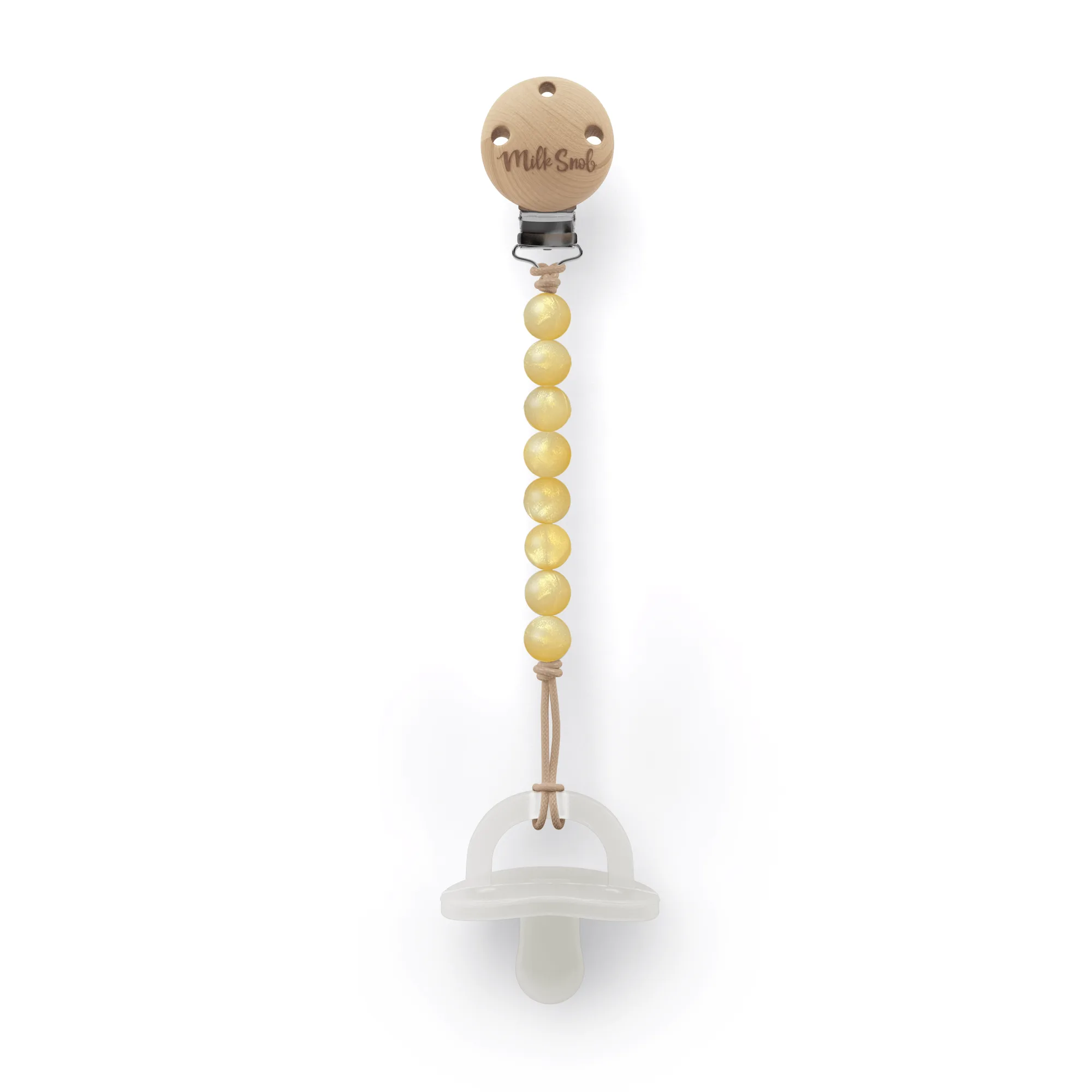
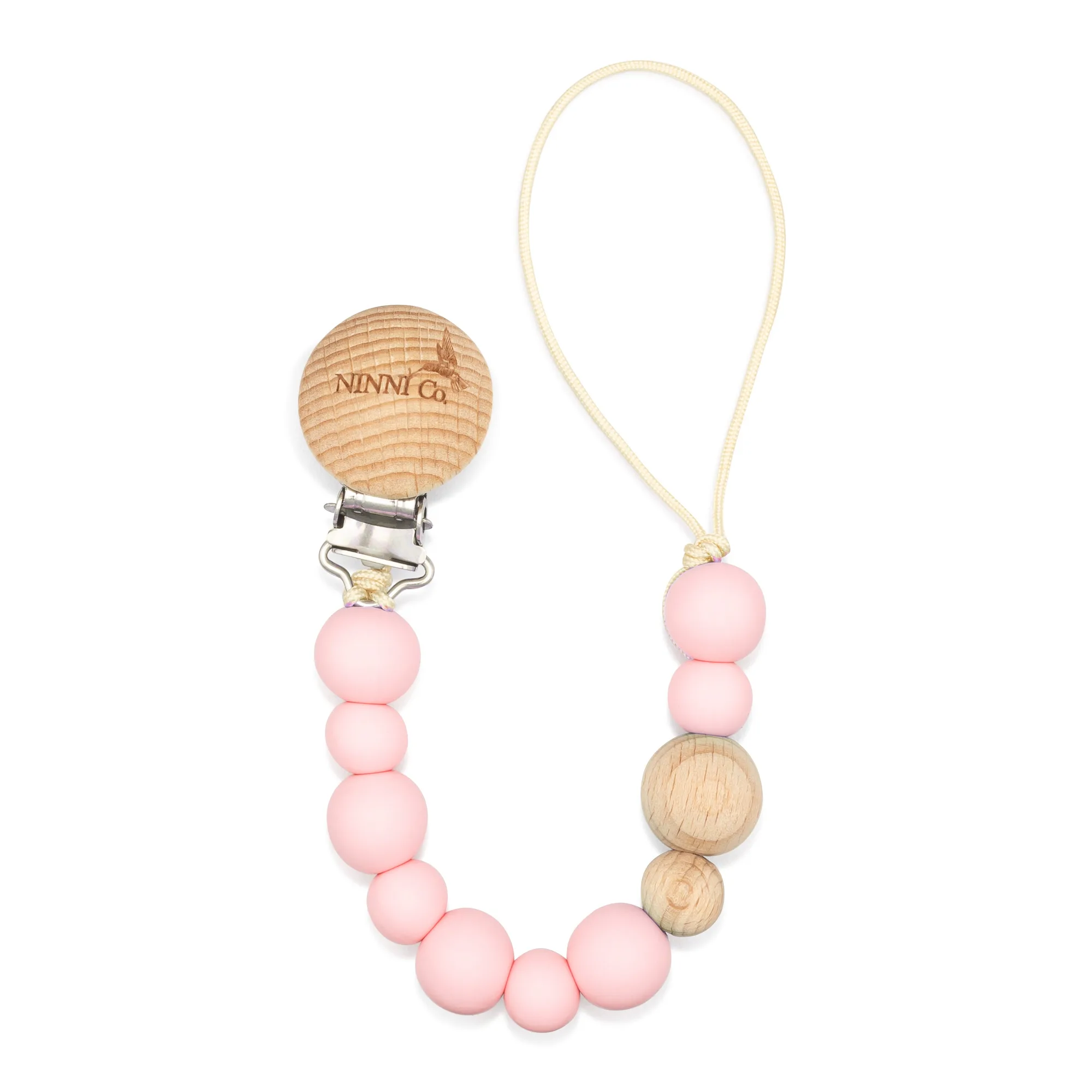
If your baby also uses a pacifier clip, the clip and the case solve different problems. A clip keeps the pacifier off the floor while it's in use; a case protects it while it's stored. If you're still deciding on a clip, our guide to choosing the right pacifier clip covers that separately.
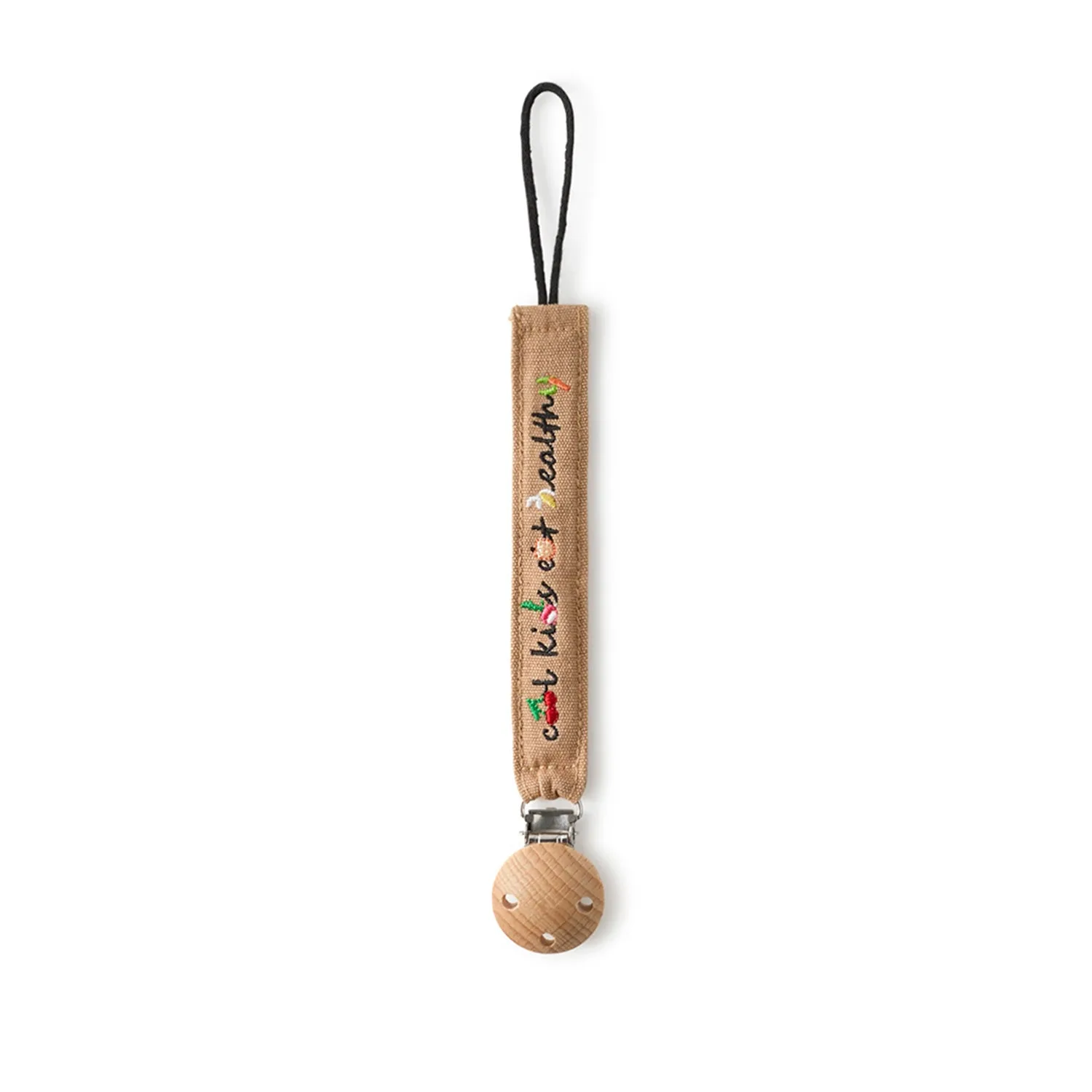
pacifier clip
- Clean and dry goes in the case. Used or damp stays out.
- One case for clean, one spot for used — never the same compartment.
Step-by-step: the daily pacifier case routine
Start each day by checking the case is empty, dry, and free of crumbs or lint. Wipe the inside with a clean cloth if needed and let it air dry fully before closing. Wash the pacifier you plan to carry, rinse it well, and let it dry completely — a pacifier that still has water in the nipple or shield will fog up the case within an hour. Once dry, place it in the case, close it fully, and put the case somewhere it won't be crushed, such as an inner pocket rather than the bottom of a bag.
During the day, open the case only when you're actually handing the pacifier to your baby, then close it again. If your baby drops the pacifier, treat it as dirty: wash or wipe it, dry it, and only then return it to the case. If you have no way to wash it, keep the dropped pacifier separate from your clean spare rather than putting both back in the same space.
At the end of the day, empty the case, wash it according to the manufacturer's instructions, and let it dry open overnight. Rotate between two cases if you can — one in use, one drying — so you're never tempted to close a damp case just to get out the door.
- Dry the pacifier completely before it goes in. Damp storage is the main cause of odor.
- Close the case after every use; an open case in a bag collects lint and grit.
- Wash the case at least weekly, and daily during teething or illness.
Common mistakes that undo the case's protection
The most frequent mistake is using the case as a laundry basket for used pacifiers. Once a used pacifier shares space with a clean one, the case has contaminated both. The second is closing a wet pacifier inside, which traps moisture against the silicone or rubber and encourages that sour smell. The third is never washing the case itself — a case can look clean while holding residue from hands, pockets, and bag interiors.
A fourth mistake is overfilling. If the case only closes with pressure, the lid may pop open in your bag, exposing the pacifier. Use a case sized for one or two pacifiers, not a case stuffed with spares and clips. Finally, don't assume a case replaces hand washing. If the pacifier has been on the floor, in a pet's reach, or in another child's mouth, wash it properly before it goes back in.
- Never store a used pacifier with a clean one.
- If the lid doesn't close easily, remove a pacifier rather than forcing it.
- A case that smells musty needs a wash, not just an airing.
How to wash and dry a pacifier case
Check the manufacturer's care instructions first, because materials differ: some cases are dishwasher-safe on a top rack, others are hand-wash only, and fabric or muslin-lined cases need gentler handling. As a general routine, wash the case in warm water with a small amount of mild dish soap, use a soft brush to reach the corners and hinge, rinse thoroughly, and shake out excess water. Avoid harsh cleaners or scented soaps that can leave residue on surfaces your baby's pacifier will touch.
Drying matters as much as washing. Leave the case open and upside down on a drying rack until every surface is dry to the touch, then store it open rather than closed. If you're rotating two cases, this is easy. If you only have one, wash it at night so it can dry while your baby sleeps. Replace the case if the hinge cracks, the lid no longer closes securely, or the interior develops stains or a persistent smell that washing doesn't fix.
- Mild soap and warm water are enough; skip harsh or heavily scented cleaners.
- Dry fully, open, before storing — never put a damp case away closed.
- Retire a case with a cracked hinge or a lid that won't stay shut.
Pacifier case routine at a glance
- Step 1: Wash and dry the pacifier: Wash the pacifier with mild soap and warm water, rinse well, and let it dry completely before it goes anywhere near the case. Checkpoint: no water in the nipple, shield, or handle.
- Step 2: Check the case is clean and dry: Empty the case, wipe the inside if needed, and confirm it's fully dry. Close it only when everything inside is dry. Checkpoint: no crumbs, lint, or musty smell.
- Step 3: Load one clean pacifier: Place a single clean, dry pacifier in the case and close the lid without forcing it. Keep used pacifiers out of the same space. Checkpoint: the lid closes easily and stays shut.
- Step 4: Carry it protected: Keep the closed case in an inner pocket or a dedicated pouch rather than loose at the bottom of a bag, where it can be crushed or opened. Checkpoint: the case arrives closed and intact.
- Step 5: Swap, don't mix: When you hand over the pacifier, close the case again. If the pacifier is dropped, treat it as dirty and wash it before it goes back in. Checkpoint: clean and used pacifiers are never stored together.
- Step 6: Wash the case at the end of the day: Wash the case with mild soap and warm water, rinse, and dry it open overnight. Wash more often during teething or illness. Next step: rotate two cases so one is always dry and ready.
Products that pair well with a pacifier case routine
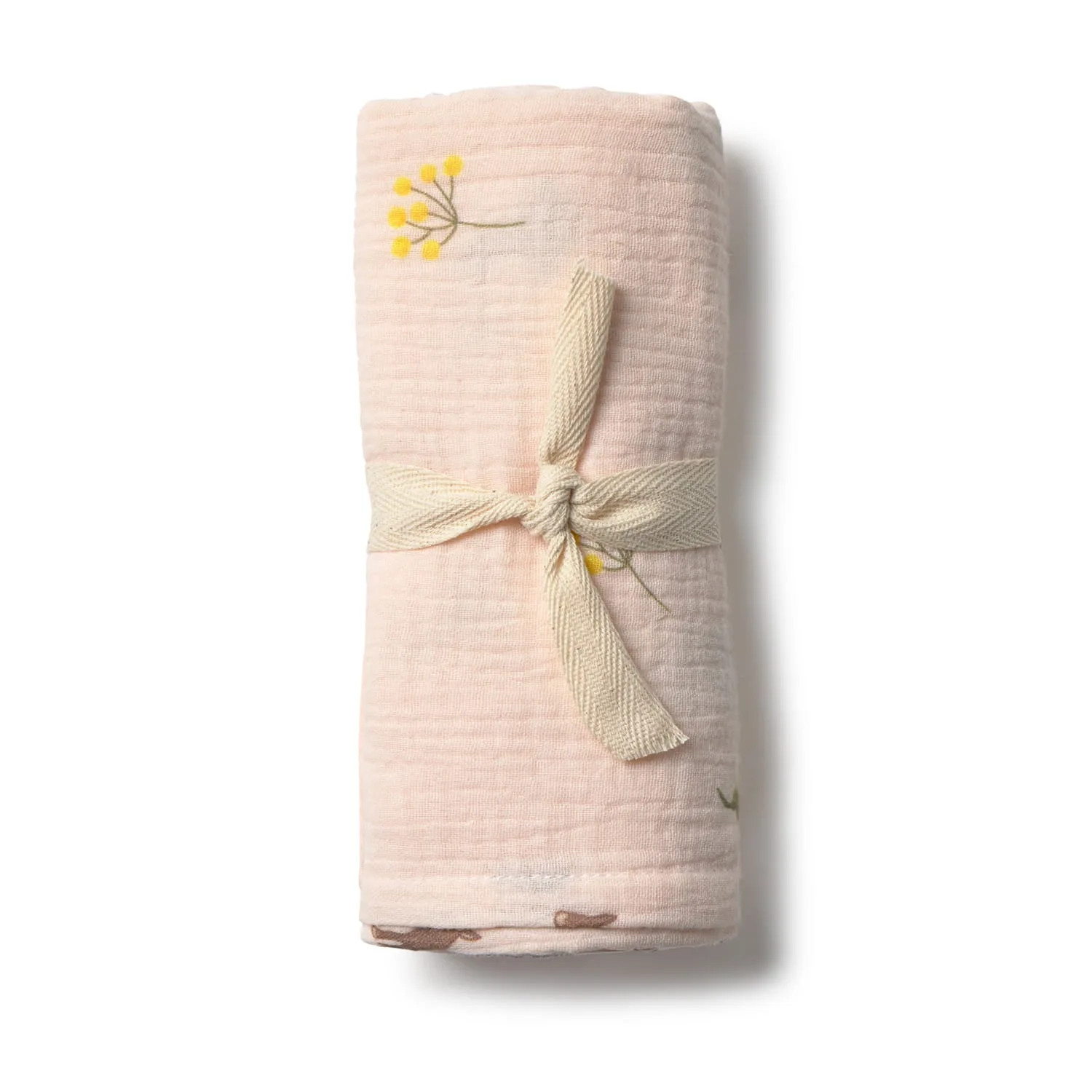
- Villa Magnan Baby Muslin: 100% cotton muslin (OEKO-TEX certified), 75 x 75 cm, described as hypoallergenic, ultra-soft and breathable. A breathable muslin square is handy for drying a washed pacifier or wrapping a clean case in your bag, and its cotton construction is gentle against skin. Because it's a fabric item, wash and dry it separately from the hard case.
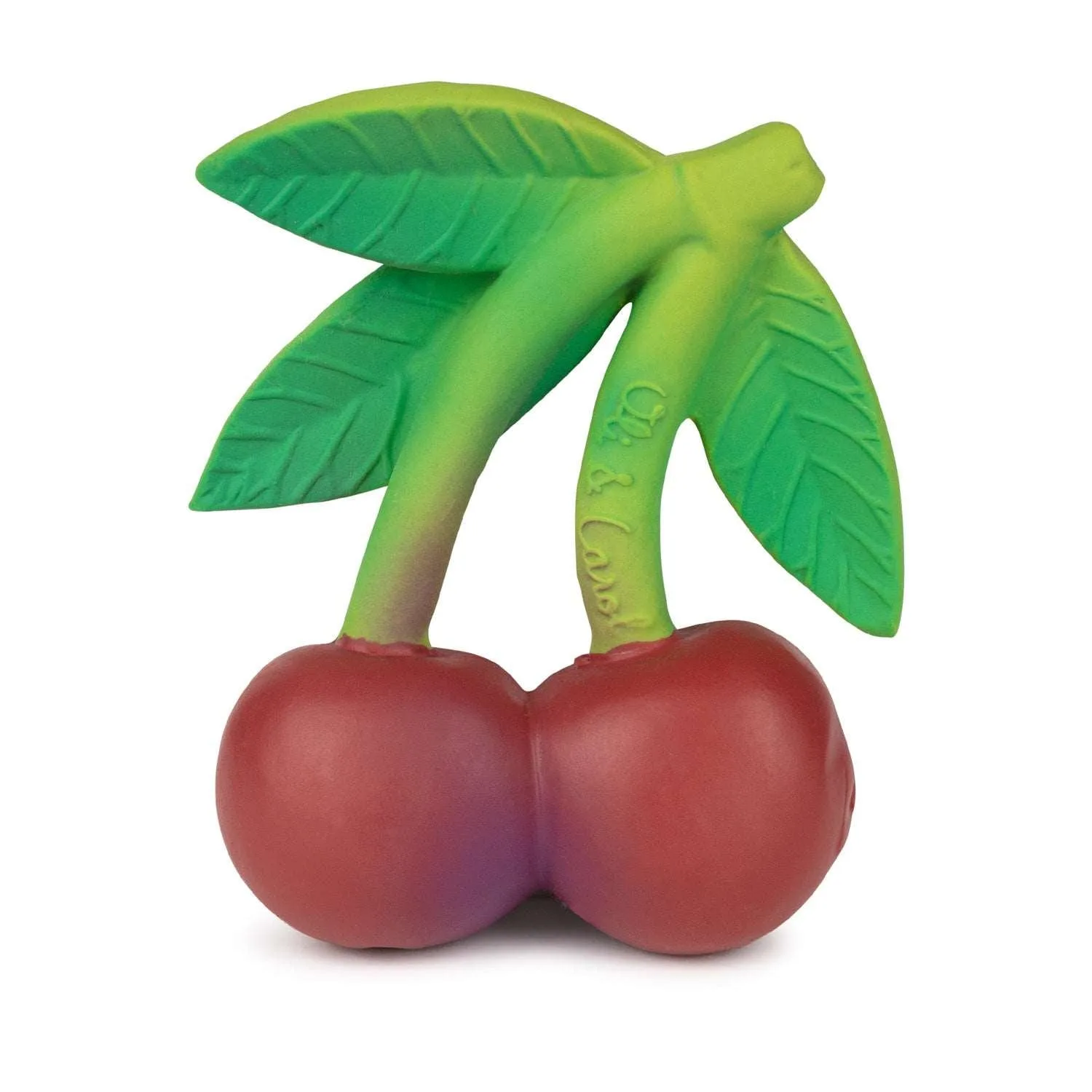
- Mery the Cherry Baby Teether: A fruit-shaped teether with realistic textures, sized for babies to hold, and described as suitable as a teether, bath toy and sensory play toy. If your baby is teething, a textured teether can reduce the urge to chew a pacifier that's been dropped. Keeping a teether in the bag means you're less likely to reuse a dirty pacifier just to settle your baby.
- Watermelon Stacking Toy & Rattle Ball: A 3-in-1 stackable toy, rattle and bouncing ball made from 100% natural rubber and filled with upcycled cherry seeds. A stack-and-roll toy gives your baby something to do with their hands when the pacifier is packed away, which makes it easier to keep the pacifier in the case until it's genuinely needed.
A pacifier case works best as part of a small routine rather than as a one-time purchase: clean and dry the pacifier, load it into a clean and dry case, keep used pacifiers out, and wash the case regularly. Do that, and the case does exactly what you bought it for — keeping a clean pacifier clean until your baby needs it.