Quick answer
To build fine motor skills with a peg board, start with free exploration, then guide your child to grasp, place, and stack pegs using a pincer grasp. Keep sessions short and playful, and progress from large jumbo pegs to smaller ones as control improves. A set like the Toddler Peg Board 38 pcs gives you enough pieces for open-ended practice without overwhelming your child.
Set up a distraction-free play space
Before you introduce the pegs, clear a low table or floor area and place only the peg board and a small handful of pegs within reach. Toddlers focus better when they are not visually overwhelmed by dozens of pieces. Keep the rest of the set in the storage bag so you can add more pegs later as attention grows.
Model the pincer grasp without correcting
Sit beside your child and pick up a peg using only your thumb and index finger. Narrate what you are doing: 'I'm using my pincher fingers to pick up the red peg.' Then place it into a hole and pause. Let your child try without repositioning their fingers for them. If they use a fist grasp, gently offer a smaller peg or turn the board so the hole is easier to reach. The goal is repeated practice, not perfect form.
Progress from free play to simple games
Once your child can place a few pegs, add a light challenge. Ask them to fill one row with all the same color, or count pegs as they stack them into a tower. For older toddlers, you can call out a color and see how quickly they find it. These preschool peg board games sneak in color sorting and counting while the hands stay busy.
Step-by-step peg board routine
- Start with free exploration: Hand your child the board and a few large pegs. Let them touch, mouth (if safe), and drop the pegs without instruction. This builds comfort and curiosity. Checkpoint: your child willingly picks up at least one peg.
- Model a pincer grasp: Pick up a peg with your thumb and index finger, place it in a hole, and say 'pinch, place.' Repeat two or three times, then invite your child to copy. Common mistake: correcting their grip too soon. Let them try their own way first.
- Practice placing and stacking: Encourage your child to fill a row or stack pegs into a tower. Use large jumbo pegs if they struggle with smaller ones. Checkpoint: they can place three pegs without help.
- Add a simple game: Call out a color or ask them to count pegs as they place them. For older toddlers, time a friendly challenge like 'can you fill this row before I sing the ABC song?' Common mistake: making it too competitive. Keep it playful and stop before frustration.
- Clean up together: Have your child pick up pegs one at a time and drop them into the storage bag. This is another fine motor rep and teaches responsibility. Checkpoint: all pegs are picked up using fingers, not a sweeping motion.
Peg board sets that support fine motor practice
- Sensory Peg Board 33 Piece Set - Montessori Occupational Therapy Toys for Kids & Toddlers 2+: The Sensory Peg Board 33 Piece Set includes oversize pegs that are easy for small fingers to grasp and stack on the peg boards or build into towers. Oversize pegs reduce frustration for beginners and let toddlers practice the grasp-and-place motion before moving to smaller pieces.
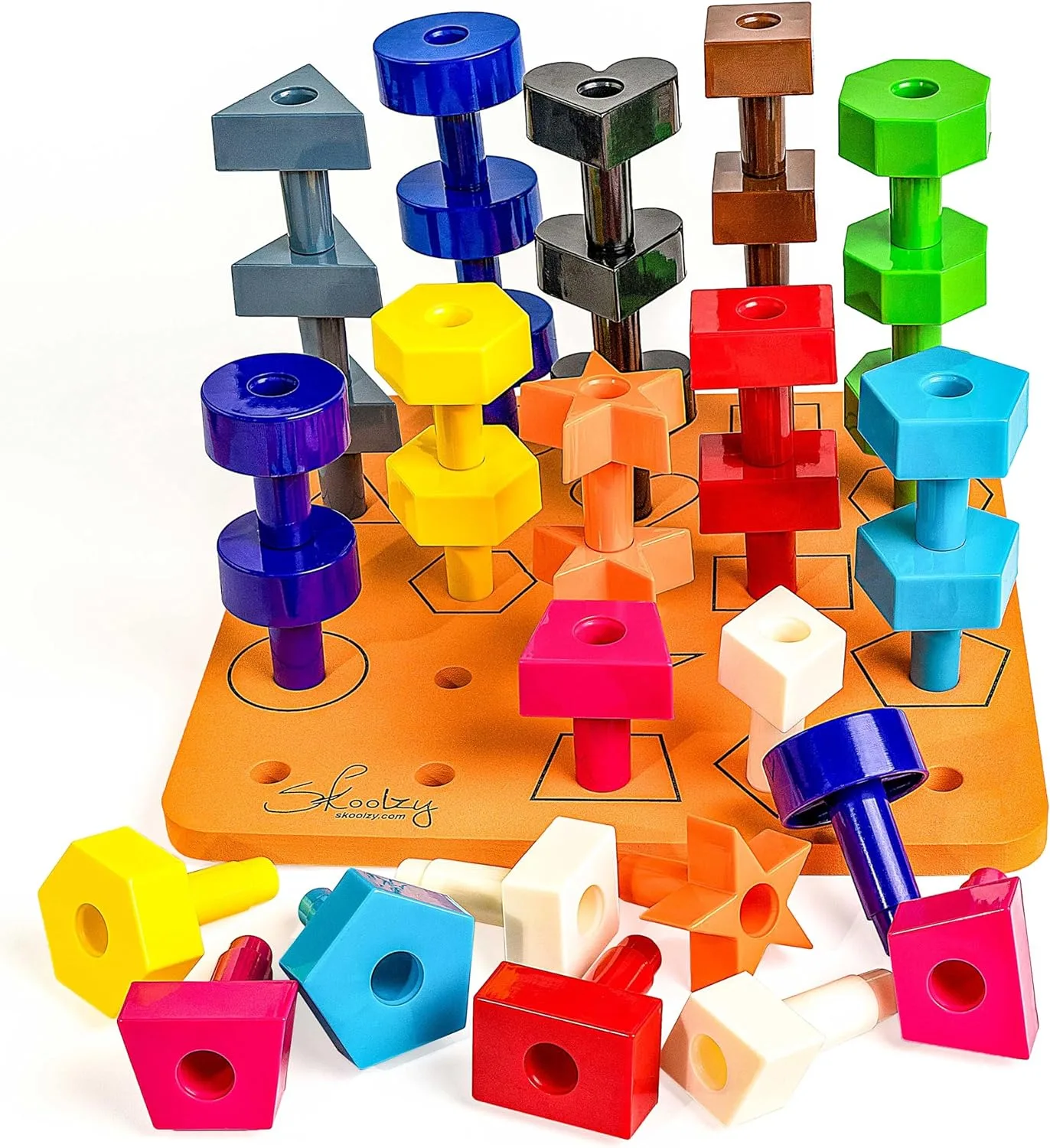
- Toddler Peg Board 38 pcs | Pegboard for Toddlers: The Toddler Peg Board 38 pcs set includes 36 colorful pegs, a foam board, and a handy bag. The included bag keeps pieces organized, and the foam board offers a quieter, softer surface for early stacking practice.
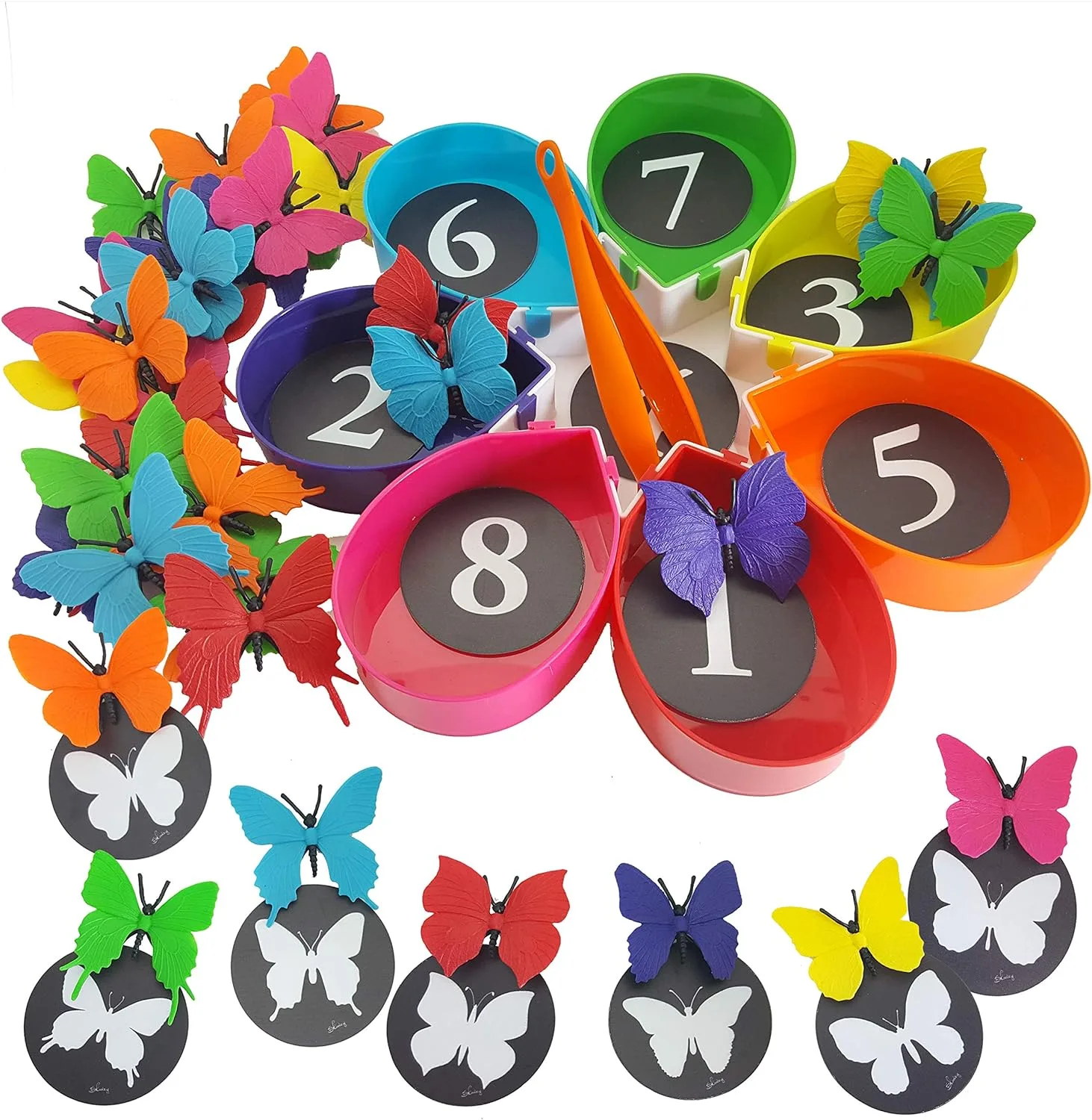
- Butterfly Color Sorting 75 Piece Toys_and_Games Set, Counting Learning Activities for Toddlers & Preschool Educational Toys for Toddler: The Butterfly Color Sorting 75 Piece Set lets children interlock petals to build a sorting garden, match butterfly shapes, and use number cards for simple math equations. This extends peg board practice into color matching and early counting, so the same fine motor muscles get used in a new context.