Quick Answer
To use perfume samples effectively, test one fragrance at a time on clean skin, wait for the dry-down, and wear it for a full day. Use a consistent routine to compare samples fairly, and always test on skin rather than paper to understand how the scent interacts with your body chemistry. This method helps you choose a fragrance that truly suits you.
Perfume samples are a fantastic way to explore new scents without committing to a full bottle. They allow you to test how a fragrance evolves over hours, how it reacts with your skin, and whether it fits your lifestyle. However, without a proper testing routine, you might end up with a scent that smells great in the vial but wrong on you.
In this guide, we'll walk you through a practical, step-by-step process to test perfume samples at home. You'll learn how to prepare your skin, apply the fragrance correctly, and evaluate it over time. By the end, you'll be able to confidently choose your next signature scent from L'Artisan Parfumeur's exquisite collection.
Preparing Your Skin for Testing
Before you even open a sample, ensure your skin is clean and free of other scents. Shower or wash your forearms with unscented soap, and avoid using lotions or deodorants that could interfere with the fragrance. Your skin should be dry and at its natural pH to get an accurate impression.
Moisturize with an unscented lotion about 30 minutes before testing. Well-hydrated skin holds fragrance longer, but the lotion must be fragrance-free to avoid altering the scent. This step is especially important if you have dry skin, as fragrance tends to fade faster on dry skin.
- Use unscented soap and lotion to avoid cross-contamination.
- Avoid testing after a heavy meal or when you're tired, as your sense of smell can be less acute.
How to Apply the Sample
When you're ready to test, spray or dab the sample onto your inner forearm or the back of your hand. These areas are warm and allow the fragrance to develop well. Avoid rubbing your wrists together, as this can crush the fragrance molecules and alter the scent profile.
Start with just one or two sprays, or a small dab if it's a vial. You want to be able to smell the fragrance without it being overwhelming. If you're testing multiple samples, apply them on different parts of your body—for example, one on each forearm—so you can compare them without mixing scents.
- Apply to pulse points like wrists, inner elbows, or neck for best results.
- Don't test more than three fragrances in one session to avoid nose fatigue.
Evaluating the Fragrance Over Time
A fragrance evolves in three stages: top notes (first 15 minutes), heart notes (30 minutes to 2 hours), and base notes (several hours). To truly judge a perfume, you must experience all three. Don't make a decision based on the initial spray alone.
Smell the sample at regular intervals—after 30 minutes, 2 hours, and 4-6 hours. Take notes on how the scent changes and how it makes you feel. Pay attention to sillage (how much scent trail it leaves) and longevity (how long it lasts on your skin).
- Keep a journal to record your impressions of each sample.
- If a fragrance gives you a headache or feels too strong, note that as a negative.
Common Mistakes to Avoid
One of the biggest mistakes is testing too many samples at once. Your nose quickly becomes desensitized, and you'll end up confusing scents. Limit yourself to two or three samples per day, and take breaks to sniff coffee beans to reset your olfactory senses.
Another mistake is judging a fragrance solely on the first spray. The top notes are fleeting and not representative of the full experience. Always wait for the dry-down before forming an opinion. Also, avoid testing on paper strips only—skin testing is essential because your body chemistry can dramatically change the scent.
- Don't test on paper only; always test on skin.
- Avoid testing when you have a cold or allergies, as your sense of smell is impaired.
Choosing Your Next Fragrance
After you've tested several samples, review your notes and consider your lifestyle. Do you want a scent for everyday wear, special occasions, or both? Think about the seasons—some fragrances are better suited for warm weather, while others shine in cooler months.
If you're drawn to a particular sample, consider purchasing a full bottle or a larger decant. L'Artisan Parfumeur offers a range of fragrances, and you can explore their collections online. For example, the Légendes du Cèdre Eau de Parfum 100ml is a woody scent that many find versatile, while the Ode à l'Oudh Eau de Parfum 100ml offers a more intense, oriental character. Both are excellent choices if you enjoy complex, long-lasting fragrances.
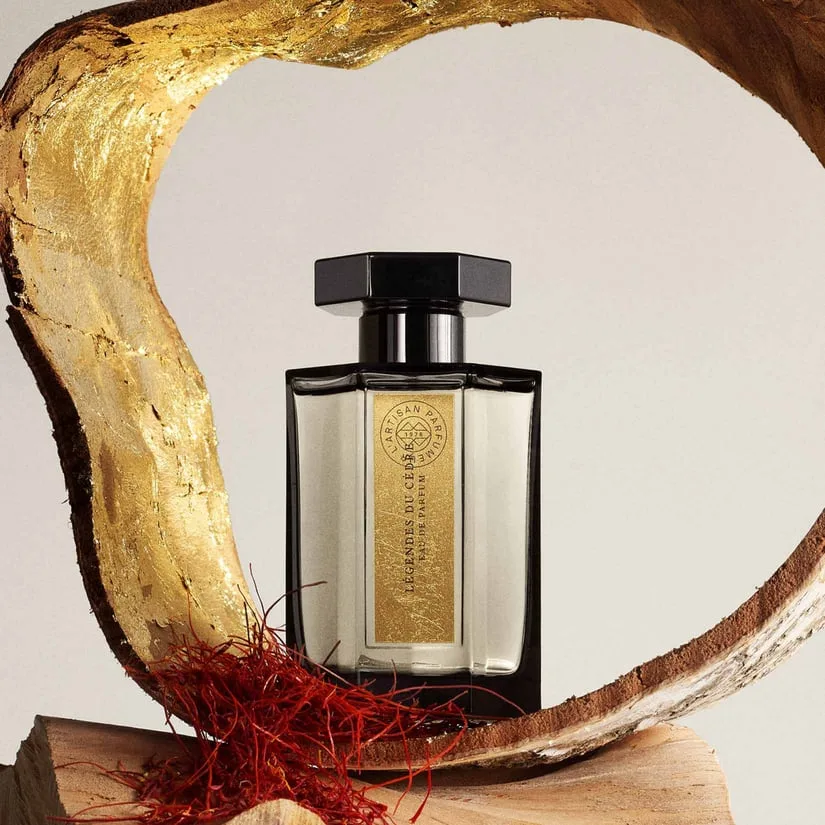
Légendes du Cèdre Eau de Parfum 100ml
- Consider the season and occasion when making your final choice.
- Don't rush—take a few days to decide after testing.
Step-by-Step Sample Testing Routine
- Prepare your skin: Start with clean, unscented skin. Wash your forearms with mild soap and dry them thoroughly. Apply a fragrance-free moisturizer 30 minutes before testing to help the scent last longer. Checkpoint: Your skin is clean and moisturized, ready for testing.
- Apply the sample: Spray or dab the perfume onto your inner forearm or wrist. Use only one or two applications. Avoid rubbing your wrists together, as this can break down the fragrance molecules. Checkpoint: The scent is applied to a warm pulse point without rubbing.
- Wait for the dry-down: Give the fragrance at least 15 minutes to settle. The initial alcohol blast will fade, revealing the true top notes. Then, continue to smell it over the next few hours to experience the heart and base notes. Common mistake: Judging a scent too quickly. Always wait for the full evolution.
- Take notes: Record your impressions at different times. Note the scent's strength, longevity, and how it makes you feel. Compare your notes across different samples to identify which one suits you best. Checkpoint: You have clear notes to guide your purchase decision.
- Decide and purchase: After testing, choose the fragrance that feels right for you. Consider factors like season, occasion, and your personal style. Then, purchase a full bottle from a trusted retailer. Next step: Explore L'Artisan Parfumeur's collection and find your signature scent.
Product Facts
- Légendes du Cèdre Eau de Parfum 100ml: This product is listed at a catalog price of USD 115.00 (comparison price USD 230.00). Knowing the price helps you budget for a full bottle after falling in love with a sample.
- Ode à l'Oudh Eau de Parfum 100ml: This product is listed at a catalog price of USD 115.00 (comparison price USD 230.00). If you enjoy bold, oriental scents, this could be a worthy investment after testing a sample.
Testing perfume samples is an art that rewards patience and attention. By following this guide, you'll avoid common pitfalls and make a confident choice. Remember to enjoy the journey—each sample is an opportunity to discover something new. When you're ready, explore L'Artisan Parfumeur's exquisite range and find the scent that speaks to you. Start with the Légendes du Cèdre Eau de Parfum 100ml to experience a woody masterpiece.