A personal safety kit is an essential companion for anyone who wants to feel prepared and confident in everyday situations. Whether you're walking to your car at night, jogging in the park, or commuting through the city, having a kit that includes tools like pepper spray and a personal alarm can make a significant difference in your safety. But owning a safety kit is only the first step—you must know how to use it correctly and confidently.
This guide provides clear, step-by-step instructions on how to use a personal safety kit, covering everything from understanding your tools to practicing effective techniques. We'll focus on two key components: pepper spray (including gel and foam variants) and personal alarms. By the end, you'll feel prepared to handle a potential threat with clarity and purpose.
Understanding Your Personal Safety Kit Components
Before you can use a personal safety kit effectively, you need to know what's inside and how each piece works. Most kits include a pepper spray canister—which may be a stream, gel, or foam—and a personal alarm. Some kits also include additional items like a flashlight or a whistle. Each tool serves a specific purpose: pepper spray is designed to incapacitate an attacker temporarily, while a personal alarm is meant to draw attention and deter an assailant.
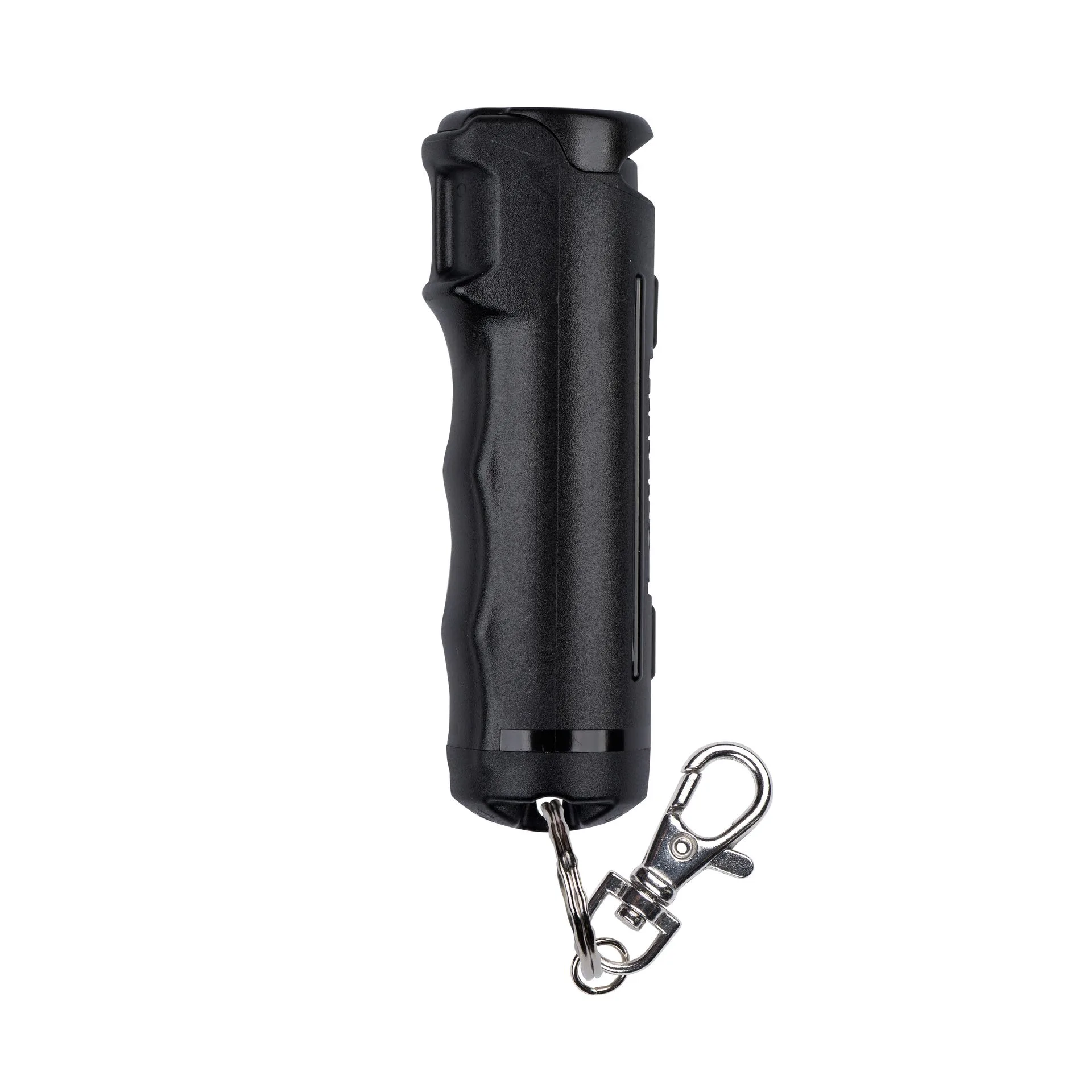
Take time to familiarize yourself with each component. For example, the Fast Flip Top Pepper Spray with Snap-Clip Keychain is a popular choice because it offers quick access and a secure clip. Similarly, the Personal Alarm with Key Ring is compact and easy to carry. Understanding the mechanics—like how to release the safety lock or activate the alarm—is crucial for effective use in an emergency.
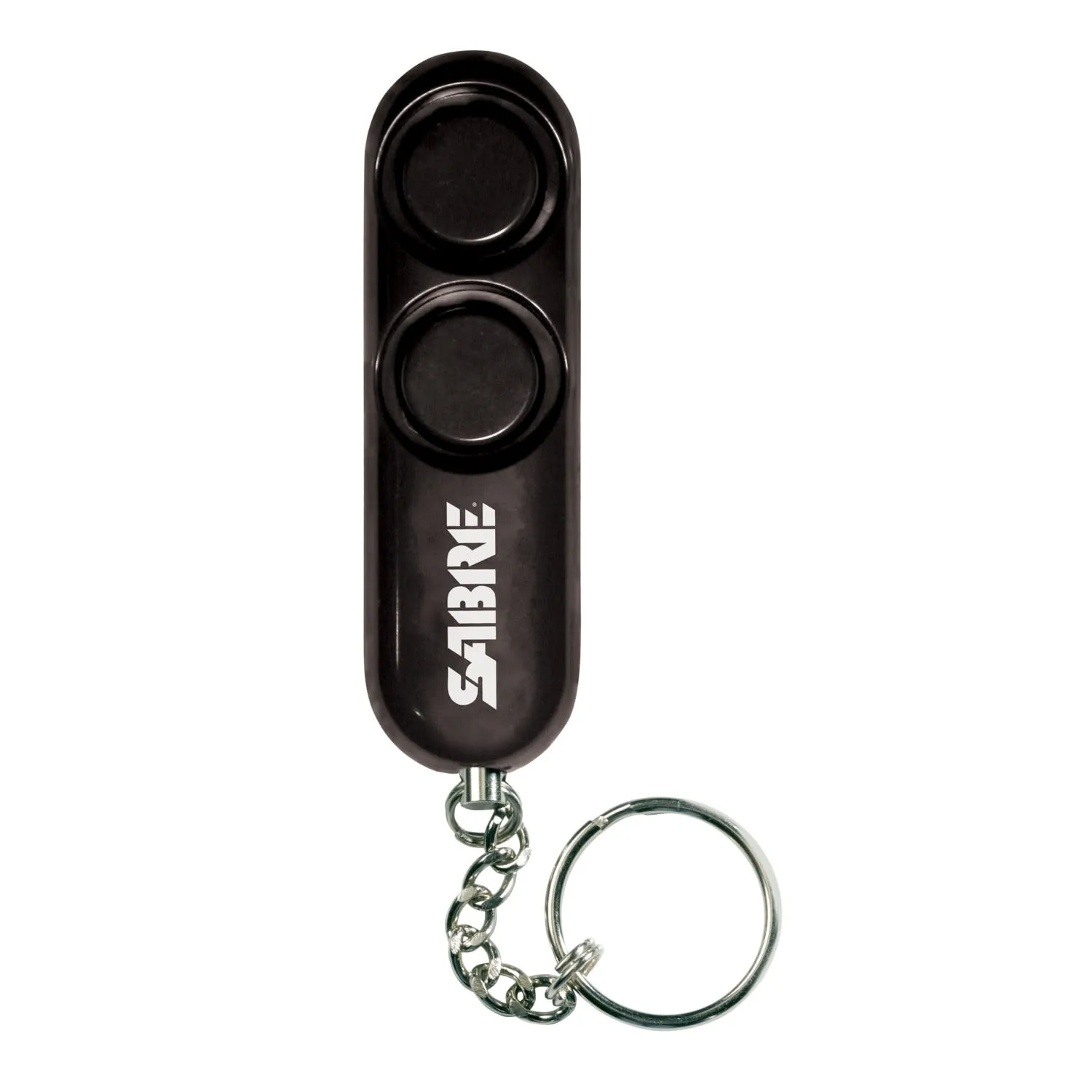
Personal Alarm with Key Ring
- Pepper spray: causes temporary blindness, coughing, and intense pain, giving you time to escape.
- Personal alarm: emits a loud, high-pitched sound (often 120+ dB) to scare off attackers and alert others.
- Additional tools: flashlights can disorient an attacker, and whistles provide an alternative attention-getter.
Step-by-Step: How to Use Pepper Spray Correctly
Pepper spray is your primary defense tool in most kits. To use it effectively, follow these steps: First, hold the canister in your dominant hand with your thumb on the actuator. Second, aim for the attacker's face—specifically the eyes, nose, and mouth. Third, spray in a short burst (about 1-2 seconds) while moving away from the threat. Finally, run to safety and call for help immediately.
It's essential to practice with an inert or practice spray to build muscle memory. Many brands, including SABRE, offer practice canisters. When carrying the Fast Flip Top Pepper Spray with Snap-Clip Keychain, ensure the clip is securely attached to your waistband or bag, and the flip top is easy to open with one hand. Remember to check the expiration date and test your spray regularly to ensure it's in working condition.
- Always keep your pepper spray accessible, not buried in your bag.
- Practice drawing and aiming with an inert spray to build confidence.
- Aim for the face, not the body, for maximum effectiveness.
Step-by-Step: How to Use a Personal Alarm
Personal alarms are simple to use but often overlooked. To activate a personal alarm, you typically pull a pin or press a button. For example, the Personal Alarm with Key Ring features a pull-pin mechanism: you pull the pin out, and the alarm sounds until the pin is reinserted. Practice this motion several times so you can do it instinctively.
When you feel threatened, activate the alarm immediately. The loud sound can startle an attacker and draw attention from people nearby. Hold the alarm away from your ears to protect your hearing. Continue to use the alarm while you move toward a safe location, and don't stop until you're sure you're out of danger. Some alarms also come with a built-in LED light, which can be used to disorient an attacker in low-light conditions.
- Test your alarm monthly to ensure it's working.
- Keep the alarm on your keychain or in an easily accessible pocket.
- Use the alarm in conjunction with pepper spray for maximum safety.
Practicing Your Personal Safety Kit Routine
Having a personal safety kit is not enough—you need to practice using it regularly. Set aside a few minutes each week to practice drawing your pepper spray and activating your alarm. This builds muscle memory and reduces hesitation in a real emergency. Consider taking a self-defense class that incorporates these tools, as hands-on training can be invaluable.
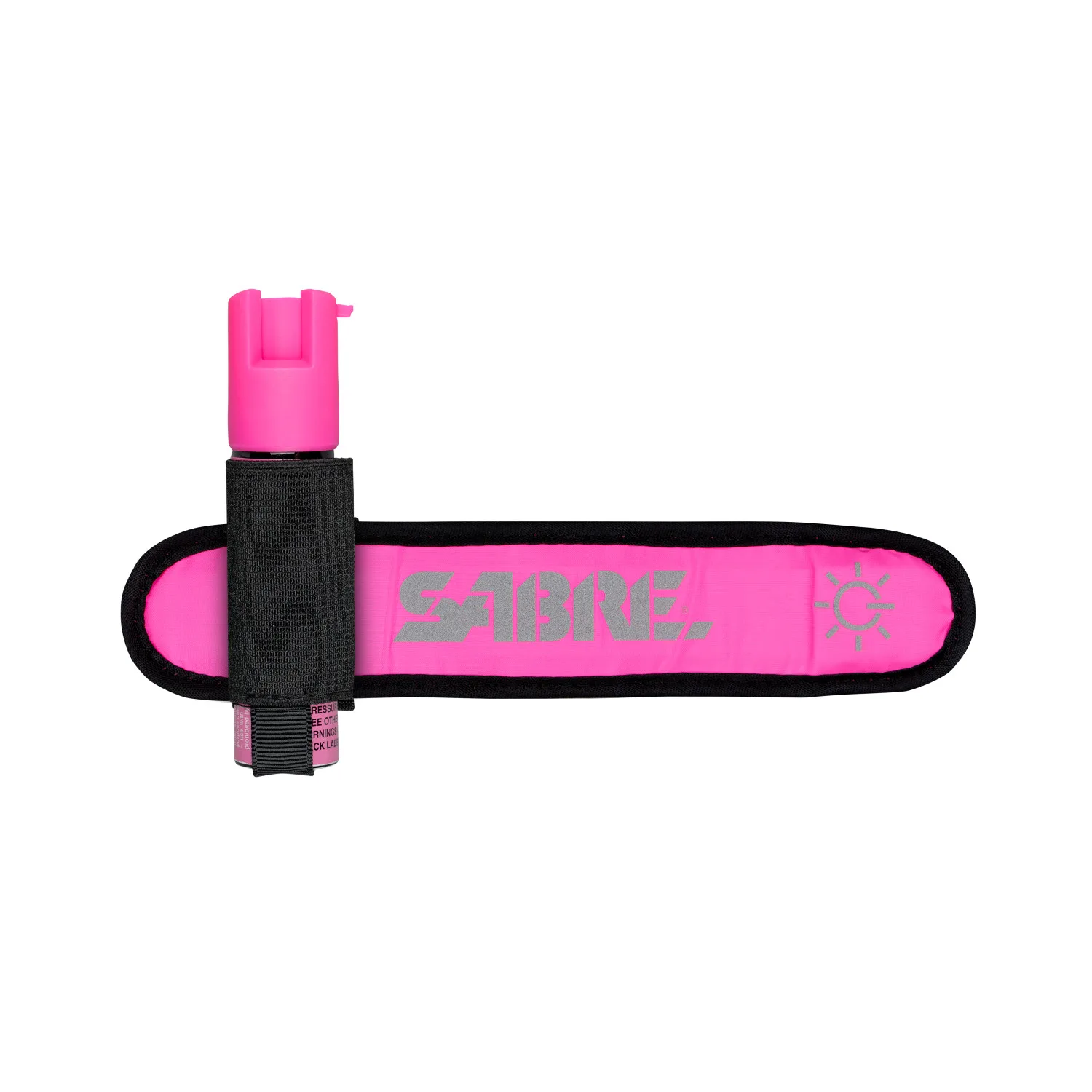
When practicing, simulate real scenarios: have a friend role-play an attacker, or practice in different lighting conditions. This helps you adapt to stressful situations. Also, review your kit's contents periodically to ensure everything is in working order. For example, if you carry the 2-in-1 Pepper Gel and LED Arm Band, make sure the gel is not expired and the LED light functions properly.
- Practice with your actual kit, not just the inert versions.
- Incorporate your safety kit into your daily routine, like attaching it to your keys or bag.
- Stay calm and focused—your kit is a tool, but your awareness is your best defense.
A personal safety kit is a powerful tool, but only if you know how to use it. By understanding each component, practicing regularly, and staying aware of your surroundings, you can significantly enhance your personal safety. Start by exploring our range of safety products, including the Fast Flip Top Pepper Spray with Snap-Clip Keychain, to build a kit that fits your lifestyle. Remember, preparation today can make all the difference tomorrow.