Quick Answer
Start by choosing a Pilates ball that matches your height and exercise goals. Use it to add instability or support to classic core moves like crunches, planks, and bridges. Focus on controlled movement and proper breathing to engage your deep abdominal muscles effectively.
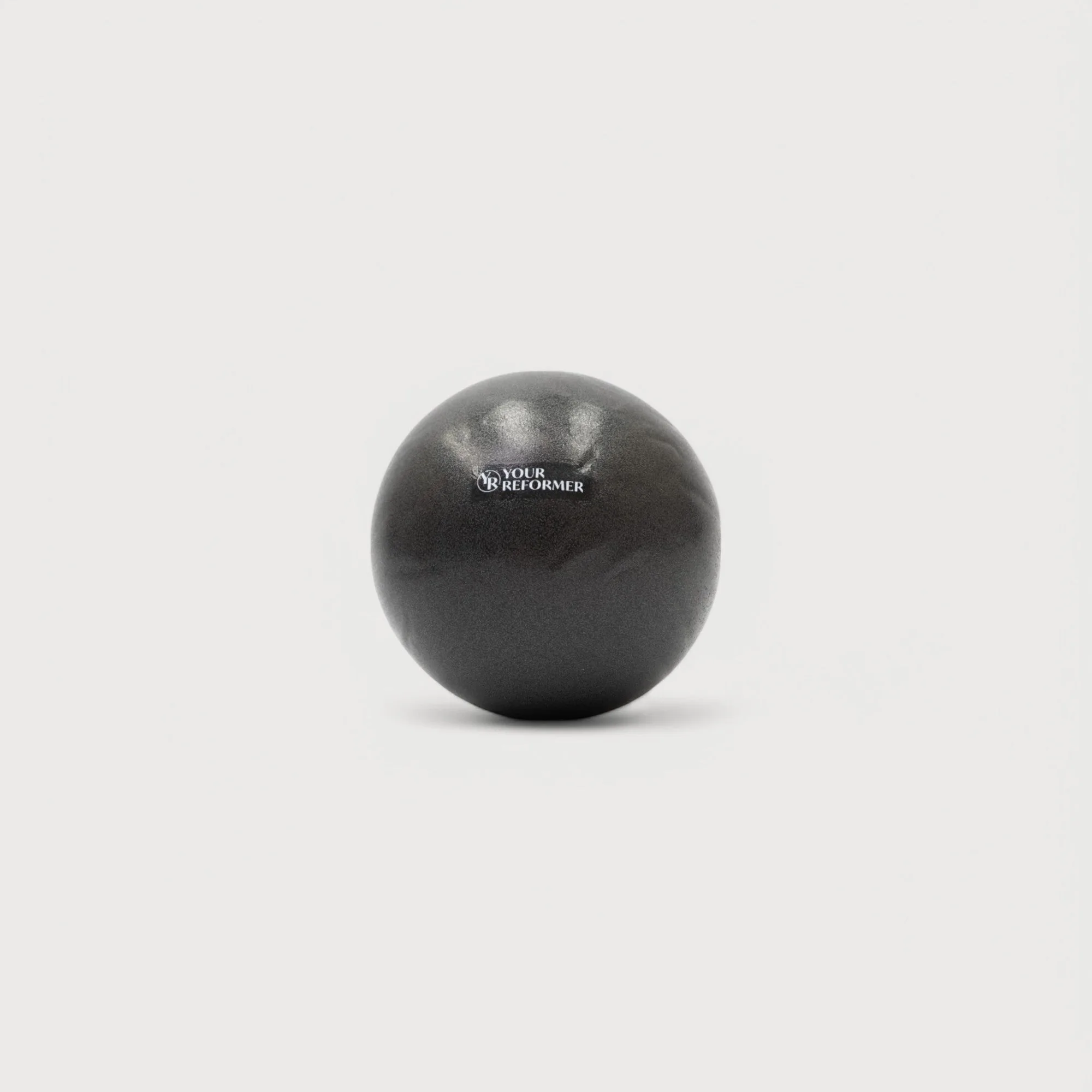
Pilates ball
A Pilates ball is a simple but powerful tool for building core strength. Unlike larger exercise balls, its smaller size makes it ideal for targeted movements that challenge your stability and control. Whether you are new to Pilates or an experienced practitioner, adding a ball to your routine can help you engage muscles you might otherwise miss.
This guide walks you through how to use a Pilates ball effectively for core strengthening. You will learn the setup, key exercises, and common pitfalls to avoid, so you can get the most out of each session.
Choosing the Right Pilates Ball
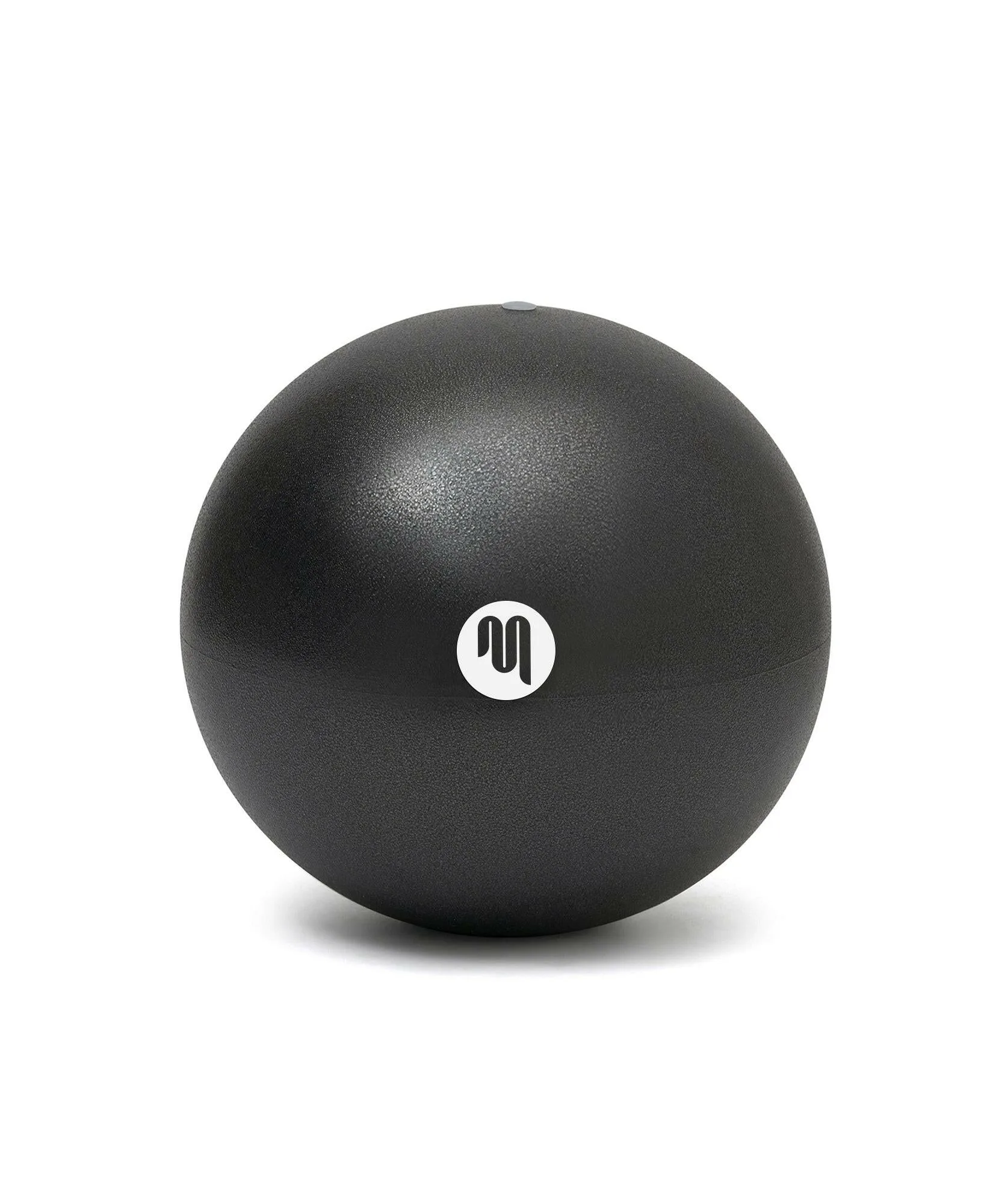
The size and firmness of your Pilates ball affect how you use it. A ball that is too large can make exercises unstable in a way that reduces control, while one that is too small may not provide enough support or challenge. Most Pilates balls range from 9 to 12 inches in diameter. For core work, a 9-inch ball is a good starting point because it fits comfortably under your lower back or between your knees without forcing your body out of alignment.
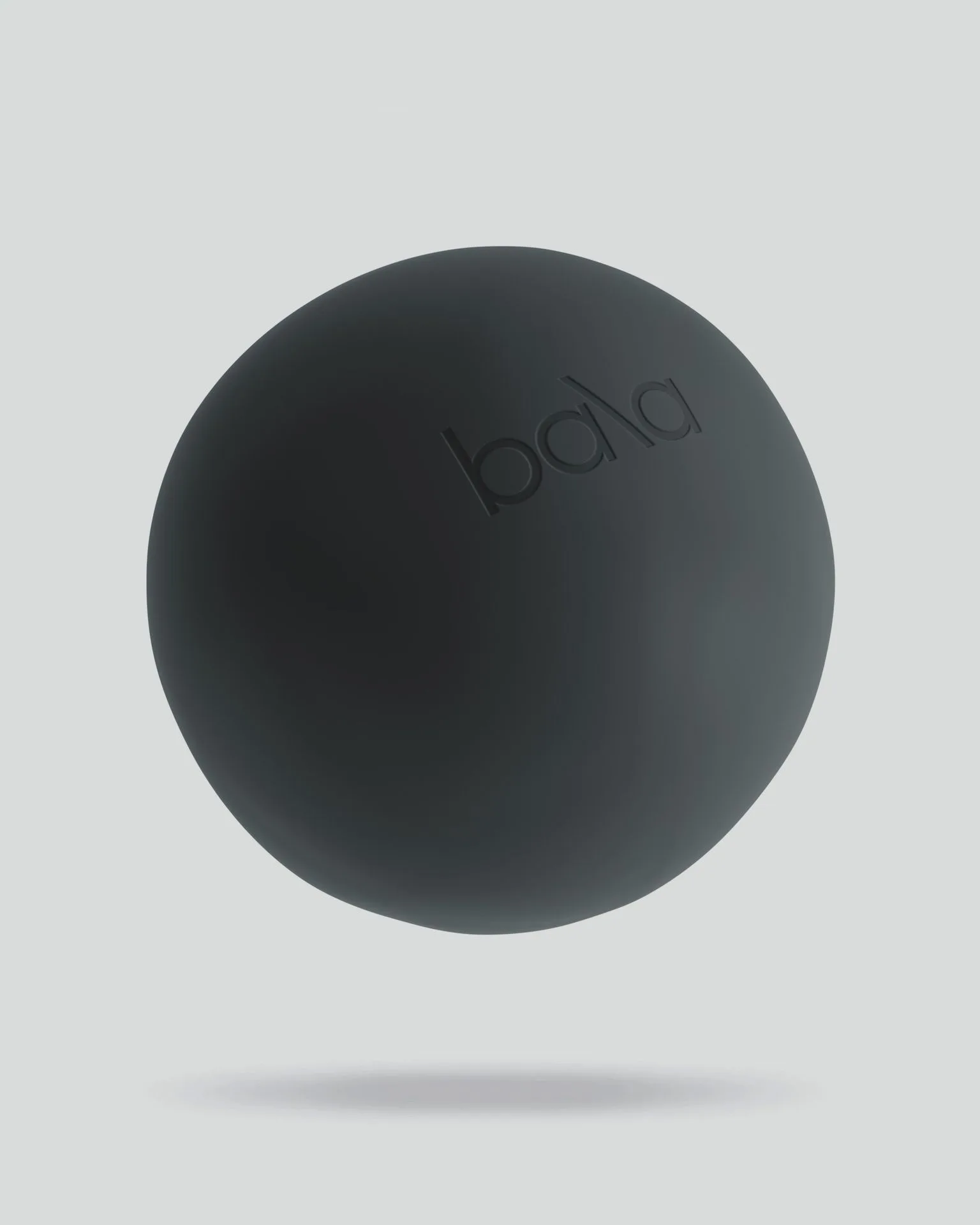
Your Reformer Toning Balls are a practical option. They are compact and come in three subtle shades, making them easy to incorporate into your routine. Their size and texture provide enough grip for exercises that involve holding the ball between your hands or legs, helping you maintain control during dynamic movements.
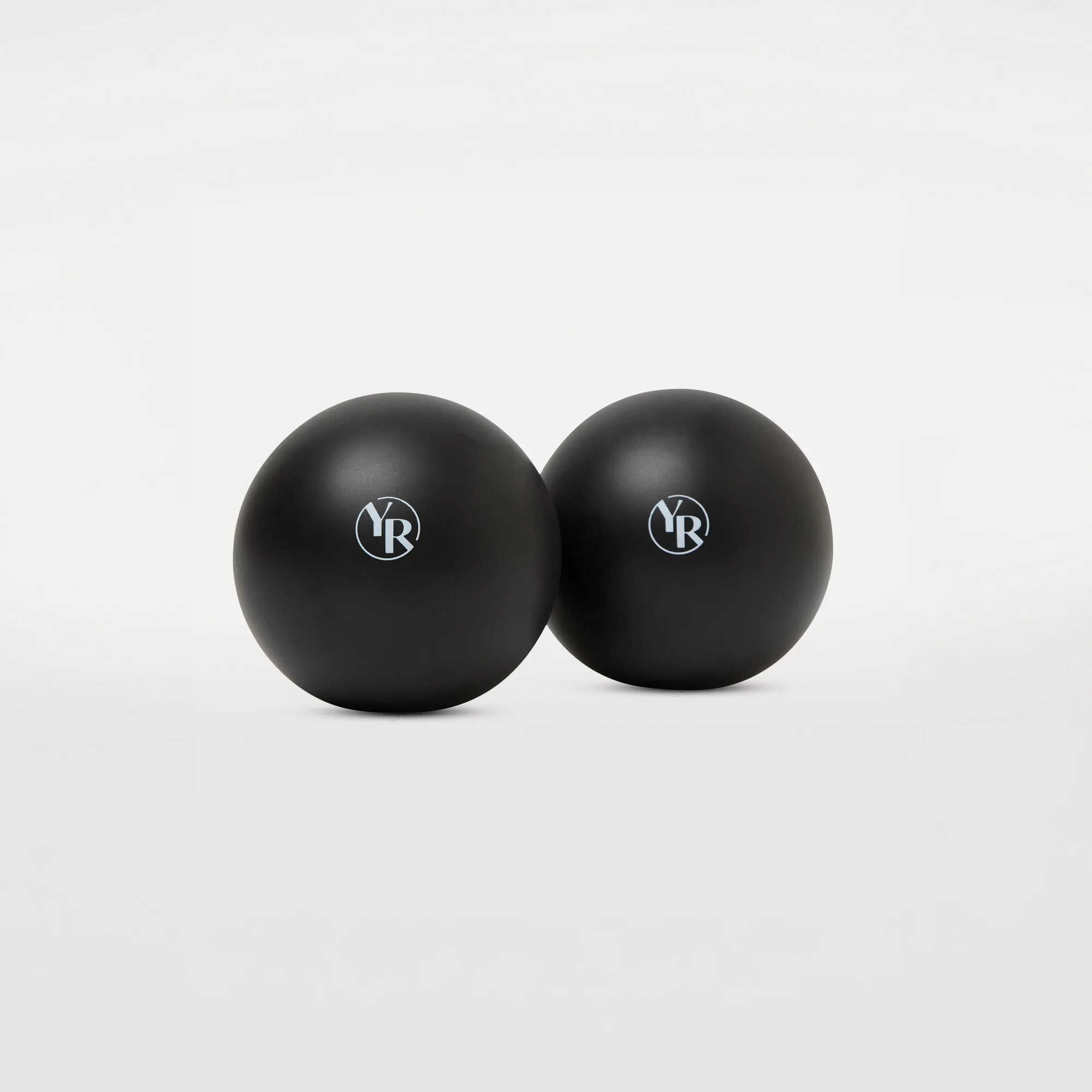
Toning Balls
- If you are unsure about size, start with a 9-inch ball. It works well for most people and core exercises.
Setting Up for Success
Before you begin, find a clear space on a mat or padded surface. Sit or lie down with the ball placed where you intend to use it, such as under your sacrum for bridges or between your knees for leg lifts. Make sure your spine is neutral and your shoulders are relaxed. Good posture before you start sets the foundation for effective core engagement.
One common mistake is rushing into movement without checking your alignment. Take a moment to feel the ball's position and adjust if it causes discomfort. If you are using the ball for support, like under your lower back, ensure it is centered and stable. If you are holding it, grip it gently rather than squeezing hard, which can create unnecessary tension in your arms and shoulders.
Key Core Strengthening Exercises
Start with a basic crunch. Lie on your back with your knees bent and feet flat. Place the ball between your knees and squeeze gently as you curl your head and shoulders off the mat. The ball adds a small adduction challenge that engages your inner thighs and deep abdominal muscles. Exhale as you lift, inhale as you lower. Do 8 to 10 repetitions.
Move to a bridge. Lie on your back with your knees bent and the ball under your sacrum. Press through your heels to lift your hips toward the ceiling. The ball provides a stable but slightly mobile surface that forces your glutes and core to work harder to keep you balanced. Hold for a breath at the top, then lower slowly. Repeat 8 times.
Try a plank with the ball under your shins or feet. Start on all fours, place the ball under your shins, and step back into a straight line from head to heels. The instability of the ball requires constant core engagement to prevent your hips from sagging or rising. Hold for 20 to 30 seconds, keeping your shoulders directly over your wrists.
- If you feel any sharp pain in your lower back during these exercises, stop and check your form. Reduce the range of motion or remove the ball and try the movement without it.
Common Mistakes and How to Avoid Them
The most frequent error is using momentum instead of muscle control. When you rush through a movement, you lose the core engagement that makes Pilates effective. Focus on slow, deliberate reps. Another mistake is holding your breath. Breathing helps activate your deep core muscles, so coordinate your breath with each movement.
Some people also choose a ball that is too firm or too soft for their needs. A very firm ball can be uncomfortable under the spine, while a very soft one may not provide enough resistance. If you are unsure, test the ball by pressing it with your hand. It should give slightly but still hold its shape under moderate pressure.
Step-by-Step Core Strengthening Routine
- Step 1: Warm Up and Set Up: Place your Pilates ball on a mat. Lie on your back with knees bent, feet flat. Position the ball between your knees. Take three deep breaths, feeling your ribs expand sideways. Checkpoint: Your lower back should have a small natural curve. If it is pressed flat, adjust the ball position.
- Step 2: Perform a Ball Squeeze Crunch: Keep the ball between your knees. Exhale as you curl your head and shoulders off the mat, squeezing the ball gently. Inhale as you lower. Repeat 10 times. Common mistake: Jerking your neck forward. Keep your chin tucked and use your abs to lift.
- Step 3: Transition to a Bridge: Move the ball under your sacrum (the bony part at the base of your spine). Press through your heels to lift your hips. Hold for one breath, then lower. Repeat 8 times. Checkpoint: Your knees should stay hip-width apart. If they drift inward, place the ball between your knees again.
- Step 4: Finish with a Plank: Place the ball under your shins. Step back into a plank, keeping a straight line from head to heels. Hold for 20 seconds, breathing steadily. Common mistake: Letting your hips sag. Engage your glutes and abs to keep your body in a straight line.
Products That Support Your Practice
- Toning Balls: Your Reformer Toning Balls are versatile accessories designed to add resistance and challenge to your workout routine. Available in three subtle shades, they help improve flexibility and muscle tone. Their compact size and grip-friendly texture make them ideal for the core exercises described in this guide, from knee squeezes to planks.
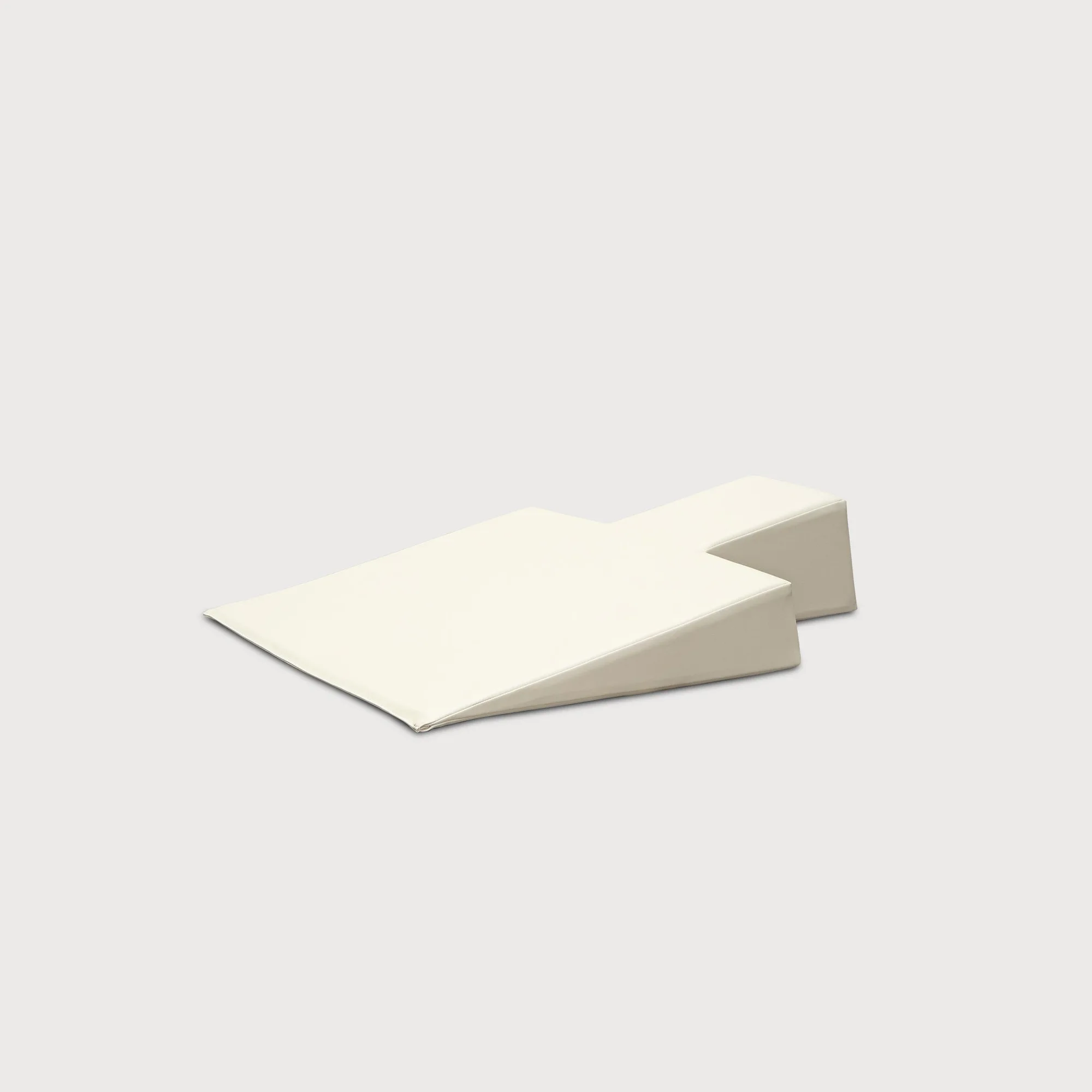
- Pilates Wedge: The Pilates Wedge is a triangular foam support designed to work with your body rather than against it, placing your hips, spine, and pelvis in proper alignment. If you have lower back discomfort during core work, the wedge can provide additional support under your hips, helping you maintain alignment while using the ball.
Using a Pilates ball for core strengthening is a simple way to add variety and challenge to your routine. Focus on control, alignment, and breathing, and you will notice improvements in your stability and strength over time. Start with the exercises above, and adjust the ball size or position as needed to stay comfortable and effective.