Getting Started with Preemie Nipples
If you are caring for a premature baby, choosing the right nipple can make feeding gentler and more comfortable. Pigeon offers two preemie silicone nipple sizes: WS-1 and WS-2. Both are made from soft, flexible silicone and are designed for smaller infants. This guide explains how to use them, what to check before each feed, and how to keep them clean.
How to Attach and Use a Pigeon Preemie Nipple
Follow these steps when using a WS-1 or WS-2 nipple with your Pigeon bottle.
- Check compatibility: Before attaching, confirm that the nipple fits your bottle. The supplied information states these nipples are suitable for use with Pigeon bottles, but does not specify which bottle types. If you are using a non-Pigeon bottle, test the fit before feeding.
- Inspect the nipple: Look for any cracks, tears, or sticky residue. Silicone is durable, but regular inspection helps ensure safe feeding. Replace if damaged.
- Attach to bottle: Gently pull the nipple through the bottle ring and screw onto the bottle. Ensure the nipple sits flat and the ring is snug but not overtightened, to avoid collapsing the nipple during feeding.
- Test the flow: Hold the bottle upside down. A few drops should appear, then stop. If the flow is too fast or too slow, consider switching to the other preemie size (WS-1 vs WS-2).
- Feed your baby: Hold the bottle at a slight angle so the nipple stays filled with milk, not air. Let your baby suck at their own pace. Never prop the bottle.
Understanding the Difference Between WS-1 and WS-2
Both nipples are labeled as preemie size, but the WS-1 and WS-2 may have subtle differences in shape or flow. The supplied information does not specify exact flow rates or dimensions. If your baby seems to work harder to get milk with the WS-1, or if milk flows too quickly with the WS-2, switching sizes may help. Observe your baby's feeding cues—coughing, sputtering, or milk leaking from the mouth can indicate the flow is too fast.
What Each Nipple Offers
-
Preemie Silicone Nipple(WS-1), 1 Count: This Pigeon Preemie Silicone Nipple (WS-1) is designed for preemie babies, offering a gentle feeding option. Each package contains one nipple. Made from silicone for a soft, flexible feel. Specifically sized as WS-1 (Preemie) for smaller infants. WS-1 is the starting point for many preemies. Its soft feel and small size aim to make early feeds less stressful.
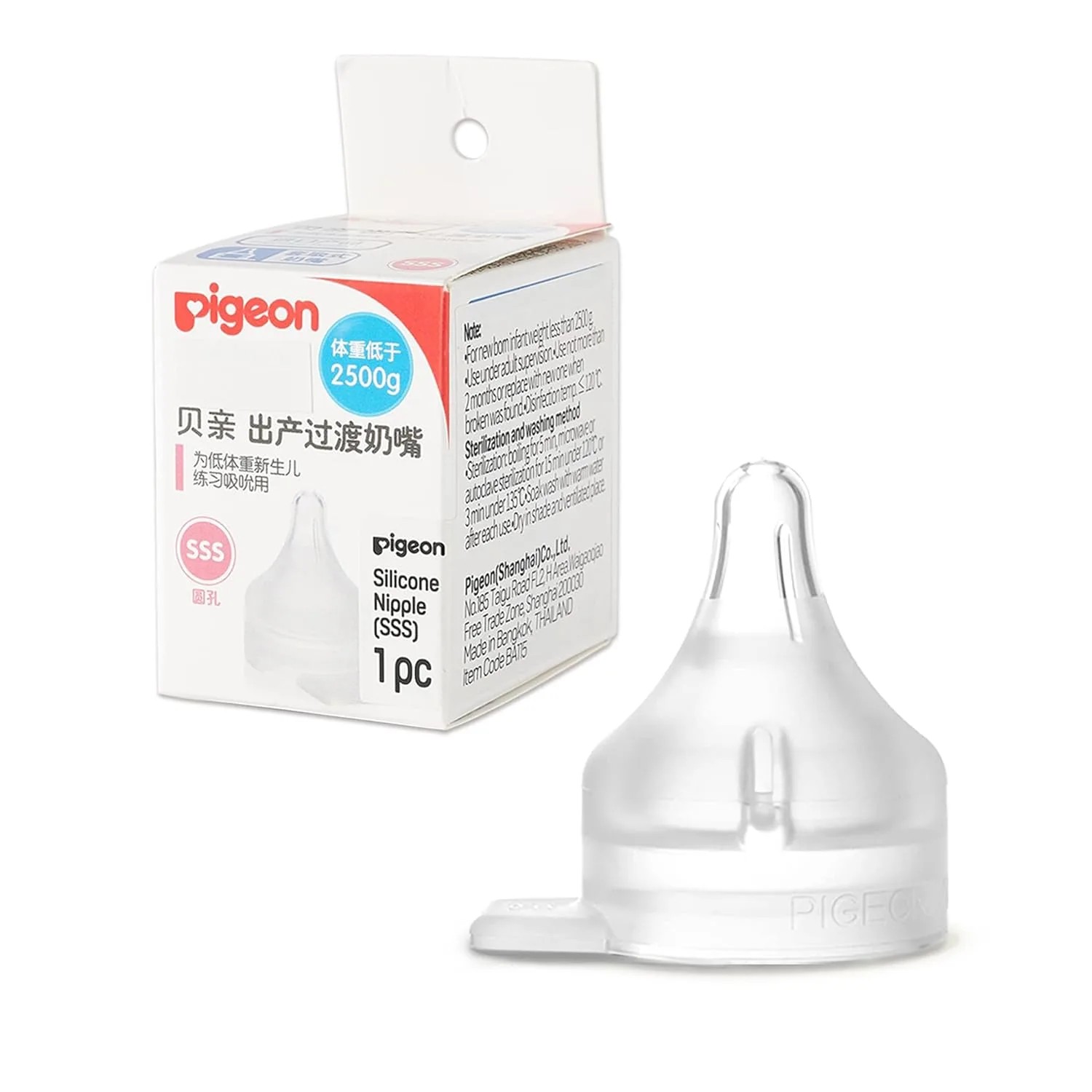
Preemie Silicone Nipple(WS-1), 1 Count
-
Preemie Silicone Nipple(WS-2): Pigeon Preemie Silicone Nipple (WS-2) is designed for gentle feeding, featuring a soft silicone texture suitable for preemie babies. Made from soft, flexible silicone material for a gentle feel. Specifically sized as WS-2 (Preemie) to accommodate smaller babies. WS-2 offers a similar preemie fit but may suit babies who have grown a little or need a slightly different flow.
Preemie Silicone Nipple(WS-2)
Cleaning and Care
Keeping preemie nipples clean is essential for hygiene. The supplied information notes that the WS-2 nipple is easy to clean and maintain for everyday use. Here is a simple routine:
- Rinse after each use: Rinse the nipple with cool water immediately after feeding to remove milk residue.
- Wash with mild soap: Use a soft bottle brush and mild dish soap. Clean the nipple inside and out, paying attention to the hole area.
- Sterilize as needed: The supplied information does not specify sterilization instructions. If your pediatrician recommends sterilizing, follow your usual method (boiling, steam, or cold water sterilizing). Avoid prolonged boiling as it may damage silicone.
- Dry completely: Air dry on a clean rack. Store in a dry, covered container until next use.
What the Supplied Information Does Not Settle
The product records do not specify exact flow rates, dimensions, or compatibility with specific Pigeon bottle models. They also do not include preparation or operating instructions. If you have questions about fit or flow, test with water first. For medical concerns about feeding a premature baby, consult your healthcare provider or a lactation consultant.