Quick Answer
To get the best summer cooling from your Vornado Profile Window Fan, install it securely in a window that opens 26 to 38 inches wide, set the airflow to exhaust hot air at night, and use the reversible feature to pull in cool air during the day.
Why Window Fan Placement Matters
The Vornado Profile Window Fan is designed to fit windows from 26 to 38 inches wide, and its low profile—just over 6 inches tall—means it won't block your view. But where you place it can make a big difference in how well it cools your room.
For cross ventilation, place the fan in a window on the side of your home where the breeze is strongest, and open a window on the opposite side to create a path for air to flow through. This setup works best in the evening when outdoor temperatures drop.
Daytime vs. Nighttime Use: When to Reverse the Airflow
The Profile Window Fan has an electronically reversible chamber, which lets you switch between bringing fresh air in and pushing stale air out. Using the right direction at the right time can maximize your comfort and energy savings.
During the day, when outdoor air is warmer than indoor air, set the fan to exhaust mode to push hot air out. At night, when temperatures drop, reverse the airflow to pull cool air in. This simple switch can help you rely less on air conditioning.
Security and Fit: Making Sure It Stays Put
A window fan is only effective if it's installed securely. The Profile Window Fan is designed to fit snugly in windows from 26 to 38 inches wide, but you should always check that the expandable panels are tight against the window frame.
If your window is larger than 38 inches, you may need to use a window filler panel for a proper fit. Never leave the fan unsecured in an open window, especially on upper floors, as it could be a safety hazard.
Step-by-Step Setup and Use Guide
- Measure Your Window Opening: Measure the width of your window opening to ensure it falls between 26 and 38 inches. If it's wider, you'll need a window filler panel for a secure fit. Check that the fan's expandable panels will make full contact with the window frame.
- Install the Fan in the Window: Place the fan on the windowsill and extend the side panels until they press firmly against the window frame. Close the window to hold the fan in place, and ensure the power cord is not pinched. Give the fan a gentle tug to confirm it's secure before turning it on.
- Set the Airflow Direction: Use the electronically reversible chamber to choose intake (bring fresh air in) or exhaust (push hot air out). For daytime use, set to exhaust to remove warm air; at night, switch to intake to pull in cooler air. If you're unsure which direction to use, feel the airflow at the front of the fan—it should match your intended setting.
- Adjust Fan Speed: Turn the fan on and select the speed that matches your comfort needs. Higher speeds move more air but may be noisier, while lower speeds are quieter for sleeping. Start with a higher speed to cool the room quickly, then lower it once you're comfortable.
- Create Cross Ventilation: Open a window on the opposite side of the room or house to allow air to flow through. This creates a cross breeze that enhances the fan's cooling effect. For the best results, keep interior doors open to allow air to circulate between rooms.
- Clean and Maintain the Fan: Unplug the fan and wipe the grille and blades with a soft, damp cloth to remove dust. Do not use harsh chemicals or submerge the fan in water. Clean the fan at the start and end of the summer season to keep it running efficiently.
About the Vornado Profile Window Fan
-
Profile® Window Fan: The Profile Window Fan stands just over 6 inches tall and installs in windows from 26 to 38 inches wide. This low-profile design preserves your view while fitting most standard windows, making it a versatile choice for summer cooling.
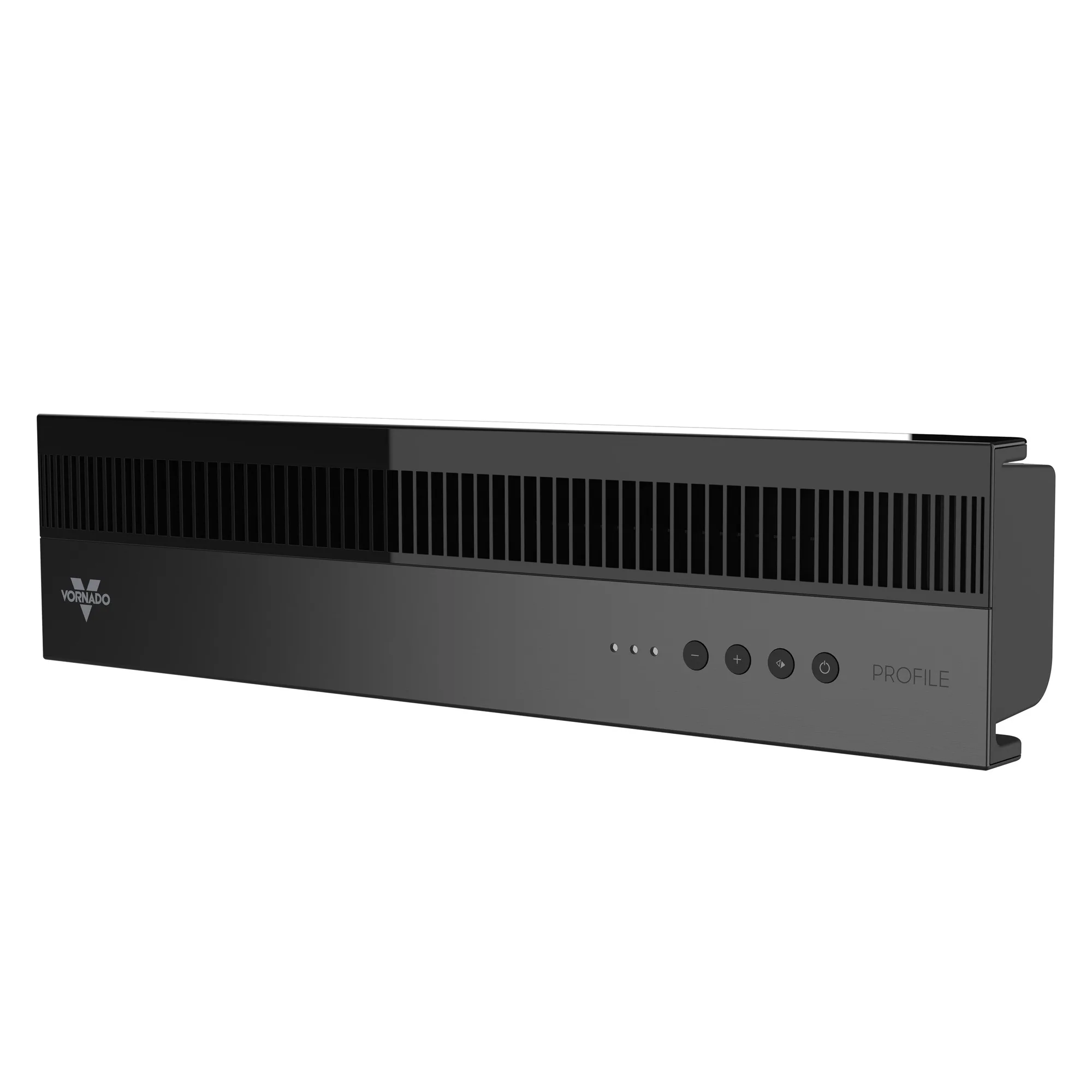
Profile® Window Fan