Steamed desserts are a classic comfort food, from rich sticky toffee pudding to light sponge puddings. But many home bakers shy away from them, thinking they require special equipment or advanced skills. In reality, all you need is a good pudding basin and a bit of patience. Whether you're a seasoned baker or a beginner, this guide will walk you through the process step by step, ensuring your steamed desserts turn out perfectly every time.
One of the most trusted names in pudding basins is Mason Cash, a brand with over 200 years of heritage in kitchenware. Their basins are designed to withstand the rigors of steaming, making them a staple in British kitchens. In this article, we'll cover everything from selecting the right basin to mastering the steaming technique, so you can enjoy homemade steamed puddings with confidence.
Why Use a Pudding Basin?
A pudding basin is a deep, round bowl with sloping sides, specifically designed for steaming puddings. Its shape allows the pudding to cook evenly and expand without spilling over. The thick walls of a quality basin, such as the Mason Cash White S30 (17cm) Pudding Basin, distribute heat gently, ensuring a moist, tender crumb. Unlike metal or glass bowls, earthenware basins retain heat well and are safe for use in steamers.
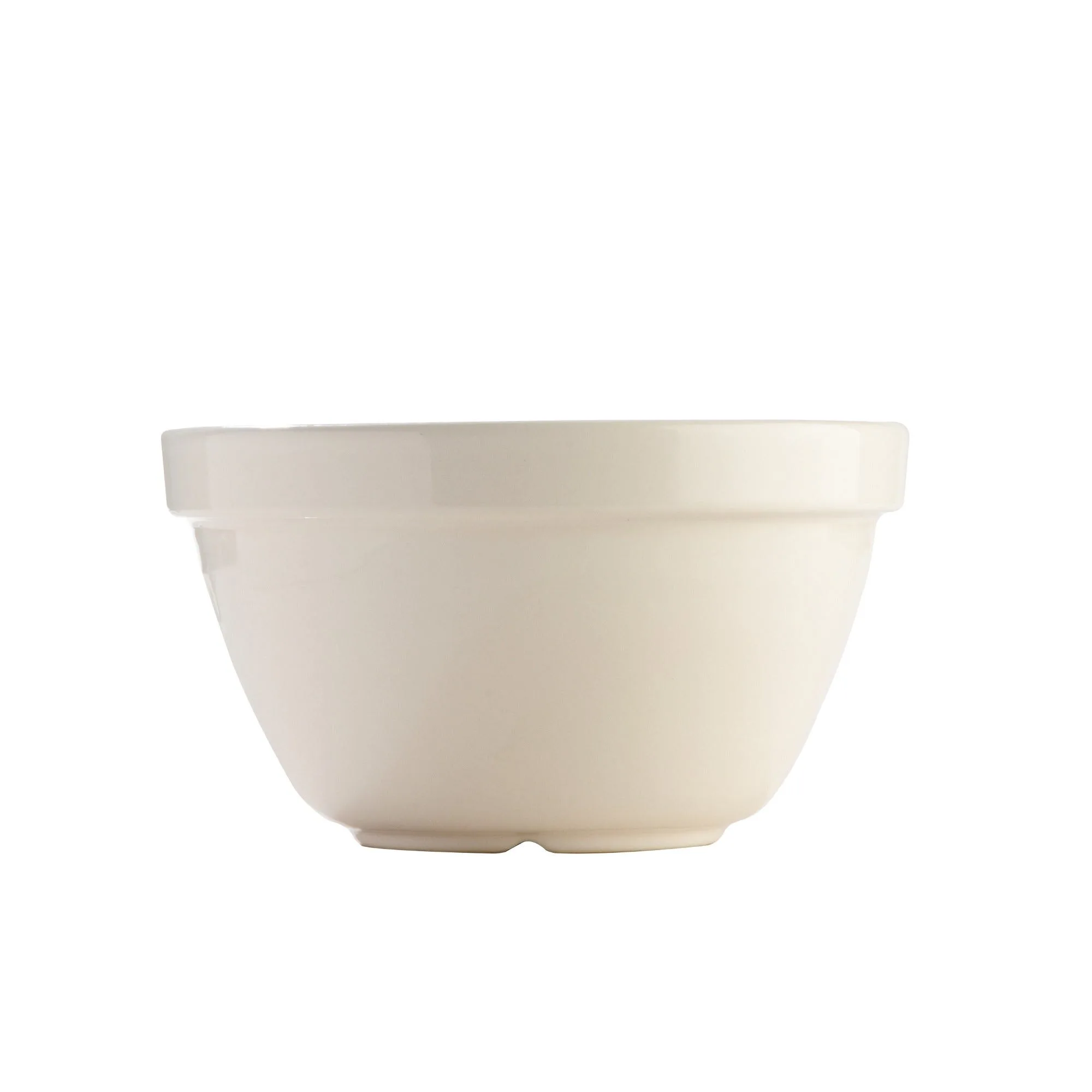
Mason Cash White S30 (17cm) Pudding Basin
Using a proper basin also makes it easier to unmold the pudding. The smooth interior, when properly greased, releases the pudding cleanly. Additionally, the classic design of a Mason Cash basin adds a touch of tradition to your kitchen, and with proper care, it can last for generations.
- Choose a basin with a capacity that matches your recipe (e.g., 1 pint or 2 pint).
- Look for basins with a lip or rim for easy tying of parchment and foil.
- Earthenware basins are ideal for even heat distribution.
Choosing the Right Pudding Basin
Pudding basins come in various sizes, typically from 1 pint to 2 pints. The size you need depends on the recipe and the number of servings. For a family-sized dessert, a 2-pint basin like the Mason Cash White S30 (17cm) Pudding Basin is perfect. If you're making individual puddings, smaller basins or ramekins can be used, but they may require shorter steaming times.
When selecting a basin, consider the material. Earthenware is the traditional choice because it heats slowly and evenly, preventing scorching. Mason Cash basins are made from high-quality earthenware, and many feature a classic white glaze that is both practical and attractive. For those who prefer a modern twist, the Colour Mix range offers vibrant options, but the classic white is timeless.
- For most steamed pudding recipes, a 1.5-pint or 2-pint basin is versatile.
- Ensure the basin fits comfortably in your steamer or pot with room for steam circulation.
- If you plan to use a microwave, check that the basin is microwave-safe (most Mason Cash basins are).
Preparing the Basin
Proper preparation is key to ensuring your pudding doesn't stick. Start by thoroughly greasing the inside of the basin with butter or a neutral oil. Use a pastry brush to reach every nook and cranny. For extra insurance, you can dust the greased surface with a little flour or sugar, depending on the recipe. Some bakers also place a circle of parchment paper at the bottom of the basin to help the pudding release cleanly.
Once greased, pour in your pudding batter. Fill the basin only about two-thirds full to allow room for the pudding to rise. Smooth the top with a spatula, then cover the basin with a layer of parchment paper and foil. This covering prevents steam from condensing and dripping onto the pudding, which would make it soggy. Secure the covering with kitchen twine or a rubber band.
- Butter the basin generously, including the rim.
- Cut a pleat in the parchment paper to allow for expansion.
- Tie the cover securely but leave a little slack for the pudding to rise.
Steaming Techniques
Steaming can be done on the stovetop or in a dedicated steamer. The classic method involves placing a trivet or heatproof plate at the bottom of a large pot, then setting the pudding basin on top. Fill the pot with boiling water until it reaches halfway up the sides of the basin. Cover the pot with a tight-fitting lid and maintain a gentle simmer throughout the cooking time. Check the water level periodically and top up with boiling water as needed.
For a more modern approach, you can use an electric steamer or even a slow cooker. If using a slow cooker, place the basin on a trivet and add enough hot water to come halfway up the sides. Cook on low for the recommended time. Regardless of the method, the key is to keep the water at a gentle simmer, not a rolling boil, to ensure even cooking. The pudding is done when a skewer inserted into the center comes out clean.
- Always use boiling water to top up, never cold, to avoid lowering the temperature.
- Check the water level every 30 minutes and replenish as necessary.
- Allow the pudding to rest for 5-10 minutes before unmolding.
Unmolding and Serving
Once your pudding is cooked, remove the basin from the steamer and let it rest for a few minutes. This allows the pudding to set slightly and makes unmolding easier. Run a butter knife around the edge to loosen it, then place a serving plate upside down over the basin. Carefully invert the whole thing, giving it a gentle shake, and lift the basin away. If the pudding doesn't release, you can dip the bottom of the basin in hot water for a few seconds to help it along.
Serve your steamed pudding warm with custard, cream, or a sauce of your choice. The classic combination is a rich, sticky toffee pudding with warm caramel sauce, but the possibilities are endless. For a special presentation, you can also use a decorative basin like the Mason Cash In The Forest 29cm Cream Mixing Bowl as a serving dish, though it's not designed for steaming.
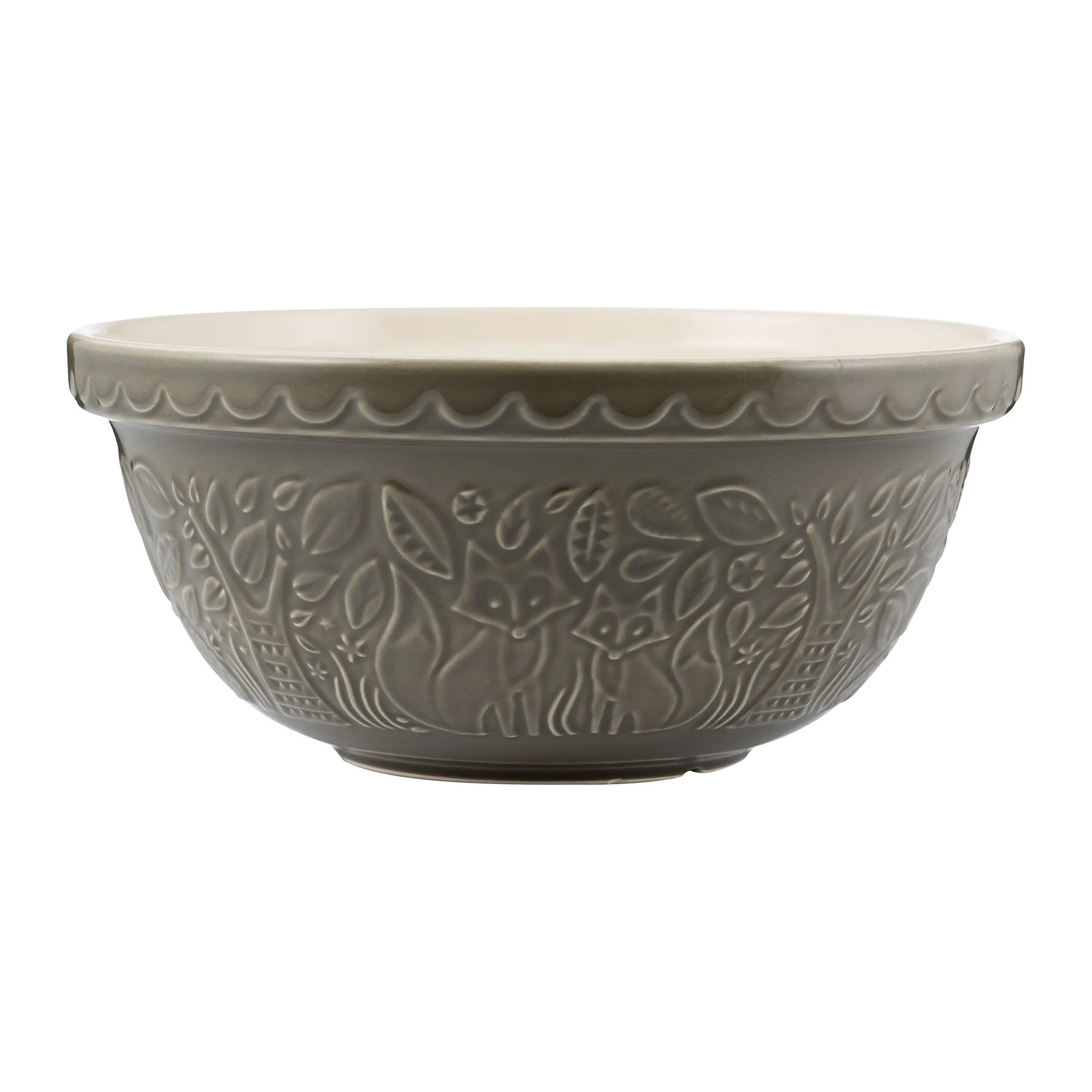
Mason Cash In The Forest 29cm Cream Mixing Bowl
- Let the pudding rest for 5-10 minutes to firm up.
- Use a plate that is slightly larger than the basin for easy unmolding.
- If the pudding sticks, dip the basin in hot water for a few seconds.
Tips for Perfect Steamed Puddings
To ensure your steamed puddings are always a success, keep these tips in mind. First, always use a basin that is the right size for your recipe. Overfilling can cause the pudding to overflow, while underfilling may result in a flat pudding. Second, maintain a consistent simmer. Fluctuations in temperature can lead to a dense or unevenly cooked pudding. Third, don't peek! Opening the lid lets out steam and can interrupt the cooking process.
Finally, consider investing in quality equipment. A sturdy pudding basin like the Mason Cash White S30 (17cm) Pudding Basin is a worthwhile investment. Additionally, a good steamer or large pot with a tight-fitting lid will make the process easier. With practice, you'll be able to create delicious steamed desserts that are sure to impress.
- Grease the basin thoroughly to prevent sticking.
- Keep the water at a gentle simmer, not a rolling boil.
- Use a timer and check for doneness with a skewer.
Steamed desserts are a delightful treat that anyone can master with the right tools and techniques. A quality pudding basin, such as the Mason Cash White S30 (17cm) Pudding Basin, is essential for achieving perfect results. So why not try your hand at a classic steamed pudding this weekend? Your efforts will be rewarded with a warm, comforting dessert that's sure to become a family favorite.