Quick Answer
You can confidently use a quilt pattern with multiple fabric collections by focusing on value contrast, scale variety, and a unifying color thread. Start by selecting one collection as your anchor, then pull accent fabrics from others.
Why Mixing Collections Works
Quilt patterns are designed around fabric dimensions and seam allowances, not a specific brand or collection. That means you can substitute fabrics from different lines as long as you pay attention to the finished size and fabric requirements. The Confetti Quilt Pattern by Chrissy Lux, for example, calls for layer cakes (10" squares), so any 10" precut from any collection will work.
Mixing collections adds visual depth that a single line sometimes lacks. You get a wider range of scales, colors, and motifs. The key is to keep the overall palette intentional rather than random.
Common Pitfall: Ignoring Fabric Weight and Width
Most quilting cotton is 44 inches wide, but not all fabrics are the same weight. A lightweight voile or a heavy canvas will change how the quilt hangs and how accurately you can cut pieces. Stick to 100% cotton quilting fabrics like the ANDOVER Hazelmont Farm Shirtings or CLOUD9 Desert Dance for consistent results.
Steps to Mix Fabric Collections in a Quilt Pattern
- Choose an anchor collection: Pick one fabric line that has the dominant color or print you love. Use it for the largest pieces in the pattern (background or main blocks). This gives your quilt a consistent foundation. Common mistake: picking a busy print as the anchor can make the quilt look chaotic. Choose a medium-scale or tonal print.
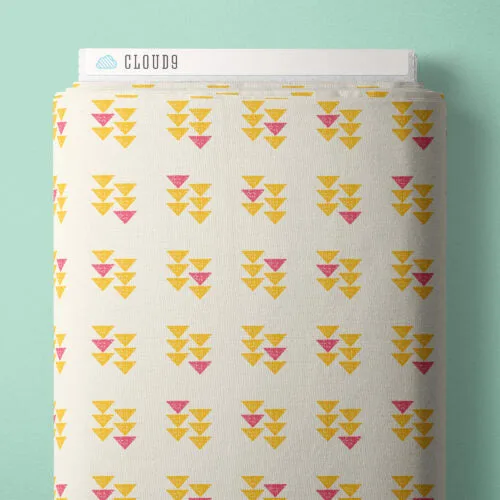
- Pull accent fabrics from other collections: Select two or three fabrics from different lines that share at least one color from your anchor. For example, pair a pistachio shirting (like ANDOVER Hazelmont Farm) with a neutral geometric (like CLOUD9 Desert Triangles) to add texture without competing. Checkpoint: hold all fabrics together in natural light. If any fabric looks out of place, swap it out before cutting.
- Verify fabric requirements against the pattern: Calculate the total yardage or number of precuts needed for your chosen fabrics. If the pattern calls for layer cakes, ensure you have enough 10" squares. If using yardage, confirm the width (standard is 44") matches the pattern assumptions. Common mistake: assuming all fabrics are the same width. Always check the bolt label, especially with organic or specialty cottons.
- Test a block before cutting everything: Cut and sew one block using your mixed fabrics. This confirms that the seams align and the colors work together. Adjust fabric placement if needed before committing to the full quilt. Checkpoint: if the block feels flat, add a high-contrast accent from a third collection to create depth.
Fabrics That Work Well Together
-
Confetti Quilt Pattern by Chrissy Lux: The Confetti Quilt Pattern by Chrissy Lux is designed for layer cakes (10" squares) and yields a finished quilt of 60" x 72". Because the pattern is built around a standard precut size, you can swap in any 10" squares from different collections without recalculating yardage.
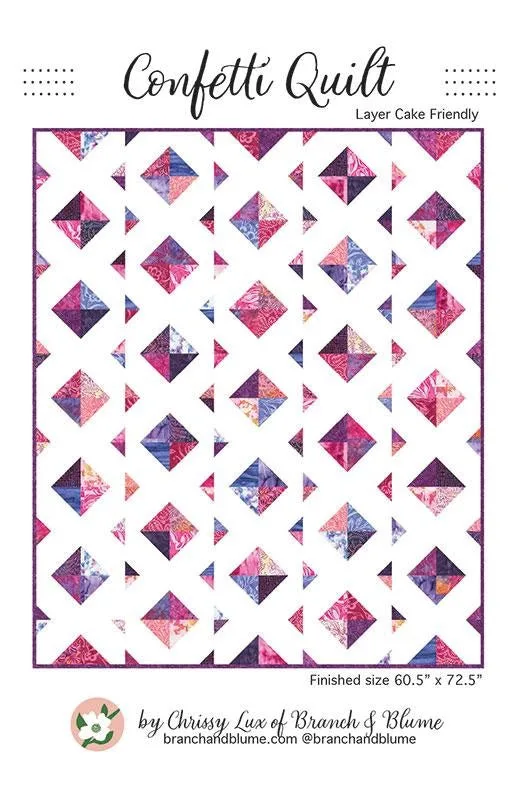
Confetti Quilt Pattern by Chrissy Lux
-
ANDOVER - Hazelmont Farm Shirtings by Max and Louise - Eliza - Pistachio: ANDOVER Hazelmont Farm Shirtings Eliza in Pistachio is a 100% cotton quilting fabric, 44 inches wide. Its classic shirting print provides a neutral, textural element that can bridge busier prints from other collections.
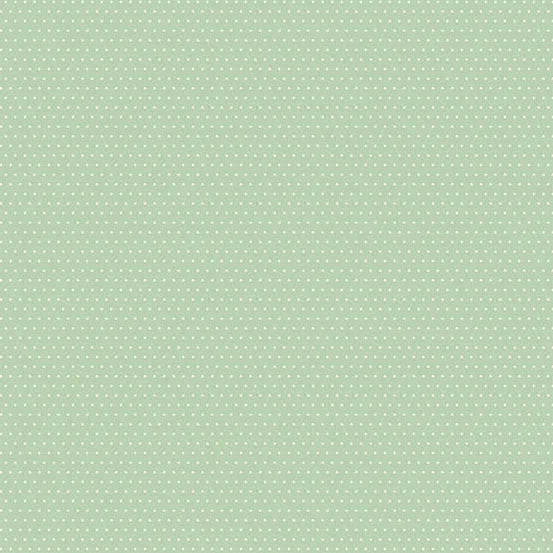
ANDOVER - Hazelmont Farm Shirtings by Max and Louise - Eliza - Pistachio
-
CLOUD9 - Desert Dance By Jillian Nichole - Desert Triangles - Ivory: CLOUD9 Desert Dance Desert Triangles in Ivory is a 100% organic cotton fabric, 44 inches wide. The geometric triangle print offers a modern contrast to floral or shirting fabrics, adding visual interest without clashing.