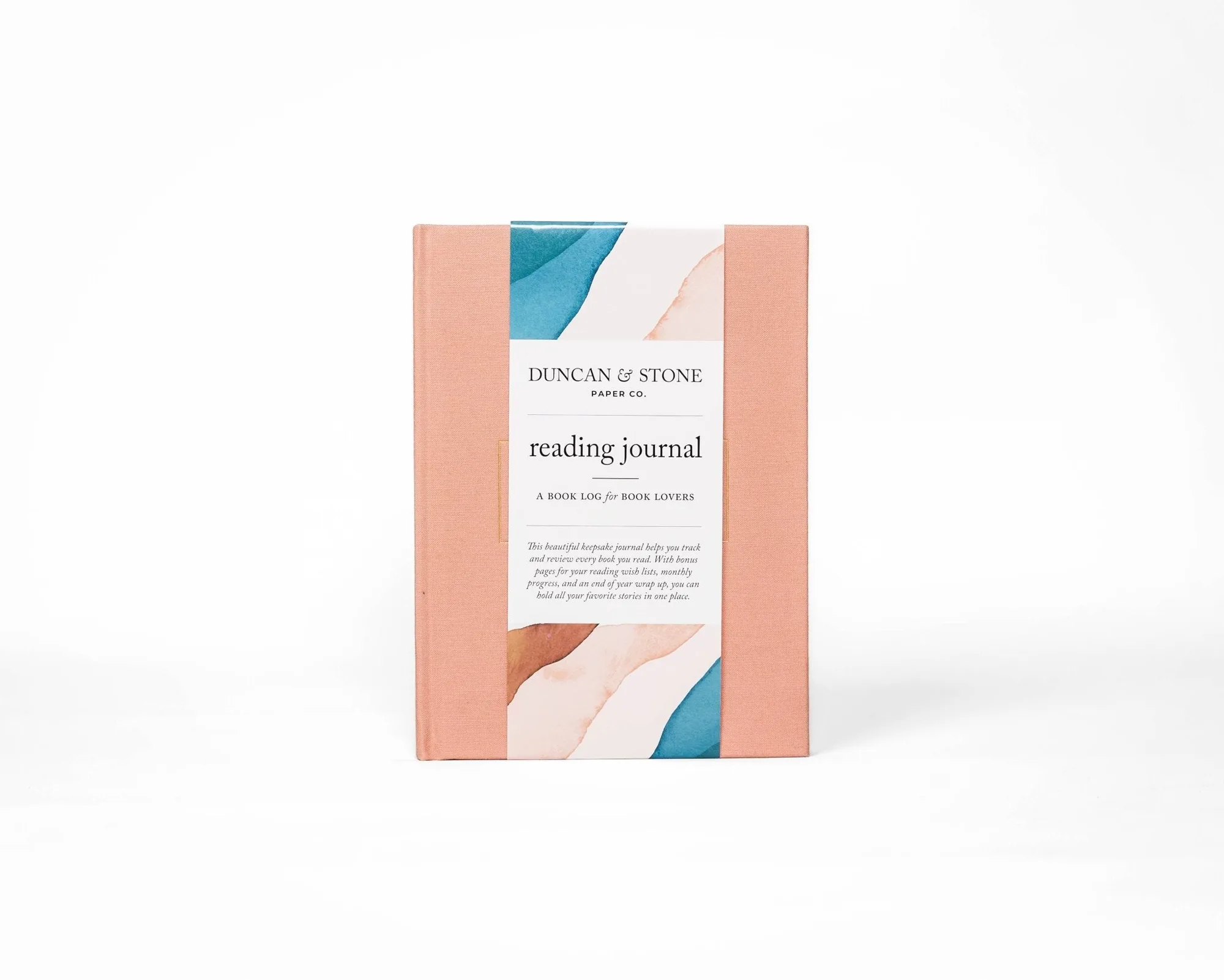
For book lovers, a https://duncanandstones.com/products/reading-journal-261238reading journal is more than just a log of titles—it's a personal archive of your literary journey. Whether you're an avid reader or just starting to build a habit, tracking what you read and capturing your thoughts can transform the way you engage with books. In this guide, we'll explore how to use a reading journal to track your book list, record meaningful reflections, and create a keepsake you'll treasure for years.
A reading journal can be as simple or as detailed as you like. From a blank lined journal to a structured template, the key is to find a system that works for you. Let's dive into the practical steps and creative ideas that will help you get the most out of your reading journal.
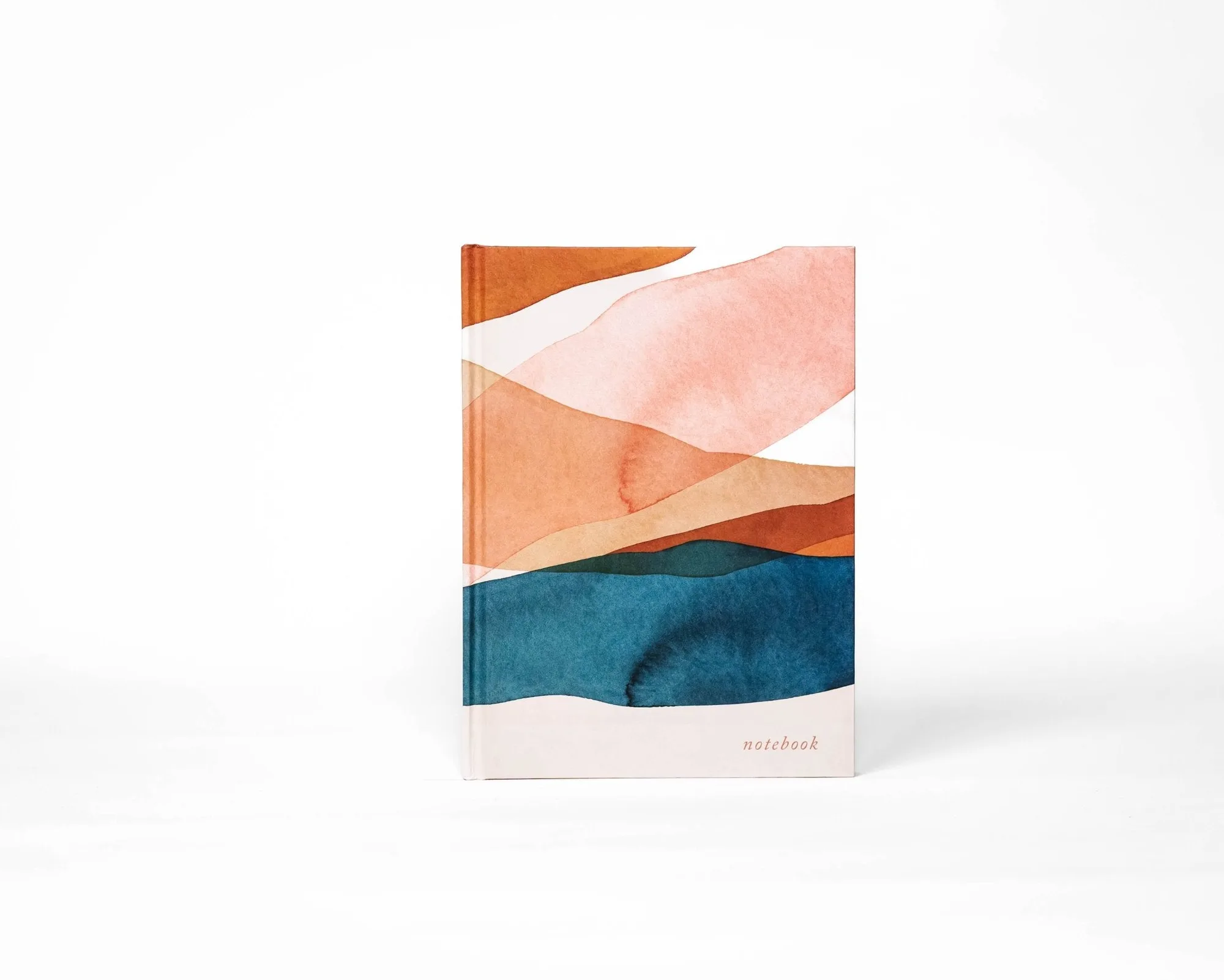
blank lined journal
Why Keep a Reading Journal?
Keeping a reading journal offers numerous benefits beyond just remembering what you read. It helps you become a more mindful reader, encourages deeper thinking, and allows you to track your reading habits over time. By documenting your reactions, favorite quotes, and insights, you create a personal record that reflects your intellectual growth.
Moreover, a reading journal can serve as a source of inspiration when you're looking for your next book. Looking back at your entries can remind you of authors you enjoyed, themes you want to explore, or genres you haven't tried yet. It's a valuable tool for both casual readers and book club members.
- Enhances comprehension and retention
- Provides a personalized book recommendation list
- Creates a meaningful keepsake of your reading life
Choosing the Right Journal
The first step is selecting a journal that suits your style. A blank lined journal offers the freedom to design your own layout, from simple lists to elaborate spreads. If you prefer structure, consider a journal with guided prompts, but a blank journal allows for ultimate flexibility.
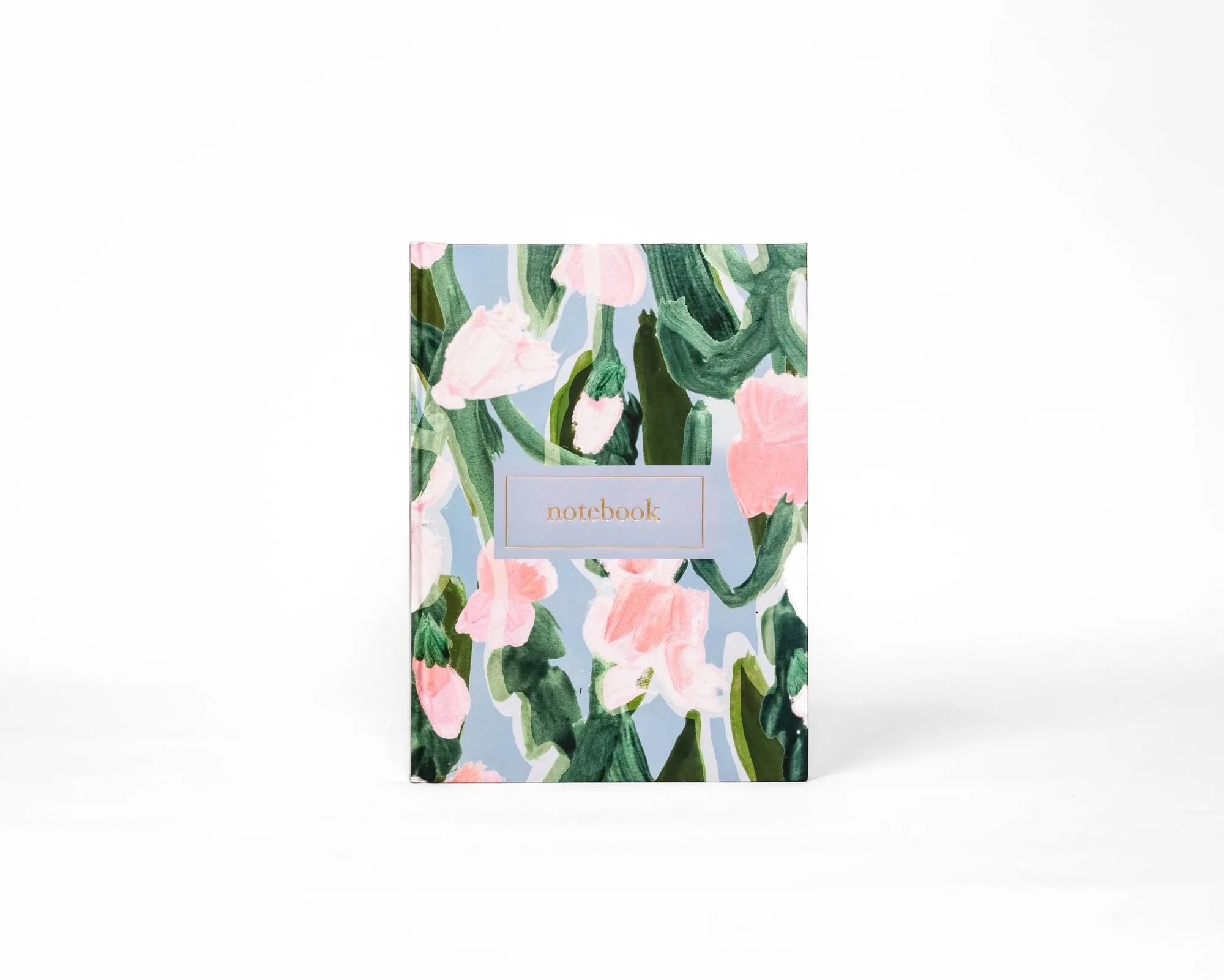
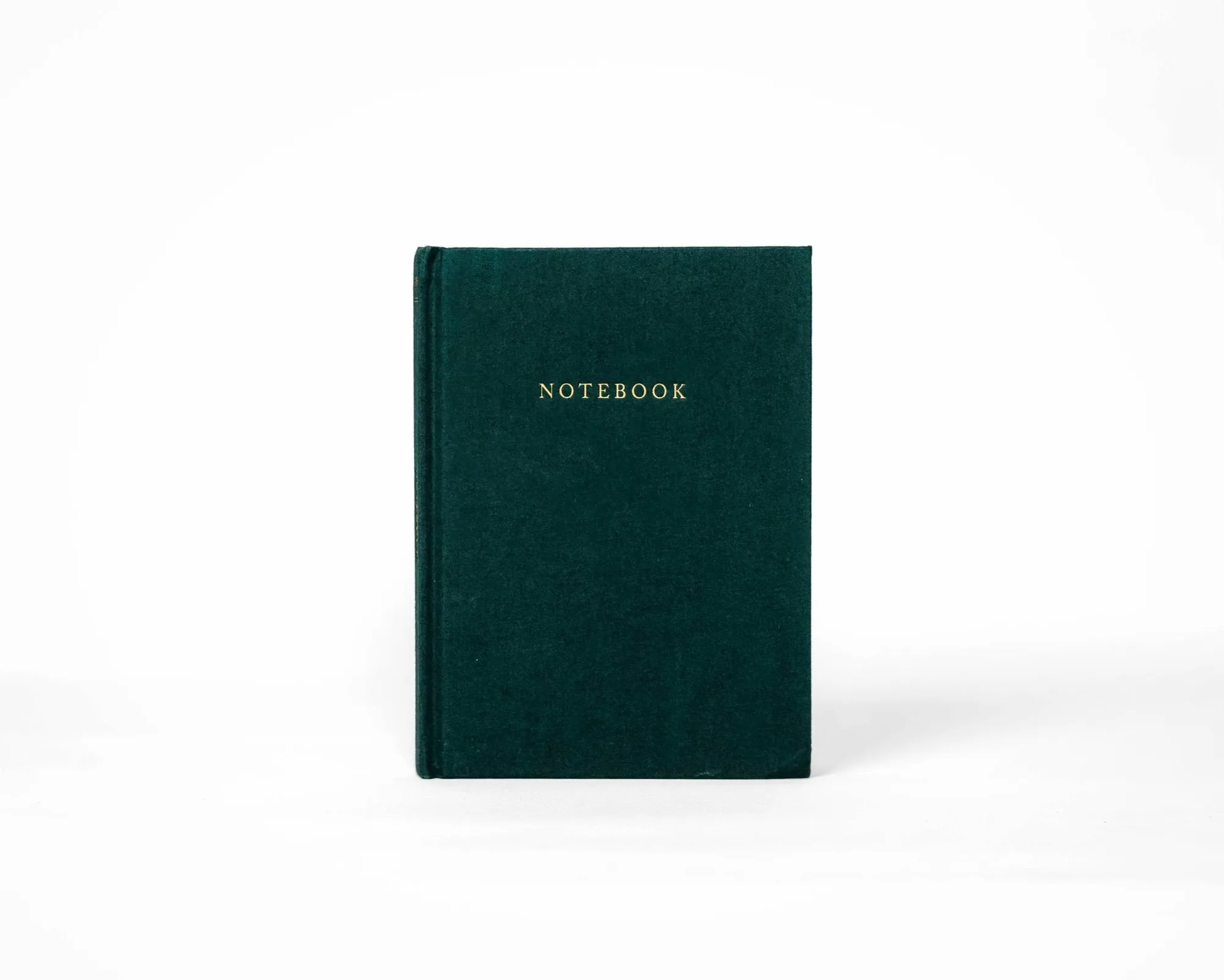
For those who appreciate aesthetics, a blank lined journal with a beautiful cover, like the Blank Lined Journal: Garden Party, can make the process more enjoyable. Alternatively, the Blank Lined Journal: Emerald offers a classic, elegant look that's perfect for a literary journal. The key is to choose a journal that you'll be excited to open again and again.
- Consider size and portability—do you want to carry it with you?
- Think about paper quality—will you use pens, markers, or watercolors?
- Choose a design that reflects your personality
Setting Up Your Reading Journal
Before you start logging books, decide on the structure. Some readers prefer a chronological log, while others organize by genre or date. You can also create sections for current reads, future TBR (to-be-read) list, and favorite quotes. A simple index at the front can help you navigate your entries.
If you're using a blank journal, you can create a template that includes fields for the book title, author, start and finish dates, rating, and a summary. Leave space for longer reflections or doodles. The beauty of a blank journal is that you can adapt it as your needs evolve.
- Create a key or legend for ratings and symbols
- Add a table of contents for easy reference
- Design a template that works for you
What to Track in Your Reading Journal
Tracking your book list is the core of a reading journal. At minimum, record the title, author, and date you finished. But you can also include the genre, page count, and a rating. Many readers enjoy tracking reading challenges, such as number of books per year or diversity goals.
Beyond the basics, your journal can capture your reading reflections. Write about how the book made you feel, what you learned, and how it connects to your life. Include favorite quotes or passages. These reflections turn your journal into a personal narrative of your reading journey.
- Book title, author, and genre
- Dates started and finished
- Personal rating (stars, numbers, or symbols)
- Key themes and memorable quotes
- Your emotional response and takeaways
Creative Prompts for Deeper Reflections
Sometimes it's hard to know what to write. Using journal prompts can spark deeper thinking. For example, ask yourself: 'How did this book change my perspective?' or 'What would I ask the author if I could?' These questions encourage you to engage with the text on a deeper level.
You can also try visual prompts, such as drawing a scene from the book or creating a character map. For those who enjoy a more structured approach, consider using a guided journal like the Life Story Journal: Mom, which offers prompts for reflecting on a loved one's life, but you can adapt similar prompts for your reading reflections.
- What was the most impactful scene and why?
- Which character did you relate to most?
- Would you recommend this book? To whom and why?
- What did you learn about the world or yourself?
Making It a Habit
To get the most from your reading journal, consistency is key. Try to write an entry immediately after finishing a book, while your thoughts are fresh. If you read multiple books at once, jot down quick notes as you go. Even a few sentences are better than nothing.
Set a weekly time to review your journal and plan future reads. This can help you stay on track with your reading goals. Remember, your journal is for you—there's no right or wrong way to do it. The goal is to enjoy the process and create a record you'll appreciate.
- Keep your journal next to your reading spot
- Use a bookmark or tab to mark your place
- Don't be afraid to skip a day—just pick it back up
A reading journal is a wonderful companion for any book lover. It not only helps you track your book list but also deepens your engagement with literature. Whether you choose a blank journal or a guided one, the key is to make it your own. Start today, and in a few years, you'll have a beautiful record of your reading life. Explore our collection of blank journals and find the perfect one for your literary adventures.