Resting meat after cooking isn't just a suggestion—it's the step that separates a juicy steak from a dry one. But resting on a cutting board or plate can leave your meat sitting in its own juices, cooling too fast, or losing that perfect crust you worked so hard for. That's where a resting stone comes in.
A meat resting stone is a heat-retaining surface (usually soapstone or ceramic) that keeps your steak or roast warm while it rests, without overcooking. If you've ever wondered about proper resting stone use or how to rest steak without sacrificing temperature, this guide covers the essentials.
What Is a Resting Stone and Why Use One?
A resting stone is a dense, heat-absorbing slab designed to hold residual heat. When you place a just-seared steak or roast on it, the stone gently maintains the meat's internal temperature during the rest period. This prevents the rapid drop that can cause muscle fibers to tighten and squeeze out juices.
Unlike a wooden board or metal pan, a resting stone doesn't wick away heat. It also avoids the problem of steaming the crust—common if you tent meat with foil. For anyone serious about cooking steak tips, a resting stone is a simple upgrade that improves texture and moisture retention.
- Choose a stone that's at least as large as your largest steak or roast.
- Preheat the stone in a low oven (around 200°F) for 10 minutes before using.
How to Rest Steak on a Resting Stone: Step by Step
Start by searing your steak in a hot pan or on a grill. Once it reaches your desired internal temperature (about 5°F below target, since carryover cooking will continue), transfer it directly to the preheated resting stone. Let it rest for 5 to 10 minutes depending on thickness—roughly half the cooking time.
During this time, the stone keeps the steak warm enough to serve at a pleasant eating temperature. It also allows the juices to redistribute evenly throughout the meat. For roasts, you can rest them for 15 to 30 minutes on a larger stone without worrying about the center cooling too much.
- Don't cover the steak with foil—the stone does the work of retaining heat.
- For thick cuts like a ribeye, rest closer to 10 minutes for best results.
Choosing the Right Resting Stone and Caring for It
Most resting stones are made from soapstone or ceramic. Soapstone is naturally non-porous and heats evenly, while ceramic versions often have a glazed surface that's easy to clean. Size matters: a small stone works for a single steak, but a larger one gives you room for a roast or multiple steaks.
To care for your resting stone, wash it with warm water and mild soap after each use—avoid harsh detergents. Dry it thoroughly before storing. Some stones can be seasoned with a light coat of mineral oil, but always check the manufacturer's instructions. For everyday use, a simple wipe-down is enough.
- Soapstone stones may develop a patina over time, which is normal.
- Never put a cold stone directly onto a hot burner—thermal shock can crack it.
Pairing Your Resting Stone with the Right Tools
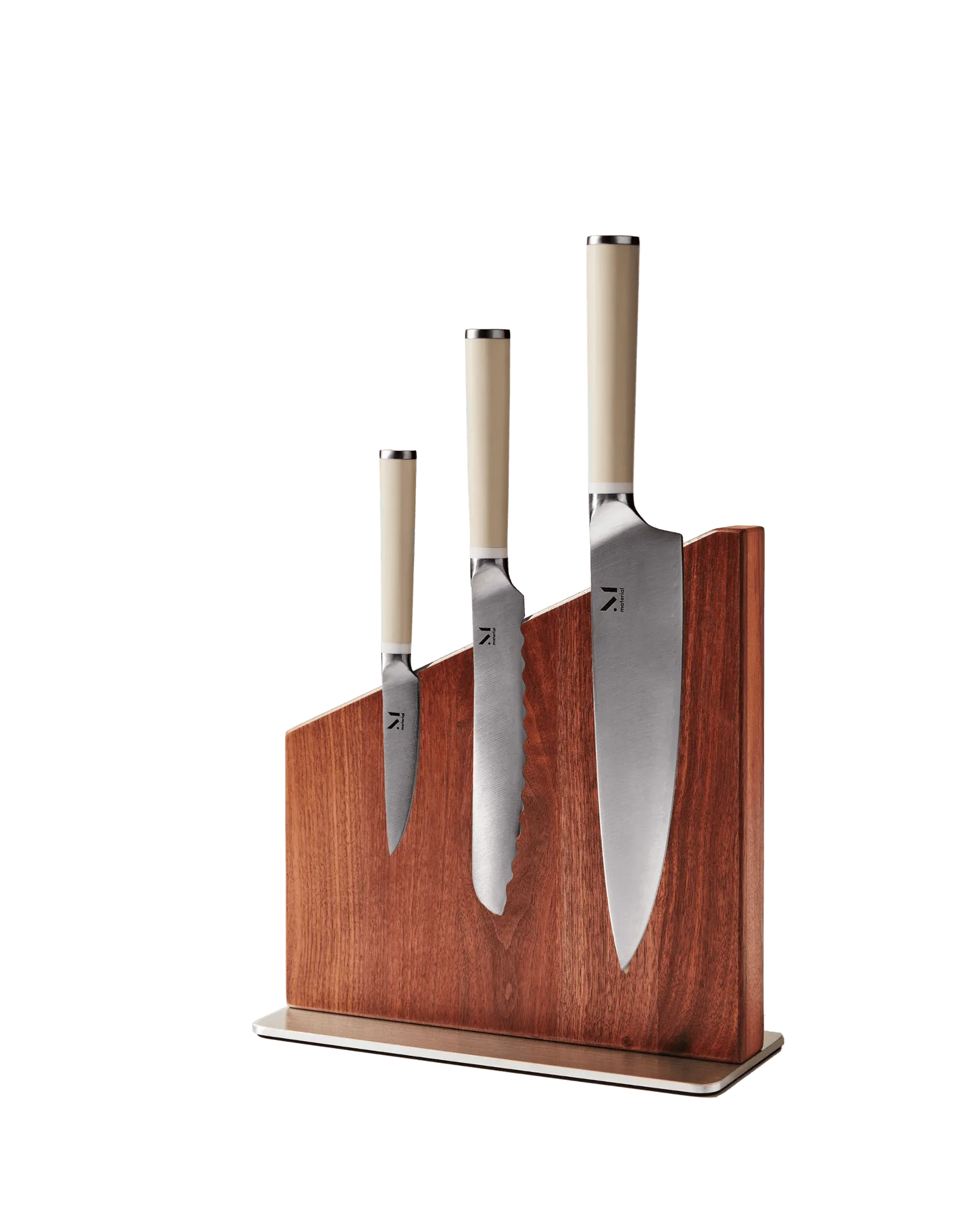
A resting stone works beautifully alongside quality knives and cutting boards. For example, after resting a steak on your stone, you can transfer it to a sturdy board like The MK Free Board for slicing. Use a sharp knife such as The Almost 4" Knife or The Serrated 6" Knife to cut cleanly without tearing the meat.

The MK Free Board
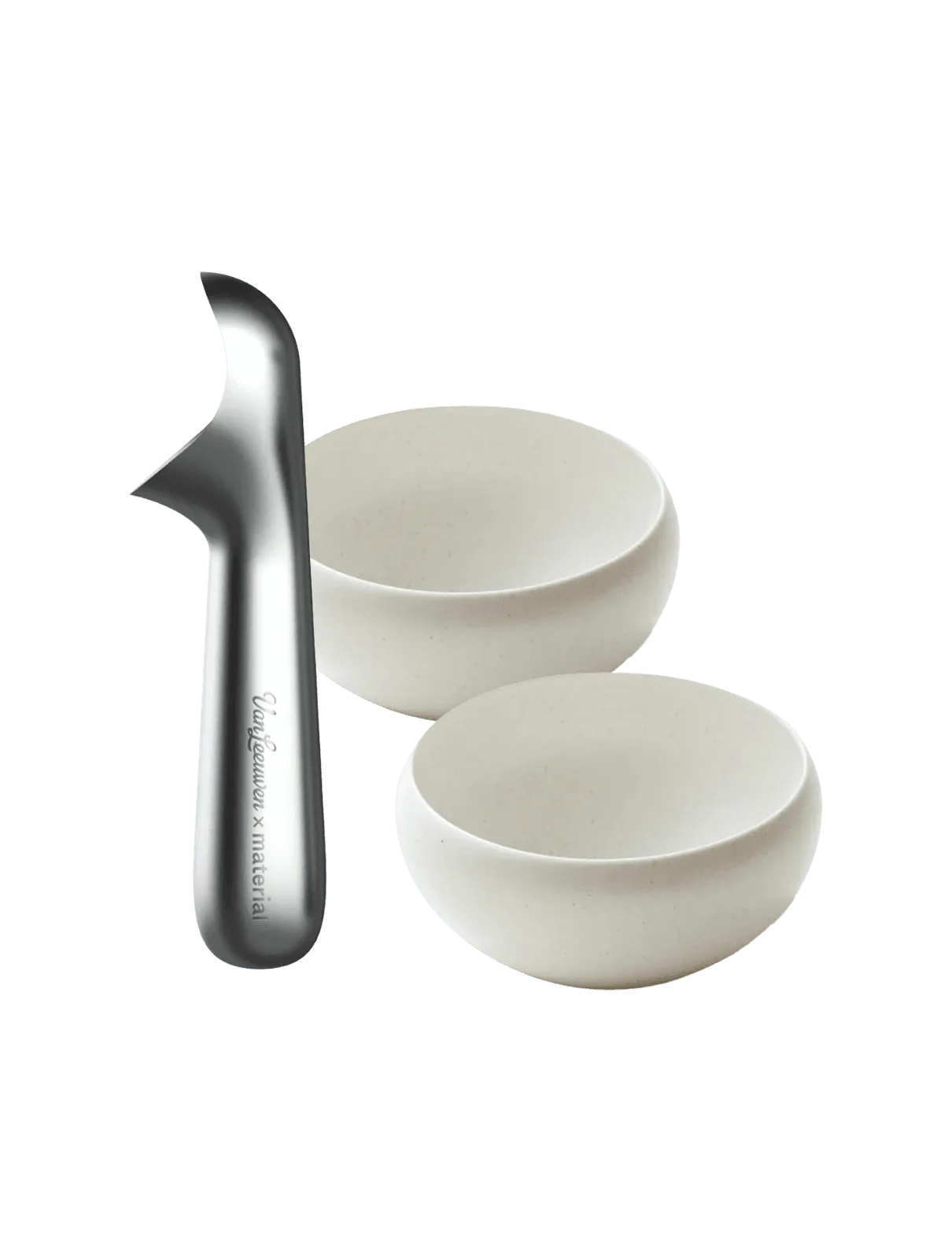
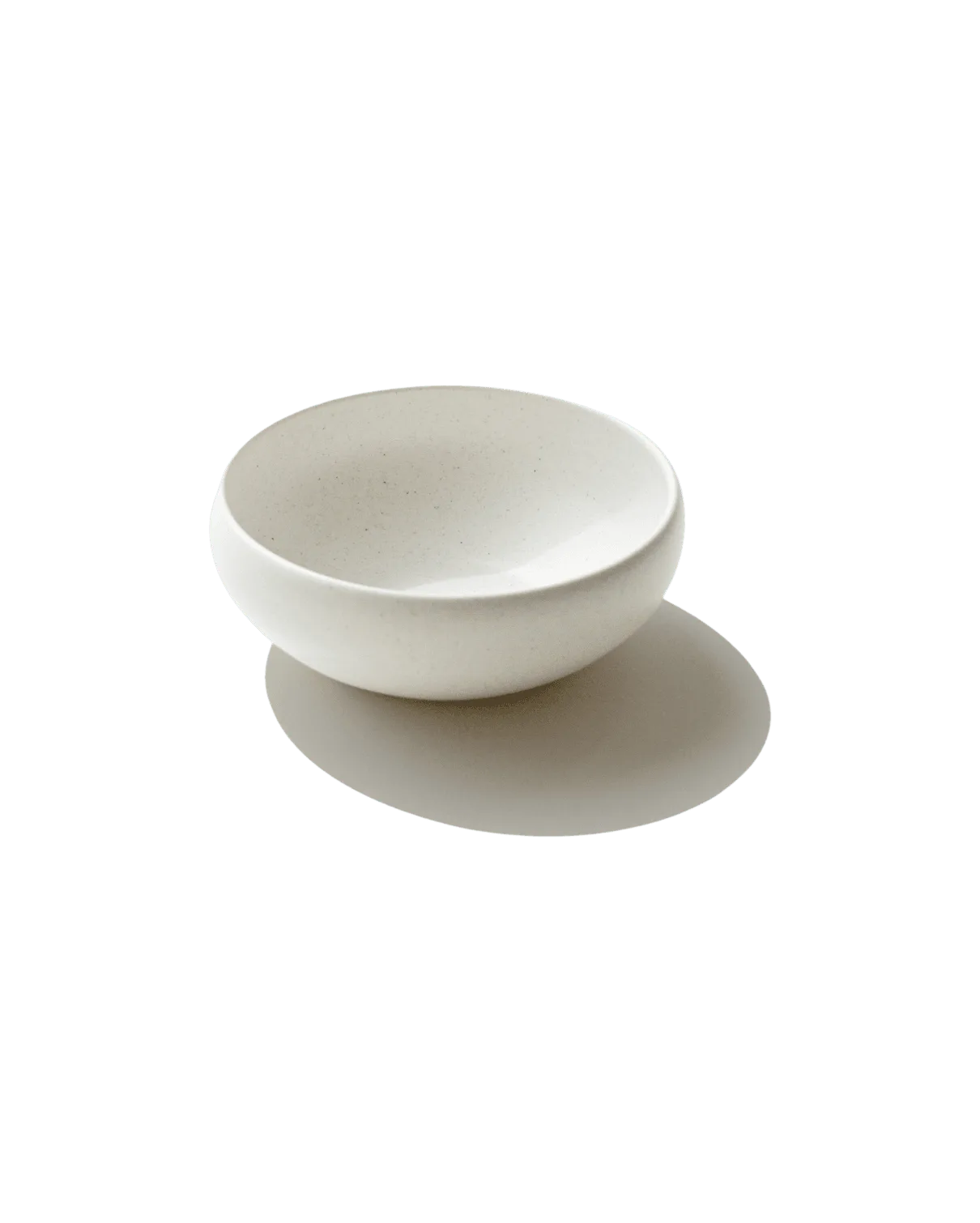
For serving, consider a simple ceramic bowl like The Small Goun Bowl for sides or sauces. The key is creating a workflow that keeps your meat at its best from pan to plate.
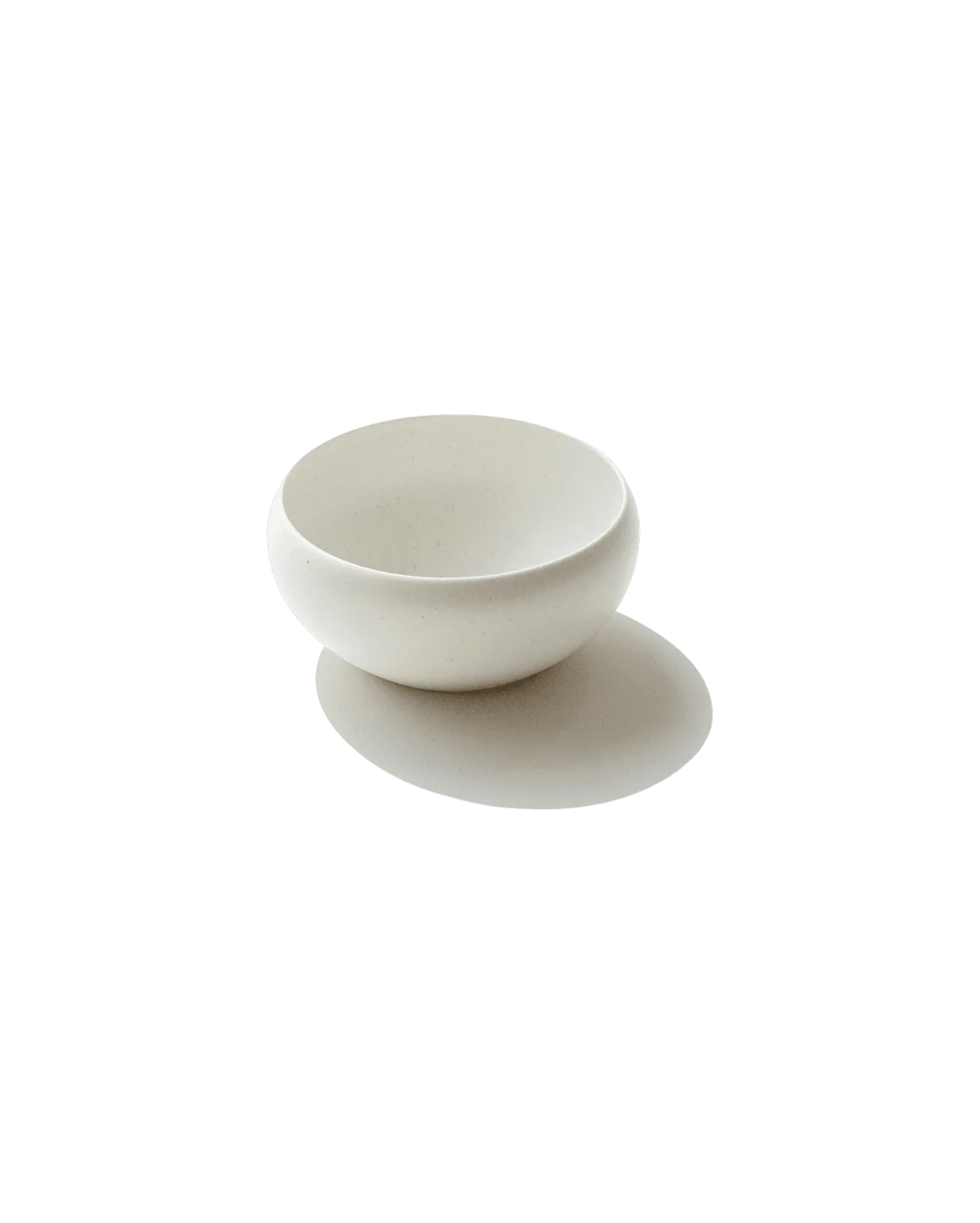
The Small Goun Bowl
Using a resting stone is one of the easiest ways to improve your steak and roast results without adding complexity. It holds heat, preserves crust, and lets juices settle naturally. Whether you're a weekend grill master or a home cook looking to level up, a steak resting stone is a practical tool that delivers consistent, juicy meat every time.