Retinol is one of the most celebrated ingredients in skincare for its ability to reduce fine lines, improve texture, and boost cell turnover. But for those with sensitive skin, the fear of irritation, redness, and peeling can make it feel off-limits. The good news is that you can absolutely use retinol without wrecking your skin barrier — you just need the right approach, the right products, and a lot of patience.
In this beginner’s guide, we’ll walk you through how to start retinol safely, what to avoid, and which gentle Korean skincare products can help buffer the effects. Whether you’re acne-prone, redness-prone, or simply new to active ingredients, this routine will help you build tolerance while keeping your skin calm and hydrated.
Why Retinol Can Be Harsh on Sensitive Skin
Retinol is a form of vitamin A that accelerates skin cell turnover, which is why it works so well for anti-aging and acne. However, this same mechanism can strip the skin’s protective barrier, leading to dryness, flaking, and inflammation — especially for those with compromised or reactive skin. The key is not to avoid retinol entirely, but to use it strategically.
Many beginners make the mistake of applying a high concentration right away or layering it with other strong actives like AHAs or vitamin C. This overwhelms the skin and triggers a negative reaction. Instead, start low, go slow, and always pair retinol with soothing, hydrating ingredients that support barrier repair.
- Start with a low concentration (0.2%–0.3%) and use it only once a week for the first two weeks.
- Never mix retinol with exfoliating acids or benzoyl peroxide in the same routine.
- Always apply retinol to dry skin — damp skin increases absorption and irritation.
The Sandwich Method: Your Best Friend for Gentle Retinol Use
The sandwich method is a game-changer for sensitive skin. It involves layering your moisturizer before and after retinol to buffer the active ingredient and reduce direct contact with the skin. This technique allows you to enjoy the benefits of retinol while minimizing irritation. Start with a hydrating toner or essence, apply a lightweight moisturizer, then a pea-sized amount of retinol, and finish with a richer moisturizer or barrier cream.
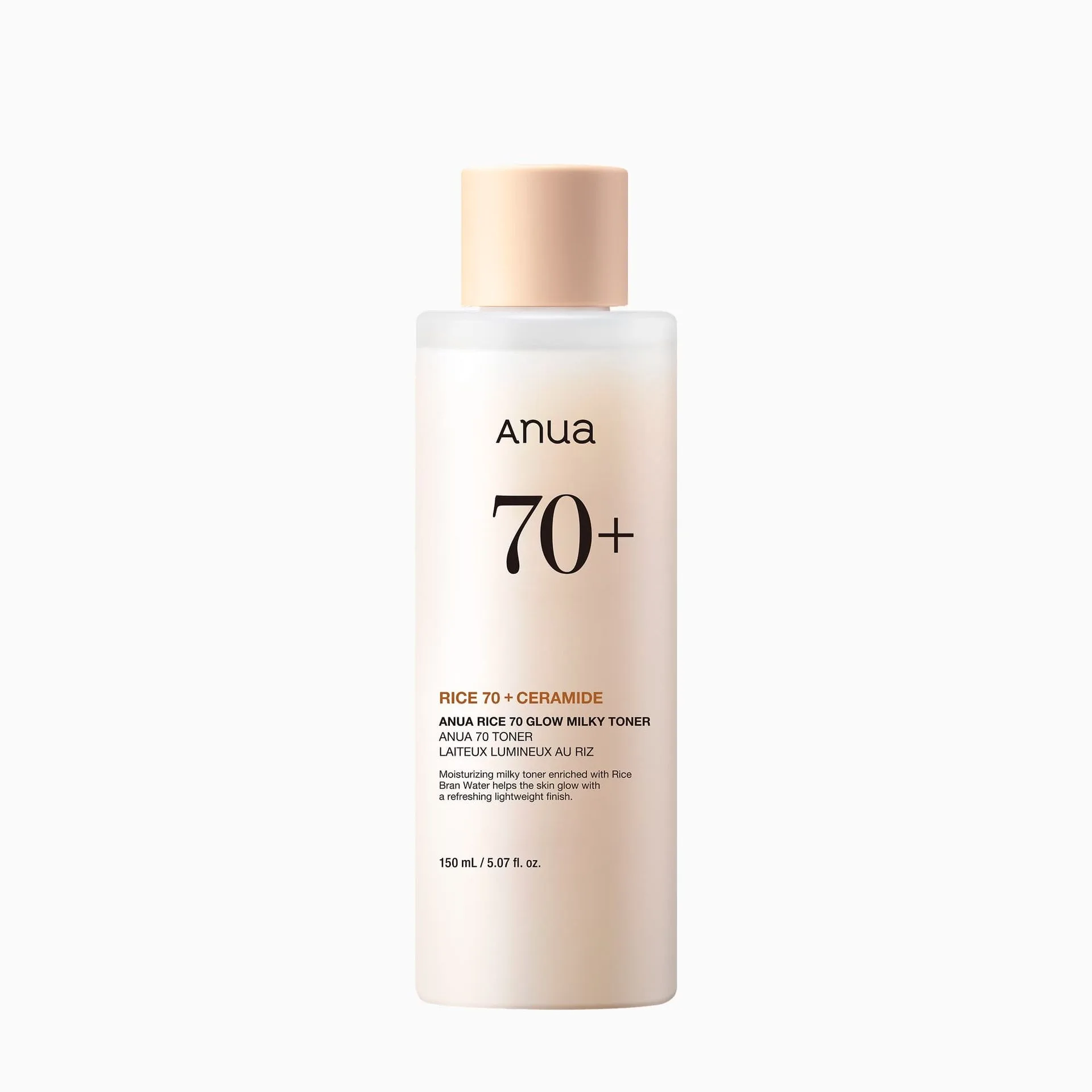
For the sandwich method to work, choose products that are free of irritants like alcohol, fragrance, and essential oils. A soothing moisturizer with ceramides, niacinamide, or hyaluronic acid is ideal. You can also incorporate a calming toner like the https://purebeautytools.store/products/peach-77-niacin-essence-toner-51534Peach 77 Niacin Essence Toner to prep your skin and reduce redness before layering.
- Use a gentle, fragrance-free moisturizer for the first layer — look for ceramides or panthenol.
- Wait 2–3 minutes between each layer to let products absorb.
- Finish with an occlusive balm or cream if your skin feels tight — but avoid petroleum-based products that may clog pores.
Pairing Retinol with Soothing and Hydrating Ingredients
To keep irritation at bay, pair retinol with ingredients that calm inflammation and reinforce the skin barrier. Niacinamide is a superstar here: it reduces redness, regulates oil, and supports ceramide production. Hyaluronic acid provides deep hydration without clogging pores, while heartleaf extract soothes sensitivity and helps prevent breakouts. These ingredients work synergistically with retinol to create a balanced, healthy complexion.
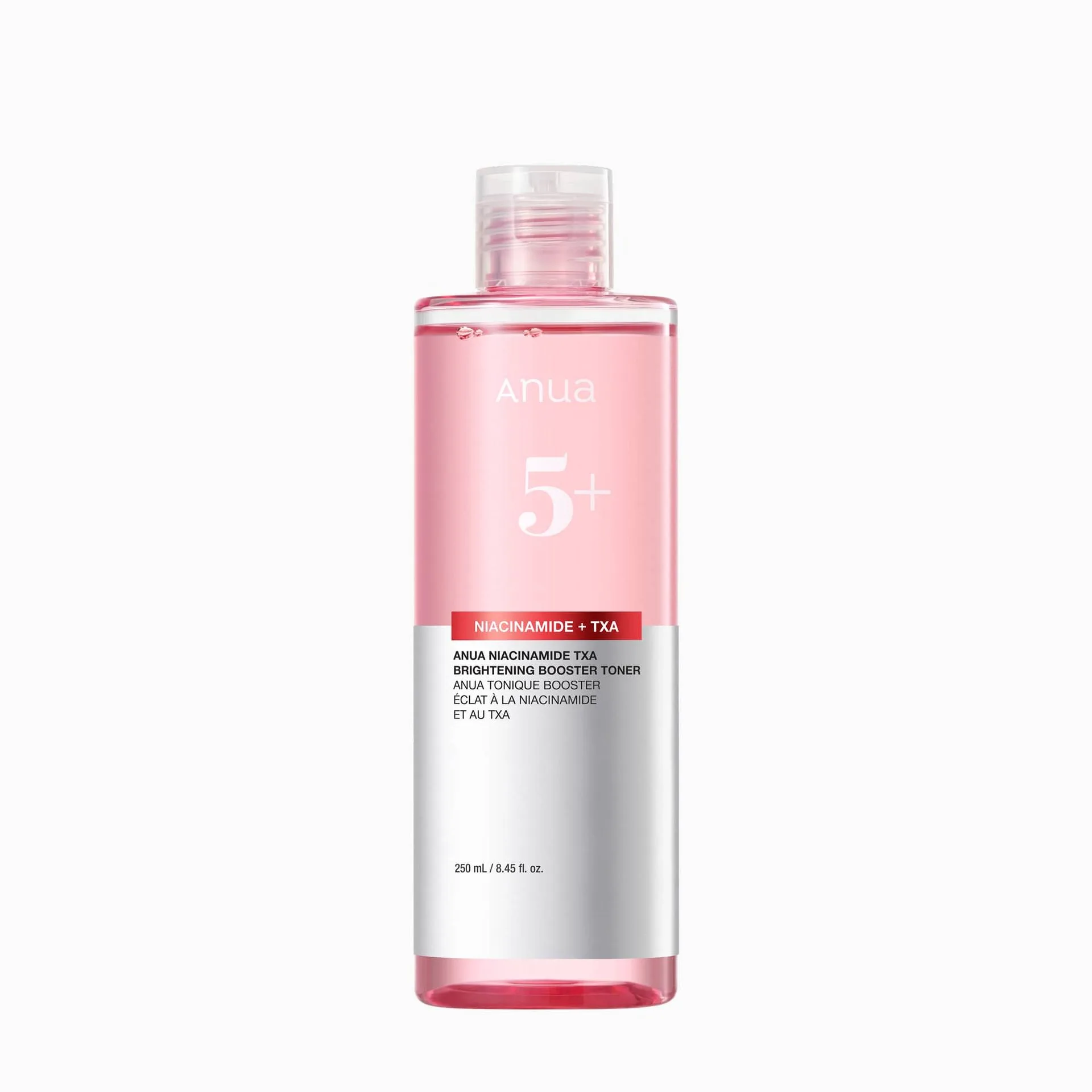
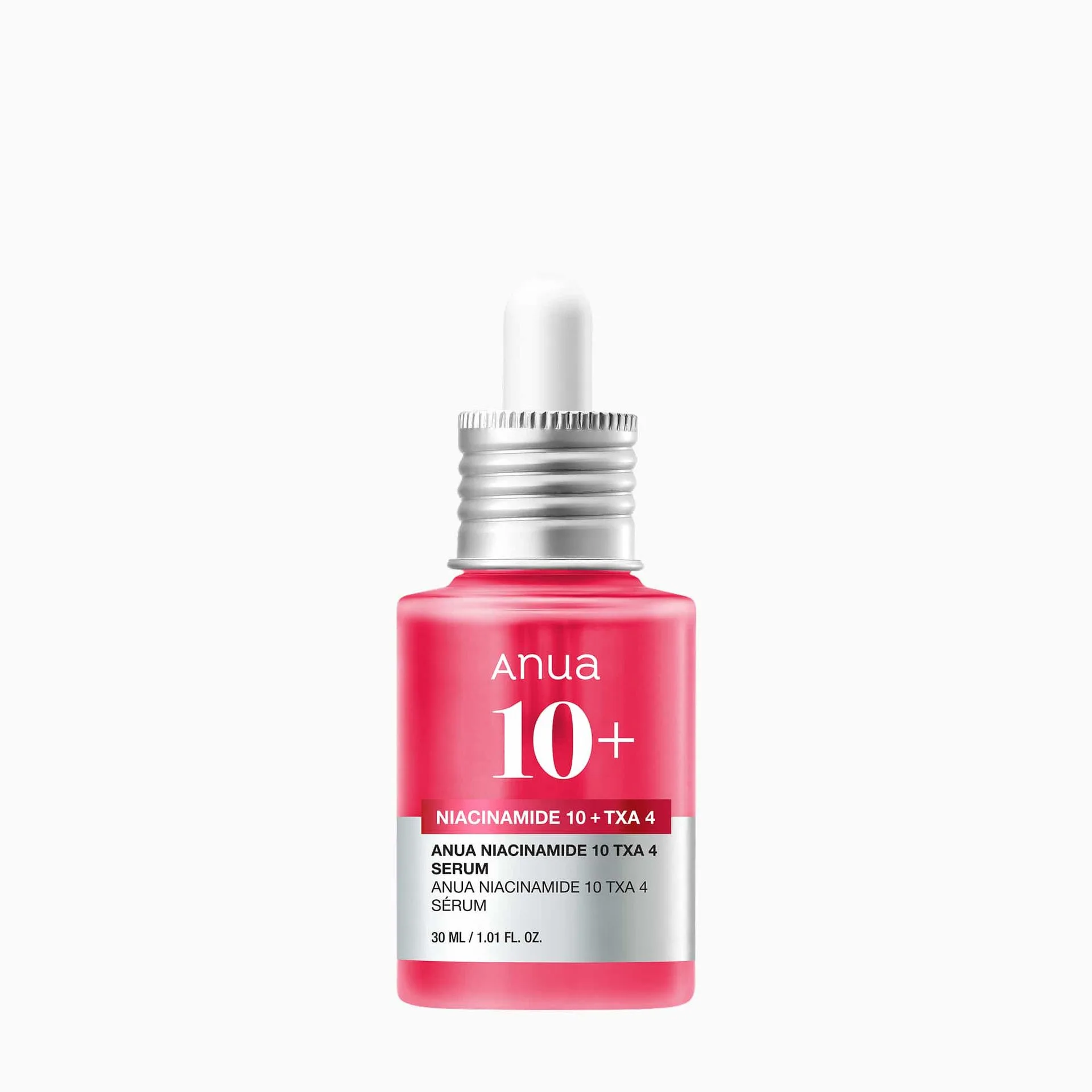
A great addition to your retinol nights is a gentle serum that combines soothing and brightening benefits. Consider using the https://purebeautytools.store/products/niacinamide-10-txa-4-serum-for-brightening-and-dark-spots-51554Niacinamide 10 TXA 4 Serum for Brightening and Dark Spots on alternate nights — it targets discoloration and uneven tone without the peeling associated with retinol. On retinol nights, you can apply a hydrating serum like the Rice Ceramide 7 Hydrating Barrier Serum to reinforce moisture and calm any potential reaction.
- Apply niacinamide serum in the morning or on non-retinol nights to support barrier function.
- Hyaluronic acid serums should be applied to damp skin before retinol for extra hydration.
- Avoid using retinol with vitamin C or benzoyl peroxide in the same session.
Building a Retinol Routine Step by Step
A successful retinol routine for sensitive skin is all about gradual introduction and consistent support. Start with once a week for two weeks, then increase to twice a week if no irritation occurs. Always use retinol at night, as it degrades in sunlight and can increase photosensitivity. In the morning, apply a broad-spectrum sunscreen with at least SPF 30 to protect your newly exposed skin cells.
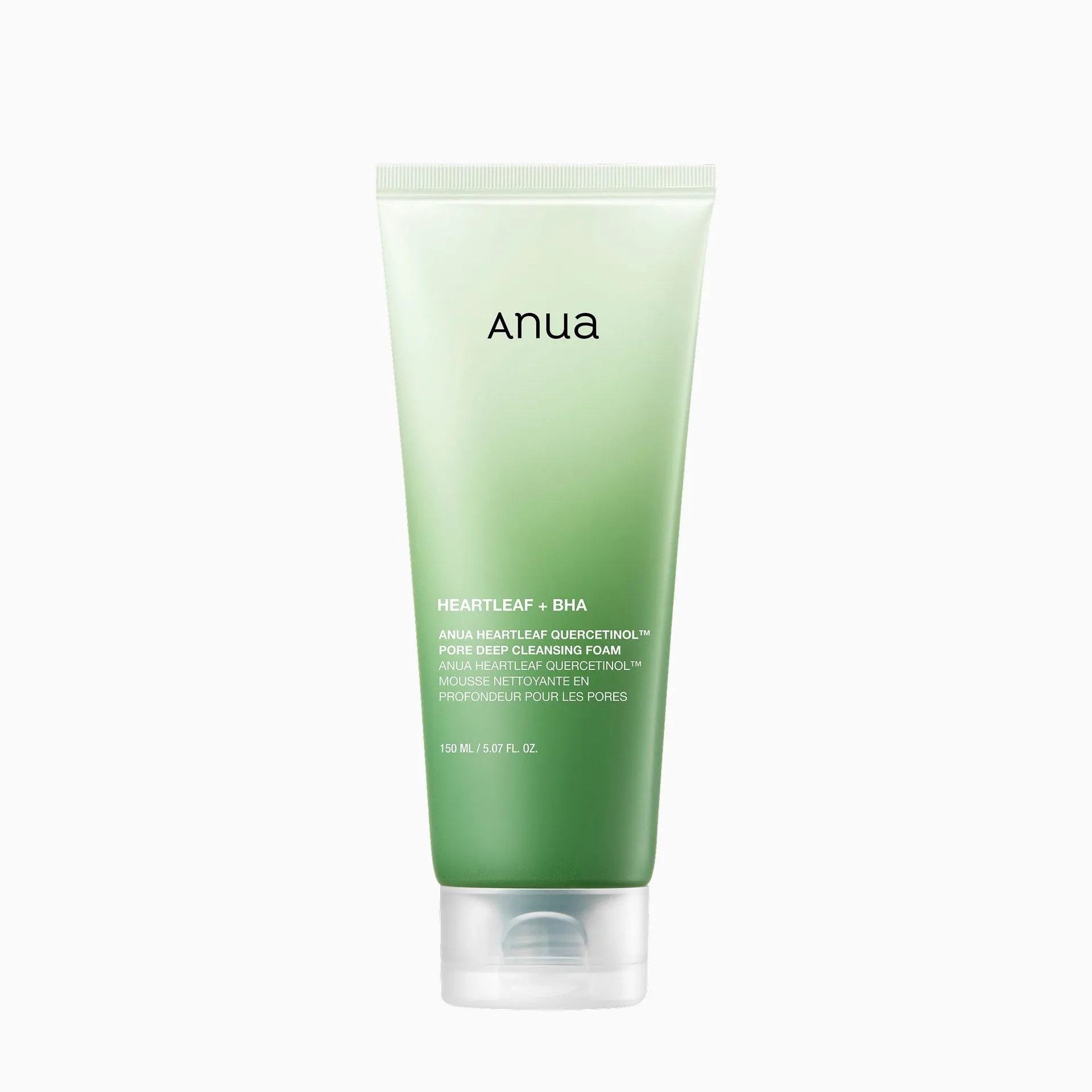
Your evening routine should begin with a gentle, low-pH cleanser that doesn’t strip the skin. The 8 Hyaluronic Acid Hydrating Gentle Foaming Cleanser is an excellent choice — it removes impurities while maintaining the skin’s natural moisture barrier. Follow with a hydrating toner, the sandwich method, and a soothing moisturizer. On off nights, focus on hydration and barrier repair with ingredients like ceramides, peptides, and centella asiatica.
- Use a low-pH cleanser to avoid disrupting your acid mantle before retinol application.
- Apply sunscreen every morning — retinol makes skin more vulnerable to UV damage.
- Keep a spot patch handy for any breakouts that may surface during the adjustment phase.
What to Do If You Experience Irritation
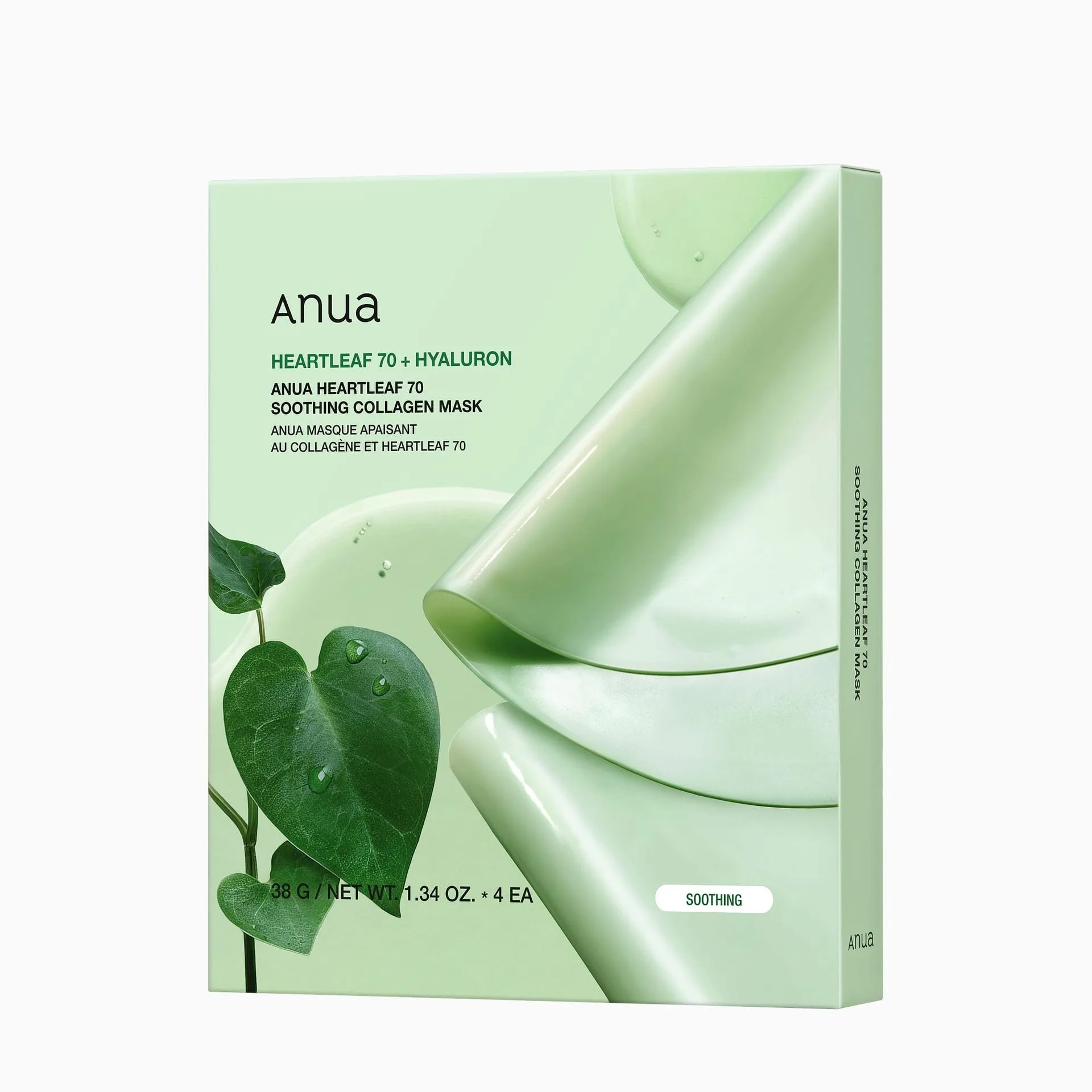
Even with the gentlest approach, some irritation may still occur — especially if you have extremely reactive skin. If you notice redness, peeling, or a stinging sensation, stop using retinol immediately and give your skin a break for a few days. Focus on barrier repair with soothing ingredients like centella, cica, and ceramides. You can also use a hydrating sheet mask to calm inflammation and restore moisture.
Once your skin feels normal again, you can reintroduce retinol at a lower frequency or concentration. Some people find that using a retinol alternative — like bakuchiol or a peptide serum — works better for their skin. The goal is not to force your skin to tolerate something it hates, but to find a gentle anti-aging or acne-fighting solution that your skin actually enjoys. Listen to your skin and adjust your routine accordingly.
- Apply a thick, fragrance-free moisturizer or balm to soothe irritated areas.
- Avoid exfoliating acids, scrubs, and hot water until the irritation subsides.
- Consider switching to a retinol alternative like bakuchiol if your skin remains reactive.
Retinol doesn’t have to be a nightmare for sensitive skin. With the right technique, supportive ingredients, and a gradual approach, you can unlock its powerful benefits without compromising your skin barrier. Start slow, listen to your skin, and always pair retinol with hydration and protection. If you’re looking for a gentle yet effective way to brighten and even out your skin tone on non-retinol nights, try the Niacinamide 10 TXA 4 Serum for Brightening and Dark Spots — it’s a soothing alternative that complements any retinol routine beautifully.