If you're tired of reaching for plastic wrap every time you have leftovers, you're not alone. Single-use plastic wrap is convenient, but it's also a major contributor to kitchen waste. Fortunately, reusable alternatives like stretch lids and bags make it easy to store food without plastic, keeping your leftovers fresh and your conscience clear.
In this guide, we'll show you exactly how to use reusable stretch lids and bags to store leftovers without plastic. From covering bowls and containers to wrapping produce and sealing snacks, you'll learn practical tips for zero-waste food storage that fits your daily routine.
Why Switch to Reusable Stretch Lids and Bags?
Plastic wrap is designed to be thrown away after one use, which means it ends up in landfills or oceans. Reusable stretch lids and bags are made from durable, food-safe materials like silicone or food-grade plastic that can be used hundreds of times. By making the switch, you'll reduce your household waste and save money in the long run.
Reusable stretch lids come in various sizes and are designed to fit snugly over bowls, plates, and containers. They create a tight seal that locks in freshness, preventing spills and keeping odors in. Reusable bags, on the other hand, are perfect for storing leftovers in the fridge or freezer, and they're also great for snacks and sandwiches.
- Eco-friendly: reduces single-use plastic waste
- Cost-effective: lasts for years with proper care
- Versatile: works for bowls, plates, and containers
How to Use Reusable Stretch Lids for Leftovers
Reusable stretch lids are incredibly easy to use. Simply stretch the lid over the top of your bowl or container, making sure it covers the entire opening. The lid will cling to the sides, creating a secure seal. You can use them on glass, ceramic, or stainless steel containers, and they're also great for covering plates with leftover food.
For best results, choose a lid that is slightly smaller than the opening of your container. This ensures a tight fit. If you're storing leftovers in a bowl, you can use a lid that stretches over the rim. For larger dishes, you might need to use a bigger lid or combine multiple lids to cover the entire surface.
One of the great things about stretch lids is that they're transparent, so you can easily see what's inside without having to open them. This makes it easy to identify leftovers and avoid food waste.
- Stretch the lid over the container, ensuring it covers the rim completely.
- Use a lid that is slightly smaller than the container opening for a snug fit.
- For large dishes, use multiple lids or a larger lid that can stretch to cover.
How to Use Reusable Bags for Leftovers
Reusable bags are perfect for storing leftovers that need more protection, such as soups, stews, or marinated meats. Simply pour the leftovers into the bag, squeeze out as much air as possible, and seal the zipper or clip. These bags are leak-proof and can be used in the fridge or freezer.
When using reusable bags for leftovers, it's important to let hot food cool down before sealing to avoid condensation and bacteria growth. You can also write the date on the bag with a dry-erase marker to keep track of freshness.
Reusable bags are also great for storing snacks, sandwiches, and produce. They come in various sizes, so you can choose the right one for your needs. For example, a small bag is perfect for berries, while a large bag can hold a loaf of bread.
- Cool food completely before storing in bags to prevent condensation.
- Squeeze out excess air before sealing to keep food fresh longer.
- Use a dry-erase marker to label bags with the date.
Combining Stretch Lids and Bags for Maximum Freshness
For the best results, you can combine reusable stretch lids and bags to create a versatile food storage system. For example, you might use a stretch lid to cover a bowl of salad and then place the bowl in a reusable bag to protect it from spills. Or you could use a stretch lid to cover a dish and then use a bag to store any extra portions.
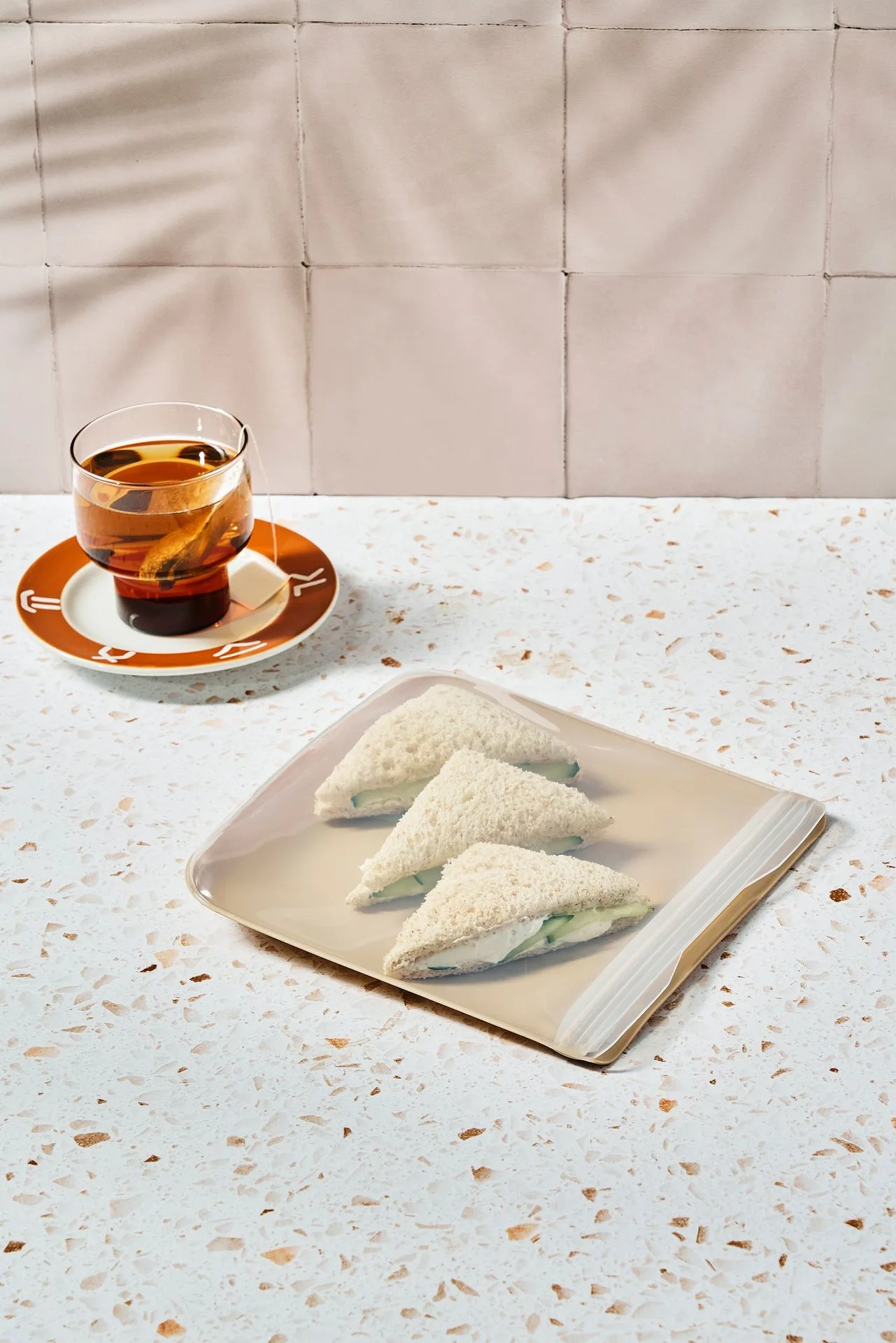
reusable bag
This combo approach is especially useful for meal prep. You can use stretch lids on individual containers and bags for larger batches. By mixing and matching, you'll always have the right solution for any leftover situation.
Products like Reusable Stretch Lids - Baking Set and Reusable Stretch Produce Savers are designed to work together, providing a complete plastic-free storage solution. The baking set includes a variety of sizes that fit most standard bakeware, while produce savers are perfect for keeping fruits and vegetables fresh.
- Use stretch lids on bowls and bags for larger portions.
- Combine with produce savers to keep fruits and veggies fresh.
- Ideal for meal prep: lids on individual containers, bags for batch storage.
Tips for Maintaining and Cleaning Your Reusable Storage
To ensure your reusable stretch lids and bags last for years, proper care is essential. Most stretch lids are dishwasher safe, but it's always a good idea to check the manufacturer's instructions. For bags, hand washing with warm soapy water is recommended, and you can also use a bottle brush to clean the inside.
Avoid using sharp objects that could puncture the material. When storing lids, keep them flat or rolled to prevent creases. Bags should be stored with the zipper open to allow air circulation and prevent mold.
By following these simple care tips, you'll keep your zero-waste food storage in top condition, ensuring it works effectively every time.
- Wash lids in the dishwasher or by hand with mild soap.
- Hand wash bags with warm soapy water and dry thoroughly.
- Store lids flat or rolled; keep bags open to air dry.
Switching to reusable stretch lids and bags is a simple yet impactful way to store leftovers without plastic. By incorporating these eco-friendly tools into your daily routine, you'll reduce waste, save money, and keep your food fresh longer. Start with a few key pieces like the Reusable Stretch Lids - Baking Set and Reusable Stretch Produce Savers, and you'll be well on your way to a zero-waste kitchen.