Quick answer
Pick one Safari Ltd. TOOB set, build a simple habitat from household materials, and run a short daily play-and-learn session. Start with sorting and naming, then add a conservation or habitat story so the miniature animal figurine play becomes a routine rather than a one-time toy.
Why TOOB sets work well for short learning sessions
TOOB sets are small, themed collections, so they fit a 10- to 15-minute learning block without overwhelming a child. The theme does the curriculum work for you: a sharks set naturally leads to ocean talk, while an endangered species set opens a conversation about protection.
The trade-off is that the figurines are miniature, so they suit tabletop play better than rough outdoor play. Keep them in their tube between sessions and use a tray or mat to define the play area.
Match the set to your child's current interest
A child who is drawn to sharks will engage longer with a shark figurine set for kids than with a general wildlife set, even if the wildlife set has more animals. Start with the theme that already gets questions at home, then rotate in a second set after a week or two.
If your child is younger or new to figurine play, begin with a smaller set and add animals gradually. More pieces can mean more sorting and clean-up, which can shorten the session.
A simple 5-step TOOB learning routine
- Choose one themed set and clear a play surface: Pick a single TOOB set for the session and set out a tray or mat. Keep the other sets in their tubes so the child focuses on one group of animals. Common mistake: emptying every set at once, which turns the activity into clutter and shortens attention. One set per session keeps the learning goal clear.
- Name and sort the animals together: Lay out the figurines and ask your child to name each one or describe its color and shape. Then sort by a simple rule, such as land versus water or big versus small. Checkpoint: if your child cannot name an animal, treat that as the next session's focus rather than correcting every piece now. Sorting by one rule is enough for a first session.
- Build a quick habitat from household items: Use a shallow box, a blue cloth, or a few stones to suggest an ocean, jungle, or mountain. Place the animals in the habitat and ask where each one would live. Common mistake: building an elaborate scene that takes longer than the play itself. A five-minute habitat setup is plenty.
- Add one fact or story per animal: Choose two or three animals and share one simple fact about each, such as what it eats or where it lives. For an endangered species set, add one sentence about why the animal needs protection. Checkpoint: keep facts short and stop when interest fades. Two or three facts per session are enough to remember.
- Close with a clean-up and a question: Return the figurines to the tube together and ask one question about the session, such as which animal was the child's favorite or where it lives. Common mistake: skipping clean-up, which makes the next session harder to start. Ending with a question turns play into a habit.
Product facts to guide your setup
-
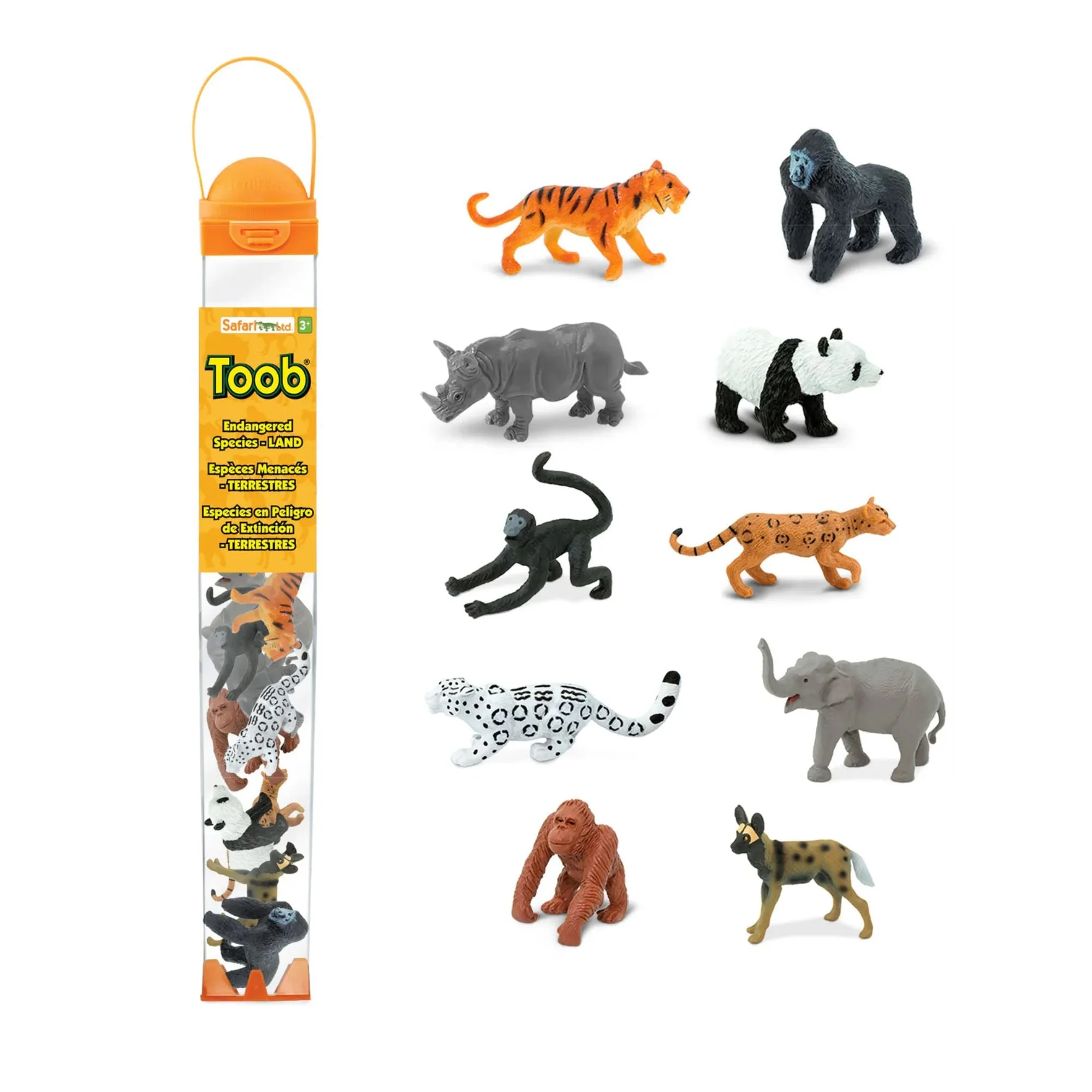
Safari Ltd. Endangered Species TOOB® - 10 Piece Miniature Rare Animal Figurine Set: This set includes ten miniature rare animal figurines, from the Mountain Gorilla to the Snow Leopard. The endangered species theme makes it a natural starting point for a short conservation talk during play.
Safari Ltd. Endangered Species TOOB® - 10 Piece Miniature Rare Animal Figurine Set
-
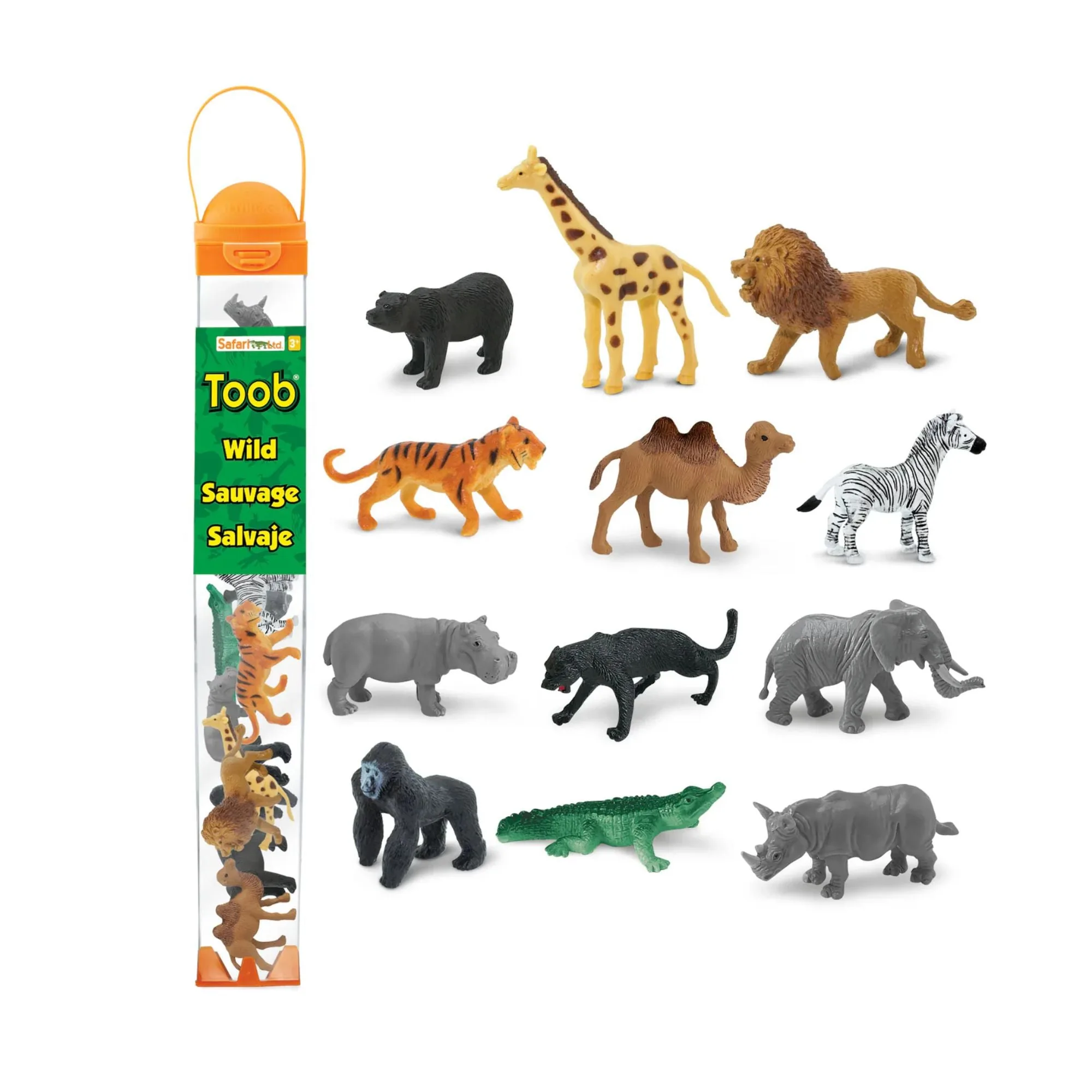
Safari Ltd. Wild Animal Toys TOOB® - 12 Piece Miniature Wildlife Figurine Set: This set includes twelve miniature wildlife figurines, including camels, lions, and gorillas. The wider mix of animals supports sorting games by habitat or continent, which keeps wild animal toy set learning flexible.
Safari Ltd. Wild Animal Toys TOOB® - 12 Piece Miniature Wildlife Figurine Set
-
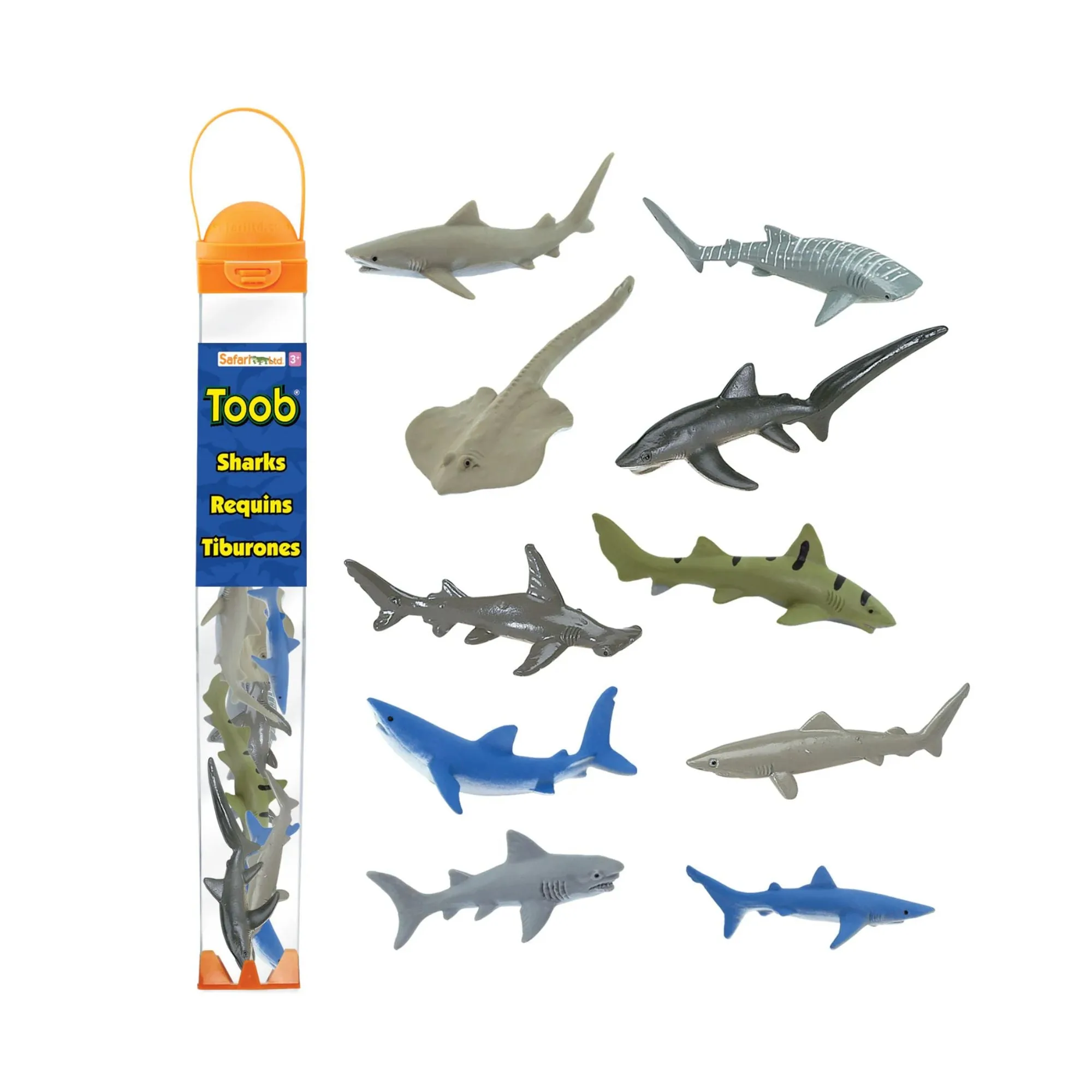
Safari Ltd. Sharks TOOB® - 11 Piece Miniature Shark Figurine Set: This set includes eleven miniature shark figurines, from the Great White to the Hammerhead. The shark theme gives you a ready-made ocean habitat activity for kids who prefer sea animals.