Hand hygiene has never been more important. Whether you're commuting, at the office, or just out running errands, a sanitiser spray offers a quick and convenient way to keep your hands clean when soap and water aren't available. But using it correctly makes all the difference—both for effectiveness and for your skin's health.
In this guide, we'll walk you through the proper technique for using a sanitiser spray, when it's most effective, and how to avoid common mistakes. We'll also share tips for keeping your hands soft and moisturised, because frequent sanitising can take a toll on your skin. Let's dive in.
Why Sanitiser Spray is a Smart Choice
Sanitiser sprays have become a staple in hand hygiene routines. Unlike gels, sprays offer a lighter, quicker-drying formula that can cover a larger surface area with less product. They're especially handy when you're on the go, as they don't require rubbing in as much as a gel—though you still need to ensure even coverage.
Another advantage is that sprays are often less sticky and leave no residue, making them a favourite for people who dislike the tacky feel of some gels. Plus, they're easy to use on other surfaces like doorknobs or handrails, adding an extra layer of protection when you're out and about.
- Ideal for on-the-go use: fits easily in a bag or pocket.
- Quick-drying formula: no sticky residue.
- Versatile: can be used on hands and small surfaces.
Step-by-Step: How to Apply Sanitiser Spray Correctly
To get the most out of your sanitiser spray, follow these simple steps. First, ensure your hands are visibly clean—if they're dirty or greasy, wash with soap and water instead. Then, hold the spray bottle about 10-15 cm away from your hands and apply a generous amount, enough to cover both hands completely.
Next, rub your hands together, making sure to cover all surfaces: the backs of your hands, between your fingers, and under your nails. Continue rubbing for at least 20 seconds, or until the product has fully dried. This duration is crucial for the sanitiser to effectively kill germs.
- Spray enough product to cover both hands completely.
- Rub for at least 20 seconds or until dry.
- Don't wipe off before it dries—allow it to air dry.
When to Use Sanitiser Spray (and When to Wash)
Sanitiser spray is perfect for situations where soap and water aren't accessible: after touching public surfaces, before eating, after using public transport, or when you've been in crowded places. It's also great for a quick refresh after handling cash or using shared devices.
However, it's important to remember that hand sanitiser is not a substitute for washing when your hands are visibly soiled. If you've been gardening, handling raw meat, or your hands are greasy, always opt for soap and water. Sanitiser works best on clean, dry hands.
- Use after touching high-traffic surfaces like doorknobs and handrails.
- Keep a bottle in your car, bag, or desk for convenience.
- Always wash with soap and water when hands are visibly dirty.
Keeping Your Hands Healthy: Moisturising After Sanitising
Frequent use of hand sanitiser can strip your skin of natural oils, leading to dryness and irritation. To counteract this, it's essential to moisturise your hands regularly. Look for a hydrating hand cream or a nourishing oil that can replenish lost moisture without leaving your hands greasy.
One excellent option is the Multi-Purpose Rose Oil Serum, which not only hydrates but also soothes and repairs dry, stressed skin. You can apply a few drops after your sanitiser has dried, and it will leave your hands feeling soft and smooth. Another great choice is the Hand & Body Wash - Soap Free, which is gentle enough for frequent use and helps maintain your skin's natural barrier.
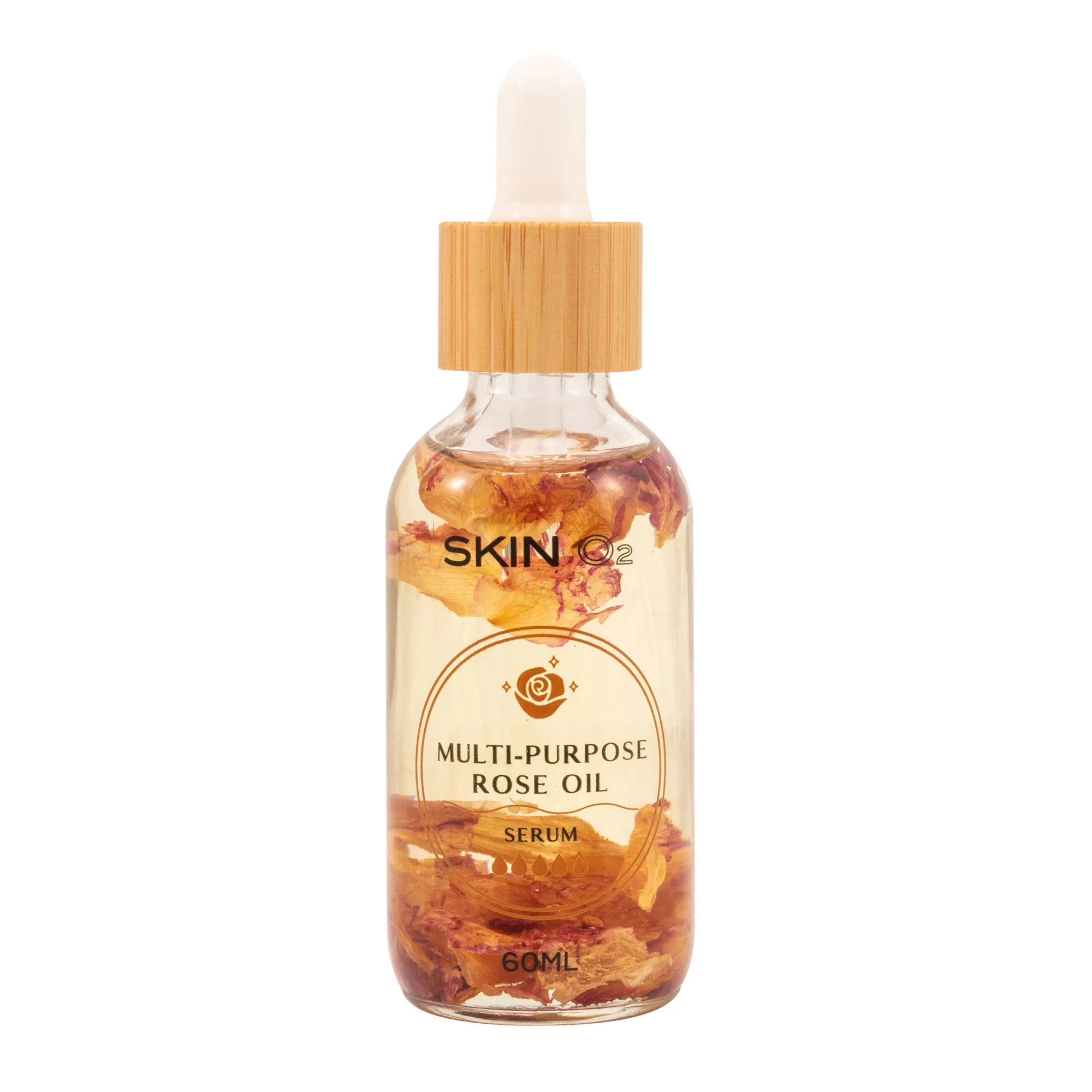
Multi-Purpose Rose Oil Serum
- Apply moisturiser after the sanitiser has fully dried.
- Choose alcohol-free or gentle formulas if you have sensitive skin.
- Carry a small hand cream with you for on-the-go hydration.
Common Mistakes to Avoid
Even with the best intentions, many people make mistakes that reduce the effectiveness of their sanitiser. One common error is using too little product—if your hands aren't completely covered, you're leaving areas unprotected. Another is wiping your hands off before the sanitiser has dried, which can remove the product before it's had time to work.
Also, be mindful of the alcohol content. For effective germ-killing, your sanitiser should contain at least 60% alcohol. Check the label to ensure you're getting a product that actually works. And remember, sanitiser has a shelf life—replace it if it's expired or has lost its potency.
- Don't use too little product—cover every surface.
- Let it dry completely—don't wipe it off.
- Check alcohol content: at least 60% for effectiveness.
- Replace expired sanitiser—it may not work as well.
Sanitiser Spray vs. Gel: Which is Better?
Both sprays and gels are effective when used correctly, but they have different textures and application methods. Gels are often thicker and require more rubbing to cover the hands, while sprays are lighter and dry faster. Some people prefer gels because they feel more controlled, while others like the quick-drying nature of sprays.
Ultimately, the best choice is the one you'll use consistently. If you find yourself avoiding a gel because of the sticky feel, a spray might be the perfect alternative. And if you're looking for a product that doubles as a surface cleaner, a spray is more versatile.
- Sprays: lighter, quick-drying, versatile.
- Gels: thicker, more controlled application.
- Choose what you'll actually use—consistency is key.
Mastering the art of using a sanitiser spray is a simple yet powerful way to protect yourself and others. By following the correct technique and pairing it with regular moisturising, you can keep your hands clean and healthy. For an extra boost of hydration, consider the Multi-Purpose Rose Oil Serum—it's a luxurious addition to your hand care routine that will leave your skin feeling nourished. Remember, clean hands are happy hands!